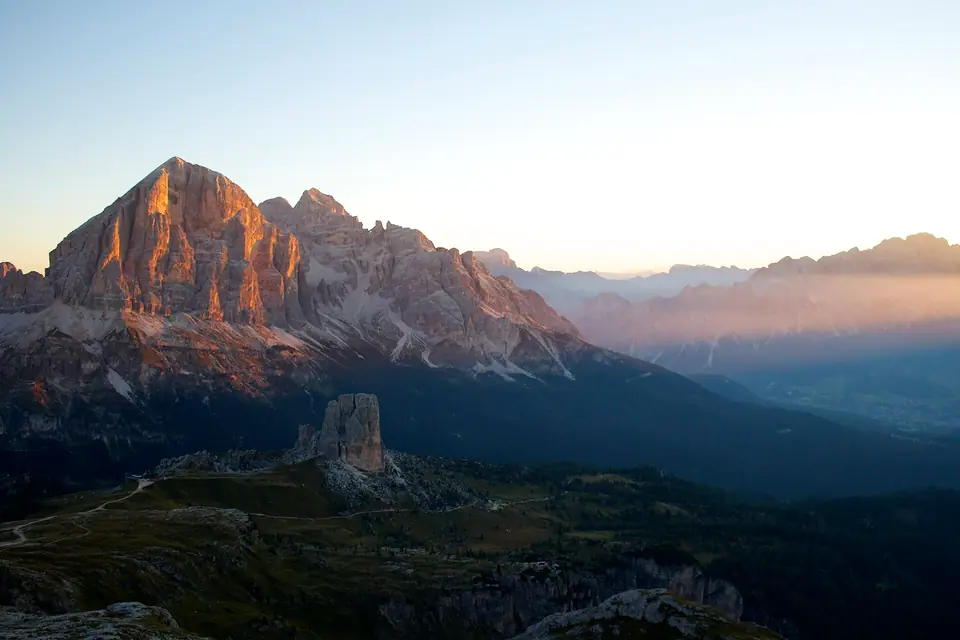
Photo: Madame74 · CC BY-SA 3.0
Things to Do in the Dolomites
Ridge walks, alpine cableways, via ferrata iron routes, high-altitude World War I tunnels, and turquoise glacial tarns.
Day outings across the Dolomites reward both energetic peak walkers and relaxed scenic viewers. Dense alpine cableways mean visitors reach soaring ridgelines such as Seceda (2,518 metres) or windy Sass Pordoi (2,950 metres) swiftly without scaling exposed ledges. Meanwhile, stone gravel trails trace crisp mountain paths connecting sunny timber dairies and staffed stone rifugi set directly beneath soaring rock citadels.
Mixing effortless early mountain lifts with gentle lakeside circuits spares weary knees from punishing limestone descents. Sorting active trail options clearly by daily exertion, altitude exposure, and mountain sky stability turns crowded landmarks into memorable unhurried days.
Balancing energetic morning ridge loops with serene pasture picnics creates natural sustainable multi-day mountain schedules. Checking clear valley lift operating boards paired with crisp morning sky forecasts prevents pointless uphill bus climbs whenever stray afternoon showers cloak high peaks behind drifting grey vapour. Steady unhurried pacing keeps knees happier across rugged valleys and leaves ample spare afternoon hours for outdoor herb cheeses and hot apple pastries across quiet timber refuge terraces.
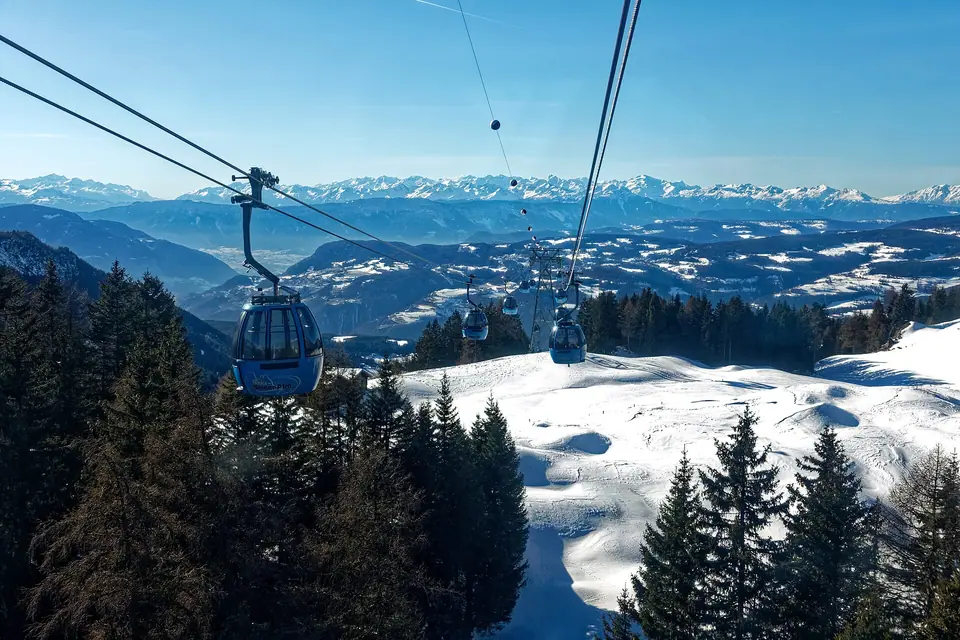
Aerial cableways onto high alpine plateaus
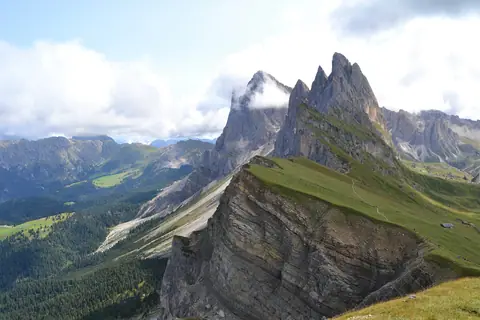
Gondolas transform sheer pale cliffs into comfortable high scenic decks inside smooth rapid lifts. Stepping out from Ortisei centre, the Ortisei to Furnes and Seceda cabins sweep straight onto Seceda's sheer edge at 2,518 metres facing pointed Odle spires. Neighbouring lifts climb softly up onto Alpe di Siusi, Europe's largest high-altitude alpine meadow plateau spanning 56 square kilometres of gently undulating hay fields.
Across central Sella walls, vivid red cabins soar off Passo Pordoi in four fast minutes toward Sass Pordoi at 2,950 metres, rightly celebrated as the Terrace of the Dolomites for unobstructed stony plains. Farther southeast past Veneto boundaries, linked lifts pull riders steeply out from Malga Ciapela up onto Marmolada at Punta Rocca (3,265 metres), hovering straight below gleaming high crest Punta Penia. Right above downtown Cortina runs Freccia nel Cielo toward Tofana di Mezzo at 3,244 metres. Verify regional card rules carefully ahead since Ortisei to Furnes and Seceda cabins remain excluded from multi-area Dolomiti Supersummer passes.
Classic day hikes from flat lakeshores to high scree
Serene mountain paths feel surprisingly quiet once cable-platform browsers disperse beyond summit café decks. Five classic circuits capture local trail character thoroughly, stepping calmly up from easy lakeside pines into high barren alpine bowls.
| Landmark Walk | Distance & Setting | Elevation Band | Terrain Character |
|---|---|---|---|
| Lago di Braies Shore Loop | 3.6 km pine and lake perimeter | 1,496 m | Gentle gravel with short east-shore wooden stairs |
| Adolf Munkel Trail (Trail 35) | Zannes (1,680 m) loop below Odle north faces | 1,680 m to 1,996 m | Undulating rocky woodland past Geisleralm meadow hut |
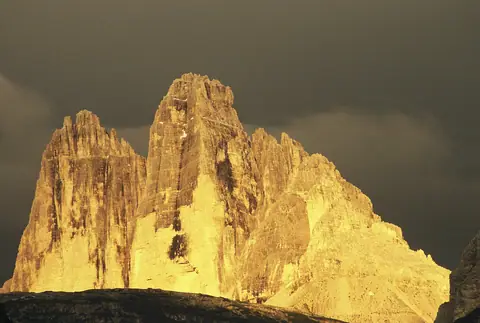
| Tre Cime Loop (Trails 101 & 105) | 10 km circuit from Rifugio Auronzo | 2,320 m to 2,454 m | Wide sunlit scree tracks around north faces & tarns |
| Cadini di Misurina (Trail 117) | Short cliff spur south off Auronzo lot | Approx. 2,320 m | Narrow cliff-edge track overlooking steep drop-offs |
| Lago di Sorapis (Trail 215) | 11 to 13 km return off Passo Tre Croci | 1,805 m to 1,925 m | Exposed rock shelves with bolted cables & steel stairs |
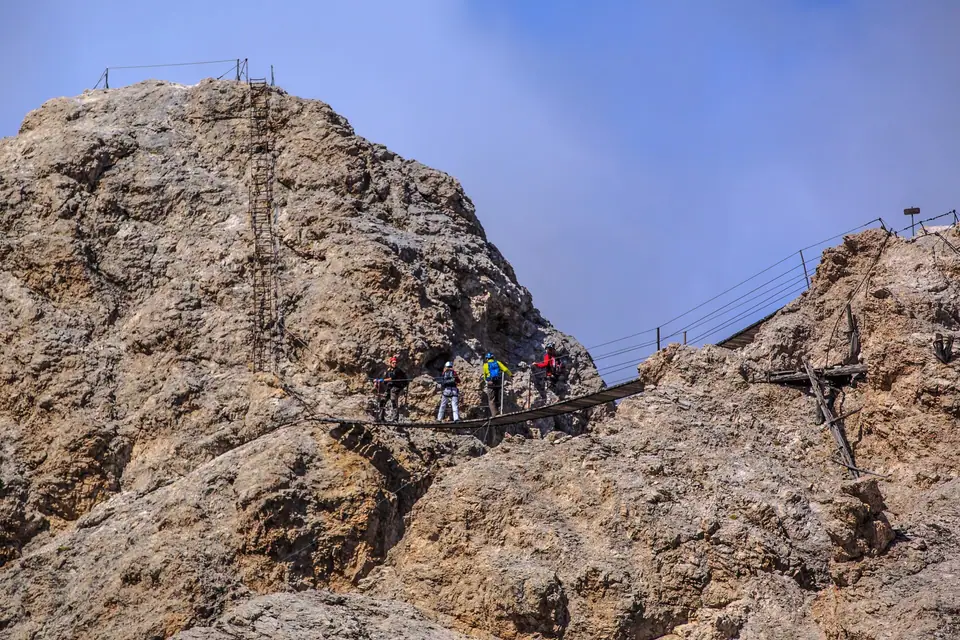
Via ferrata iron ladders and protected routes
Translating literally into iron road, classic via ferrata paths traverse narrow limestone steps reinforced securely with tensioned cables, steel rung ladders, and hanging canyon spans. Austro-Hungarian and Italian mountain regiments anchored sturdy iron lines straight across steep faces between 1915 and 1918 so troops could haul rations across frozen ridges above deep valley winter drifts.
Modern iron routes demand deep-treaded ankle mountain boots together with certified EN 958 energy-absorbing twin lanyards, UIAA hard-shell helmets, snug seat harnesses, and leather grip gloves. Basic plain climbing slings never soften dangerous vertical shock loads safely. Newer walkers regularly book licensed alpine guides around Cortina or Selva to drill clean clipping skills along gentler training ladders near Cinque Torri ahead of crossing towering cliff bridges high over Monte Cristallo.
World War I open-air mountain museums
Poignant wartime mountain history stays quietly accessible to ordinary hikers carrying standard daypacks without technical clips. Riding open summer chairlifts above Cortina brings visitors straight beside restored Italian artillery bays, deep command dugouts, and stone supply lines framed tightly among five jagged spires at Cinque Torri at 2,361 metres.
Minutes farther west over Passo Falzarego, aerial cars climb Mount Lagazuoi (2,752 metres) right atop the steep 1,100-metre Galleria del Lagazuoi. Tunnel engineers chipped overlapping galleries deep inside solid rock across bitter 1915 to 1918 winter siege lines. Carrying bright headlamps and grippy scree hiking boots lets sure-footed walkers descend cool wet steps toward roadside passes. Across neighbouring glaciers, station Serauta atop Marmolada protects Europe's highest World War I museum at 2,950 metres.
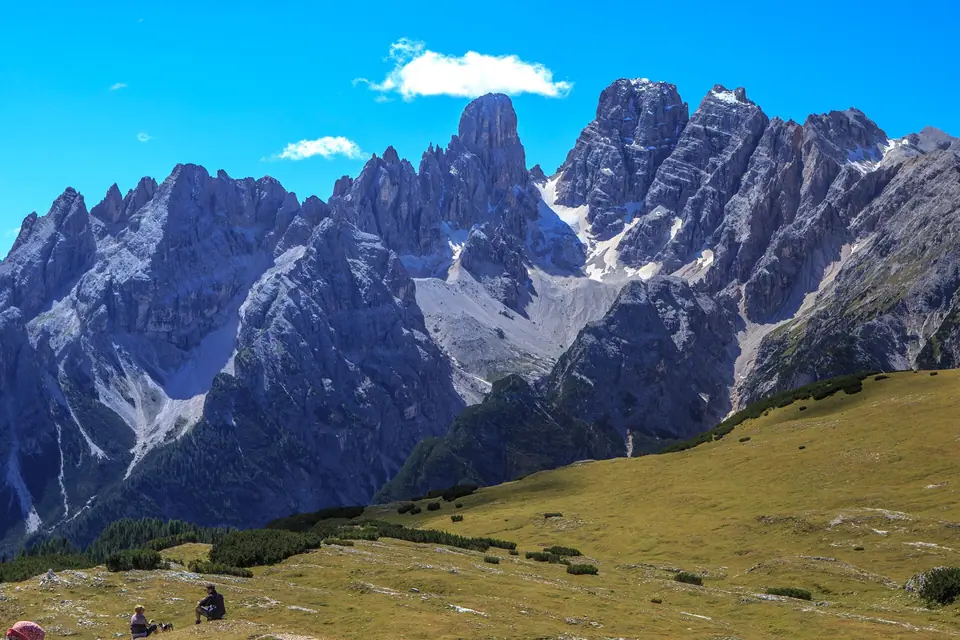
Turquoise lakes, cycling, and rainy-day museum pivots
Calm valley lake walks bring welcome restful contrast between demanding boulder circuits. Spring-fed Lago di Carezza mirrors spiky Latemar spires neatly inside shaded evergreen slopes at 1,520 metres. Farther east along Val Pusteria, turquoise Lago di Braies welcomes strollers past its wooden boat deck at 1,496 metres while launching tough 120-kilometre Alta Via 1 trekkers south toward Belluno.
Dedicated road cyclists sweep across central mountains during June and September for traffic-free climbs around the Sella Ronda passes, while touring bikes cruise effortless paved Drava river lanes east toward Austrian towns. Whenever soggy clouds mask high passes, catch early trains down into warm Bolzano to see 5,300-year-old Ötzi inside climate-sealed halls ahead of gliding up sunny Renon slopes.
Four steps to mix lifts, trails, and hut lunches
- Claim crisp morning panoramas: Ride flagship cableways like Seceda or Sass Pordoi early before rising warm thermals shroud bright limestone summits in midday vapour.
- Build days around staffed timber huts: Anchor morning hikes squarely around hot steamed Canederli or airy sweet Kaiserschmarrn across lively outdoor rifugio decks.
- Insert one peaceful lake walk: Slot emerald Lago di Carezza or calm Drava cycling days smoothly between tougher rocky loops circling Tre Cime and Sorapis.
- Keep one lowland rain backup: Bookmark urban museum opening schedules and valley rail runs beforehand so wet mountain fronts turn naturally into rich sheltered city outings.
Where it is
- 1Central Dolomites
- Treviso Airport (TSF) · about 102 km from the central Dolomites in a straight line
- Directions in Google Maps
Stations and taxi ranks: OpenStreetMap. Airports: OurAirports. Distances are in a straight line.
Traveller tips
Real advice from people who have been to the Dolomites. Every tip is read by our team before it goes live.
No tips yet. Been here? Yours could be the first.
Thank you! Your tip will appear here after a quick review.
More in the Dolomites
Continue exploring the Dolomites with related neighbourhood, food, and planning guides