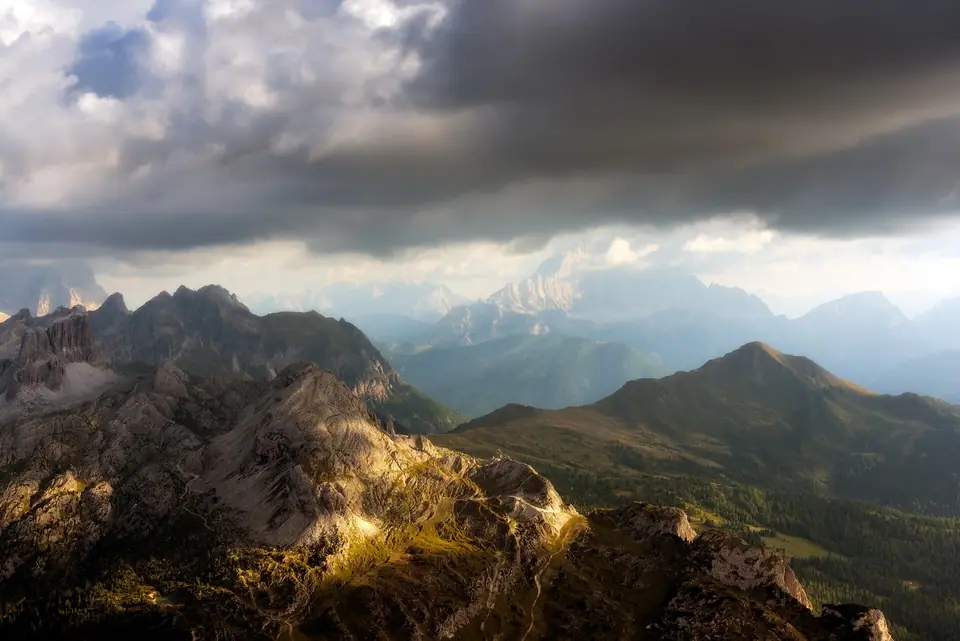
Photo: Fabrizio Lunardi · CC0
What to Pack for the Dolomites
Alpine layering, Category A/B scree boots, EN 958 via ferrata hardware, Lagazuoi headtorches, and rifugio liner rules.
Packing thoughtfully for high Dolomite ridges means dressing for dramatic vertical climate shifts rather than trusting mild morning patios down in valley squares. Gentle bright air around Bolzano hides biting chill waiting immediately beyond summit cable exits nearly three thousand metres above orchard gardens.
Compact modular layers keep daypacks flexible through passing alpine squalls while protecting stressed knees and delicate ankles over sharp shifting pale rubble. Organise hiking clothing steadily around weather function, firm foothold stability, and sudden moisture shelter rather than stiff heavy leisure wear.
Break in hiking boots gently on home gravel tracks well before tackling rocky descents out of mountain cols. Stiff new leather boots worn freshly across steep limestone grit often trigger sore heels long before afternoon cable rides back down. Carrying slim blister pads inside side pack pockets saves multi-day trail trips effortlessly.
Breathable collared shirts and wide sun hats preserve comfort across bare karst ridges offering minimal tree shade around lunchtime hours. Keeping waterproof trousers and light thermal gloves stuffed neatly at the top of daypacks cuts chilly fumbling whenever dark grey mountain gusts sweep rapidly across narrow exposed passes.
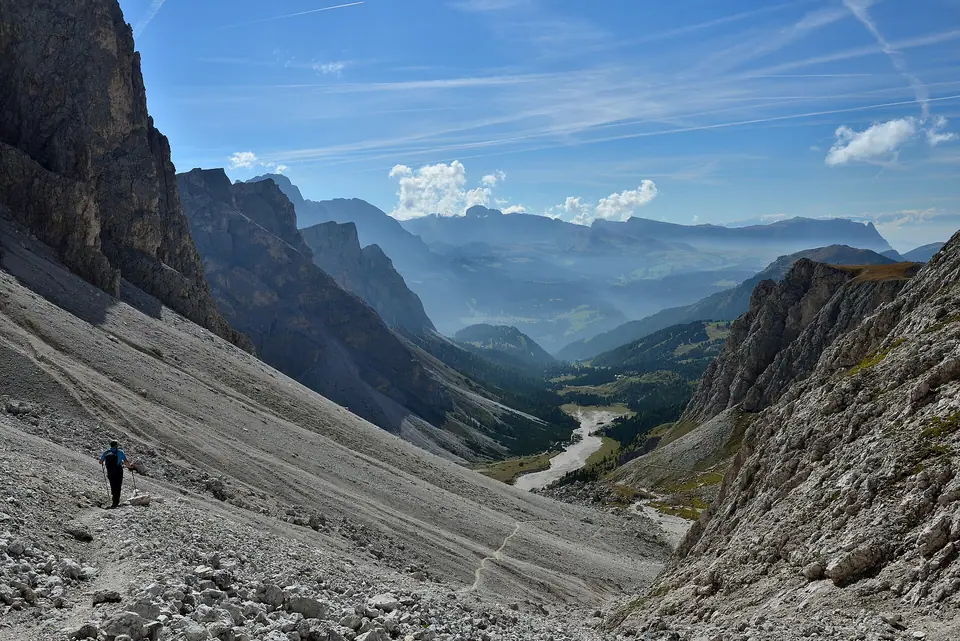
Alpine layering for sudden summit chills
Mountain air grows colder by roughly 6.5 °C across every 1,000 metres climbed steeply above valley stations. Riding lifts out of Bolzano (262 metres) or Cortina (1,224 metres) up toward windy Sass Pordoi (2,950 metres) drops readings dramatically. Reaching icy Punta Rocca atop Marmolada (3,265 metres) cuts eleven to eighteen degrees straight off valley cafés even during peak summer July afternoons.
Build daily trail kits using a nimble three-layer system instead of stuffing heavy winter coats into oversized backpacks. Wear breathable merino wool or smooth wicking synthetic base layers next to sweaty skin so crisp summit breezes never trigger sudden chills during scenic pauses; skip soggy cotton shirts and cold wet denim jeans altogether. Add an easy-pack thermal fleece or light baffled down layer below seam-sealed waterproof storm shells ready whenever dark thunderheads spill across exposed saddles (July marks 23.4 wet days and 189 millimetres of valley rain across Cortina).
Footwear and poles for sharp dolomite scree
Pale dolomite carbonate sheds sharp gravel resembling white marble chips along steep trail corners circling Tre Cime and upper rock stairs above Lago di Sorapis. Flat-soled urban trainers slip hazardously downward on loose pebble slides and invite sore rolled ankles across wet limestone ledges. Choose dependable mountain trail footwear matched clearly to steep scree trails.
- Choose Category A/B or B boots: Deep firm rubber-lugged mountain outsoles bite confidently onto pale gravel along Trail 101, airy cliff paths out to Cadini di Misurina (Trail 117), and damp wood steps beside Lago di Braies.
- Pack cushioned wool hiking socks: Seamless cushioned merino socks reduce hot heel friction along endless switchback climbs and stay comfortably insulating whenever chilly creek puddles soak lower laces.
- Carry foldable trekking poles: Telescoping rubber-tipped poles keep steadier balance and take painful load steadily off tired knees down relentless 500-to-900-metre stony drops off Forcella Lavaredo or gentle Seceda meadows.
- Slip in shoulder-season micro-spikes: Lightweight packable ice cleats (Grödel) anchor steady steps safely over dense June north snowdrifts or chilly October dawn frost sitting above 2,200 metres.
- Line packs with waterproof sacks: Sealed dry inner liners safeguard warm fleece pullovers, basic medical kits, and spare batteries whenever windblown sleet soaks external pack seams.
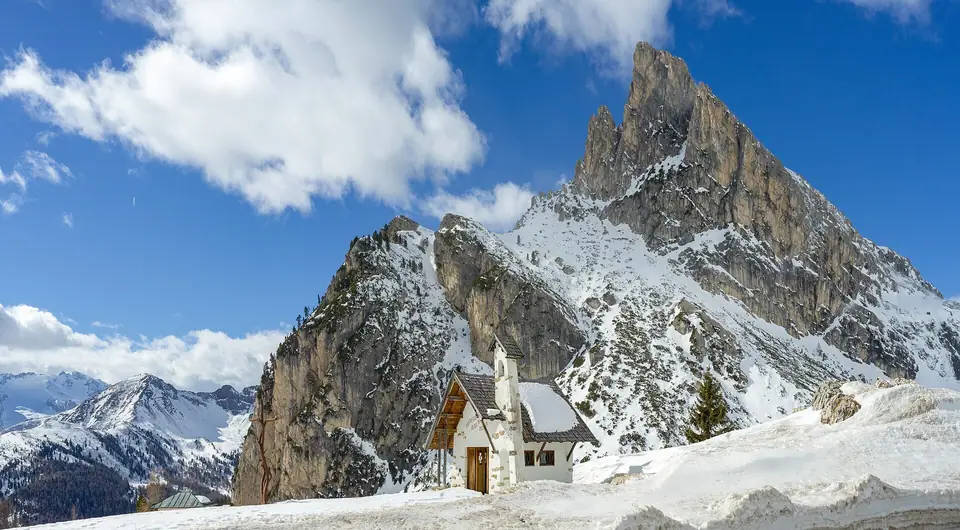
High-UV glare, wind protection, and daypack checklist
Clear thin air resting past 2,000 metres passes sharper ultraviolet radiation onto pale faces while sunlit grey cliffs bounce dazzling upward glare straight beneath flat cap brims. Pack wrap sunglasses, water-resistant sun cream, moisturising lip sticks, light wind gloves, and a warm fleece skullcap safely inside every morning rucksack even under cloudless pale mornings.
- Water bottles and trail fuel: Pack ample cold drinking water plus salty savoury snacks across arid karst benches lacking fresh springs between spaced valleys.
- Immediate storm access: Keep seam-taped waterproof shells, fleece mid-layers, thin gloves, and ear warmers near outer pack zips well before rising grey thermals build over lunchtime spires.
- Offline navigation and battery safety: Store offline trail routes cleanly beforehand together with compact battery power banks and simple safety whistles whenever sudden fog blurs trail blazes.
- Folded cash reserves: Carry crisp notes and euro coins securely inside zipped pouches for lofty huts whenever alpine thunder takes rural card systems offline suddenly.
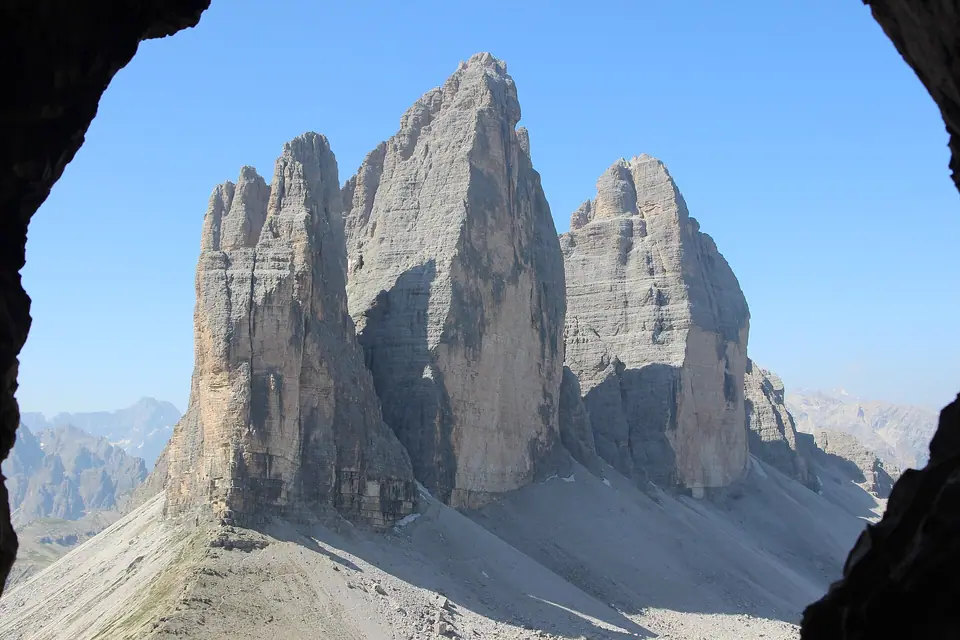
Hardware for via ferrata and Lagazuoi tunnels
Protected vertical steel ladders demand verified climbing equipment stocked neatly for daily counter hire across outdoor shops inside Ortisei, Selva, and Cortina. Improvised nylon straps lacking tear-webbing dampers shatter swiftly under heavy vertical tension and stay utterly prohibited from iron cables. Check every rental buckle, carabiner spring gate, and shock pouch thoroughly beside outfitter staff before departing village streets.
| Terrain Demand | Essential Safety Kit | Practical Field Reason |
|---|---|---|
| Protected Via Ferrata Iron Paths | EN 958 energy-absorbing twin-carabiner lanyard, UIAA climbing harness, certified helmet, grippy gloves | Shock absorber cushions vertical fall impacts; helmet stops pebbles knocked down from upper ledges |
| Galleria del Lagazuoi WWI Tunnel | High-lumen rechargeable headtorch, fleece mid-layer, grip gloves, lugged boots | 1,100 m interior stone staircase drips icy seepage water inside pitch-dark rock galleries |
| Overnight Alpine Rifugio Hut | Compact silk or cotton sleep liner (Hüttenschlafsack), quick-dry towel, earplugs, power bank, cash | Huts supply wool blankets so clean personal liners stay mandatory inside shared bunk dorms |
Mountain hut sleeping kits and pasture manners
Multi-day hut walkers hiking rugged CAI or AVS routes strip luggage carefully down to light dry shirts, cosy indoor wool socks, minimal toiletries, earplugs, compact lamps, and woven sleep-sack liners. Leave bulky wheeled suitcases down inside city lockers and review regional bus loading notes ahead of crisp village changes.
Across lush green valleys around Val di Funes and sweeping Alpe di Siusi pastures, walk peacefully strictly outside low wooden ranch railings. Growing tall summer meadows provide winter fodder for mountain cows and quickly turn muddy once casual guests trample tender grass seeking flattering hilltop photos.
Where it is
- 1Central Dolomites
- Treviso Airport (TSF) · about 102 km from the central Dolomites in a straight line
- Directions in Google Maps
Stations and taxi ranks: OpenStreetMap. Airports: OurAirports. Distances are in a straight line.
Traveller tips
Real advice from people who have been to the Dolomites. Every tip is read by our team before it goes live.
No tips yet. Been here? Yours could be the first.
Thank you! Your tip will appear here after a quick review.
More in the Dolomites
Continue exploring the Dolomites with related neighbourhood, food, and planning guides