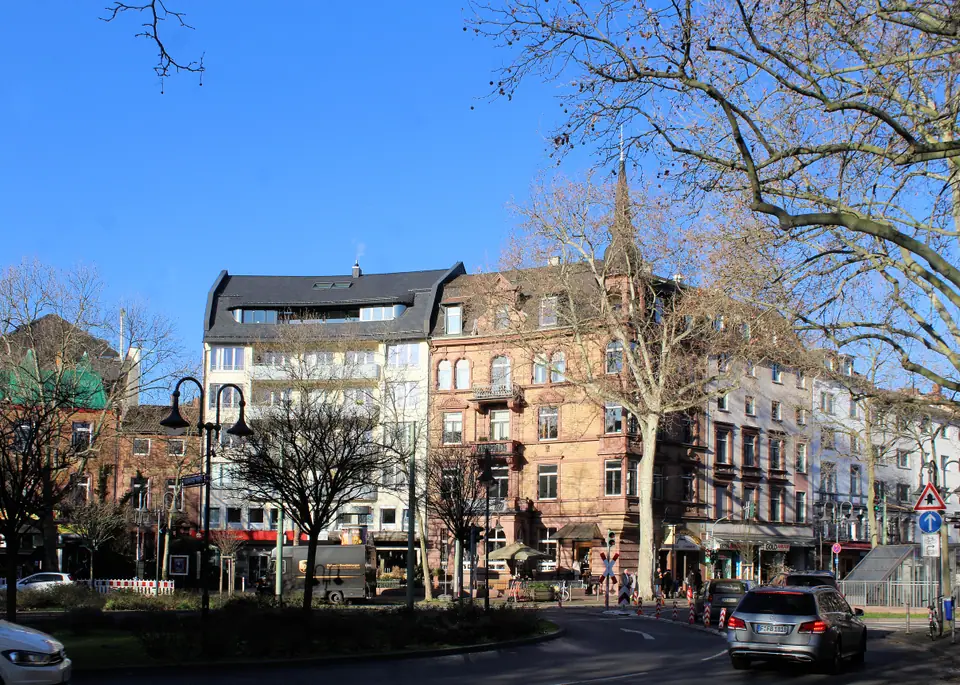
Photo: Dguendel · CC BY 3.0
Sachsenhausen, Nordend and the Station Edge: Base Guide
Balanced quarter-by-quarter guide to Frankfurt lodging covering Bahnhofsviertel realities, Sachsenhausen taverns, Nordend walk-ups and trade-fair overflow.
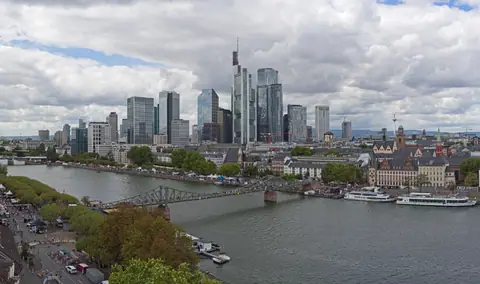
Picking the right district in Frankfurt depends far more on street character after dark than straight-line distance to monuments. Rapid U-Bahn and tram corridors link almost every inner postcode to the Römerberg quickly. Turning one quiet corner can still shift you from leafy neighbourhood bakeries into loud bars or raw street scenes, so checking postcodes pays off.
Compare your rail timetable, noise sensitivity and travel companions carefully across these six districts before locking non-refundable stays.
Bahnhofsviertel (60329): Station Convenience and Street Contrast
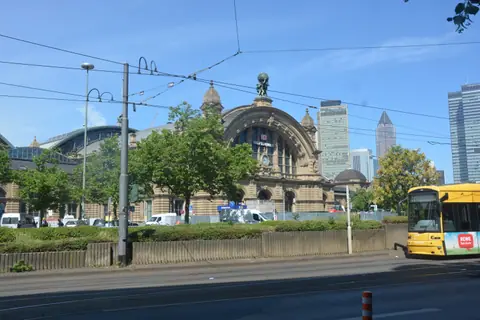
Built across a dense nineteenth-century grid east of Frankfurt Hauptbahnhof toward Willy-Brandt-Platz, Bahnhofsviertel holds the city's thickest concentration of hotels. Early rail departures, twelve-minute S8 and S9 airport links from Hauptbahnhof and forecourt trams keep business bookings steady here.
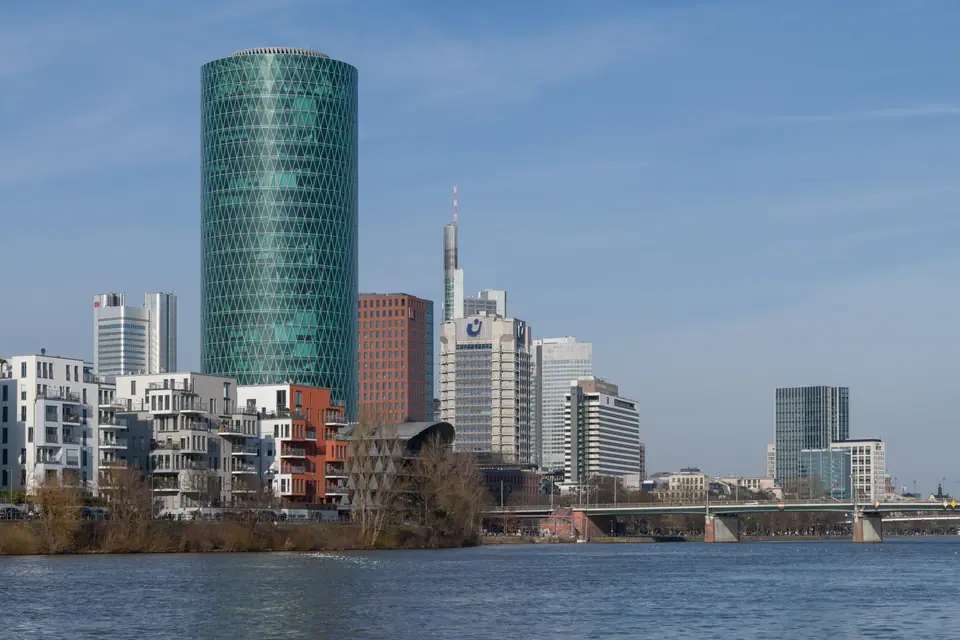
Kaiserstraße versus Side Streets
A dramatic street-by-street divide separates the main boulevard from parallel northern blocks. Broad Kaiserstraße carries handsome historicist facades, busy Asian kitchens, independent cafés and cocktail spots running smoothly toward Bankenviertel. Step one block north onto Taunusstraße, Moselstraße or Elbestraße, however, and you enter Frankfurt's concentrated open crack-cocaine, poly-drug and red-light district.
Random violent crime against visitors remains uncommon, kept down by visible police patrols and municipal harm-reduction rooms (Druckräume) under Frankfurt's long-standing Frankfurter Weg model. Even so, open drug use, aggressive begging and rough late-night scenes create an abrasive atmosphere, especially after dark or with children. Choose Bahnhofsviertel purely for tight train connections, and stick strictly to hotels fronting Kaiserstraße or the calmer eastern edge near Willy-Brandt-Platz.
Sachsenhausen (60594 / 60596): Riversides, Villas and Cider Lanes
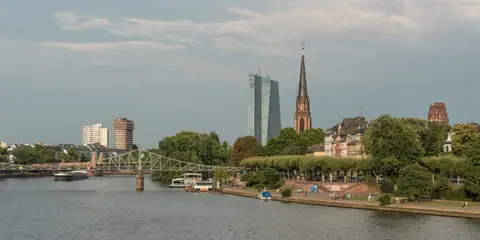
South across the Main lies Frankfurt's largest city district, splitting sharply between calm residential boulevards and energetic old tavern blocks. Leafy Schweizer Straße serves as Sachsenhausen-Nord's daily hub, packed with bakeries, corner shops, bookshops and U-Bahn lines U1, U2, U3 and U8 running swiftly toward Hauptwache. Two blocks north stretches the plane-tree promenade of the Museumsufer along Schaumainkai.
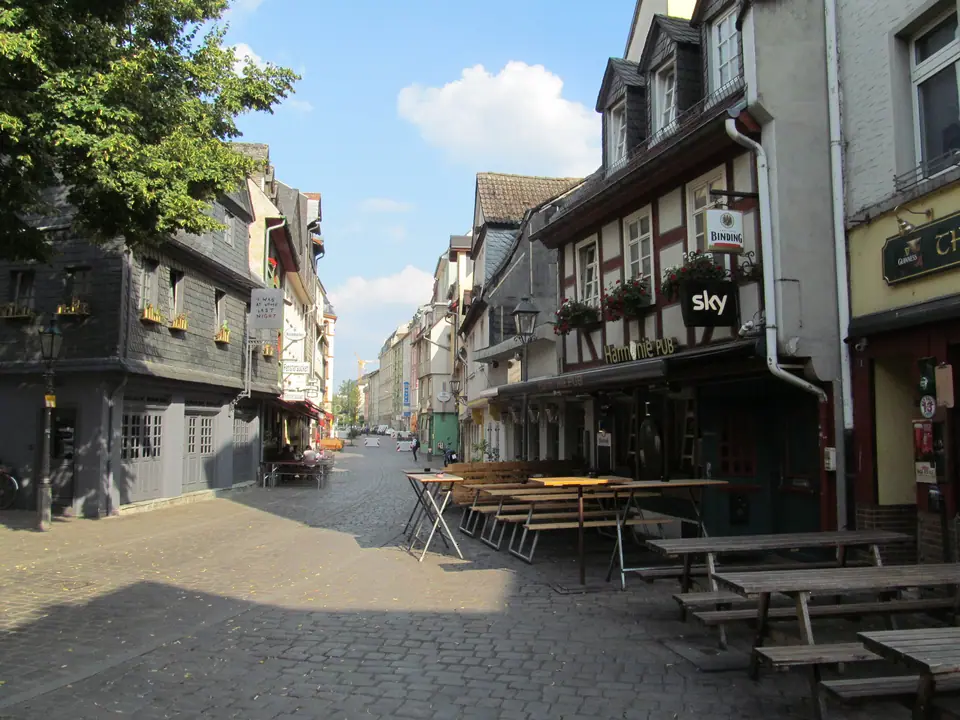
Sachsenhausen-Nord and Alt-Sachsenhausen Noise
Distinguish leafy Sachsenhausen-Nord from boisterous Alt-Sachsenhausen farther east before booking. Cobbled side streets like Klappergasse and Kleine Rittergasse echo late on Friday and Saturday nights as Apfelwein tavern crowds spill outside. Light sleepers wanting south-bank character do best near Schweizer Platz or in quiet rear courtyard bedrooms.
Nordend (60316 / 60318): Gründerzeit Streets and Coffee Roasters
North-east of Innenstadt stretches Nordend, one of Frankfurt's densest and most liveable residential quarters. Restored Gründerzeit stucco townhouses line quiet streets around Oeder Weg and U4 station Merianplatz. Small coffee roasters, bookshops and lively neighbourhood restaurants fill pavements without heavy business-tripper crowds. Hilltop Günthersburgpark opens calm green lawns above the rooftops. Families and long-stay guests appreciate the slower pace and easy tram links back downtown.
Nordend Walk-Ups and Building Access
Independent guesthouses and converted period apartments far outnumber big chain properties across Nordend. Since many protected nineteenth-century walk-ups lack lifts, check staircase access before booking. Verifying floor levels early saves heavy lifting with large luggage or child buggies.
Bornheim (60385): Village Spine Along Berger Straße
Continuing north-east past Nordend brings you to former village Bornheim. Pedestrian café stretches and traditional cider rooms anchor daily life along Berger Straße. Direct U4 trains run cleanly from Bornheim-Mitte back to Hauptbahnhof. Local dinner tables and corner bars feel calmer and easier on budgets than downtown business blocks.
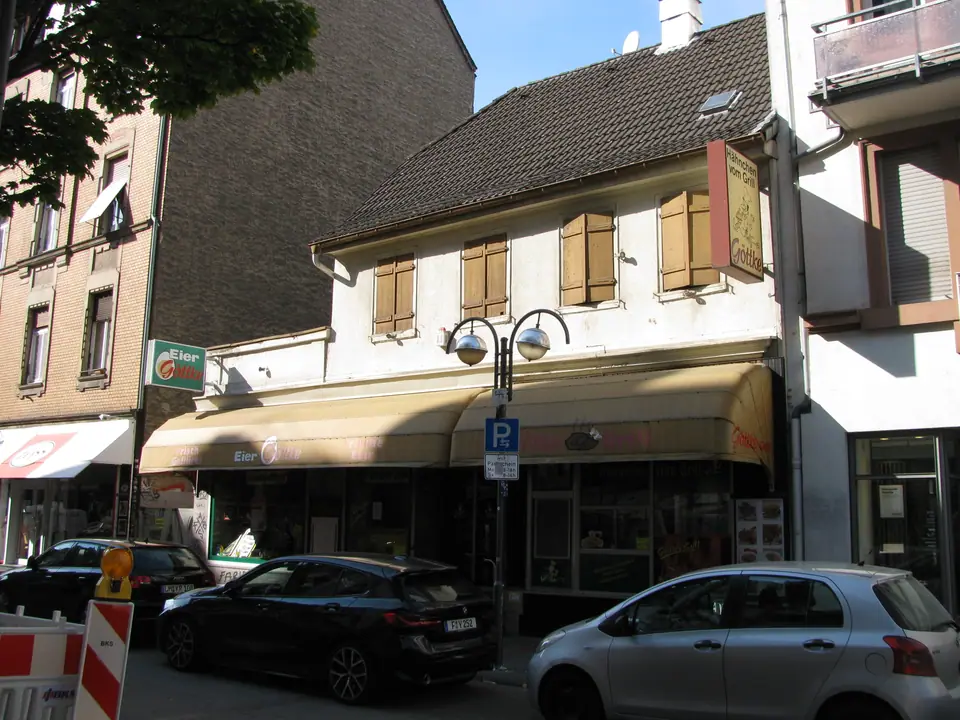
Middle Versus Upper Bornheim Rhythms
Lower and middle Berger Straße stay energetic with weekly markets, terraces and wine bars. Side streets rising toward Bornheimer Hang feel almost village-quiet after dinner. Walking uphill late at night takes patience, so verify nearby tram stops before picking upper hillside addresses.
Westend (60323 / 60325) and Innenstadt / Altstadt (60311 / 60313)
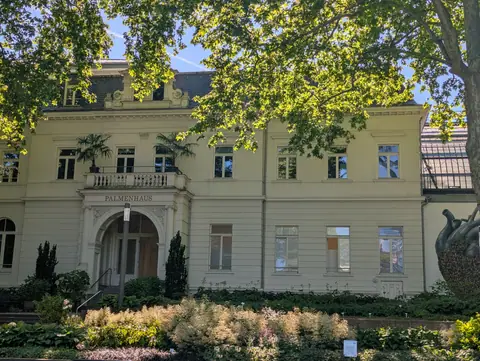
Westend sits peacefully between Palmengarten's 22 hectares, Grüneburgpark, the Messe Frankfurt halls and the western edge of the Bankenviertel skyline. Broad mansion streets stay calm overnight while U4, U6, U7 and trams 16 and 17 keep city journeys short. Business guests value its short walk to exhibition halls without the hubbub around Hauptbahnhof.
Eastward, Innenstadt and Altstadt centre on the Zeil, Hauptwache, Paulskirche and Römerberg. Museums and main sights sit right outside your lobby door. In return, these retail blocks grow unusually quiet once department stores lock up for the evening.
Trade-Fair Surges and Fair-Week Overflow Towns
Major international exhibitions inside Messe Frankfurt transform hotel availability across every inner postcode. Flagship events like February's Ambiente, Light + Building, Automechanika and October's Frankfurter Buchmesse book inner hotels months ahead. Standard nightly Messepreise rates climb steeply across central streets. When fairs squeeze supply, look along direct regional rail lines rather than isolated highway motels.
Checking Windows, Cooling and S-Bahn Overflow
Nearby Mainz, Wiesbaden and Offenbach hold steadier hotel rooms during peak trade weeks. Frequent RE2, RE3 and S8 trains return riders cleanly to Hauptbahnhof in 30 to 40 minutes. Staying out along commuter tracks often unlocks calm riverside squares and easier restaurant bookings after busy fair days. Direct commuter lines run early into central station concourses for morning convention sessions. Even during quiet winter weekends, central tram lines run late past residential windows. Wherever you sleep in town, ask for double-glazed windows along main streets and check lift access in older townhouses. Checking platform proximity saves dragging heavy bags across damp cobbles after late trains. Air cooling helps considerably during warm 26-degree summer afternoons noted in our city guide.
Where it is
- 1Frankfurt
- Frankfurt Main Airport (FRA) · about 13 km from Frankfurt in a straight line
- Directions in Google Maps
Stations and taxi ranks: OpenStreetMap. Airports: OurAirports. Distances are in a straight line.
Traveller tips
Real advice from people who have been to Frankfurt. Every tip is read by our team before it goes live.
No tips yet. Been here? Yours could be the first.
Thank you! Your tip will appear here after a quick review.
More in Frankfurt
Continue exploring Frankfurt with related neighbourhood, food, and planning guides