Photo: Maximilianvegas · CC BY-SA 4.0
Oliwa, Sopot, Malbork & Tricity Excursions
Day trips without a car: Oliwa Cathedral's 1763 organ and park, Sopot's 511.5-metre pier, Gdynia's Emigration Museum and UNESCO Malbork Castle.
Short answer: every headline excursion around Gdańsk connects directly by train or tram without a car. Suburban SKM rail reaches Oliwa Cathedral's rococo organ, Sopot's sandy wooden pier and Gdynia's historic ships inside half an hour. South-east across the Żuławy river plain, regional and Intercity trains pull directly into Malbork for its vast brick UNESCO castle in roughly 25 to 45 minutes.
Oliwa Cathedral and Adam Mickiewicz Park
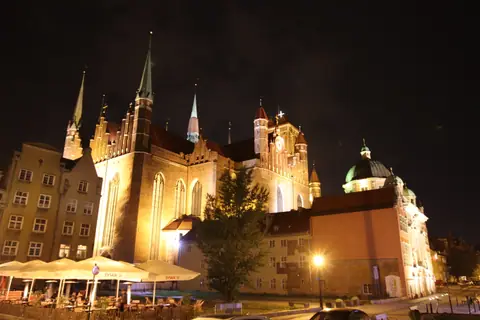
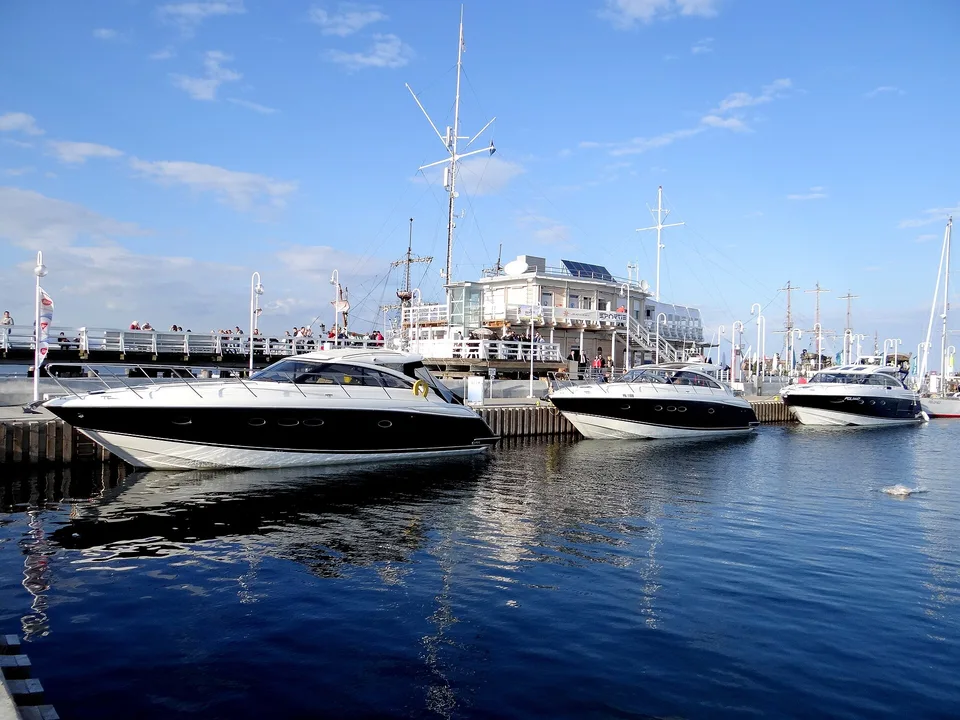
Sitting roughly 20 minutes north of central Gdańsk by Tram Line 6 or SKM rail to Gdańsk Oliwa, this tranquil district preserves a Cistercian abbey founded on 2 July 1186 by Duke Sambor the First. Following a severe 1577 fire, careful rebuilding between 1578 and 1583 left Oliwa Cathedral as one of Poland's longest medieval churches at 107 metres exterior length.
Time your arrival just ahead of regular 20-minute daytime organ demonstrations on the famous rococo pipe organ constructed between 1763 and 1788 by Johann Wilhelm Wulff. Expanded from 83 to 96 stops with 5,100 original wooden and tin pipes, its carved woodwork moves sculpted angels, stars and suns slowly while music echoes down the narrow white nave. Parish Catholic Mass services pause tourist organ demonstrations completely, so verify daily concert calendars on the official cathedral site before riding north solely for music. Step outside straight into clipped lawns, ponds and shaded avenues in Adam Mickiewicz Park (Park Oliwski), resting behind the Rococo Abbots' Palace modern art gallery and botanical glasshouses.
Sopot Beach and the 511.5-metre pier
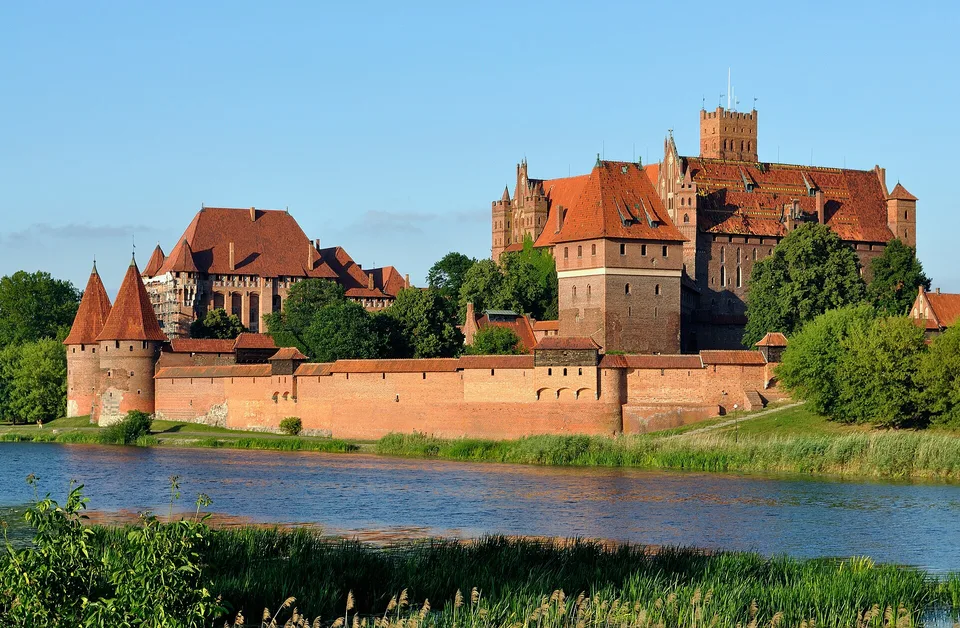
Two SKM commuter stops north of Oliwa lies Sopot, a breezy Baltic seaside town of around 35,049 residents that opened its first public sea-bathing bathhouse in 1819. Stroll straight down pedestrian Bohaterów Monte Cassino past the curved roofline of the Crooked House towards wide golden sand flanking Sopot Pier (Molo).
Measured at 511.5 metres following its major 1928 elongation from modest 1824 and 1881 wooden jetties, Sopot Pier ranks as Europe's longest wooden sea pier. Walking out above shallow Baltic swells looks back across the 1927 Kasino-Hotel facade of the Grand Hotel featured in our accommodation guide. Early mornings keep the timber deck peaceful before afternoon strollers arrive off the beach.
Gdynia Maritime Quay and Emigration Museum
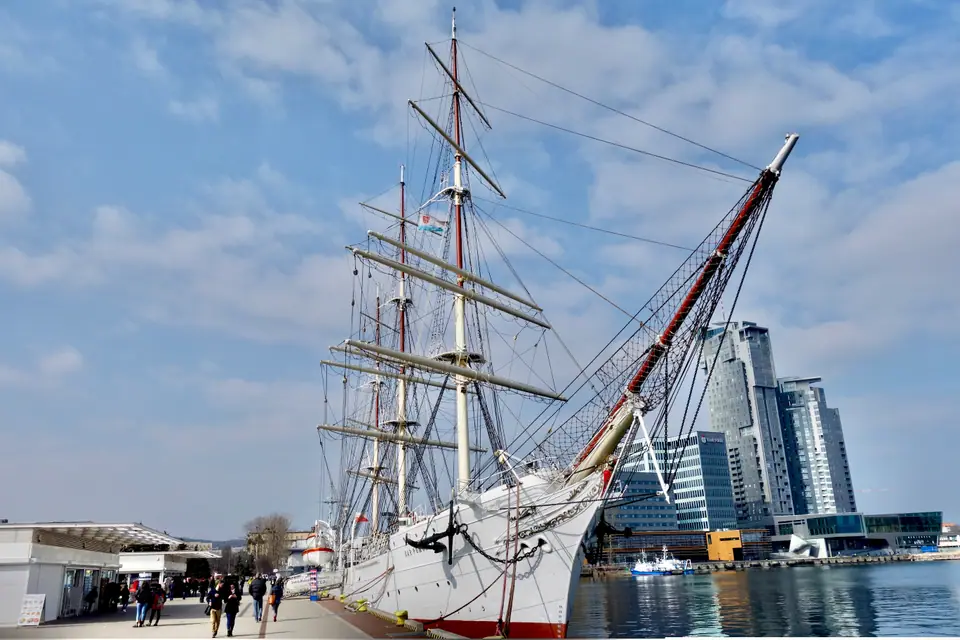
Ten minutes further north along the SKM track stands Gdynia, transformed during the 1920s from a small coastal village into interwar Poland's deepwater gateway port. Walk down from Gdynia Główna to Pomeranian Quay (Skwer Kościuszki) to tour two preserved museum ships moored side by side. Moored closest to the square floats the white 1909 three-masted sail frigate Dar Pomorza, maintained as a branch of the National Maritime Museum. Beside her rests the preserved 1937 destroyer ORP Błyskawica, recognised as the world's oldest surviving destroyer under Polish Naval Museum care.
Further north at the commercial pier stands the modernist 1933 Marine Station (Dworzec Morski), reopened in May 2015 as the Emigration Museum. Its galleries occupy the exact departure hall where ocean liners once embarked passengers bound for the Americas. Pair dockyard walks with fresh Baltic fish lunches recommended in our dining guide.
Malbork Castle across the Nogat
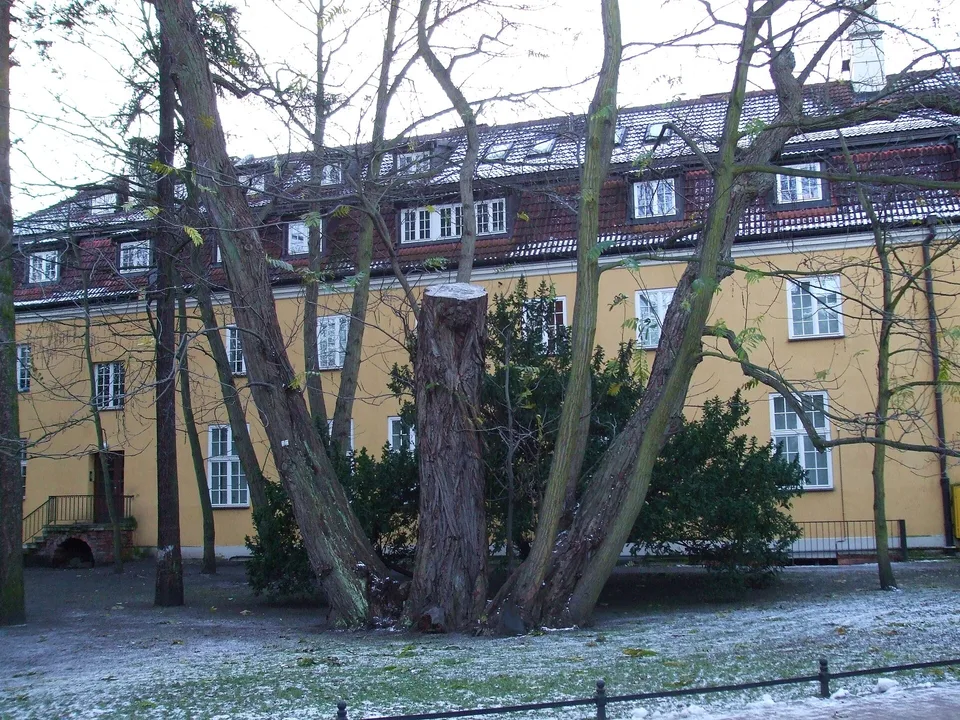
For Poland's monumental medieval brick stronghold, ride a southbound regional or Intercity train from Gdańsk Główny to Malbork, roughly 51 kilometres south-east across flat delta pastures on the Nogat river. Constructed between 1274 and 1406 by the Teutonic Knights as Marienburg, the complex served from 1309 to 1457 as headquarters of the Teutonic Order.
Inscribed by UNESCO in 1997 as the world's largest brick Gothic castle, the fortress encloses roughly 21 hectares inside outer ramparts and 18.038 hectares within its core boundary. Its defences divide across three wards: the Lower Castle service yard, the Middle Castle Grand Master's Palace and Great Refectory, and the austere High Castle keep. Severely scarred in 1945 fighting and a 1959 fire, restoration began in 1962 and culminated when its main church reopened in April 2016.
| Excursion stop | Rail line from Gdańsk Główny | Typical rail time | Recommended visit |
|---|---|---|---|
| Oliwa Cathedral & Park | SKM north or Tram Line 6 | 15 to 25 min | 2 to 3 hours |
| Sopot Pier & Beach | SKM Tricity commuter rail | Around 20 min | Half day |
| Gdynia Ships & Emigration Museum | SKM Tricity commuter rail | 30 to 35 min | Half day |
| Malbork Castle | PKP Intercity or Polregio south-east | 25 to 45 min | Half to full day |
Practical Malbork walking approach
Arriving at Malbork railway station drops you within a 15-minute level walk straight through town towards the red-brick castle moats. Plan your trip between Tuesday and Sunday when the full Historical Castle Route opens the Grand Master's Palace, Great Refectory, amber rooms and High Castle interiors across three to four hours with included audio narration. On Mondays, indoor historical chambers close completely and visitors follow only the outdoor Castle Grounds Route using complimentary tickets collected directly at the ticket office rather than online.
After finishing inside the courtyards, cross the Nogat pedestrian bridge opposite the western bastion walls for uninterrupted fortress reflections from the riverbank meadow.
Sequencing Tricity and castle days
Oliwa and Sopot blend effortlessly into one relaxed coastal day on a System FALA tap-card or integrated MZKZG pass detailed in our transport guide. Finish that coastal loop with sunset sand walks or an early dinner by Sopot Pier before riding back to central Gdańsk. Reserve Malbork Castle for its own dedicated day in clear weather, checking monthly rain patterns beforehand in our climate guide.
Where it is
- 1Oliwa, Sopot, Malbork & Tricity Excursions
- Gdańsk Lech Wałęsa Airport (GDN) · about 9 km from here in a straight line
- Directions in Google Maps
Stations and taxi ranks: OpenStreetMap. Airports: OurAirports. Distances are in a straight line.
Traveller tips
Real advice from people who have been to Gdańsk. Every tip is read by our team before it goes live.
No tips yet. Been here? Yours could be the first.
Thank you! Your tip will appear here after a quick review.
More in Gdańsk
Continue exploring Gdańsk with related neighbourhood, food, and planning guides