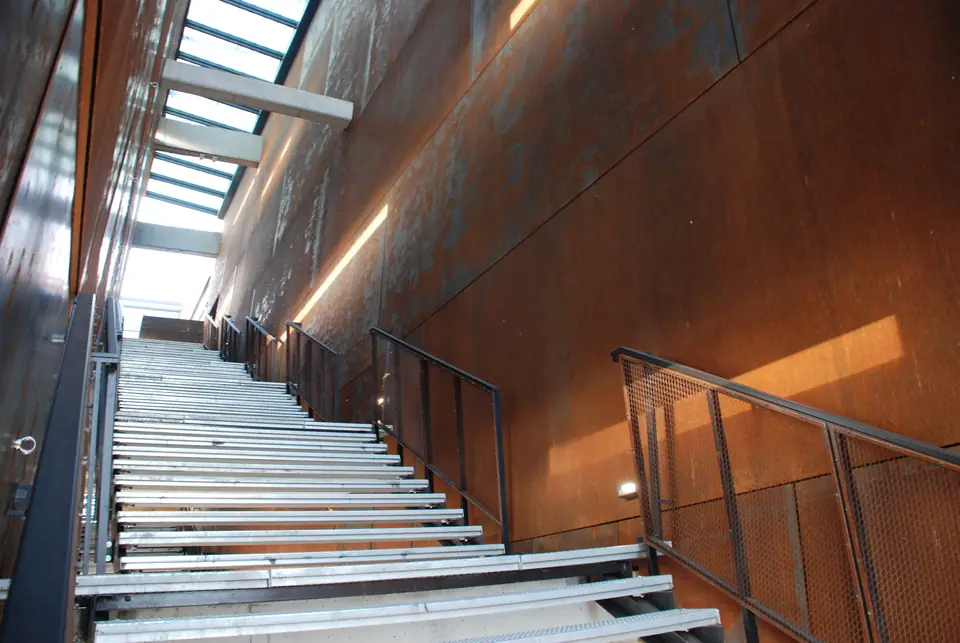
Photo: Justyna Malinowska · CC BY-SA 4.0
Solidarity, the Shipyard & European Solidarity Centre
August 1980 strike heritage at Gate No. 2 and Sala BHP, the 1970 Three Crosses Monument, the 2014 Corten-steel ECS museum and Young City cranes.
Short answer: allow two to three unhurried hours for the Gdańsk Shipyard quarter just north of Gdańsk Główny station. Begin beneath the three 42-metre steel crosses on Solidarity Square, stand outside Gate No. 2 and Sala BHP where the August 1980 accord was signed, walk through the rust-steel European Solidarity Centre and stroll out beneath the preserved Young City dockyard cranes.
From 1970 protests to August 1980
Modern Polish and European history pivots around the iron gates of the former Lenin Shipyard in Gdańsk. In December 1970, steep state food-price rises sparked worker marches across Baltic port towns, answered by lethal gunfire outside the shipyard walls. Ten years later, veteran crane operator and union co-founder Anna Walentynowicz was dismissed on 7 August 1980 just five months before her retirement. Fellow workers launched an occupation strike on 14 August led by Lech Wałęsa.
Inside the yard's red-brick assembly hall known as Sala BHP (the Health and Safety Hall), the Inter-factory Strike Committee posted 21 demands. Reinstating Walentynowicz topped the list, followed by the right to form independent trade unions. Nationwide sympathy strikes soon compelled Deputy Prime Minister Mieczysław Jagielski to negotiate with Lech Wałęsa inside Sala BHP. Their Gdańsk Agreement signed on 31 August 1980 created Solidarity (Solidarność), the first independent mass trade union inside the Eastern Bloc.
Gate No. 2 and the Three Crosses Monument
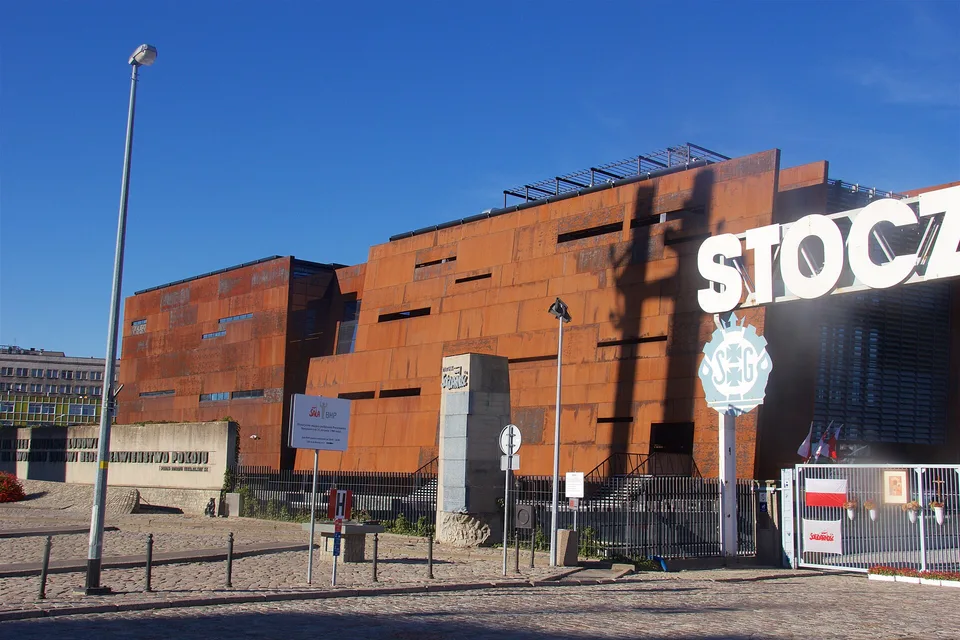
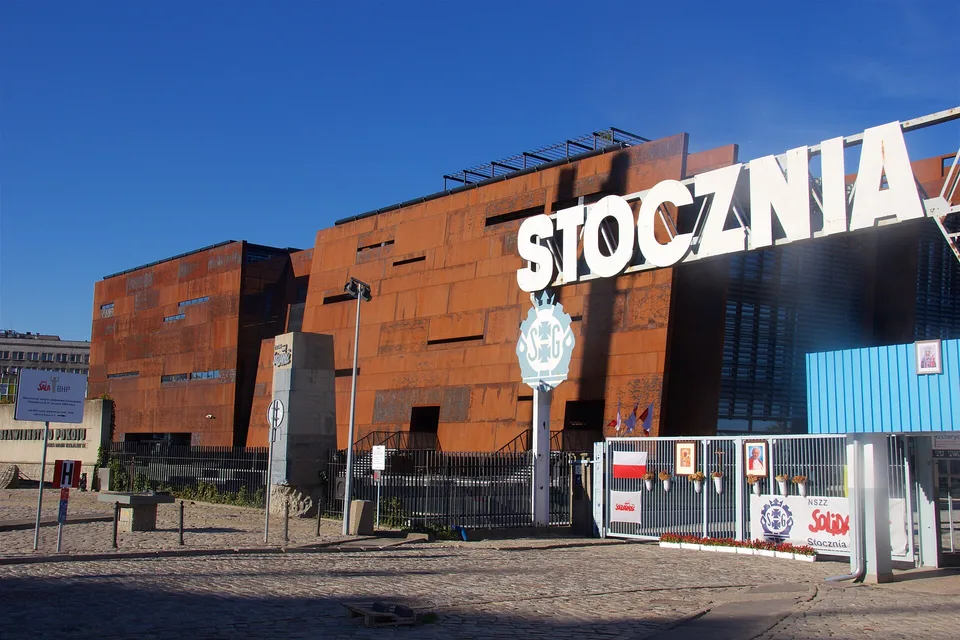
Immediately outside historic Gate No. 2, still crowned with its red shipyard lettering and copies of the 21 demands, stands the Monument to the Fallen Shipyard Workers of 1970. Unveiled on 16 December 1980 after determined civic pressure, its three steel crosses rise 42 metres high and weigh roughly 36 tonnes apiece. Suspended bronze ship anchors hang across each cross in memory of dockworkers killed in December 1970.
Pause along the quiet brick wall engraved with lines by poet Czesław Miłosz and fresh memorial wreaths laid year-round. Walk under the gatehouse lettering onto the open square towards the main museum complex introduced in our main sights guide.
Inside the European Solidarity Centre
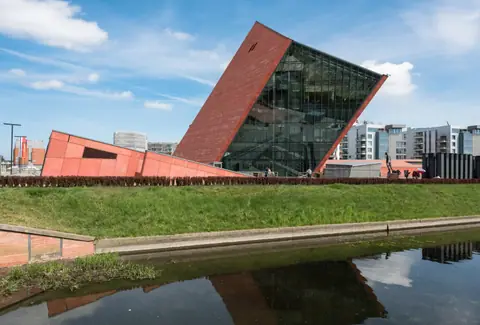
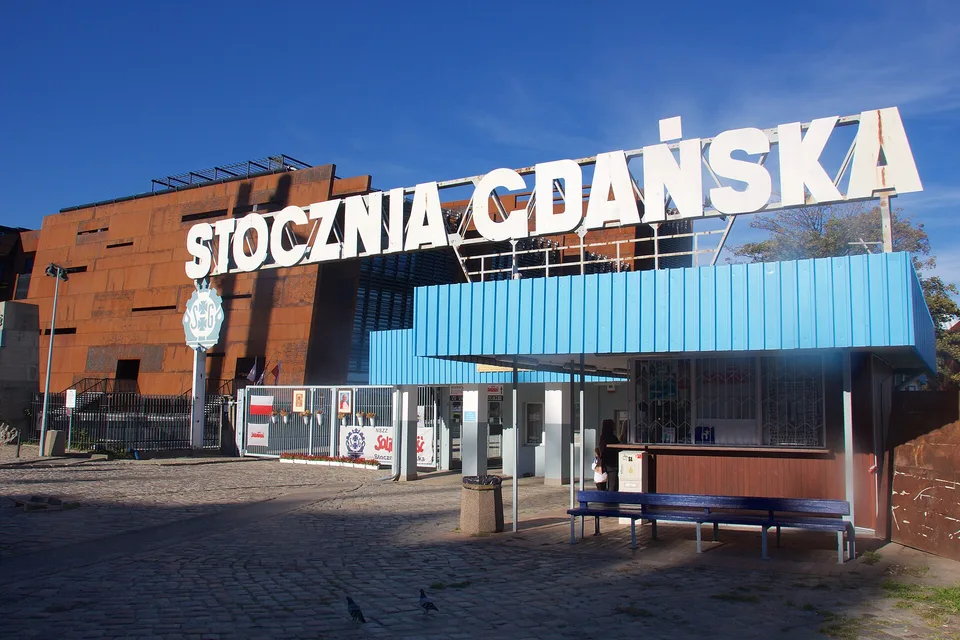
Designed by Gdańsk practice FORT Architects after a 2007 international competition, the European Solidarity Centre (Europejskie Centrum Solidarności, ECS) opened on 31 August 2014. Built with municipal and European Union co-financing, its slanted Corten-steel exterior recalls weathered ship hulls resting inside dry docks. Inside, visitors step freely into a sunlit indoor winter garden, specialist bookshop, public reading archive and children's Play Department before buying tickets for the main galleries.
The permanent exhibition, Roads to Freedom, runs chronologically across seven detailed rooms holding roughly 2,000 archival items, photographs and film recordings. Standout artefacts include the original wooden plywood boards carrying the handwritten 21 demands, inscribed on UNESCO's Memory of the World register. Nearby stand clandestine underground printing presses, worker helmets and Anna Walentynowicz's crane cab. Clear multilingual audio guides accompany every entry ticket, helping English-speaking visitors navigate Martial Law (1981 to 1983), underground samizdat journals and the peaceful 1989 Round Table talks.
| Site milestone | Key date or dimension | Role in visitor route |
|---|---|---|
| Gdańsk Agreement signed | 31 August 1980 in Sala BHP | Created the independent Solidarity union |
| Three Crosses Monument unveiled | 16 December 1980; 42 m height | Honours shipyard victims of December 1970 |
| ECS building inaugurated | 31 August 2014; ~2,000 exhibits | Permanent exhibition and viewing terrace |
Rooftop panoramas and Sala BHP
Ride the lift straight up to the ECS observation roof deck once you leave the seventh gallery. From its timber walkway, remaining steel gantry cranes, slipways and nineteenth-century brick halls of the Imperial Shipyard (Stocznia Cesarska) align crisply back towards the medieval tower of St. Mary's Basilica.
Back at street level, follow marked heritage signs across the plaza into the preserved Sala BHP hall itself. Completed in its current red-brick form in 1902 as a Prussian Imperial Shipyard torpedo assembly warehouse, its exterior still retains faint historical German lettering beside modern plaques. Stepping inside lets you view the exact negotiation room where August 1980 strikers faced government ministers across long wooden tables, surrounded by preserved shipyard banners and strike archive photographs.
Young City dockyards after hours
Beyond Sala BHP, the self-guided Imperial Shipyard Route connects around 13 marked heritage points past historic administrative halls, dry docks, boiler houses and early twentieth-century brick workshops. Continuing north towards the port basins brings you into the post-industrial waterfront hubs of Ulica Elektryków and the 100cznia container yard. Painted shipping containers host outdoor film screenings, live concerts and casual street food covered in our Gdańsk dining guide, turning working dockyards into an inviting evening hub.
Timing and pairing with WWII history
Solidarity Square lies under 10 minutes on foot from Gdańsk Główny station or one quick tram stop along Jana z Kolna towards the waterfront. Arriving right near morning opening beats large school tours inside tighter strike galleries, leaving unhurried space to read translated archive captions across Roads to Freedom and pause in the ground-floor winter garden. Always check seasonal opening hours and winter maintenance closures on the official ECS calendar ahead of your visit. Avoid scheduling the European Solidarity Centre and the Museum of the Second World War immediately back-to-back without a real break, saving Westerplatte and the WWII Museum for another day.
Where it is
- 1Solidarity, the Shipyard & European Solidarity Centre
- Gdańsk Lech Wałęsa Airport (GDN) · about 12 km from here in a straight line
- Directions in Google Maps
Stations and taxi ranks: OpenStreetMap. Airports: OurAirports. Distances are in a straight line.
Traveller tips
Real advice from people who have been to Gdańsk. Every tip is read by our team before it goes live.
No tips yet. Been here? Yours could be the first.
Thank you! Your tip will appear here after a quick review.
More in Gdańsk
Continue exploring Gdańsk with related neighbourhood, food, and planning guides