Photo: Diego Delso · CC BY-SA 3.0
What to Eat in Gdańsk: Markets, Milk Bars & Coastal Dishes
Bar Mleczny Neptun on Długa, the 1896 Hala Targowa market hall, Baltic herring, pierogi, sour rye żurek and Danziger Goldwasser herbal liqueur.
Short answer: balance classic Polish milk bars and historic market browsing with waterfront Baltic fish houses. Order homestyle pierogi ruskie and potato pancakes at historic Bar Mleczny Neptun on Długa Street. Try cured Kashubian herring with dark rye bread, browse the 1896 Hala Targowa market hall, and finish dinner with spiced Danziger Goldwasser flecked with real gold leaf.
Bar Mleczny Neptun and Polish milk bars
Poland's cafeteria-style milk bars (bary mleczne) trace their roots to 1896 before serving as everyday workers' canteens throughout the post-war era. Today they run on fast counter queues, homestyle cooking and plain shared tables where students, pensioners and travellers sit side by side. Right on central Długa Street at number 33/34 near Neptune's Fountain, Bar Mleczny Neptun serves simple homestyle lunches every day without advance reservations or glossy tourist menus.
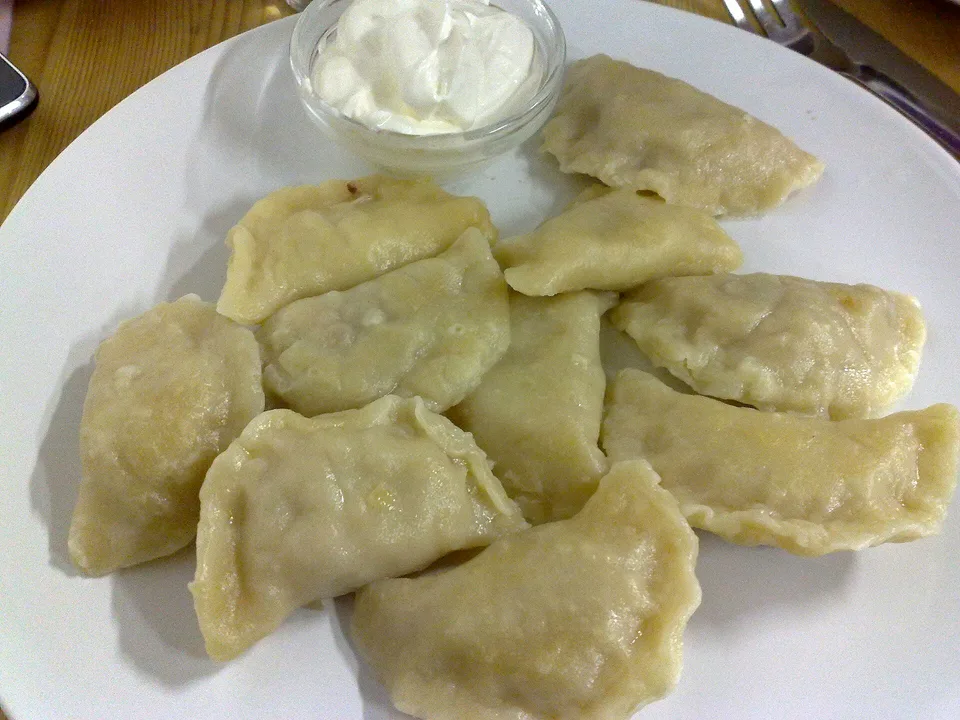
Ordering follows a crisp pattern with no table service. Start by reading the chalkboard menu, pay at the cashier desk and carry your printed slip to the kitchen hatch. Popular staples include clear beetroot barszcz, tart cucumber soup (zupa ogórkowa) and handmade pierogi ruskie stuffed with potato and cottage cheese. Round out the tray with crisp potato pancakes (placki ziemniaczane) and a glass of stewed fruit kompot.
Hala Targowa at Dominican Square
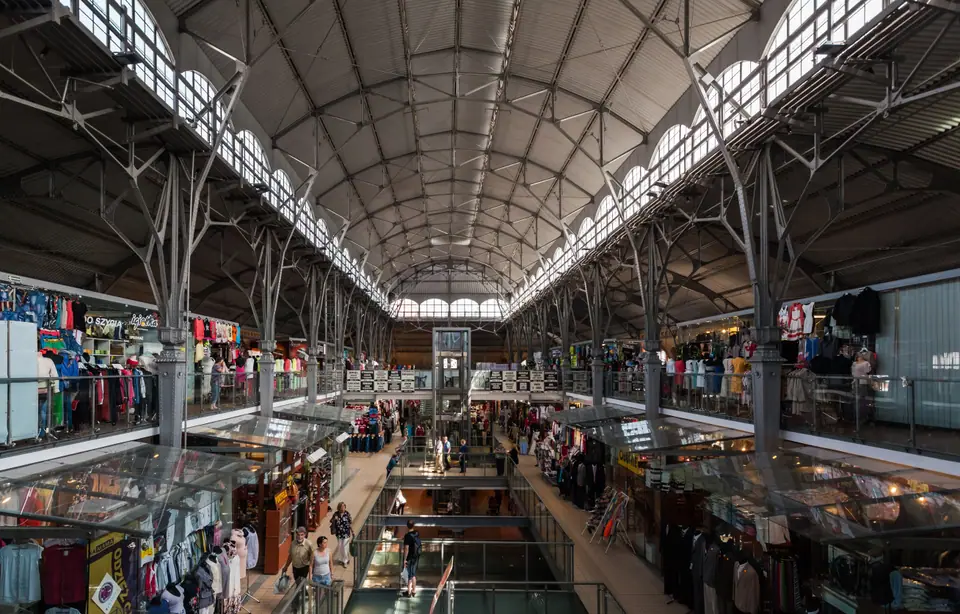
Beside intact St. Nicholas' Basilica on Plac Dominikański rises Gdańsk's red-brick Municipal Market Hall (Hala Targowa), officially opened on 3 August 1896 to a Neo-Gothic cast-iron plan by Kurt Fehlhaber to unify street vending indoors. Its arched iron truss roof houses an unexpected historical layer underneath modern market stalls. Archaeological excavations uncovered preserved Romanesque brick church cellar walls from Gdańsk's earliest medieval settlement, open to view inside its basement display room.
Ground-floor stalls sell fresh seasonal berries, dried woodland mushrooms, pickled cucumbers, smoked cheeses and cut flowers throughout the morning. Upstairs counters pour coffee and casual daytime plates, making it a smooth lunch stop between St. Mary's Basilica and the Great Mill Amber Museum.
Kashubian herring and Baltic catches
Coastal Pomerania draws heavily on cold Baltic waters, turning marinated herring (śledź) into an essential regional starter. Traditional Kashubian-style herring (śledź po kaszubsku) cures salt fillets gently in vinegar before layering them with sautéed onion, tomato purée, raisins, allspice and marjoram. Eat it chilled over dark rye bread with mustard or sour cream.
Harbourside dining rooms near the Motława quay regularly cook Baltic cod (dorsz), crispy fried flounder (flądra), fried Baltic sprats and creamy fish soup (zupa rybna). Coastal fish shacks (smażalnie ryb) up the rail line in Brzeźno and Sopot and Gdynia focus heavily on pan-fried fillets served straight from the griddle with crisp shredded sauerkraut salad (surówka). Pick busy kitchens displaying short daily catch boards rather than empty multi-language patio traps along Długa Street.
Sour rye żurek and cold-weather classics
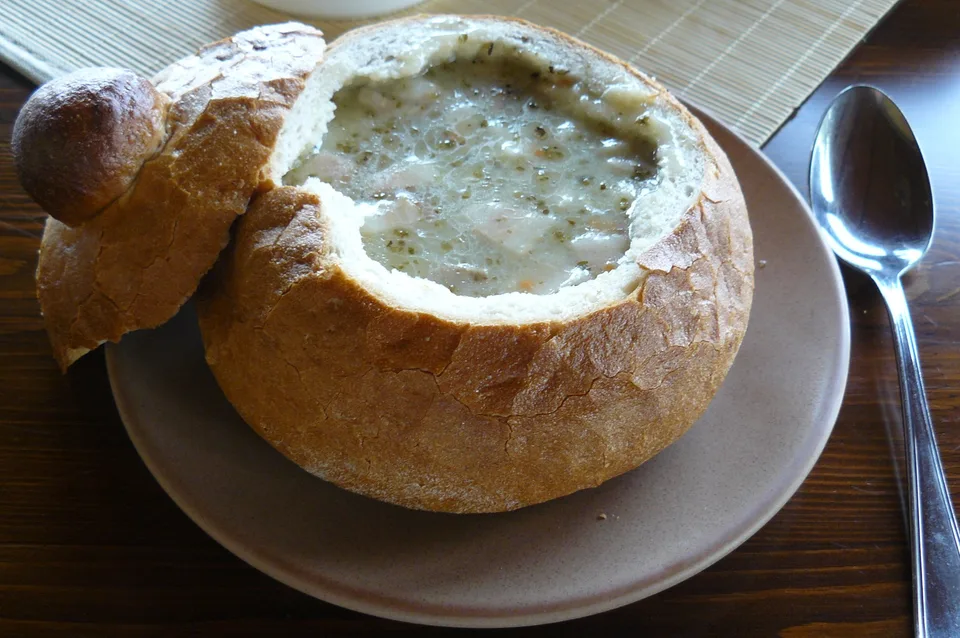
When Baltic winds sharpen in autumn or winter, covered in our seasons guide, Gdańsk kitchens turn towards slow-cooked broths and braised cabbage pots. Begin with żurek: a tangy fermented rye-flour soup seasoned with garlic and marjoram, simmered with smoked white sausage and halved egg, often ladled inside a hollowed crusty bread loaf.
- Bigos: Rich hunter's stew uniting sauerkraut, shredded fresh cabbage, dried woodland mushrooms, prunes and slow-braised pork.
- Flaki: Peppery beef tripe soup lifted with freshly grated nutmeg, ginger and dried marjoram.
- Pierogi with meat or cabbage: Boiled or pan-browned dumplings packed with roasted pork, or sauerkraut with forest mushrooms.
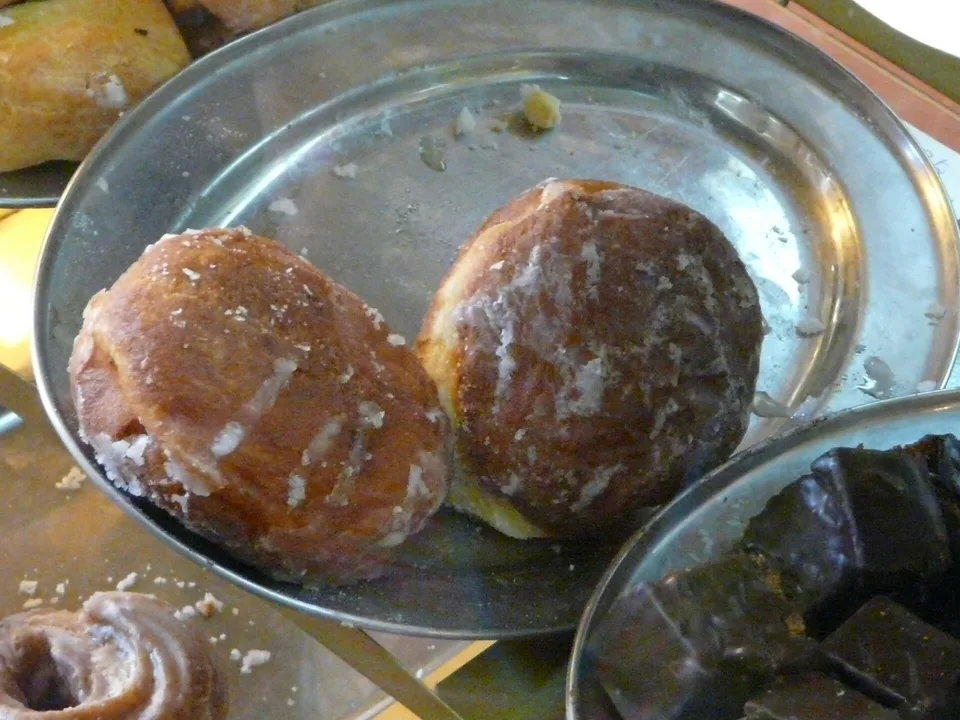
- Pączki: Pillowy deep-fried yeast doughnuts glazed and piped with wild rosehip jam, devoured across bakeries every Fat Thursday (Tłusty Czwartek).
Goldwasser and amber tinctures
Gdańsk's signature spiced herbal digestif dates back to 6 July 1598, when Dutch-born Mennonite distiller Ambrosius Vermeulen obtained Gdańsk citizenship. He later founded the celebrated Der Lachs ("The Salmon") distillery on Breite Gasse, modern Szeroka Street. Goldwasser infuses roughly twenty botanicals including cardamom, cinnamon, cloves, coriander, juniper, lavender and thyme inside a brisk 40 per cent spirit holding suspended 23-karat gold leaf flakes.
Although commercial bottling moved to Germany in 1971, historic dining rooms around Szeroka and the Motława quay still pour chilled glasses beside sweet amber-infused bursztynówka bitters.
Shipyard food yards and evening spots
For relaxed modern evenings away from historic cellars, ride north past the Gdańsk Shipyard gates to 100cznia and Ulica Elektryków. Converted shipping containers serve street tacos, wood-fired pizza, craft beer and coastal snacks beneath towering shipyard cranes. Across the Motława footbridge, Granary Island bistros serve calm seated waterfront dinners facing back towards the Crane. Across the water and out in Wrzeszcz, independent bakeries pour afternoon coffee beside warm Polish cheesecake (sernik) and layered apple pie (szarlotka).
Market hours and dining rhythm
Plan meals around Gdańsk's distinct daytime and evening food schedules rather than arriving everywhere late. Milk bars hit full stride around the traditional midday Polish dinner (obiad), serving hearty potato dumplings (kopytka), braised meat cutlets and vegetable soups before hot trays run dry ahead of closing. Hala Targowa stalls likewise follow daytime trading ahead of relaxed waterfront dinners around Long Market. Remember that national Sunday retail trading laws close major supermarkets across Poland, keeping neighbourhood bakeries, cafés and restaurants busy instead.
Where it is
- 1Gdańsk
- Gdańsk Lech Wałęsa Airport (GDN) · about 12 km from Gdańsk in a straight line
- Directions in Google Maps
Stations and taxi ranks: OpenStreetMap. Airports: OurAirports. Distances are in a straight line.
Traveller tips
Real advice from people who have been to Gdańsk. Every tip is read by our team before it goes live.
No tips yet. Been here? Yours could be the first.
Thank you! Your tip will appear here after a quick review.
More in Gdańsk
Continue exploring Gdańsk with related neighbourhood, food, and planning guides