





Istanbul Travel Guide: What to Know Before You Go
Istanbul looks overwhelming on a map. It sprawls for over fifty kilometres along both shores of the Bosphorus, and a first-time visitor can easily spend half the trip in traffic. The good news is that almost everything you came for sits in a small area, and most of it is connected by tram and ferry.
How the city fits together
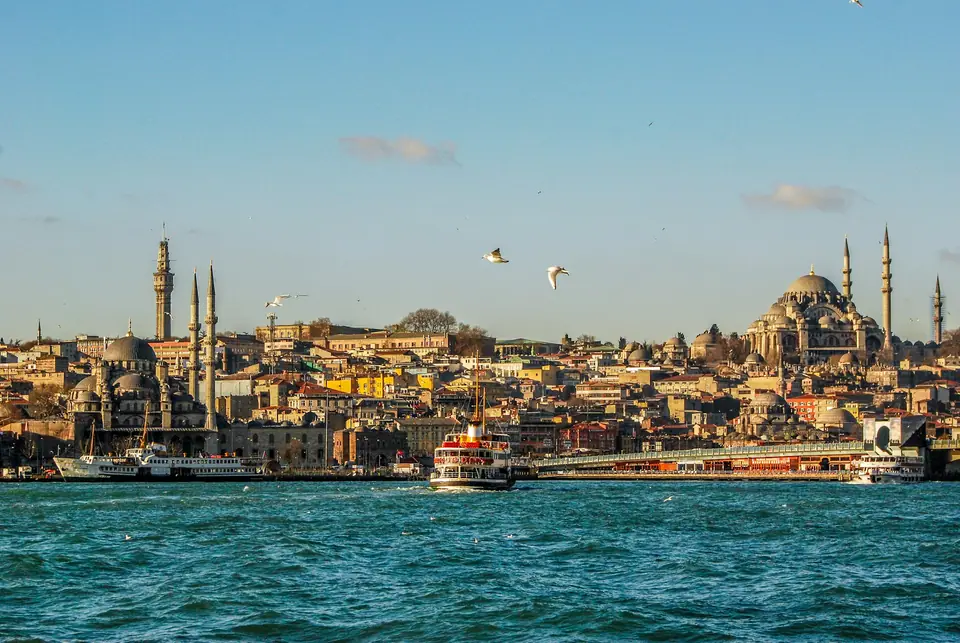
The historic peninsula is the old city: Sultanahmet with Hagia Sophia and Topkapı, the Grand Bazaar, Süleymaniye and Eminönü by the water. Across the Golden Horn, reached over the Galata Bridge, are Karaköy, Galata and Beyoğlu, the 19th-century European quarter with İstiklal Avenue running along its ridge. East of both, across the Bosphorus, is the Asian side, where Kadıköy and Üsküdar are twenty minutes away by ferry. Think of the ferries as part of the transport system, not a tourist extra.
Closing days and prayer times
Plan your days around a few fixed points. Topkapı Palace is closed on Tuesdays, Dolmabahçe Palace on Mondays, and the Grand Bazaar on Sundays and throughout the religious holidays. Mosques stay open to visitors all week but close to them for a short time around each of the five daily prayers, and for longer at Friday midday. Hagia Sophia now works differently from other mosques, with a ticketed gallery route for foreign visitors, which our Hagia Sophia guide explains. Hours change by season, so check the official site of each place before you go.
Money and tipping
The currency is the Turkish lira, and prices change quickly, so any figure you read in an older guide is out of date. Cards are accepted in most shops, restaurants and hotels. Keep some cash for simit sellers, small cafés, public toilets and tips. In restaurants, leaving around five to ten percent is normal when service isn't already on the bill. For taxis, round up.
Etiquette and scams
In mosques, take your shoes off at the door, women cover their hair, and nobody walks in front of someone who is praying. A "merhaba" (hello) and "teşekkürler" (thanks) go a long way. Being offered tea in a shop is ordinary hospitality, not a commitment to buy.
The classic scams are old but still around. A shoe-shine man drops his brush in front of you, you pick it up, and he insists on polishing your shoes for a fee. Around Taksim, friendly strangers suggest a drink at a bar they know, and the bill is enormous. Taxis should run the meter (taksimetre). Hailing one through the BiTaksi app avoids most arguments.
Plugs are the European two-pin type, 230V. Tap water is treated, but most locals drink bottled or filtered water, and you'll probably want to do the same. The street cats are everywhere, well fed, and part of the city's identity.