








Grand Bazaar Guide: A Route, Bargaining and What to Buy
The Grand Bazaar, Kapalıçarşı in Turkish, began soon after the conquest of 1453 as a single domed warehouse for valuables. It grew into sixty-odd covered streets and several thousand shops, and it's still a working market where Istanbul's gold trade does much of its business. It's closed on Sundays and throughout the religious holidays.
Two hours is enough for a first look. Go in the morning, before the tour groups, and don't try to see all of it.
A route through the bazaar
Get off the T1 tram at Beyazıt. Before you go in, walk through the Sahaflar Çarşısı, the old booksellers' courtyard next to the Beyazıt Mosque, with its shaded plane tree and stalls of prints and old maps. Enter at the Beyazıt Gate and follow Kalpakçılar Caddesi, the main street, lined with jewellers' windows and signs for gold rates.
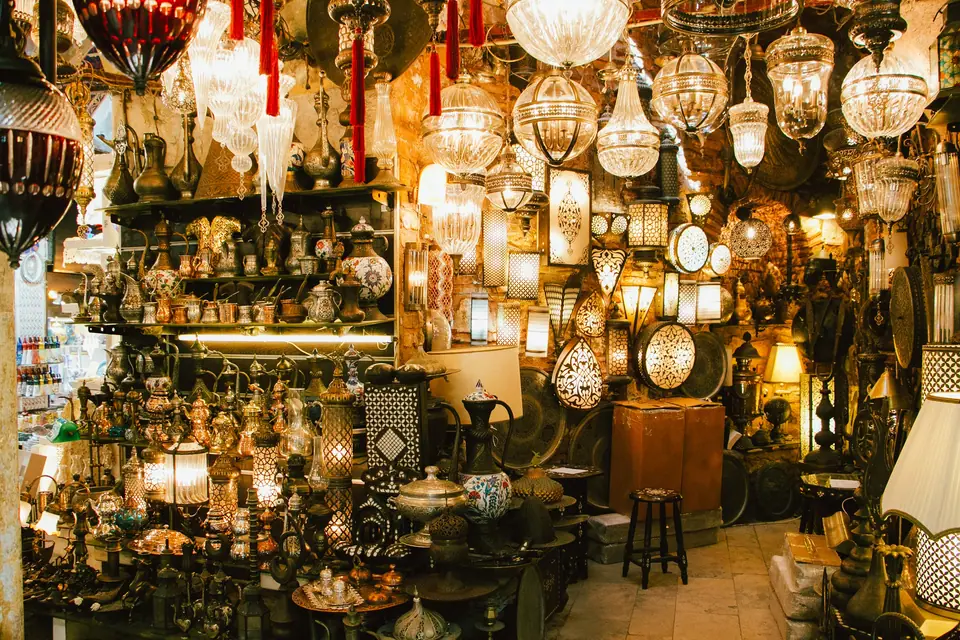
Halfway along, turn into the Cevahir Bedesteni, the original 15th-century core. It's darker and quieter, full of antiques, old silver, copper and Ottoman coins. Then drift through the side streets: one for leather, one for lamps, one for carpets. Look up now and then at the painted vaults.
Come out on the north-east side and walk down Mahmutpaşa Yokuşu, a steep, packed street where Istanbul families buy wedding dresses, bedding and kitchenware. Things get cheaper and noisier the further down you go. At the bottom you reach the Spice Bazaar and the water at Eminönü, which is where our three-day itinerary picks up.
How to bargain
Only start if you're ready to buy. In shops without price tags, ask, offer somewhat less, and meet somewhere in the middle. A cup of tea while you look is normal hospitality and doesn't oblige you to anything. If the price doesn't move, thank them and walk out. The same thing is almost always two doors down. Carpets are a separate game: know what you want and what you'd pay before you step inside.
What to buy, and what to skip
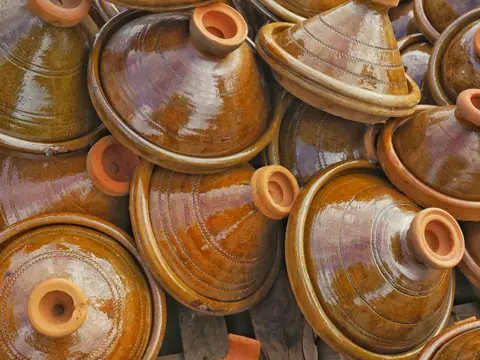
Buy: a peştemal, the thin, fast-drying cotton towel used in hamams, handy as a beach towel or scarf. Hand-painted ceramics, mostly from Kütahya. Copper coffee pots, mosaic glass lamps, and gold if you know the day's rate.
Skip: fake designer bags, loose "saffron" at the entrances, and lokum in gift boxes. For Turkish delight and spices, the shops around the Spice Bazaar are better and cheaper.