


























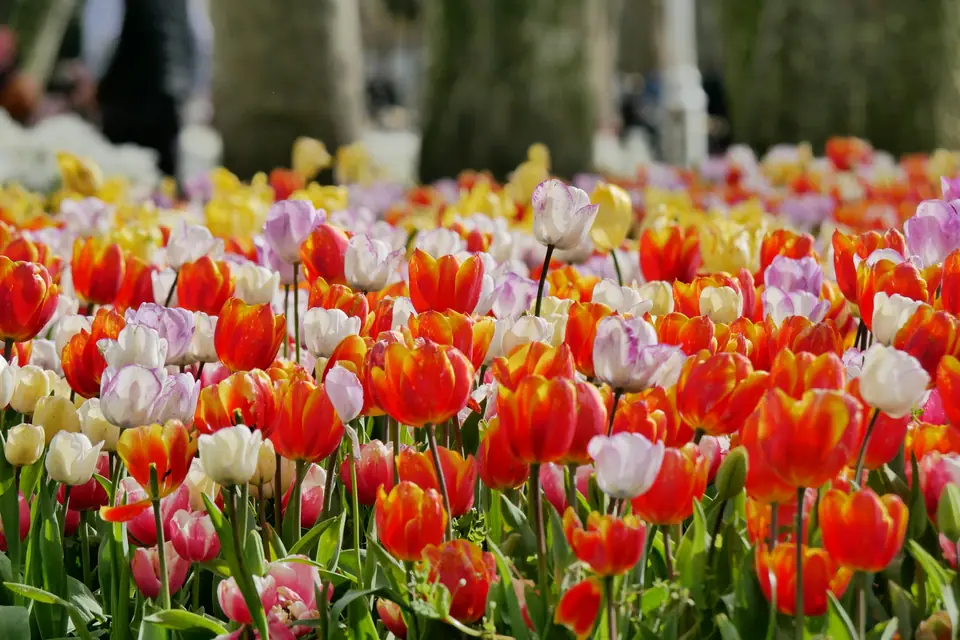
Photo by Tienko Dima on Unsplash
Best Time to Visit Istanbul: Weather, Tulip Season & Holiday Dates
Month-by-month weather across two seas, why spring and autumn win for walking, and how shifting lunar religious holidays affect bazaars and museums.
Short answer: mid-April to early June and mid-September to early November are the finest windows to visit Istanbul. During these spring and autumn shoulder months, daytime highs sit between 17°C and 25°C. Humidity remains comfortable for climbing the cobbled hills of Galata and Süleymaniye. You can sit on the open upper deck of a Bosphorus ferry without shivering or seeking shade. Equally important in Istanbul is checking the lunar calendar for Turkey's two major religious holidays (bayram). Both holidays shift approximately eleven days earlier each solar year and close the covered bazaars.
Spring (April to May) vs Autumn (September to early November)
Because Istanbul sits at the maritime crossroads of the Black Sea to the north and the Sea of Marmara and Aegean systems to the south, its microclimate warms and cools more gradually than inland Anatolia:
- Spring (April to May, Highs 16.8°C to 21.1°C) / The April Tulip Season: After cool, blustery March weeks, April transforms Istanbul's parks and Bosphorus hillsides. Long before tulips reached the Netherlands in the sixteenth century, Ottoman sultans cultivated native Anatolian tulip bulbs as imperial symbols. They gave their name to the eighteenth-century Tulip Era (Lale Devri). Throughout April, millions of bulbs bloom across Gülhane Park below Topkapı Palace, Sultanahmet Square, Yıldız Park, and above all Emirgan Park (Emirgan Korusu) on the European Bosphorus shore. At the same time, purple Judas trees (erguvan, er-goo-VAHN) flower along both banks of the strait. May brings warm 21°C afternoons, long daylight hours, and the Istanbul International Film Festival organised by İKSV.
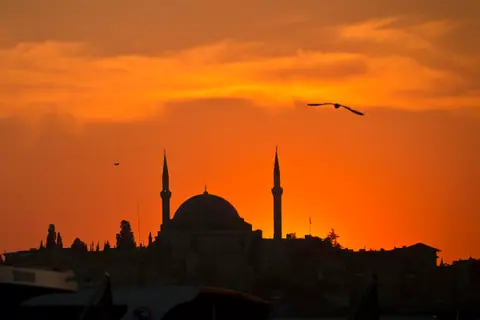
- Autumn (September to early November, Highs 25.6°C to 16.0°C) / Peak Seafood & Biennial Season: September feels like a gentler continuation of summer. Warm 25°C afternoons pair with low rainfall averaging 48 mm across the month. Golden sunsets drop directly behind the minarets of the Historic Peninsula. October averages 20.1°C by day and marks the opening of the autumn fishing season in the Bosphorus. Migratory bluefish (lüfer, lew-FER) and bonito (palamut) fill the grills of Karaköy and Kumkapı fish taverns. Odd-numbered years also host the contemporary Istanbul Biennial across museums and historic waterfront warehouses.
Summer heatwaves (June to August) and how the Bosphorus wind helps
From mid-June through August, daytime temperatures average 26.0°C to 29.1°C. Summer heatwaves regularly push afternoon readings past 33°C with high maritime humidity. Midday queues outside Hagia Sophia and Topkapı Palace reach their annual peak as Mediterranean cruise ships dock at Galataport in Karaköy. What saves summer in Istanbul is the prevailing northeast wind off the Black Sea. Locals call this cooling breeze the poyraz (poy-RAHZ) as it funnels down the Bosphorus channel.
If you travel in July or August, adopt local summer rhythms. Stand at the gates of Sultanahmet's headline sights at first opening. Retreat underground into the cool 532 CE Basilica Cistern or air-conditioned museum galleries during the mid-afternoon glare. Spend late afternoon on the water aboard a commuter ferry to Kadıköy or the car-free Princes' Islands (Adalar, especially Büyükada and Heybeliada). Summer also brings outdoor concerts in historic courtyards and parks during the Istanbul Music Festival in June and the Istanbul Jazz Festival in July.
Winter (November to March): rain, snow flurries, and steaming salep
Winter in Istanbul is damp, atmospheric, and frequently misunderstood by travellers expecting mild Mediterranean warmth. From December through February, average daytime highs drop to 9.0°C to 11.4°C, with overnight lows around 3.6°C to 6.4°C and 11 to 13 wet days per month. When icy air masses sweep south across the Black Sea, lake-effect snow showers dust the domes of Sultanahmet and the Galata Tower for several days in January or February. In exchange for packing a warm waterproof coat and umbrella, you enjoy zero queues at Topkapı's Treasury and lower hotel rates across every central neighbourhood. Winter also unlocks Istanbul's classic cold-weather treats. Warm up with steaming bowls of red lentil soup (mercimek çorbası), roasted chestnuts from street braziers, tart fermented millet boza at the historic 1876 Vefa Bozacısı shop in Fatih, and hot cinnamon-dusted salep (sah-LEP, thickened with wild orchid root) on ferry decks.
Ramadan vs the two religious Bayrams and national public holidays
Understanding the difference between the holy month of Ramadan (Ramazan) and the multi-day Bayram holidays that follow is essential when planning dates:
- The Month of Ramadan / Festive Evening Iftar Gatherings: Because the Islamic Hijri calendar is lunar, Ramadan shifts roughly eleven days earlier each year. During the thirty days of Ramadan, Istanbul operates normally for international visitors. Museums, palaces, bazaars, cafés, and restaurants in tourist and commercial districts remain open throughout the day. At sunset, the evening call to prayer (ezan) echoes across Sultanahmet. Families spread picnic mats across the park between Hagia Sophia and the Blue Mosque to break their fast (iftar, eef-TAHR). Overhead, illuminated message banners called mahya (mah-YAH) glow between mosque minarets.
- Ramazan Bayramı (Eid al-Fitr, 3.5 Days) & Kurban Bayramı (Eid al-Adha, 4.5 Days): These two public holidays bring major operational closures. Both the Grand Bazaar and the Spice Bazaar close completely for the entire duration of both Bayrams. State museums close on the morning of the first day before reopening with holiday crowds, and intercity trains, flights, and Bosphorus ferries run packed with domestic holidaymakers.
- Secular National Holidays & the Intercontinental Marathon: On 29 October (Republic Day, Cumhuriyet Bayramı), crimson Turkish flags drape every building, the Spice Bazaar closes, and evening fireworks light up the Bosphorus. Other fixed holidays include 23 April, 1 May (when transport around Taksim Square is frequently restricted), 19 May, 15 July, and 30 August. On the first Sunday of November, the Istanbul Marathon crosses the 15 July Martyrs Bridge from Asia to Europe and closes coastal roads and the T1 tram across Eminönü and Sultanahmet until early afternoon. Plan a relaxed walking morning on that Sunday.
Where it is
- 1Istanbul
- Istanbul Sabiha Gökçen International Airport (SAW) · about 30 km from Istanbul in a straight line
- Directions in Google Maps
Stations and taxi ranks: OpenStreetMap. Airports: OurAirports. Distances are in a straight line.
Traveller tips
Real advice from people who have been to Istanbul. Every tip is read by our team before it goes live.
No tips yet. Been here? Yours could be the first.
Thank you! Your tip will appear here after a quick review.
More in Istanbul
Continue exploring Istanbul with related neighbourhood, food, and planning guides
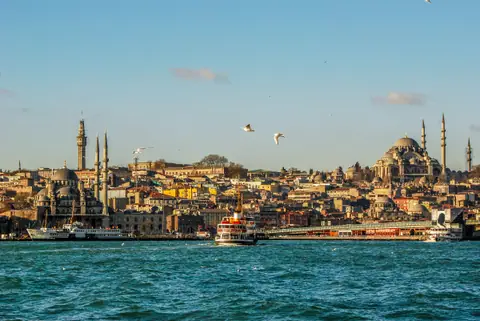
Istanbul: Districts, Museum Passes & Local Etiquette
Istanbul, Turkey
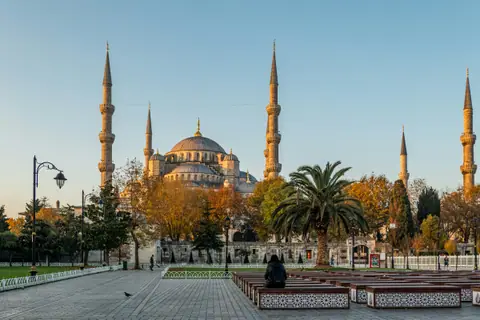
Best Things to Do in Istanbul: 14 Palaces, Mosques & Ferry Routes
Istanbul, Turkey
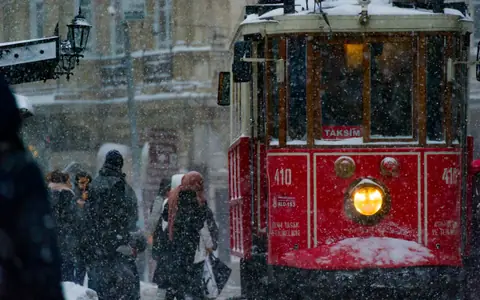
How to Get to Istanbul: IST vs SAW Airports, Metro & Istanbulkart
Istanbul, Turkey
What to Wear in Istanbul: Mosque Dress Code, Shoes & Seasonal Packing
Istanbul, Turkey
