


























Best Time to Visit La Paz: Dry Andean Winter Skies, Gran Poder and Climate Normals
Month-by-month weather guide for La Paz using official SENAMHI climate normals, comparing crystal-clear dry winter skies (May to September) and the Gran Poder parade with the January Alasitas fair.
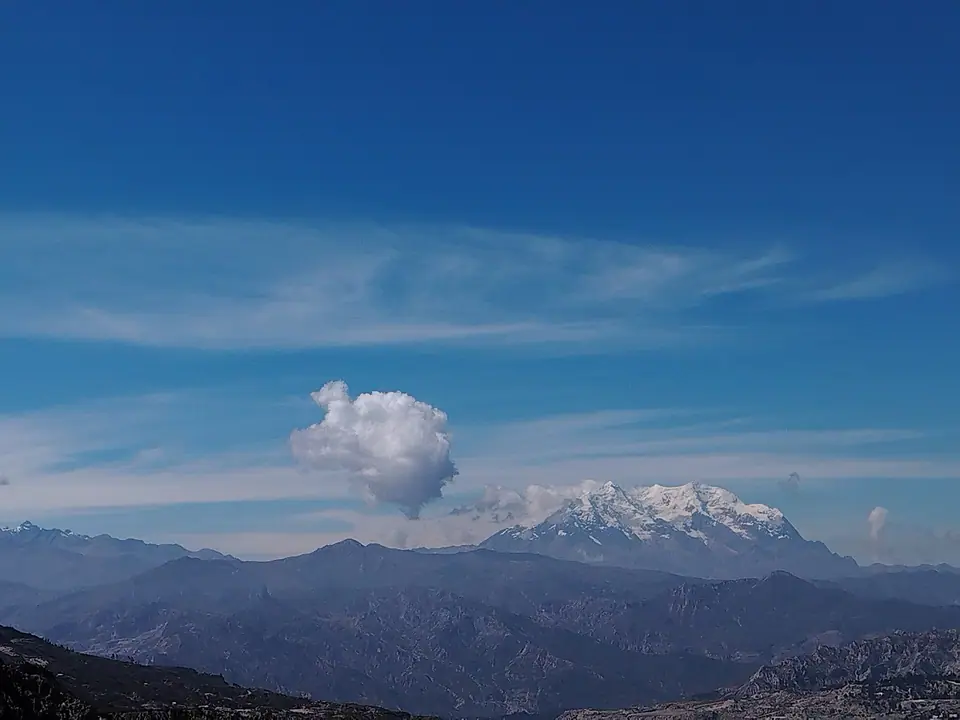
Despite lying inside the tropics at latitude 16°30' South, La Paz experiences a subtropical highland climate (Koppen Cwb) governed entirely by its 3,650-metre elevation. According to official climate normals recorded by the Servicio Nacional de Meteorologia e Hidrologia de Bolivia (SENAMHI) at Parque Laikakota in central La Paz (3,650 metres), daytime highs remain remarkably steady all year between 17.4°C in July and 20.4°C in November. Instead of four thermal seasons, the calendar divides sharply between a sun-drenched dry winter (May to September) and a cloudier rainy summer (December to March). Pair this seasonal guide with our 3-day La Paz itinerary.
May to September: Crisp Blue Skies, Mountain Views and Gran Poder
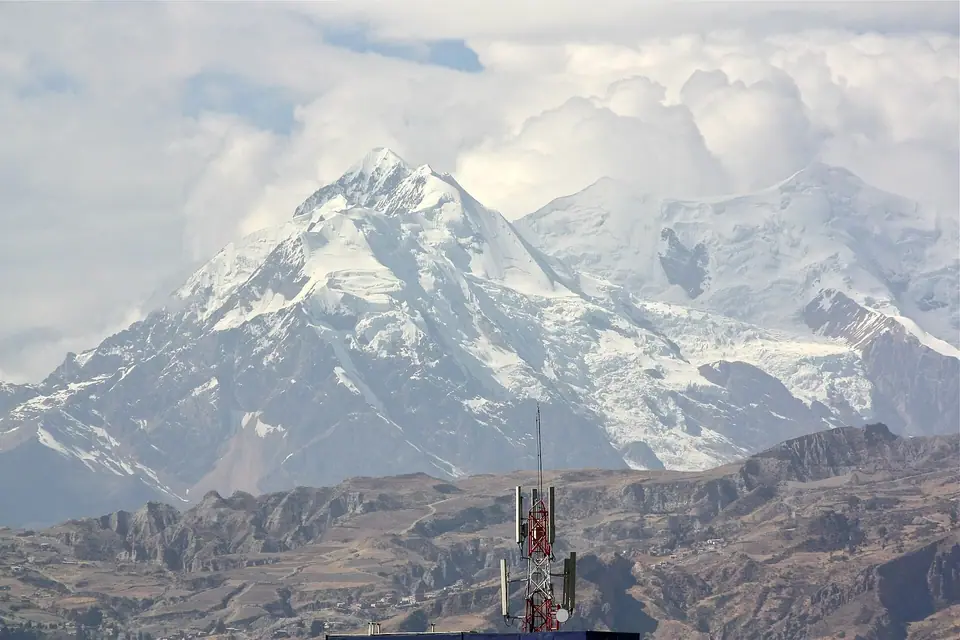
The Southern Hemisphere winter months from May through September are the premier season for sightseeing, riding Mi Teleferico, and climbing Mount Chacaltaya. Rainfall virtually vanishes in June and July, which average just 2 precipitation days per month (7.9 millimetres in June and 5.3 millimetres in July) alongside 238 to 250 hours of brilliant high-altitude sunshine (more than 8 hours of clear sun daily). Daytime highs reach 17.4°C to 19.1°C in central La Paz (feeling warm in direct sun), but once the sun dips behind the Altiplano rim, cloudless skies drop overnight lows to 2.8°C in July downtown and down to -4.1°C up at El Alto.
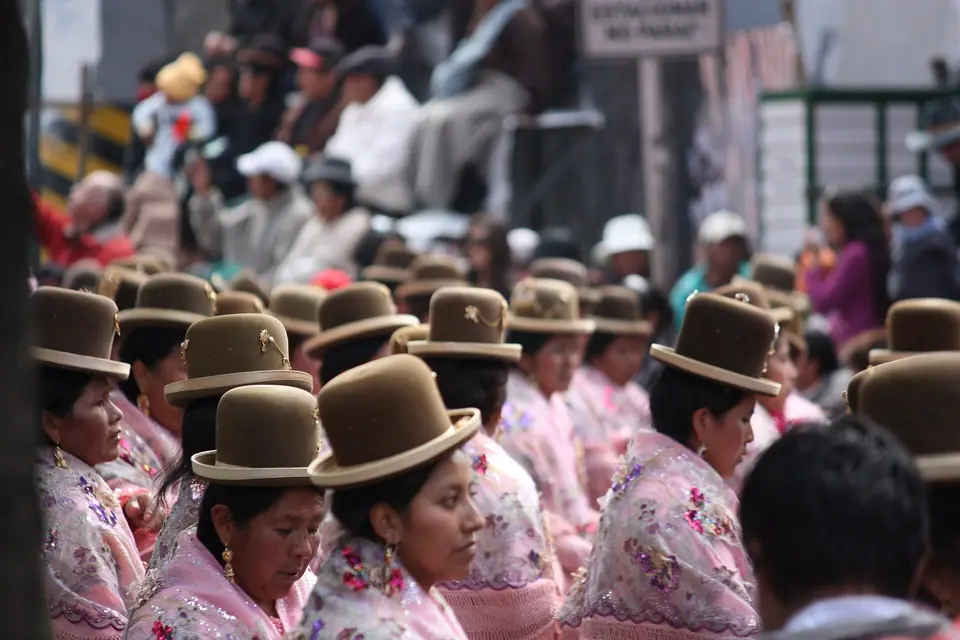
Late May or early June (Trinity Sunday weekend) stages La Paz's greatest cultural celebration: the UNESCO-listed Fiesta del Senor Jesus del Gran Poder, when more than 40,000 dancers and 7,000 brass musicians parade in heavy embroidered Morenada, Diablada, and Caporales costumes. On 21 June, Aymara communities gather at dawn at Tiwanaku to welcome the winter solstice during Willkakuti (Andean New Year).
October to April: Warm Spring Days, Rainy Afternoons and Alasitas
- Spring shoulder months (October to November): October (19.8°C highs, 6.2°C lows, 11 rain days) and November (20.4°C highs, 7.0°C lows, 11 rain days) bring the mildest daytime and nighttime temperatures of the year before heavy summer rains arrive.
- Summer rains and the Feria de la Alasita (December to March): January is the wettest month (125.5 millimetres across 21 rain days), followed by February (81.0 millimetres, 17 rain days) and December (82.3 millimetres, 16 rain days). Even in January, mornings often start bright before afternoon showers roll across the canyon. On 24 January at noon, the entire city celebrates the Feria de la Alasita in honour of Ekeko, the Aymara god of abundance, purchasing miniature banknotes, title deeds, cars, and suitcases to be blessed with incense and alcohol by yatiris.

Traveller tips
Real advice from people who have been to Best Time to Visit La Paz: Dry Andean Winter Skies, Gran Poder and Climate Normals. Every tip is read by our team before it goes live.
No tips yet. Been here? Yours could be the first.
Thank you! Your tip will appear here after a quick review.
More in La Paz
Continue exploring La Paz with related neighbourhood, food, and planning guides

3-Day La Paz Itinerary: Historic Canyon, Mi Teleferico, El Alto and Tiwanaku
La Paz, Bolivia

What to Eat in La Paz: Saltenas, Anticuchos, Plato Paceno and Singani
La Paz, Bolivia
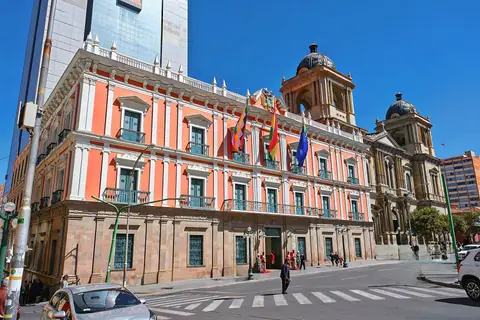
Plaza Murillo: The Cathedral Basilica, Palacio Quemado and Clock of the South
La Paz, Bolivia
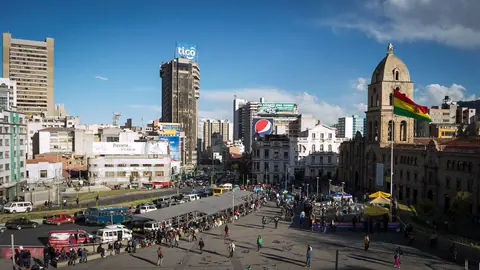
Basilica of San Francisco and the Witches' Market (El Mercado de las Brujas)
La Paz, Bolivia
