


























Tiwanaku Archaeological Site and Puma Punku Day Trip from La Paz
Explore the UNESCO-listed pre-Columbian capital of Tiwanaku (AD 400 to 1000) 70 kilometres west of La Paz, including the Gate of the Sun, Kalasasaya Temple, 175 tenon heads, and Puma Punku.
Seventy kilometres (43 miles) west of La Paz across the high Altiplano plain near the southern basin of Lake Titicaca at 3,850 metres sits Tiwanaku (known to the Aymara as Taypiqala, "Stone in the Centre"), inscribed as a UNESCO World Heritage Site in 2000. Long before the rise of the Inca Empire in Cusco, Tiwanaku flourished between roughly AD 400 and 1000 as the ritual, astronomical, and political capital of a southern Andean empire whose raised-field agriculture (suka kollus) supported an urban centre of up to 20,000 inhabitants before a severe eleventh-century drought triggered its collapse. First described by Spanish chronicler Pedro Cieza de Leon in 1549, the site makes an essential half-day or full-day excursion on Day 3 of our 3-day La Paz itinerary.
Kalasasaya Temple, the Gate of the Sun and the Semi-Subterranean Temple
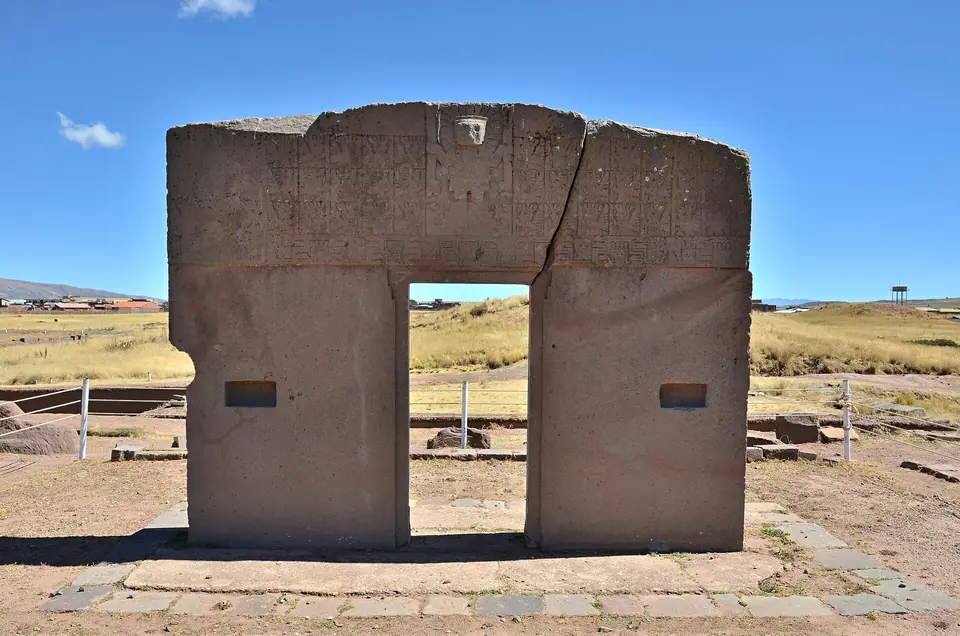
Templo de Kalasasaya ("Place of the Upright Stones"): Measuring 120 by 130 metres, this elevated rectangular platform enclosure is aligned with astronomical precision to track the spring and autumn equinoxes and the winter and summer solstices through its monumental seven-step eastern megalithic gateway. Standing inside the courtyard are the three-metre-tall grey andesite Ponce Monolith (excavated in 1957 and intricately incised with tears, textiles, and ceremonial kero goblets) and the red-sandstone Fraile Monolith.
Puerta del Sol (Gate of the Sun)
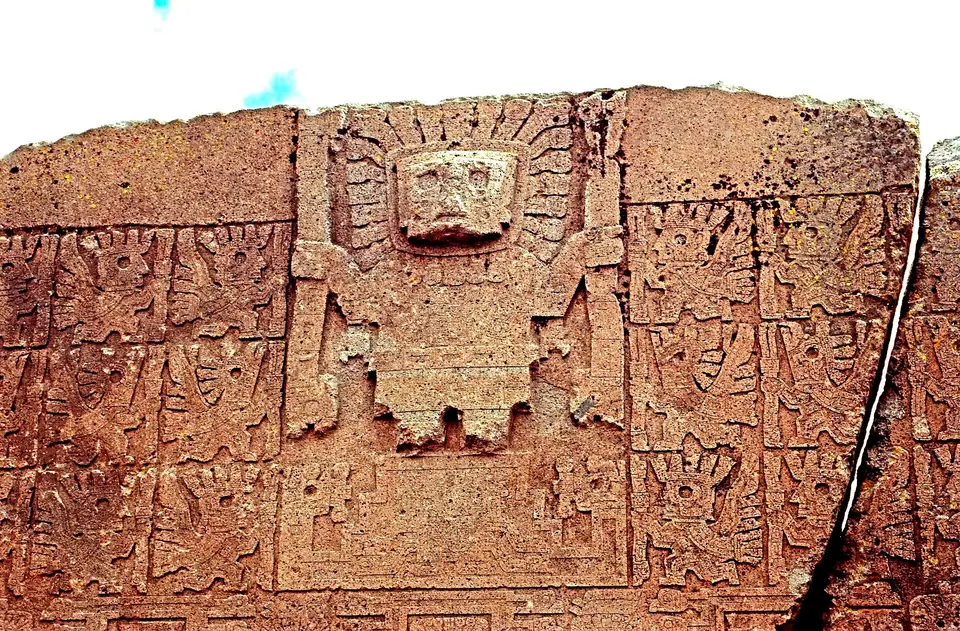
At the northwestern corner of Kalasasaya stands South America's most famous pre-Columbian monument, hewn from a single 10-tonne slab of grey-green volcanic andesite quarried across Lake Titicaca. At the centre of its upper lintel frieze stands the radiant Staff God (Viracocha / Tunupa) clutching two ceremonial staffs, flanked by three rows of 48 winged human- and condor-headed attendants running toward him.
Semi-Subterranean Temple and Akapana Pyramid
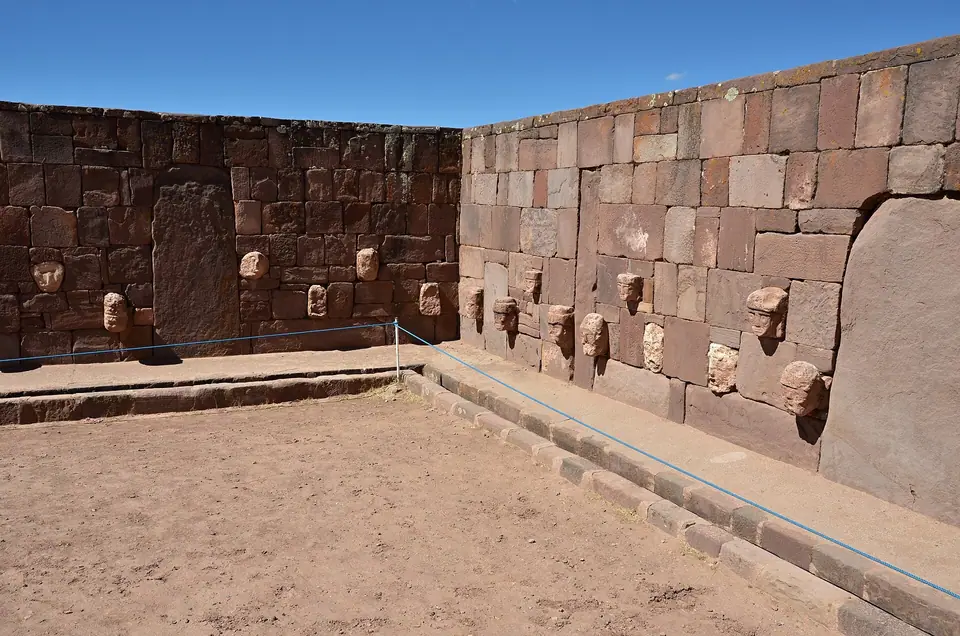
Directly east of Kalasasaya, a sunken sandstone courtyard measuring 26 by 28 metres has interior walls studded with 175 sculpted stone tenon heads (cabezas clavas), no two faces alike, representing the diverse ethnic groups gathered under Tiwanaku's realm. Beside it rises the seven-tiered stepped earthen-and-stone Akapana Pyramid (originally 18 metres high).
Puma Punku's Megalithic H-Blocks
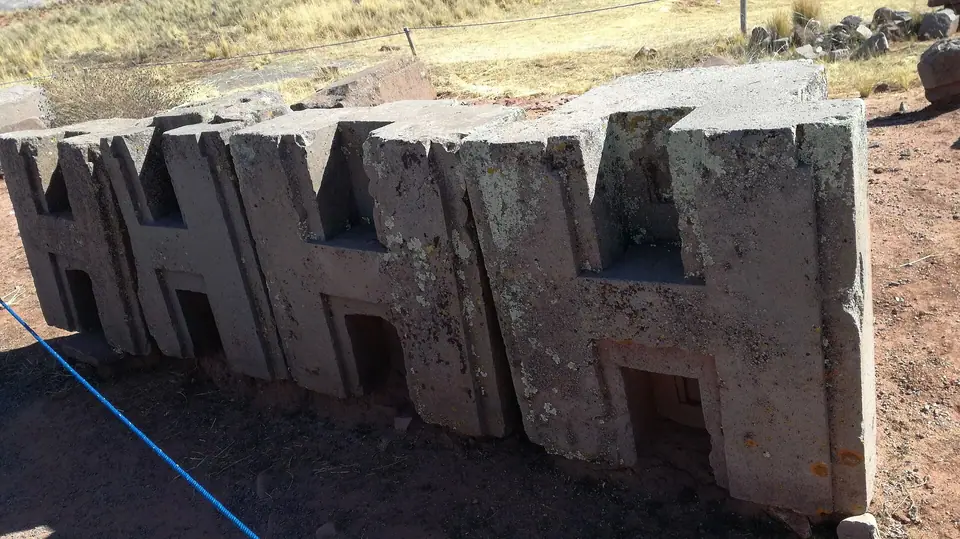
Eight hundred metres southwest of the main complex lies Puma Punku ("Door of the Puma"), a terraced temple mound famed for some of the most precise stone-cutting achieved anywhere in the ancient world. Its base platform incorporates red-sandstone slabs weighing up to 131 metric tonnes transported from quarries 10 kilometres away, while finely polished grey andesite H-blocks are carved with millimetre-accurate right angles, drilled holes, and T-shaped recesses into which molten copper-arsenic-nickel alloy was poured to lock stones together with metal I-clamps without mortar.
On-Site Lithic and Ceramic Museums
Before boarding the return bus or tour van to La Paz, visit the on-site Lithic and Ceramic Museums, where the towering 7.3-metre red-sandstone Bennett (Pachamama) Monolith and polychrome puma-shaped incense burners (sahumadores) are preserved indoors.
Traveller tips
Real advice from people who have been to Tiwanaku Archaeological Site and Puma Punku Day Trip from La Paz. Every tip is read by our team before it goes live.
No tips yet. Been here? Yours could be the first.
Thank you! Your tip will appear here after a quick review.
More in La Paz
Continue exploring La Paz with related neighbourhood, food, and planning guides
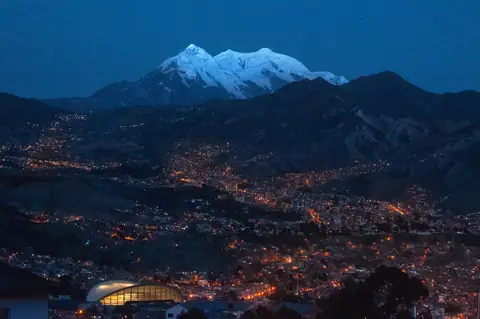
3-Day La Paz Itinerary: Historic Canyon, Mi Teleferico, El Alto and Tiwanaku
La Paz, Bolivia
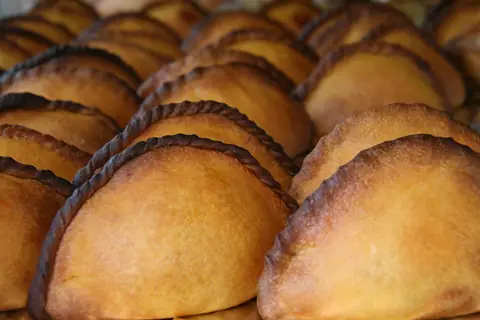
What to Eat in La Paz: Saltenas, Anticuchos, Plato Paceno and Singani
La Paz, Bolivia
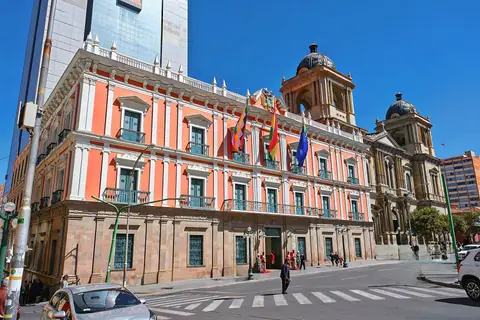
Plaza Murillo: The Cathedral Basilica, Palacio Quemado and Clock of the South
La Paz, Bolivia
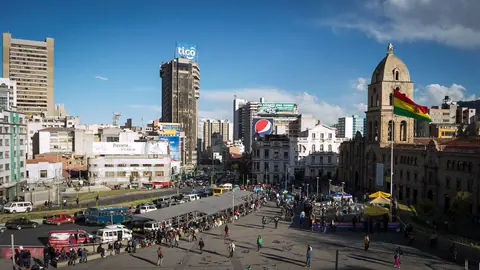
Basilica of San Francisco and the Witches' Market (El Mercado de las Brujas)
La Paz, Bolivia
