


























El Alto: Freddy Mamani's Neo-Andean Cholets and the Feria 16 de Julio
Ride Mi Teleferico up to 4,100 metres in El Alto, the world's highest major city, to explore Freddy Mamani's kaleidoscopic Neo-Andean cholet mansions and the Thursday and Sunday Feria 16 de Julio.
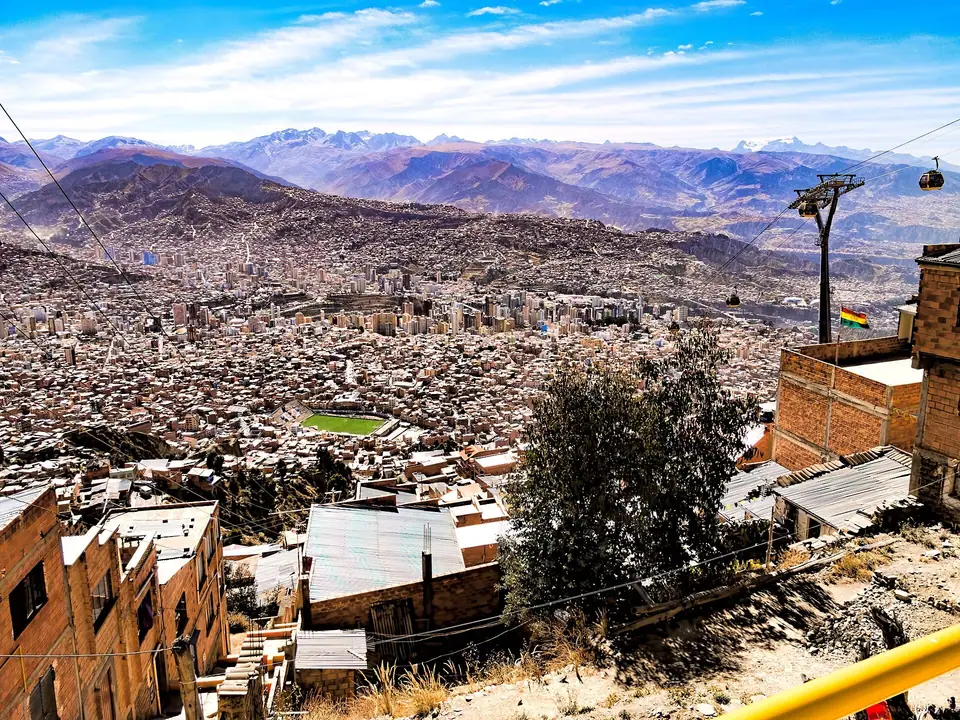
Stretching across the windswept Altiplano plateau immediately above the western rim (*La Ceja*) of the La Paz canyon at an average elevation of 4,000 to 4,150 metres (13,123 to 13,615 feet), El Alto (*Patamarka* in Aymara) is the highest major metropolis in the world. Separated administratively from La Paz in March 1985 and incorporated as a city in 1987, this fast-growing city of nearly one million predominantly Aymara residents has become the epicentre of bold indigenous urban culture and architecture. Thanks to the Red, Silver, Yellow, and Purple lines of Mi Teleferico, reaching El Alto from central La Paz takes just ten minutes by air.
Freddy Mamani Silvestre and the Neo-Andean "Cholet" Movement
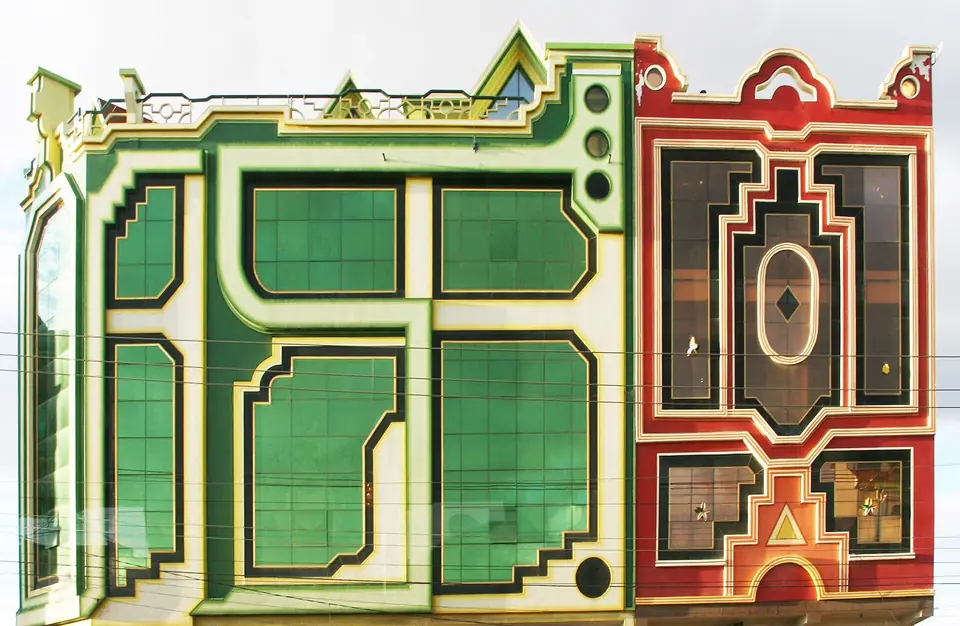
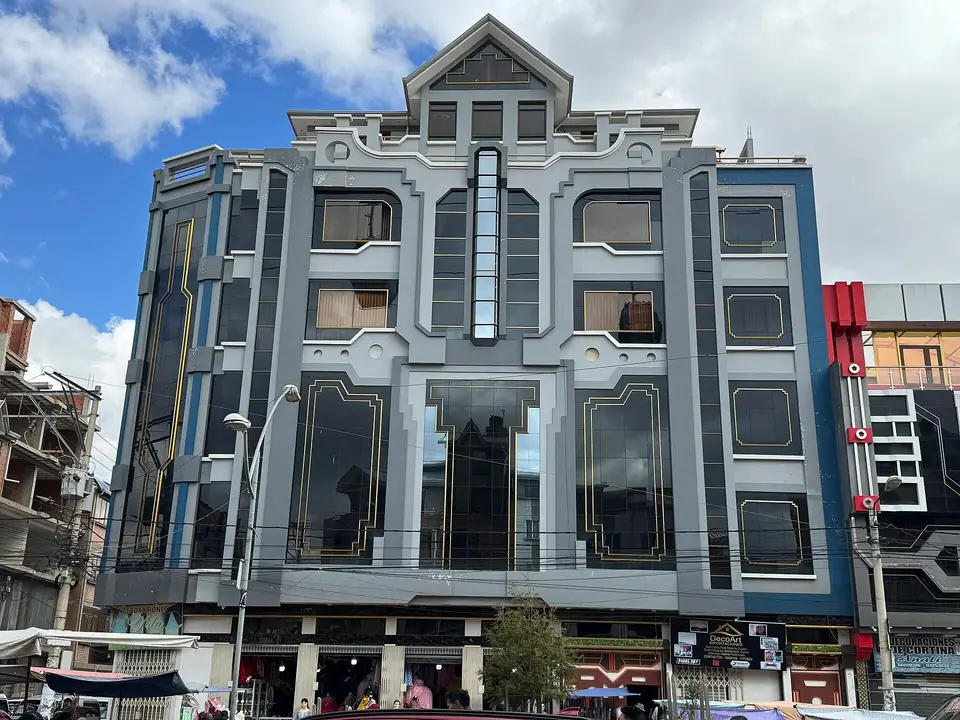
For decades, most buildings on the dusty plain of El Alto were left as unadorned red brick to reduce property taxes. Beginning in 2005, self-taught Aymara civil engineer and former bricklayer Freddy Mamani Silvestre sparked an architectural revolution by designing more than 60 extravagant multi-storey urban mansions across El Alto, a style known internationally as Neo-Andean architecture and locally as the cholet (a portmanteau combining chalet and cholo).
- Four vertical levels of Aymara commerce and celebration: Commissioned by prosperous Aymara merchants and transport entrepreneurs, each five- to seven-storey cholet follows a precise social blueprint: street-level commercial shops and warehouses on the ground floor, a soaring double-height event ballroom (salon de eventos) on the second and third floors rented out for weddings and preste patron-saint fiestas, rental apartments above, and a private two-storey family house with a pitched alpine roof perched right on the rooftop.
- Tiwanaku geometry and aguayo colours: Rather than minimalist glass, Mamani sculpts facades and ballroom ceilings with stepped Tiwanaku crosses (chakana), condor motifs, and undulating reliefs painted in the electric turquoise, magenta, emerald green, and solar orange gradients of traditional handwoven Andean aguayo textiles, lit by crystal chandeliers imported from China and Europe. Several cholets near the 16 de Julio, Faro Murillo, and Libertad cable car stations welcome visitors on guided architectural tours.
Feria 16 de Julio: Thursday and Sunday Megamarket
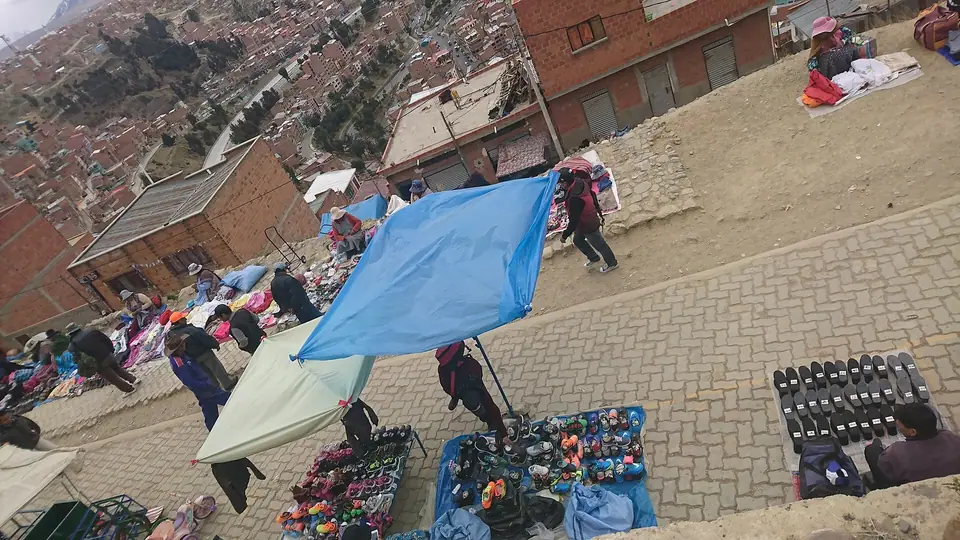
Every Thursday and Sunday from early morning until late afternoon, more than 200 contiguous blocks radiating out from the 16 de Julio (Jach'a Qhathu) station of the Red, Blue, and Silver cable car lines transform into the Feria 16 de Julio, one of the largest open-air street markets in the Americas. Tens of thousands of stalls are organised by strict thematic zones: embroidered velvet skirts and Borsalino-style bowler hats for Aymara cholitas, Andean musical instruments, vintage electronics, livestock, hardware, weaving yarns, and an entire avenue dedicated to buying and selling cars and trucks. Leave valuables at your hotel, carry small boliviano notes in an inside pocket, and watch the market first from the Blue Line cable car gliding directly above the stalls.
Traveller tips
Real advice from people who have been to El Alto: Freddy Mamani's Neo-Andean Cholets and the Feria 16 de Julio. Every tip is read by our team before it goes live.
No tips yet. Been here? Yours could be the first.
Thank you! Your tip will appear here after a quick review.
More in La Paz
Continue exploring La Paz with related neighbourhood, food, and planning guides
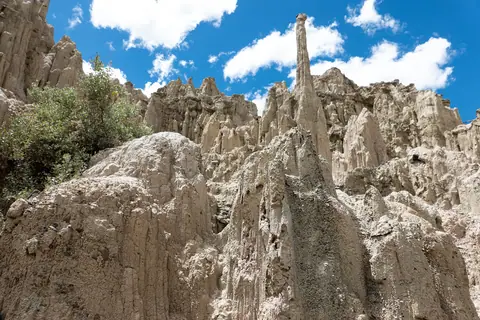
Valle de la Luna (Moon Valley) and Mount Chacaltaya (5,395 m)
La Paz, Bolivia
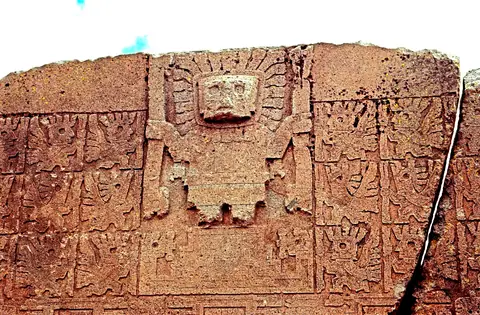
Tiwanaku Archaeological Site and Puma Punku Day Trip from La Paz
La Paz, Bolivia
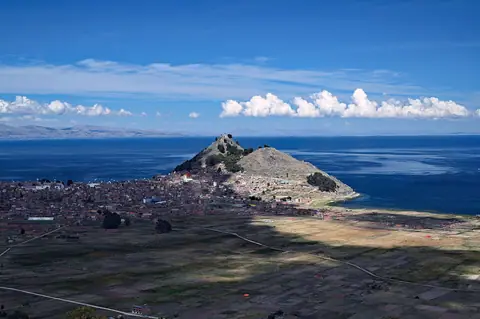
Lake Titicaca (Copacabana & Isla del Sol) and the North Yungas Road Day Trips
La Paz, Bolivia
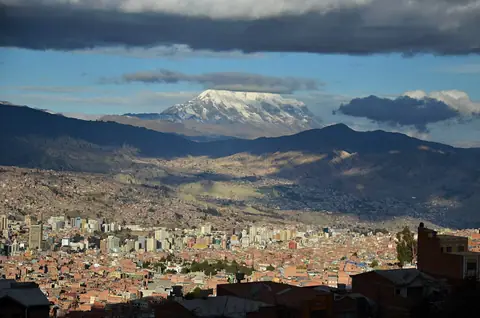
La Paz: Altitude, Canyon Neighbourhoods and Planning Tips
La Paz, Bolivia
