


























How to Get to La Paz: El Alto Airport (LPB), Eiffel Bus Terminal and Lake Titicaca Routes
Arriving in La Paz via the world's highest international airport at El Alto (4,061.5 metres), Gustave Eiffel's historic Terminal de Buses, and overland coaches across the Strait of Tiquina.
Dramatic topography shapes every arrival into La Paz. Air travellers touch down on the flat Altiplano plateau at over 4,060 metres before descending the canyon highway into the city bowl, while overland buses from southern Peru and Bolivia's highland cities wind across the rim of the Choqueyapu valley. Pair these arrival details with our La Paz travel guide and where to stay breakdown.

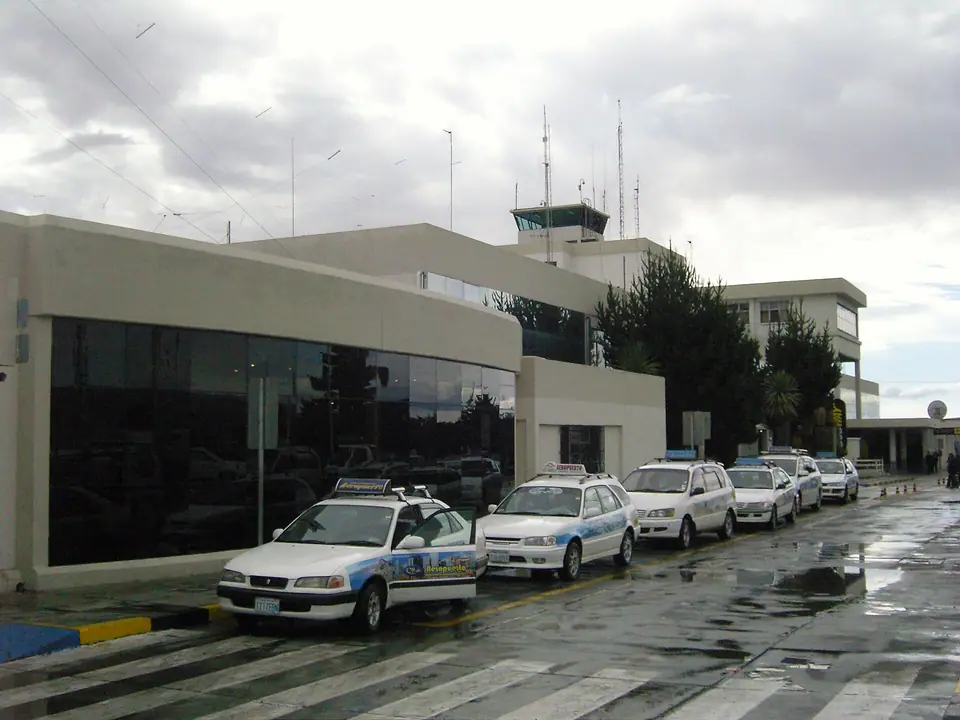
Flying into El Alto International Airport (LPB) at 4,061.5 Metres
Located 13 kilometres west of central La Paz in the city of El Alto, El Alto International Airport (IATA: LPB, ICAO: SLLP) sits at an elevation of 4,061.5 metres (13,325 feet) above sea level, making it the highest international airport in the world. Because thin high-altitude air reduces wing lift and engine thrust, its main concrete runway (10R/28L) stretches a full 4,000 metres (13,123 feet) across the plateau.
Direct regional flights connect LPB with Lima, Bogota, Santiago, and Cusco, alongside domestic services from Santa Cruz de la Sierra (Viru Viru, Bolivia's main long-haul intercontinental hub), Uyuni, Sucre, Rurrenabaque, and Cochabamba. Authorised airport radio taxis and shared minibuses descend the Autopista La Paz-El Alto into central La Paz in 25 to 35 minutes or continue down to Zona Sur in 45 minutes. Check the official airport website for current transfer desks.
Terminal de Buses de La Paz and Overland Route from Peru
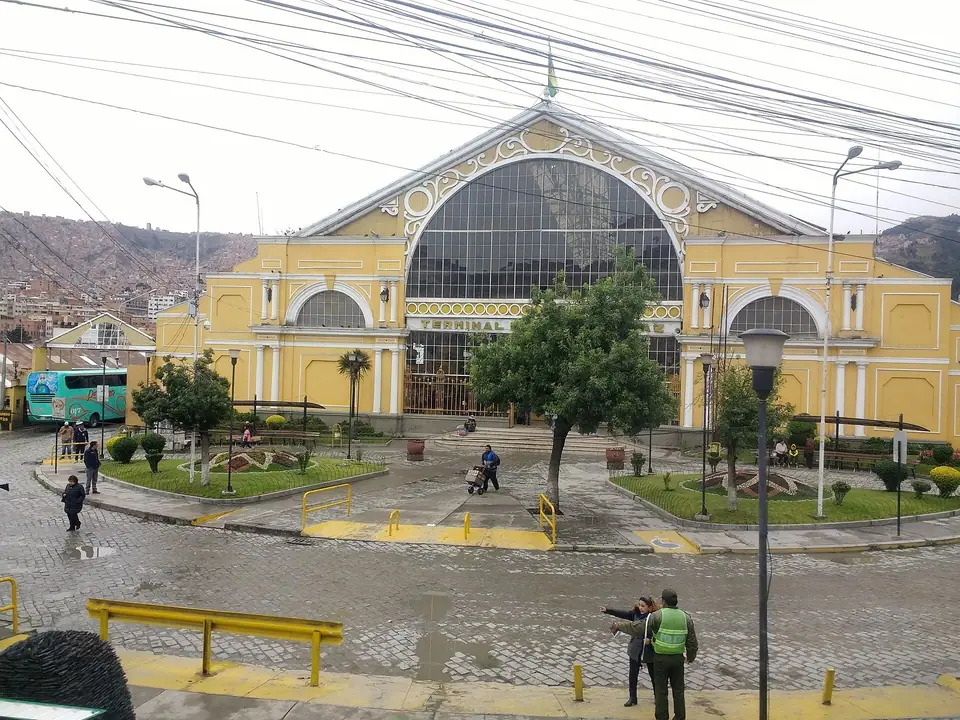
- The Eiffel-designed Terminal de Buses: Situated on Plaza Antofagasta at the top of Avenida Peru and Avenida Uruguay (steps from the Estacion Central Red and Orange cable car stations), the central bus station occupies the former 1913 to 1917 Guaqui-La Paz railway customs hall, whose iron framework was engineered by the workshop of Gustave Eiffel and converted into the municipal bus terminal in 1980. Overnight and daytime coaches depart here for Uyuni, Oruro, Potosi, Sucre, and Cochabamba.
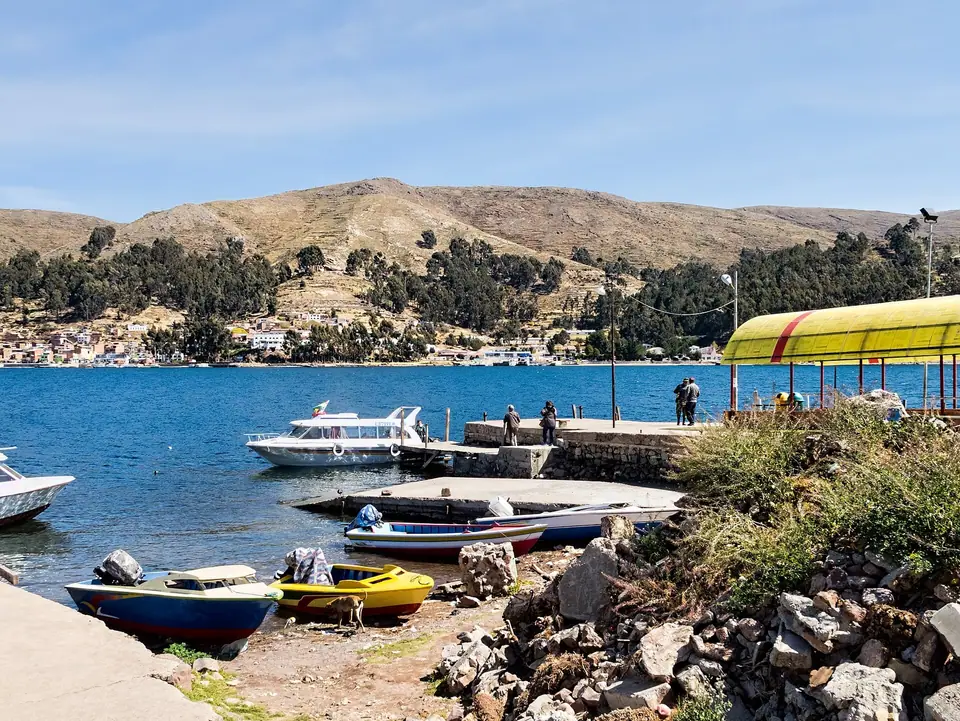
- Overland from Cusco, Puno and Lake Titicaca: Buses arriving from Cusco and Puno enter Bolivia at Kasani (near Copacabana on Lake Titicaca) or Desaguadero. Buses on the Copacabana route cross the 800-metre-wide Strait of Tiquina on flat wooden motor barges while passengers ride across separately in small launches before continuing across the Altiplano into La Paz.
Traveller tips
Real advice from people who have been to How to Get to La Paz: El Alto Airport (LPB), Eiffel Bus Terminal and Lake Titicaca Routes. Every tip is read by our team before it goes live.
No tips yet. Been here? Yours could be the first.
Thank you! Your tip will appear here after a quick review.
More in La Paz
Continue exploring La Paz with related neighbourhood, food, and planning guides

Tiwanaku Archaeological Site and Puma Punku Day Trip from La Paz
La Paz, Bolivia
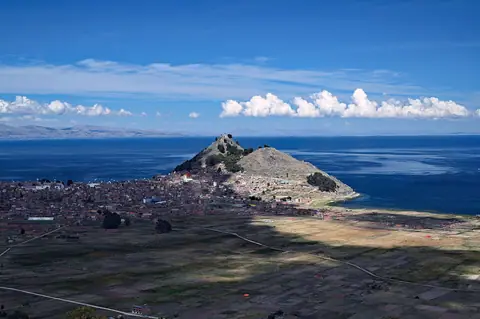
Lake Titicaca (Copacabana & Isla del Sol) and the North Yungas Road Day Trips
La Paz, Bolivia

La Paz: Altitude, Canyon Neighbourhoods and Planning Tips
La Paz, Bolivia

Things to Do in La Paz: Mi Teleferico, Witches' Market, Cholets and Tiwanaku
La Paz, Bolivia
