


























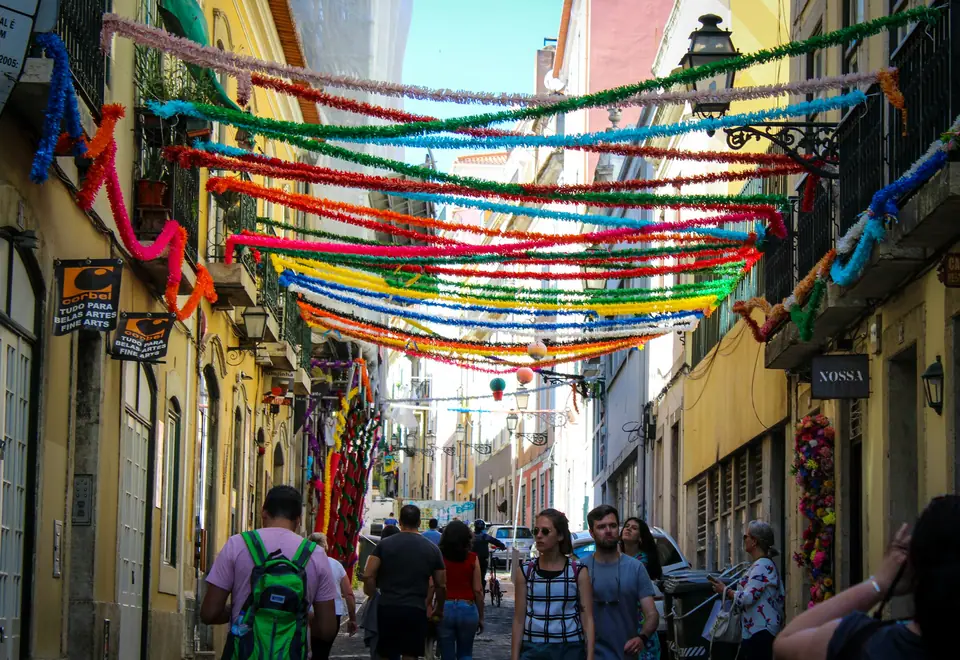
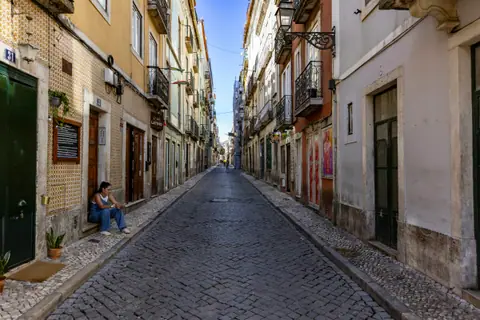
Photo by Alano Oliveira on Unsplash
Best Time to Visit Lisbon: Weather, Santo António & Crowds
Why late spring and early autumn bring Lisbon's finest light and walking weather, what happens during the June sardine street parties, and winter rain tips.
Short answer: late April to mid-June and mid-September to late October are the best times to visit Lisbon. During these spring and autumn shoulder windows, daytime highs sit comfortably between 19°C and 26°C, and Atlantic rain fronts retreat. The golden reflection off the limestone facades and the Tagus estuary is at its sharpest in these months. You can climb the cobbled stairways of Alfama and walk the unshaded riverfront of Belém without battling midsummer queues or November rain squalls. Below is how each season shapes your itinerary.
Spring vs Autumn Shoulder Months
Lisbon faces the wide Tagus estuary just fifteen kilometres east of the open Atlantic Ocean. It enjoys one of the sunniest coastal climates in Europe, averaging nearly 2,800 hours of sunshine a year.
- Spring (19.4°C to 24.8°C) / Jacarandas & Santos Populares: Rain days drop from 9.1 days in April to 4.5 days in May and 4.2 days in June. Throughout May and early June, thousands of Brazilian jacaranda trees burst into violet-blue blossom along Avenida Dom Carlos I, Largo do Carmo, and Praça do Comércio. Their fallen blossoms carpet the black-and-white calçada pavements in purple petals. Then comes June, the most festive month of the Lisbon year. It celebrates the Festas dos Santos Populares (Popular Saints) and above all Lisbon's patron saint, Santo António (born in Alfama in 1195).
- Autumn (26.1°C to 22.9°C) / Warm Days & Quieter Palaces: September feels like a gentler extension of summer. Temperatures average 26.1°C by day and 17.5°C at night with only four rainy days across the entire month. By October, daytime highs settle around 22.9°C as the first Atlantic autumn showers return, averaging 9.6 wet days and 78 mm of rain. Hotel rates ease after mid-October, and timed morning tickets for Sintra and Belém become much easier to book than in summer.
The June Santo António Festival
Visiting Lisbon in June drops you into a month-long street festival called the Arraiais (ah-rye-ICE). Across the hillside quarters of Alfama, Graça, Mouraria, Bica, and Madragoa, neighbours string colourful paper garlands between upper windows. Families set up barrel-charcoal grills right outside their front doors. Stalls pour cold beer and sangria while serving smoky sardinhas assadas (grilled sardines on thick corn bread, broa). Next to the grills sit pots of sweet basil (manjericos) decorated with paper carnations and love poems.
The climax falls on the night of 12 June (St Anthony's Eve) and the municipal public holiday of 13 June. On the afternoon of 12 June, couples get married simultaneously at the Sé Cathedral and City Hall in the traditional Casamentos de Santo António. That evening, costumed neighbourhood delegations parade down Avenida da Liberdade in the choreographed Marchas Populares. Afterward, the alleys of Alfama turn into a joyous shoulder-to-shoulder street party with live music until sunrise. It is unforgettable. If you value quiet sleep in June, however, book your hotel in Príncipe Real, Avenida da Liberdade, or Baixa rather than inside Alfama (see our where to stay guide).
Summer Winds, Sea Temperatures & Sintra Alerts
July and August are virtually rainless in Lisbon. Rainfall averages just 1 to 3 mm across the entire month, with average highs of 27.7°C in July and 28.3°C in August. Thanks to the prevailing northern Atlantic trade wind known as the Nortada (nor-TAH-dah), Lisbon rarely suffers the stifling humidity of Mediterranean cities. Evenings along the miradouros feel pleasantly breezy. Even so, two summer realities catch first-timers off guard.
- Cold Atlantic Ocean Water at Cascais & Caparica (16°C to 19°C). Even when air temperatures hit 32°C in August, coastal upwelling keeps the Atlantic water off Cascais, Carcavelos, and Costa da Caparica brisk at 16°C to 19°C. The sandy beaches are wonderful for sunbathing and surfing, yet the swim itself is always refreshing rather than bathtub-warm.
- Emergency Wildfire Risk Closures in the Sintra Hills. Occasional late-July and August heatwaves bring dry easterly winds that push inland temperatures past 35°C to 38°C. On those days, Portuguese civil protection authorities declare Maximum Rural Fire Risk across the forested Sintra-Cascais Natural Park. When a red alert is active, Pena Palace, the Moorish Castle, the Convent of the Capuchos, and Monserrate close completely at short notice for visitor safety. Always check the live yellow banner at parquesdesintra.pt the evening before your trip. Keep your schedule flexible so you can swap your Sintra day if a red alert is called.
Winter Sun, Atlantic Showers & Web Summit
Winter in Lisbon never brings snow or frost. Daytime highs average 14.6°C in January and 15.9°C in February, while overnight lows stay around 8.8°C to 10.3°C. Between November and March, Atlantic low-pressure systems roll in for two or three days of heavy showers (7 to 10 wet days per month, 49 to 76 mm of rain). Those showers are followed immediately by three or four days of brilliant blue sky and crisp winter sun. Queues at the Jerónimos Monastery and São Jorge Castle vanish, and hotel prices drop to their lowest levels of the year. Just note two important winter caveats. First, for four days each mid-November, the Web Summit technology conference brings 70,000 delegates to Parque das Nações, spiking hotel rates citywide. Second, many historic Lisbon apartment buildings lack central heating. Confirm that your room has reverse-cycle AC heating and pack warm indoor layers from our what to wear guide. In December, giant Christmas trees and illuminations light up Praça do Comércio and Rossio Square. Street vendors roast hot chestnuts (castanhas assadas) over charcoal carts on every corner, and pastry shops bake traditional festive cake (Bolo Rei) through Epiphany. In February or early March, Shrove Tuesday brings colourful Carnaval parades along the coast in nearby Torres Vedras and Sesimbra. On sunny winter afternoons, the sheltered riverside benches of Cais das Colunas and Belém still feel warm enough for an outdoor espresso facing the sparkling Tagus estuary. Review our 3-day Lisbon itinerary to see how to pair indoor museums with sunny viewpoint hours in any month.
Where it is
- 1Lisbon
- Lisbon Humberto Delgado Airport (LIS) · about 7 km from Lisbon in a straight line
- Directions in Google Maps
Stations and taxi ranks: OpenStreetMap. Airports: OurAirports. Distances are in a straight line.
Traveller tips
Real advice from people who have been to Lisbon. Every tip is read by our team before it goes live.
No tips yet. Been here? Yours could be the first.
Thank you! Your tip will appear here after a quick review.
More in Lisbon
Continue exploring Lisbon with related neighbourhood, food, and planning guides
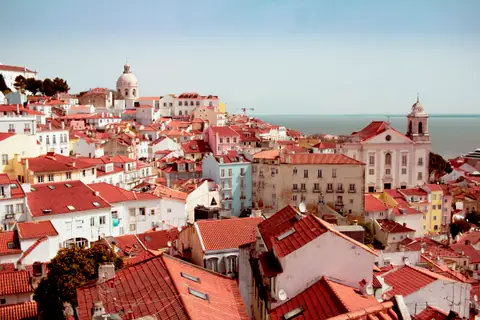
Lisbon: Hills, Neighbourhoods, Tourist Tax & Tips
Lisbon, Portugal
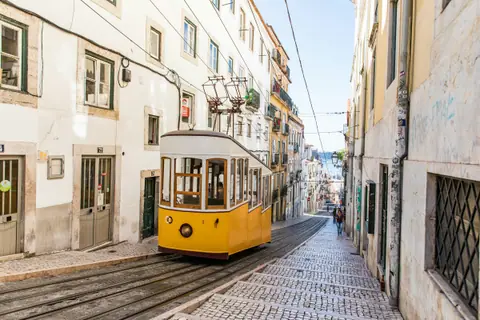
12 Best Things to Do in Lisbon: Monuments, Miradouros & Tascas
Lisbon, Portugal
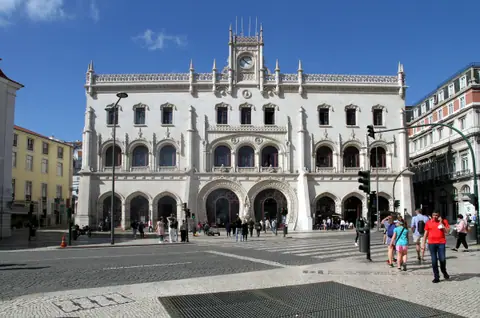
How to Get to Lisbon: Airport Metro, Trains, Navegante & Tram 28
Lisbon, Portugal
What to Wear in Lisbon: Calçada Shoes, Wind Layers & Packing List
Lisbon, Portugal
