



Lisbon Travel Guide: What to Know Before You Go
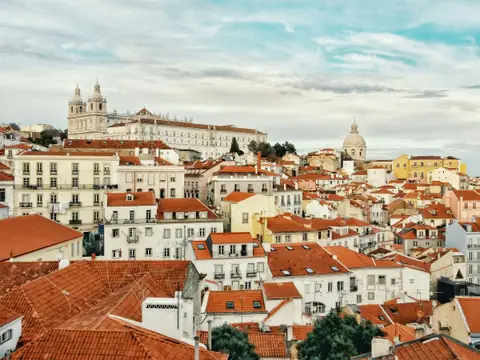
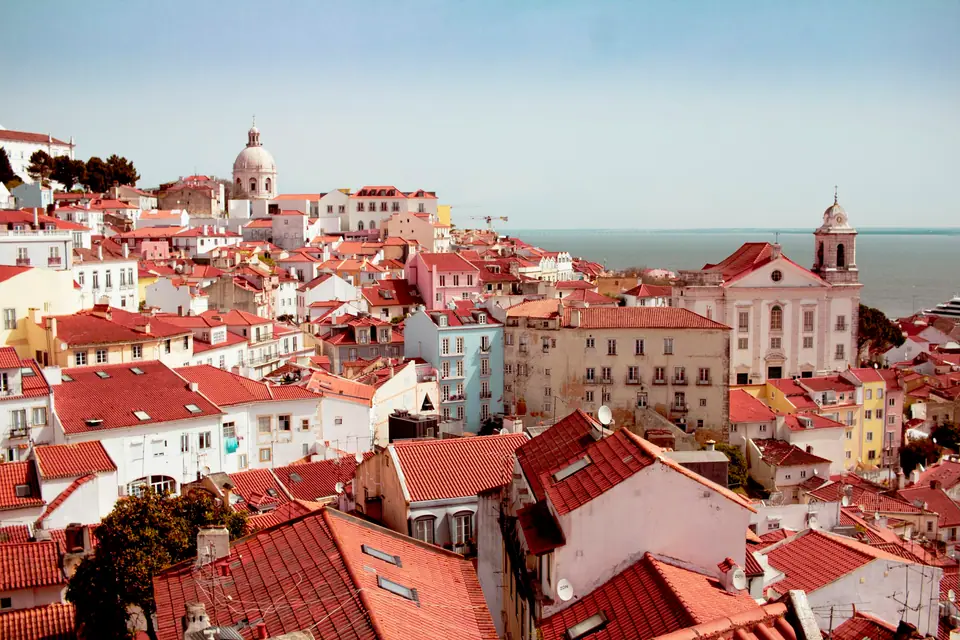
Lisbon looks small on a map and feels much bigger on foot. The reason is the hills. Two points that seem five minutes apart can be separated by a climb of a hundred steps, so plan your days by neighbourhood rather than by distance, and let the metro, trams and the odd lift do some of the climbing.
How the city is laid out
The heart of Lisbon is the Baixa, the flat grid of streets rebuilt after the 1755 earthquake, running from Rossio square down to the riverside Praça do Comércio. On the hill to the east are the castle and Alfama. On the hill to the west are Chiado and the Bairro Alto, with Príncipe Real beyond them. Avenida da Liberdade runs north from Rossio to the newer city. Belém lies about 6 km west along the river, and the Parque das Nações, built for Expo 98, is out to the north-east.
What to book before you land
Pena Palace in Sintra can only be visited with a time slot, and summer slots go well ahead. In Belém, the Belém Tower reopened in May 2026 after a year of restoration with a strict daily cap and timed entry every half hour. Buy tickets for both on the official websites, not from resellers with copycat names.
The tourist tax
Lisbon charges a municipal tourist tax per guest, per night, for a maximum of seven nights. It doubled in September 2024, children under 13 are exempt, and it is usually collected by the hotel or apartment on arrival rather than included in the rate you booked. Check the city council site for the current amount.
Funiculars and lifts
Lisbon's famous funiculars are not running normally. The Glória funicular derailed in September 2025 in a fatal accident and is out of service, with a replacement planned for later in the decade. The Bica and Lavra funiculars and the Santa Justa lift were still closed for safety checks in September 2026. The modern Graça funicular, which opened in 2024, is back in service. If a guidebook plan relies on the old lifts, check the Carris website before you set out.
Safety and small things
Violent crime is rare. Pickpockets work tram 28, the Baixa and the crowds at the viewpoints. In the Baixa you may also be offered "hashish" in a whisper; it's usually bay leaves, and saying nothing and walking on is the normal response. Plugs are the European two-pin type, tap water is safe, and cards work almost everywhere, though small tascas sometimes prefer cash.