Budapest
Two cities split by the Danube: medieval hills and thermal springs on the Buda bank, grand boulevards, synagogues and ruin bars across the river in Pest.
Quick decisions
How many days?
3 days: Castle Hill and Fisherman's Bastion on Day 1, Parliament and the Jewish Quarter on Day 2, then Gellért Hill, Andrássy Avenue and Széchenyi Baths on Day 3. 4 to 5 days: add a half-day in Szentendre and a second bathhouse. Follow our three-day plan.
Where should I stay?
District V (Belváros) or VI (Terézváros): central, walkable and well connected for a first visit. Palace District (VIII): quieter streets, cafés and better hotel value. Inner District VII: lively, but loud until late. Full breakdown in our district guide.
Do I need a car?
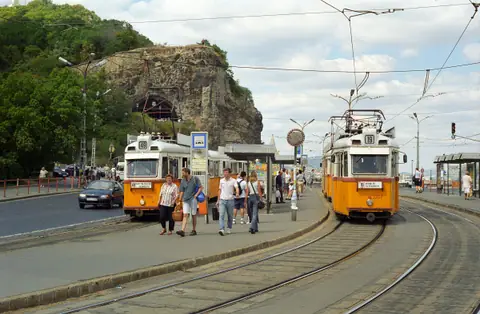
No. Four metro lines, yellow riverside trams and suburban trains reach every sight, and the Chain Bridge is closed to private cars. Day trips to Szentendre, Esztergom and Lake Balaton go by train.
Best for
Thermal baths: Ottoman domes and outdoor steaming pools fed by natural hot springs. Architecture: Gothic revival, Art Nouveau and Habsburg boulevards. Nightlife: courtyard ruin bars in the old Jewish Quarter.
Before you go
Currency: Hungary uses the forint (HUF), not the euro; pay by card in forints. Gellért Baths: closed for multi-year restoration, so pick Széchenyi, Rudas or Lukács instead. Parliament: book timed tours ahead or domes sell out.
Getting around
From the airport: bus 100E runs straight to Deák Ferenc tér on its own ticket, or bus 200E connects to metro M3 on standard passes. In the city: use the BudapestGO app or a 24/72-hour travelcard. Details in arrival and transport.
Continue your trip
River towns in the Danube Bend, royal Gödöllő and Lake Balaton make easy day trips from Budapest. Direct Railjet and EuroCity trains run west to Vienna in under three hours and continue north to Prague and Berlin.
Overview
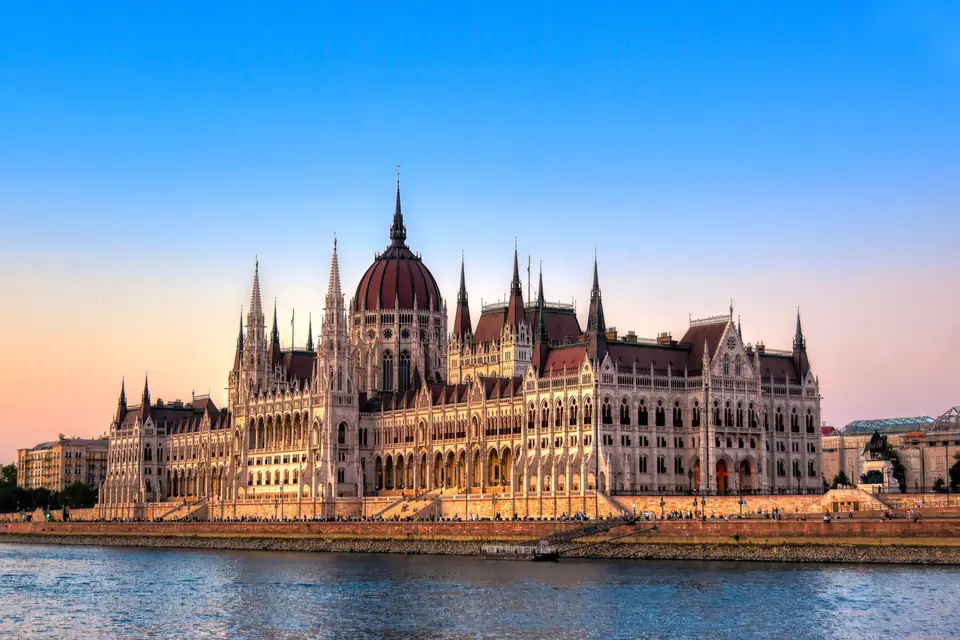
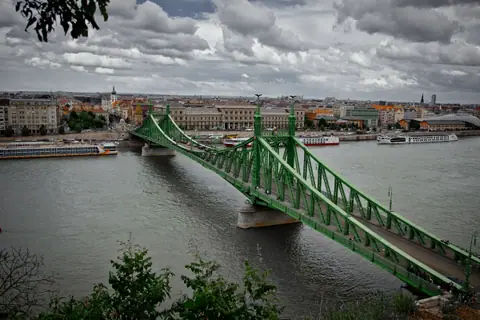
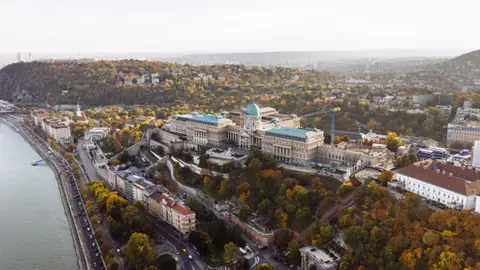
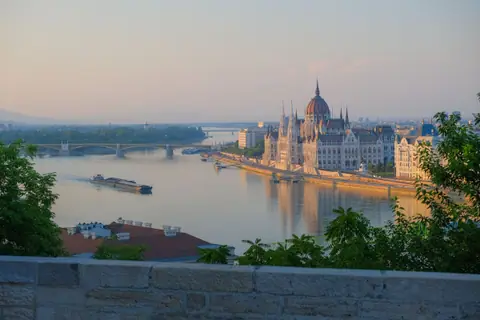
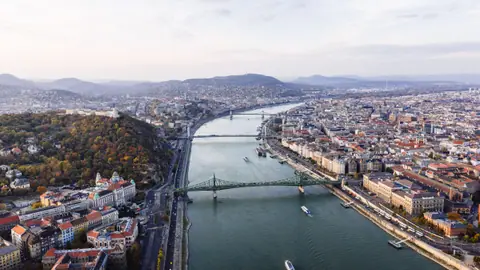
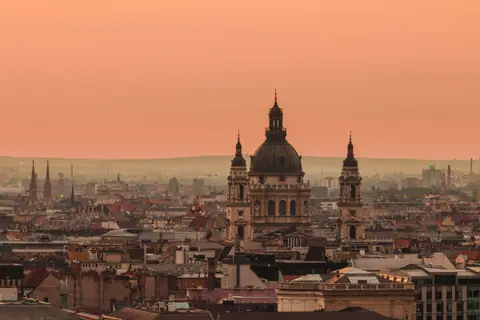
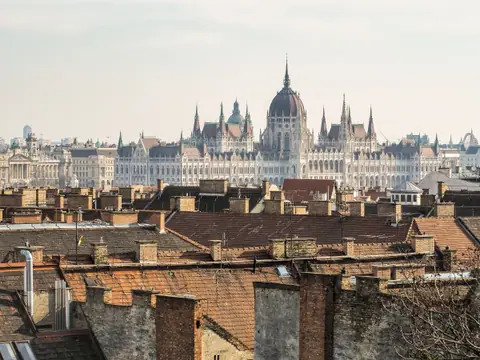
Budapest only became a single city in 1873, when hilly Buda and ancient Óbuda on the west bank of the Danube merged with flat, commercial Pest on the east bank. The river is not a backdrop on the edge of town; it cuts right through the middle, framed by the domes of Buda Castle and the spires of the Hungarian Parliament, with yellow trams rattling along both embankments.
Beneath the streets runs a fault line pumping mineral-rich hot water into more than a hundred springs. You can soak under a 16th-century Ottoman dome in the morning, climb the newly reopened Citadella on Gellért Hill in the afternoon, and spend the evening in a courtyard ruin bar inside the old Jewish Quarter. Read our first-timer briefing first to avoid currency traps and ticket fines.
Getting there
Budapest Ferenc Liszt International Airport (BUD) lies 16 km south-east of the centre. Express bus 100E runs round the clock to Deák Ferenc tér on a dedicated airport ticket (tap a bank card on the onboard reader), while bus 200E links the terminal to Kőbánya-Kispest station on metro line M3 using standard BKK fares. International trains from Vienna, Prague and Munich arrive at Keleti or Nyugati station. Full instructions are in our transport guide.
Where to stay
Budapest's 23 districts are numbered in Roman numerals. Most visitors stay on the Pest side in District V (by the river and Basilica), District VI (along Andrássy Avenue), District VII (the Jewish Quarter) or the calmer Palace District in VIII; District I on the Buda bank suits travellers who want quiet evenings under the castle. We compare the best areas in where to stay in Budapest.
Things to do
Start with the Parliament and Danube promenade, Buda Castle, Fisherman's Bastion and St Stephen's Basilica, then add at least one of the historic thermal baths and a walk up Andrássy Avenue to City Park. Our things to do guide ranks the highlights and points out what to skip.
Food and drink
Hungarian cooking goes well beyond tourist-menu goulash: kettle-cooked beef soup (gulyás), slow-braised pörkölt with nokedli dumplings, chicken paprikás, sour cherry soup and crisp market lángos, paired with dry volcanic whites from Somló and sweet Tokaji Aszú. Where to eat and how to shop at the Fővám tér hall are in our food and market guide.
Culture
Roman legionaries at Aquincum, medieval Hungarian kings on Castle Hill, 150 years of Ottoman rule, the Dual Monarchy burst of 1896 and the trauma of 1944 and 1956 all left visible layers across the city. You can trace that history from the synagogues of District VII and the House of Terror on Andrássy út to the porcelain roofs of Hungarian Art Nouveau.
Weather by month
Budapest is warmest in July, with average highs around 28°C, and coldest in January, when nights drop to about -2°C. May is the wettest month, with rain on about 12 days. For mild weather with fewer rainy days, aim for April, September and October.
| Month | Low | Range | High | Rain | Rainy days |
|---|---|---|---|---|---|
| Jan | -2°C | 4°C | 42 mm | 9 d | |
| Feb | 0°C | 8°C | 42 mm | 9 d | |
| Mar | 2°C | 12°C | 41 mm | 8 d | |
| Apr | 6°C | 17°C | 45 mm | 8 d | |
| May | 11°C | 21°C | 79 mm | 12 d | |
| Jun | 16°C | 26°C | 72 mm | 11 d | |
| Jul | 18°C | 28°C | 66 mm | 9 d | |
| Aug | 18°C | 28°C | 56 mm | 8 d | |
| Sep | 13°C | 23°C | 68 mm | 8 d | |
| Oct | 8°C | 17°C | 57 mm | 8 d | |
| Nov | 3°C | 10°C | 56 mm | 9 d | |
| Dec | -1°C | 5°C | 51 mm | 9 d |
Averages of daily values from 2015 to 2024. Rainy days are days with at least 1 mm of rain. Source: Open-Meteo · Compare destinations by month.
Budapest on the map
Every place we cover in Budapest. Tap a category or pin to explore.
In-depth Budapest guides
Browse the guides grouped by topic: sights, neighbourhoods, food, transport, day trips and trip planning.
Sights, Landmarks & Parks
Key monuments, viewpoints, museums and nature trails.
- Best Things to Do in BudapestOur ranked list of what to see and do in Budapest, followed by the tourist traps to pass over.
- Buda Castle and the Castle Quarter: How to VisitThe Royal Palace courtyards, St Stephen's Hall, medieval streets and the free lifts that skip the funicular queue.
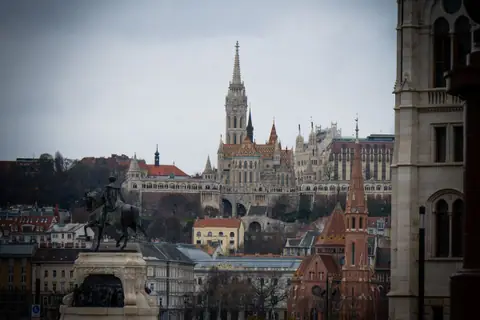
- Fisherman's Bastion and Matthias ChurchHow to time the lookouts at Fisherman's Bastion, visit Matthias Church and explore the quiet streets of northern Castle Hill.
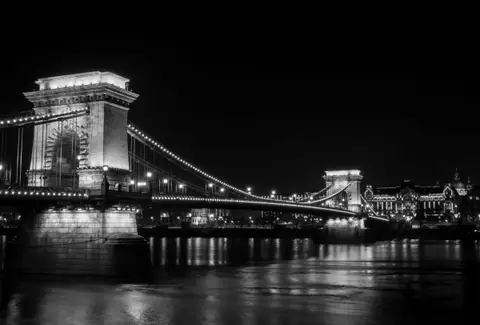
- The Hungarian Parliament and the Danube EmbankmentBooking the Parliament interior, the Shoes on the Danube memorial, the car-free Chain Bridge and the Pest embankment.
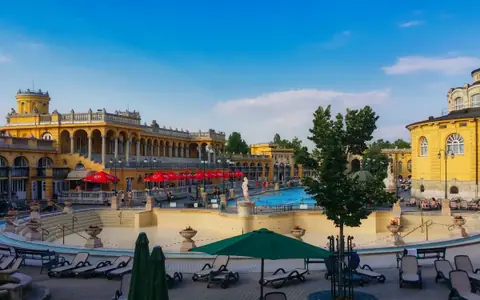
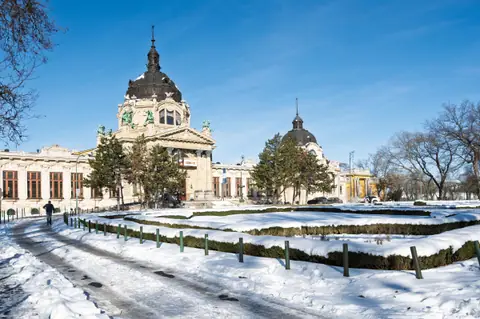
- Budapest Thermal Baths: Széchenyi, Rudas and How to ChooseComparing Széchenyi, Rudas, Lukács and Veli Bej, how cabins and wristbands work, and why Gellért is currently closed.
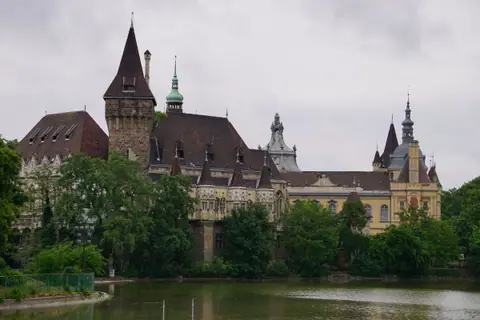
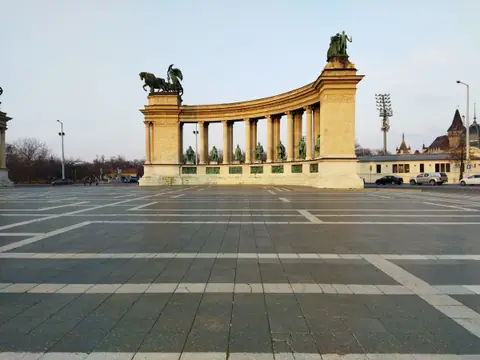
- City Park (Városliget), Vajdahunyad Castle and the House of MusicWhat to see behind Heroes' Square: Vajdahunyad Castle, the lake, two striking modern museums and Széchenyi Baths.
- Gellért Hill, the Reopened Citadella and Cave ChurchHow to walk up Gellért Hill to the reopened Citadella fortress park, the Liberty Statue and the Cave Church in the cliff.
- Margaret Island and Roman ÓbudaA car-free green island in the middle of the Danube, plus Roman ruins and Baroque squares just upstream in Óbuda.
Neighbourhoods & Where to Stay
Districts, historic quarters and the best bases for your stay.
- St Stephen's Basilica and Lipótváros: A Walking RouteA two-hour walk from the dome of St Stephen's Basilica through the grand squares and Art Nouveau roofs of District V.
- The Jewish Quarter and Dohány Street SynagogueThe Triangle of Synagogues in Inner Erzsébetváros, wartime memorials, kosher bakeries and visiting rules.
- Andrássy Avenue, the Opera House and Heroes' SquareA step-by-step route up Budapest's grandest boulevard, with the yellow Millennium Underground running straight underneath.
- Where to Stay in Budapest: Districts ComparedSix central neighbourhoods compared by atmosphere, noise levels, transport links and hotel value.
Food & Drink
Local dishes, markets, cafés and dining districts.
- Ruin Bars and Nightlife in BudapestFrom Szimpla Kert and courtyard ruin bars to Hungarian wine bars, craft beer rooms and Danube concert ships.
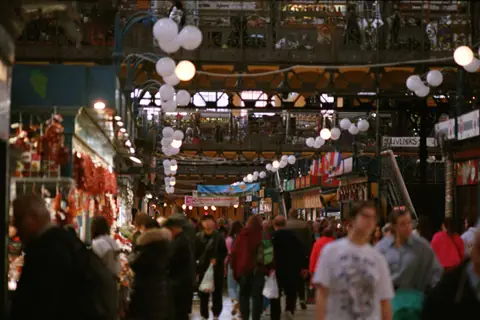
- The Great Market Hall, Goulash and Hungarian FoodHow to navigate the Great Market Hall, tell gulyás apart from pörkölt, and pick the best coffee houses and Hungarian wines.
Getting Around & Arrival
Airport transfers, public transit, passes and driving rules.
Day Trips & Excursions
Easy half-day and full-day trips from the city.
Trip Planning & Itineraries
When to visit, what to pack and day-by-day routes.
- Budapest: What to Know Before You GoBuda vs Pest, forint payments, ticket rules and the practical habits that save money on a first visit.
- Best Time to Visit Budapest: Seasons, Weather and Thermal BathsHow Budapest changes across the year, from warm May terraces and August festivals to steaming winter bathhouses.
- What to Wear in BudapestWhat to pack for the thermal baths, the steep cobbled hills of Buda and Budapest's four distinct seasons.
- 3 Days in Budapest: A Day-by-Day ItineraryThree days organised by river bank so you spend your time in the baths and castles rather than zigzagging across bridges.
Need your embassy or consulate in Hungary? See embassies and consulates in Hungary.
Reviews
Log in to write a review.
No reviews yet.