


























How to Get to Medellín: Airports, Túnel de Oriente, Metro and Metrocable
Practical transport guide to Medellín, covering José María Córdova International Airport (MDE), the 8.2 km Túnel de Oriente, Olaya Herrera Airport, and the Metro and Cívica card.
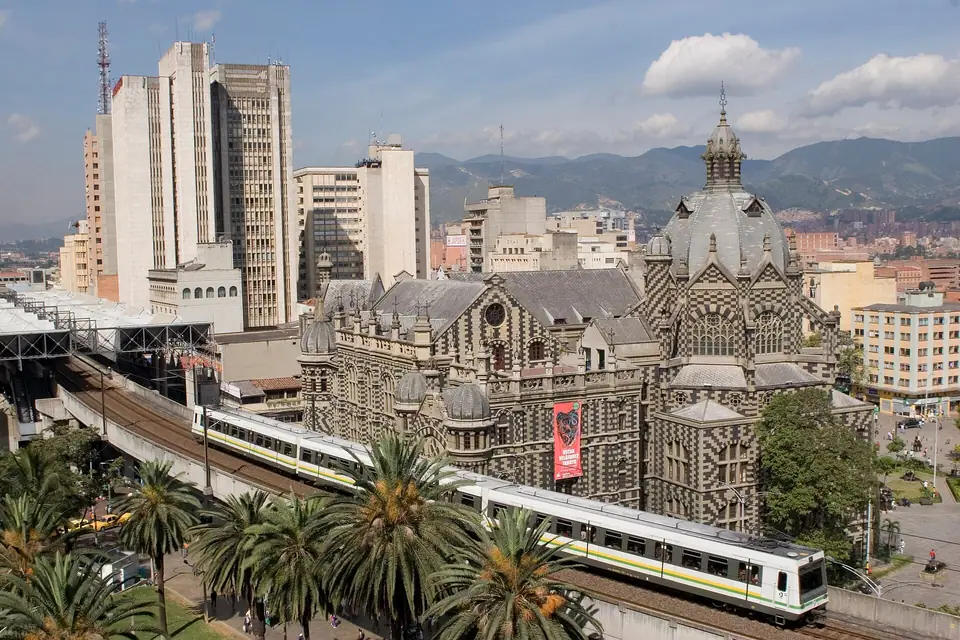
Because the Aburrá Valley is hemmed in by steep walls of the Central Andes, Medellín is served by two separate airports (an international hub on the high eastern plateau of Rionegro and a domestic regional airfield on the valley floor) and by the most integrated urban rail, tram, and aerial gondola network in South America.
Arriving by Air: José María Córdova (MDE) and Olaya Herrera (EOH)
- José María Córdova International Airport (IATA: MDE): Located 29 kilometres southeast of Medellín at 2,142 metres elevation on the plateau of Rionegro, MDE handles all international flights (from North America, Europe, Panama, Peru, Chile, and Brazil) and all mainline domestic jets from Bogotá, Cartagena, Santa Marta, and Cali. Since the inauguration of the 8.2-kilometre Túnel de Oriente (Eastern Tunnel) in August 2019, the journey between MDE Airport and El Poblado takes just 30 to 40 minutes by official white airport taxi, shared collective taxi, or the green-and-white Combuses airport shuttle bus (which drops passengers at San Diego Mall and behind Hotel Nutibara near Parque Berrío Metro station).
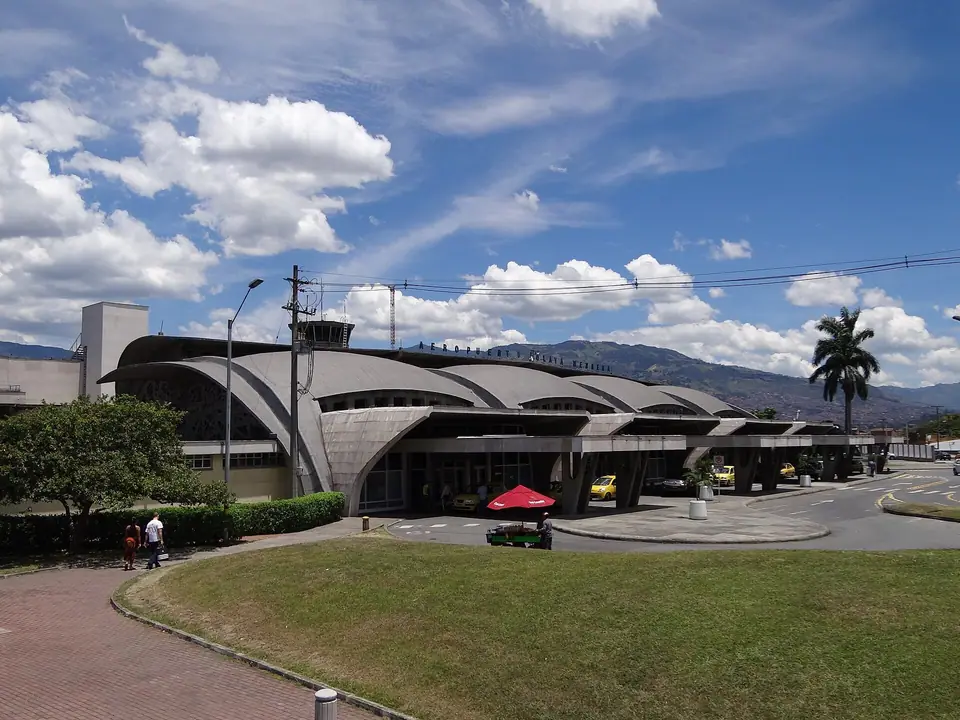
- Olaya Herrera Airport (IATA: EOH): Positioned directly inside southwest Medellín near Laureles and El Poblado, this historic 1932 airfield (where tango legend Carlos Gardel died in a 1935 runway collision) operates daytime regional turboprop flights to Pacific coast towns (Nuquí, Bahía Solano), the Coffee Axis, and Urabá.
Riding the Metro, Metrocable, and Ayacucho Tram
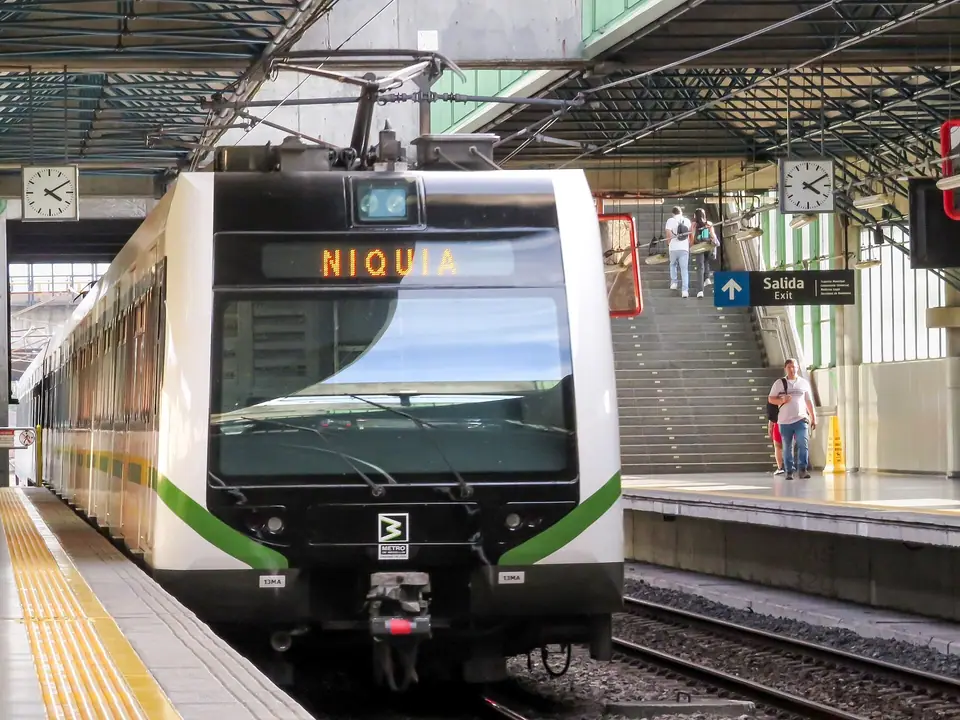
Inaugurated on 30 November 1995, the Metro de Medellín is a source of immense civic pride (known locally as Cultura Metro: eating, drinking, and littering are strictly prohibited inside stations).
- How to pay (Cívica Card & App): Foreign visitors can obtain a personalised Tarjeta Cívica free of charge by presenting a passport at the Customer Service Office (Punto de Atención al Cliente) at Niquía, Bello, Acevedo, San Antonio, San Javier, Envigado, or Itagüí stations, or purchase rechargeable Cívica Eventual cards at any station ticket window.
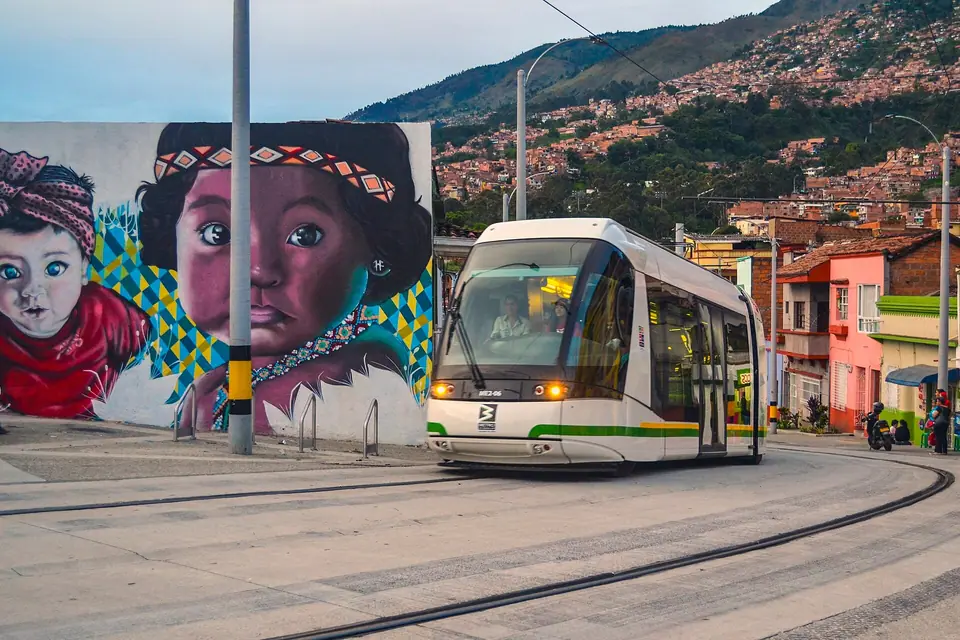
- Free Transfers: A single Metro fare includes free transfers at San Antonio between Line A, Line B, and the Tranvía de Ayacucho (Line T-A), as well as free transfers onto commuter Metrocable lines K, J, H, M, and P (only the tourist Line L extension to Parque Arví requires a separate ticket).
Terminal del Norte and Terminal del Sur (Intercity Buses)
Medellín has two main long-distance bus terminals: Terminal del Norte (connected directly by footbridge to Caribe Station on Metro Line A), where buses depart every 15 to 30 minutes for Piedra del Peñol and Guatapé and Santa Fe de Antioquia, and Terminal del Sur (next to Olaya Herrera Airport), serving routes south to Jardín, Jericó, and the Coffee Axis.
4. Getting Around Safely by Taxi and Ride-Hail
Yellow regulated taxis use digital meters across Medellín, while airport transfers between MDE and the valley operate on fixed zone rates.
Traveller tips
Real advice from people who have been to How to Get to Medellín: Airports, Túnel de Oriente, Metro and Metrocable. Every tip is read by our team before it goes live.
No tips yet. Been here? Yours could be the first.
Thank you! Your tip will appear here after a quick review.
More in Medellín
Continue exploring Medellín with related neighbourhood, food, and planning guides

Guatapé and Piedra del Peñol Day Trip Guide: 740 Steps and Painted Zócalos
Medellín, Colombia
Santa Fe de Antioquia and Puente de Occidente Day Trip Guide
Medellín, Colombia
Medellín: Essential Planning for the City of Eternal Spring
Medellín, Colombia
Things to Do in Medellín: Top Landmarks, Cable Cars and Day Trips
Medellín, Colombia
