Gothenburg
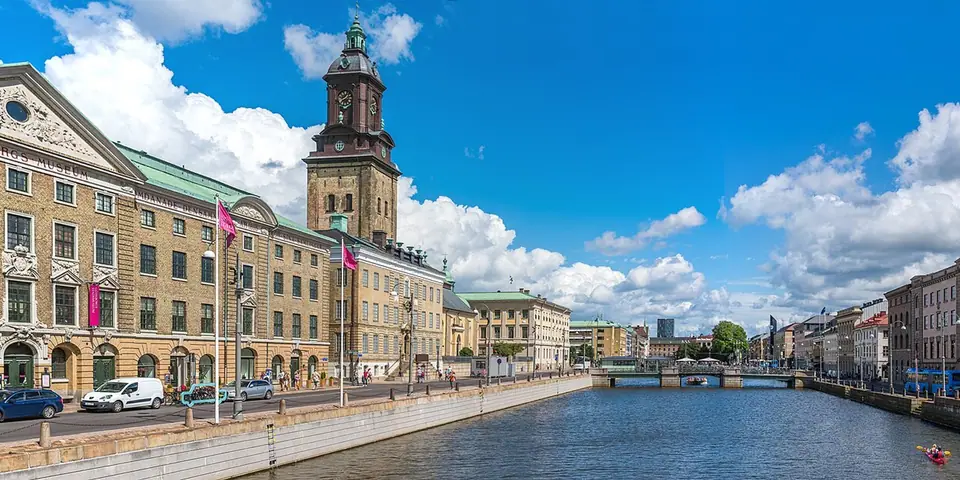
Founded by King Gustavus Adolphus in 1621 at the mouth of the Göta älv on the Kattegat coast, Gothenburg pairs 17th-century Dutch canals, Haga's wooden landshövdingehus, and West Coast seafood halls with Liseberg, Nordic art museums, and car-free archipelago islands.
Quick decisions
Overview
Situated where the Göta älv river meets the Kattegat strait on Sweden's west coast, Gothenburg (Göteborg) is the second-largest city in Sweden and the fifth-largest in the Nordic countries. Founded by royal charter in 1621 by King Gustavus Adolphus as a heavily fortified trading city with strong Dutch engineering influence, it covers a municipal area of 721.64 square kilometres (of which 271.41 square kilometres are water) and recorded 674,529 residents in the urban area and 1,100,000 in the metropolitan region in 2023. The Port of Gothenburg is the largest harbour in the Nordic countries, and the city is home to the University of Gothenburg and Chalmers University of Technology.
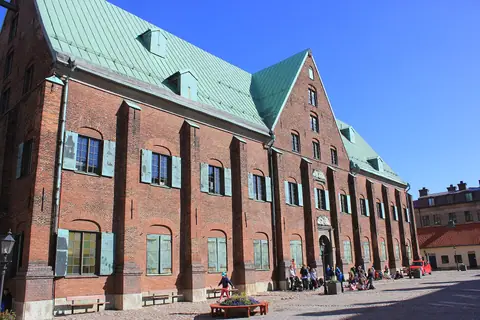
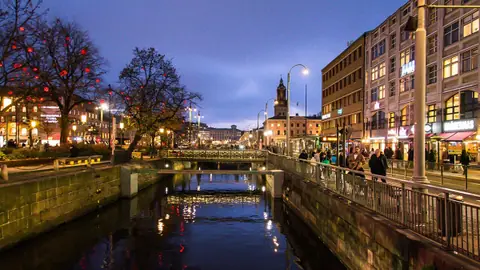
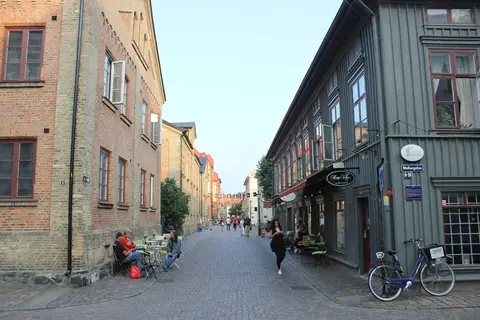
Inside the zig-zagged 17th-century moat (Vallgraven), Stora Hamnkanalen runs past Gustaf Adolfs torg, the 1643 to 1654 Kronhuset, and the 1762 Swedish East India Company House. South of the moat, Haga's wooden landshövdingehus sit below the 1687 to 1689 stone redoubt of Skansen Kronan, while Kungsportsavenyn leads up to Götaplatsen and Liseberg, Universeum, and World of Volvo. Across the river on Hisingen, converted shipyards at Lindholmen and Eriksberg face the inner quays across commuter ferry lanes, blending maritime industrial history with contemporary university campuses, waterfront boardwalks, and public design spaces that remain easy to explore on foot throughout the year.
Getting there
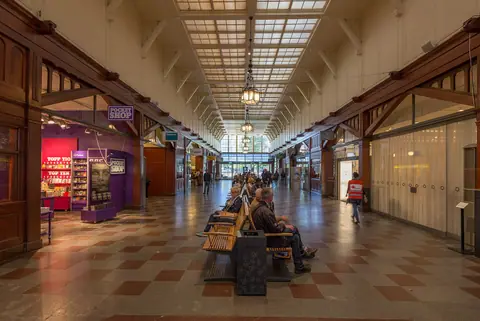
Göteborg Landvetter Airport (GOT) lies 20 to 25 kilometres east-southeast of the city centre in Härryda Municipality and served more than 5.3 million passengers in 2024 as Sweden's second-largest airport. Flygbussarna and FlixBus airport coaches connect Landvetter with Korsvägen and Nils Ericson Terminal beside Gothenburg Central Station (opened on 4 October 1858). Direct trains link Gothenburg with Stockholm, Oslo, and Copenhagen, while Stena Line ferries sail to Frederikshavn in Denmark and Kiel in Germany.
Once inside the city, the Västtrafik To Go mobile application unifies ticketing across all surface tram routes, municipal bus corridors, cross-river commuter ferries between Stenpiren and Hisingen, and passenger vessels departing Saltholmen for the car-free southern islands. Single tickets and multi-day passes operate through digital validation or contactless payment cards, allowing effortless transfers between rail platforms, inner-harbour shuttles, and coastal boat piers without separate paper tickets, cash exchanges, or complicated zone calculations across the central district and archipelago harbours.
Where to stay
Inom Vallgraven and Drottningtorget put you within steps of Gothenburg Central Station, Trädgårdsföreningen, and the central tram hub at Brunnsparken. Kungsportsavenyn and Lorensberg suit visitors prioritising Götaplatsen's museums and theatres, Haga and Linnéstaden offer quieter streets near Slottsskogen and Café Husaren, Korsvägen sits directly opposite Liseberg and Universeum, and Lindholmen and Eriksberg provide modern riverfront stays across the Göta älv.
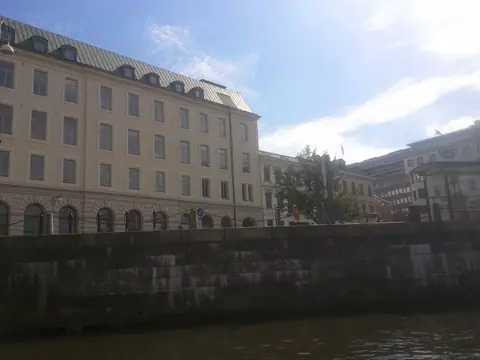
Because the municipal tram network radiates outward from Drottningtorget and Brunnsparken across Zone A, choosing a base comes down to architectural character and evening atmosphere. Historic stone buildings and converted postal palaces around the railway terminal suit short rail breaks, whereas leafy residential avenues near Vasastaden and Linnégatan place independent cafés, neighbourhood bakeries, and parkland paths right outside the front door. Travellers attending exhibitions or visiting with children often favour the high-rise hotels at Korsvägen, where airport coaches and multiple tram lines stop beside the main amusement park gates and science exhibition halls.
Things to do
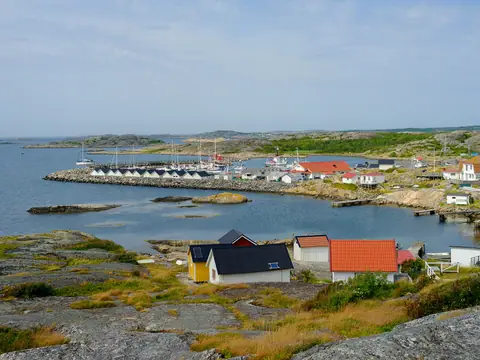
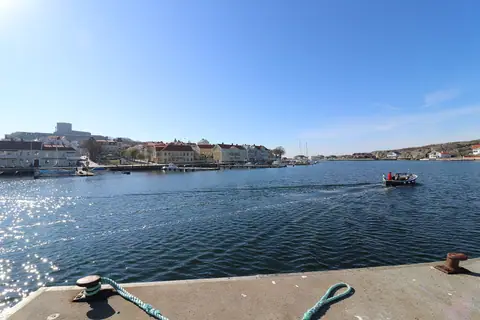
Beyond the inner canals and museum boulevards, Västtrafik trams and ferries make island excursions straightforward. Ride tram 11 to Saltholmen for passenger boats into the car-free southern Gothenburg archipelago of Styrsö, Brännö, Donsö, and Vrångö, or head north to Hönö Klåva, Öckerö, and the 17th-century hilltop fortress of Carlsten on Marstrand. Within the compact urban core, visitors can pair maritime history along the Göta älv riverfront at Packhuskajen and Maritiman with botanical walks through Trädgårdsföreningen, Slottsskogen, and the Gothenburg Botanical Garden.
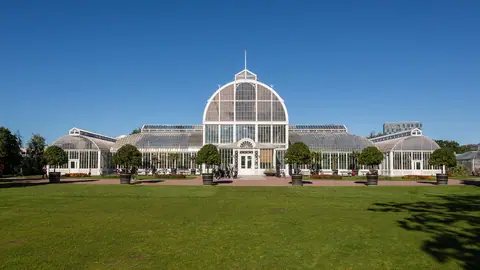
Each quarter connects smoothly by blue-and-white surface trams, allowing travellers to combine morning gallery visits around Götaplatsen with afternoon harbour walks, hillside fortress viewpoints above red-brick neighbourhoods, and coastal nature trails across glaciated granite skerries without needing a private vehicle. Exploring royal artillery storehouses from the seventeenth century, walking beneath glass palm conservatories along the moat, or boarding historic naval vessels moored beside the opera house shows how Gothenburg balances its maritime past with accessible green spaces, waterfront promenades, and living island communities.
Food and drink
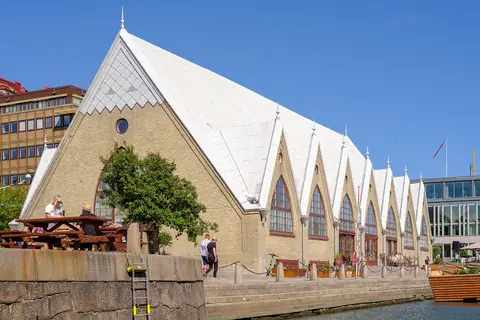
Gothenburg's kitchen is anchored by North Sea and Kattegat seafood landed along the Bohuslän and Västergötland coast. In What to Eat in Gothenburg, you can visit the 1874 Gothic Revival fish market hall of Feskekôrka by Rosenlundskanalen and the 1889 barrel-vaulted Stora Saluhallen on Kungstorget, order a hand-peeled King Size shrimp sandwich (räksmörgås) on rye or 1904-origin Hönökaka flatbread, and share an oversized Hagabullen cinnamon bun on Haga Nygata.
Cold-water prawns, Norway lobster, blue mussels, and freshly shucked oysters appear on counter chalkboards and bistro tables across the city, accompanied by creamy West Coast fish soup seasoned with saffron, root vegetables, and dill. Afternoon coffee breaks, known across Sweden as fika, fill the cobbled courtyards of Kronhusbodarna and the timber shopfronts of Haga and Linnéstaden with the scent of ground cardamom, roasted Arabica beans, and warm pastry dough. Independent craft breweries, waterfront smokeries on the islands, and neighbourhood wine bars along Tredje Långgatan round out an approachable, produce-driven dining culture rooted in fresh coastal ingredients, seasonal catches, and artisanal baking traditions.
Culture
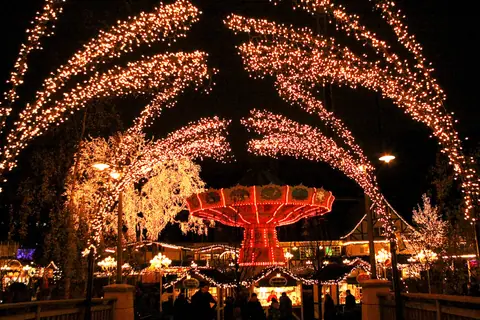
Gothenburg hosts the Nordic countries' largest film festival every January and February (founded in 1979), the Gothia Cup youth football tournament in July, the Way Out West music festival in Slottsskogen every August, and the Jul på Liseberg Christmas market in November and December. Beyond its annual festival calendar, the city's cultural identity reflects a dual heritage of maritime trade and civic philanthropy.
Merchant endowments in the late nineteenth and early twentieth centuries funded concert halls, theatre stages, design collections, and public botanical parks, culminating in the monumental ensemble built for the 1923 Tercentennial Jubilee Exposition around Götaplatsen and Korsvägen. Today the Gothenburg Symphony Orchestra performs in the maple-panelled auditorium of Konserthuset while experimental dance and opera productions fill the harbourside stage at Packhuskajen. Check our seasonal guide to the best time to visit Gothenburg, our three-day city and island itinerary, and our essential things to do to match museum exhibitions, orchestral performances, and outdoor island weather with your travel dates.
Across all seasons, the compact scale of the city centre means concertgoers, art lovers, and coastal walkers can move effortlessly between historical monuments, harbourfront stages, and peaceful botanical gardens on a single transit ticket.
Weather by month
Gothenburg is warmest in July, with average highs around 23°C, and coldest in January, when nights drop to about -2°C. January is the wettest month, with rain on about 2 days. For mild weather with fewer rainy days, aim for May.
| Month | Low | Range | High | Rain | Rainy days |
|---|---|---|---|---|---|
| Jan | -2°C | 3°C | 12 mm | 2 d | |
| Feb | -2°C | 3°C | 9 mm | 2 d | |
| Mar | 0°C | 6°C | 9 mm | 2 d | |
| Apr | 4°C | 12°C | 8 mm | 1 d | |
| May | 8°C | 17°C | 8 mm | 1 d | |
| Jun | 12°C | 20°C | 10 mm | 2 d | |
| Jul | 15°C | 23°C | 9 mm | 2 d | |
| Aug | 14°C | 22°C | 11 mm | 2 d | |
| Sep | 11°C | 18°C | 10 mm | 2 d | |
| Oct | 6°C | 12°C | 12 mm | 2 d | |
| Nov | 3°C | 7°C | 12 mm | 2 d | |
| Dec | 0°C | 4°C | 12 mm | 2 d |
Averages of daily values from 2015 to 2024. Rainy days are days with at least 1 mm of rain. Source: Open-Meteo · Compare destinations by month.
Gothenburg on the map
Every place we cover in Gothenburg. Tap a category or pin to explore.
In-depth Gothenburg guides
Browse the guides grouped by topic: sights, neighbourhoods, food, transport, day trips and trip planning.
Sights, Landmarks & Parks
Key monuments, viewpoints, museums and nature trails.
- Things to Do in Gothenburg: Museums, Canals, Liseberg and IslandsA curated guide to Gothenburg's essential landmarks, from 17th-century hilltop fortresses and Nordic art galleries to timber roller coasters and car-free islands.
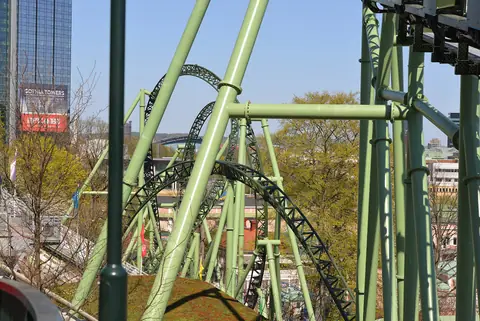
- Liseberg Amusement Park, Universeum and World of Volvo in GothenburgGothenburg's Korsvägen and Evenemangsstråket hub, bringing together the 1923 Liseberg amusement park, the Universeum science centre, and the 2024 circular timber pavilion of World of Volvo.
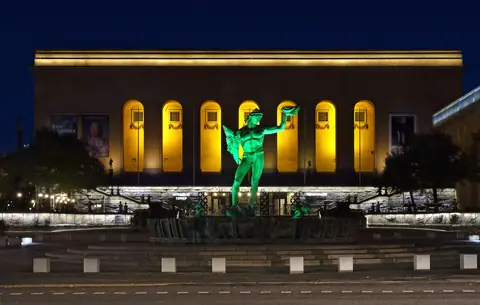
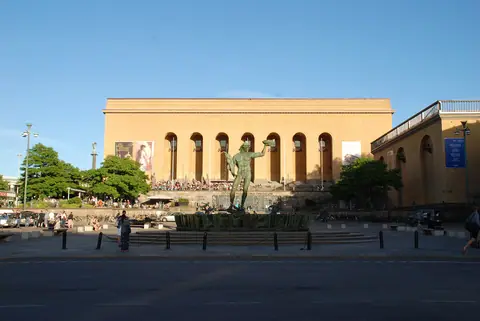
- Götaplatsen, Gothenburg Museum of Art, Röhsska Museum and AvenynGothenburg's grand boulevard of Kungsportsavenyn, rising from the moat to the 1923 ceremonial square of Götaplatsen, the Gothenburg Museum of Art, and the Röhsska Museum of design.
- Slottsskogen, Gothenburg Botanical Garden and TrädgårdsföreningenGothenburg's three historic parks: the 1842 canal-side Rose Garden and 1878 Palm House of Trädgårdsföreningen, 1876 Slottsskogen, and the 175-hectare Botanical Garden.
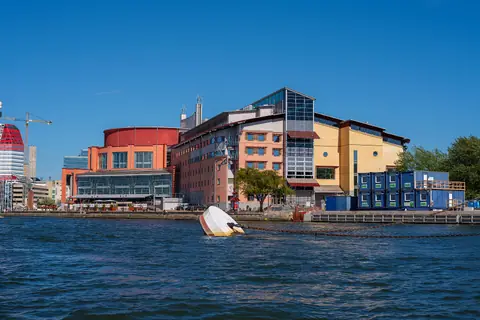
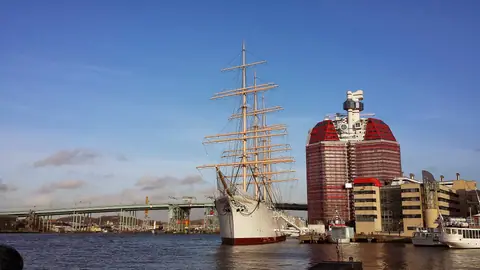
- Gothenburg Opera, Maritiman Ships, Eriksberg and Älvsborg BridgeTracing Gothenburg's maritime heritage along the Göta älv riverfront, from the 1994 Opera House, Barken Viking, and Maritiman's naval vessels to Lindholmen, Eriksberg, and New Älvsborg.
- Kronhuset, Gustaf Adolfs Torg and the Museum of GothenburgExploring Gothenburg's 17th- and 18th-century heart inside Inom Vallgraven: the 1643 to 1654 Kronhuset, Gustaf Adolfs torg, and the Museum of Gothenburg in the 1762 East India Company House.
- 3 Days in Gothenburg Itinerary: Canals, Haga, Museums and IslandsA step-by-step three-day route through Gothenburg linking the 1621 canal core, Haga and Skansen Kronan, Götaplatsen, Liseberg, and the car-free southern archipelago.
Neighbourhoods & Where to Stay
Districts, historic quarters and the best bases for your stay.
- Gothenburg: Dutch Canals, Haga and West Coast IslandsHow Gothenburg is laid out between the Göta älv river, the 17th-century Vallgraven moat, Haga, Kungsportsavenyn, and the Kattegat archipelago.
- Haga Wooden Quarter and Skansen Kronan Redoubt in GothenburgGothenburg's oldest suburb from 1647, known for preserved 19th-century brick-and-wood landshövdingehus on Haga Nygata and the 1689 octagonal hilltop fortress of Skansen Kronan.
- Where to Stay in Gothenburg: Best Areas from Inom Vallgraven to HagaA neighbourhood-by-neighbourhood comparison of Gothenburg's five main hotel bases, from 17th-century canal streets near Central Station to Avenyn, Haga, Korsvägen, and Lindholmen.
- Best Time to Visit Gothenburg: SMHI Climate, Daylight and FestivalsWhen to visit Gothenburg based on SMHI 1991 to 2020 climate normals, daylight hours from 18 hours in June to 6 hours and 32 minutes in December, and the annual festival calendar.
Food & Drink
Local dishes, markets, cafés and dining districts.
Getting Around & Arrival
Airport transfers, public transit, passes and driving rules.
Day Trips & Excursions
Easy half-day and full-day trips from the city.
- Southern Gothenburg Archipelago: Car-Free Styrsö, Vrångö and BrännöHow to explore the car-free islands of Gothenburg's southern archipelago in Västergötland using ordinary city transit tickets from Saltholmen and Stenpiren.
- Northern Archipelago: Hönö Klåva, Öckerö and Marstrand's Carlsten FortressBohuslän's northern island chain just north of Gothenburg, from the fishing harbours of Hönö Klåva and Öckerö to the royal sailing island and 17th-century fortress of Marstrand.
Need your embassy or consulate in Sweden? See embassies and consulates in Sweden.
Reviews
Log in to write a review.
No reviews yet.