


























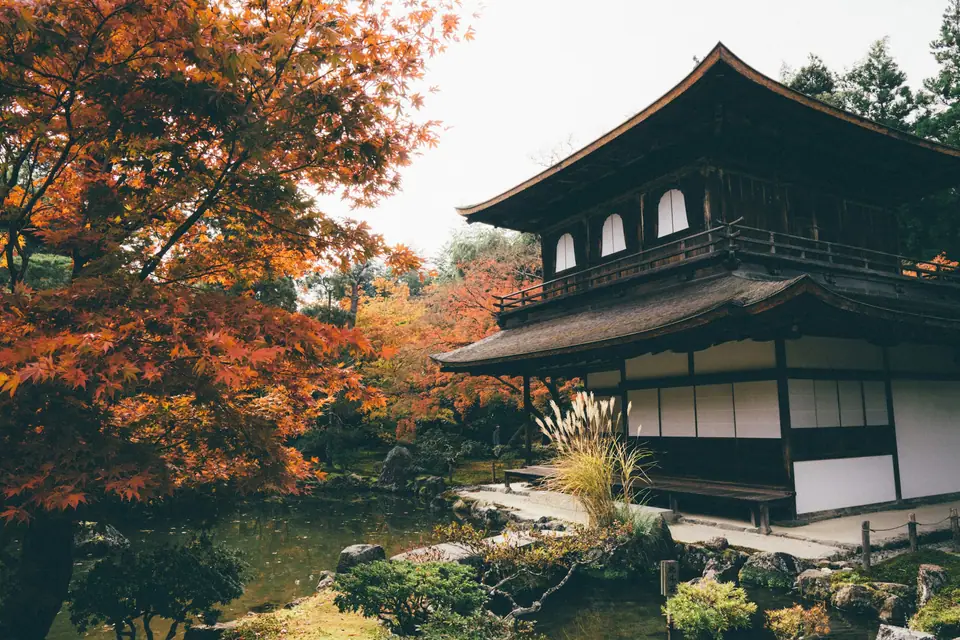
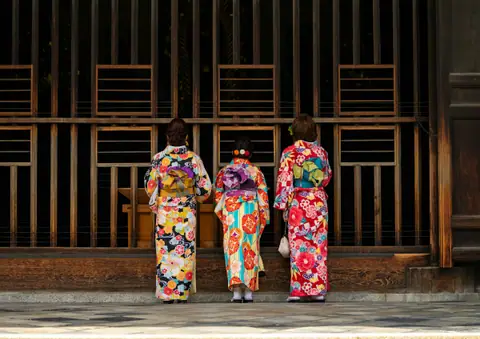
Photo by Will Schulenberg on Unsplash
Best Time to Visit Kyoto: Cherry Blossoms, Autumn Maples & Seasons
Month-by-month weather, cherry blossom and autumn maple timing, major festivals, and how to beat peak crowds.
Because Kyoto sits inside a three-sided mountain basin rather than on the open coast, its four seasons are sharper than in Tokyo or Osaka. Winters bring crisp frost and occasional dustings of snow on temple roofs. July and August trap humid subtropical heat across the valley floor. For the finest combination of clear skies, mild walking temperatures, and visual drama, two windows stand out above the rest. Plan for late October to early December (autumn maple foliage) or late March to mid-May (spring cherry blossoms and fresh green maple leaves).
Season-by-season breakdown: weather, foliage, and crowds
- Spring (March to May, 13.7 deg C to 23.5 deg C average highs). The iconic weeping cherry trees (shidarezakura) at Maruyama Park and Kyoto Gyoen open in late March. Full bloom (mankai) of Somei Yoshino cherry trees follows during the final days of March and first week of April. Prime blossom walks include the Philosopher's Path, the Shirakawa Canal in Gion, and the old Keage Incline rail track. After Japan's domestic Golden Week holidays (29 April to 5 May), mid-to-late May brings warm 23.5 deg C afternoons and lower hotel rates. May is also the season for luminous green maple canopies (ao-momiji) at Ruriko-in and Arashiyama.
- Early Summer & Rainy Season (June to mid-July, 26.4 deg C to 30.1 deg C highs). The East Asian monsoon front (tsuyu) brings warm, damp spells and around 14 to 17 wet days per month. Rain rarely falls all day without pause, and moisture turns Kyoto's moss gardens at Saiho-ji, Gio-ji, and Sanzen-in in Ohara an intense emerald green. June also brings 20,000 hydrangea bushes into bloom at Mimuroto-ji in Uji and early fireflies along the Shirakawa and Philosopher's Path canals.
- High Summer (mid-July to August, 30.1 deg C to 31.9 deg C highs, often exceeding 35 deg C). Afternoon heat and humidity inside the basin are fierce. Yet summer unlocks cultural traditions you cannot see at any other time of year. July brings the month-long Gion Matsuri festival across downtown. Meanwhile, restaurants erect over-water wooden dining platforms (kawadoko) along the Kamo River. In the northern mountain village of Kibune, diners sit on tatami decks directly over an icy stream. Air temperatures there stay 5 to 8 degrees cooler than downtown.
- Autumn (September to early December, 27.8 deg C down to 16.4 deg C highs). September remains warm with occasional passing typhoons, before October ushers in crisp, dry blue skies. By mid-to-late November, thousands of Japanese maples (iroha-momiji) turn fiery crimson and gold across the surrounding foothills. Top foliage viewpoints include Tofuku-ji's Tsutenkyo Bridge, Eikan-do, Kiyomizu-dera, Nanzen-ji, and the Hozu Gorge in Arashiyama. Many temples run special evening illuminations from mid-November to early December.
- Winter (December to February, 8.1 deg C to 10.6 deg C highs, lows near -0.7 deg C). Apart from the busy New Year shrine visit period (Hatsumode, 1 to 3 January) at Fushimi Inari and Yasaka Shrine, winter is calm. Mid-January and February offer the lowest hotel rates and quietest temple courtyards of the year. Occasional morning snow dusts the gold roof of Kinkaku-ji. Late February brings fragrant plum blossoms (ume) at Kitano Tenmangu Shrine and steaming pots of hot yudofu tofu.
Kyoto's four great annual festivals to plan around
Three historic court festivals (known collectively as the Kyoto Sandai Matsuri) plus the August Obon mountain fires shape the cultural calendar. Book Kyoto hotels four to six months ahead if your trip overlaps any of these dates:
- Miyako Odori & Spring Dances (1 to 30 April). The geiko and maiko of Gion Kobu perform daily choreographed spring dances at the Gion Kobu Kaburenjo theatre. Parallel spring dance seasons take place in Kamishichiken (Kitano Odori), Miyagawacho (Kyo Odori), and Pontocho (Kamogawa Odori in May).
- Aoi Matsuri (15 May). Dating back to the sixth century, an imperial procession of more than 500 participants dressed in aristocratic Heian-period court robes walks from the Kyoto Imperial Palace. Ox carts and riders continue north to Shimogamo Shrine and Kamigamo Shrine adorned with fresh hollyhock (aoi) leaves.
- Gion Matsuri (1 to 31 July, main parades 17 July and 24 July). Originating in 869 CE to appease plague deities, Japan's most famous festival fills central Karasuma and Shijo streets. Thirty-four towering wooden festival floats (yamaboko) hung with sixteenth-century tapestries roll through downtown on 17 and 24 July. The lantern-lit pedestrian street parties on the three evenings before the 17 July Saki-Matsuri parade (Yoiyama, 14 to 16 July) are the atmospheric highlight.
- Gozan no Okuribi (16 August, from 20:00). To guide ancestral spirits back to the spirit world at the close of Obon, five giant bonfire symbols are lit across the surrounding peaks. They start with the 75-metre character Dai (大) on Mount Daimonji at 20:00 and ignite sequentially at five-minute intervals around the Kyoto Basin.
- Jidai Matsuri, the Festival of the Ages (22 October). Marking the anniversary of Emperor Kanmu's 794 CE founding of Heian-kyō, 2,000 citizens march from the Imperial Palace to Heian Shrine. Participants wear historically accurate costumes spanning eleven centuries of Kyoto history, from the Meiji Restoration back to the Enryaku era.
How time of day beats time of year
Even during peak cherry blossom week in early April or maple week in late November, Kyoto clears out at the edges of the clock. Open-access shrines and streets, including Fushimi Inari Taisha, the Arashiyama Bamboo Grove, Yasaka Shrine, Ninenzaka, and the Philosopher's Path, are peaceful between 06:00 and 08:00. Gated temples such as Kiyomizu-dera (open 06:00) and Tofuku-ji (opening early at 08:00 or 08:30 in November) reward the very first slot of the morning. Conversely, popular indoor sights like Nijo Castle and Sanjusangen-do are calmest during the final hour before closing. Pair your travel dates with our what to wear in Kyoto guide and our 3-day Kyoto itinerary.
Where it is
- 1Kyoto
- Osaka Itami International Airport (ITM) · about 39 km from Kyoto in a straight line
- Directions in Google Maps
Stations and taxi ranks: OpenStreetMap. Airports: OurAirports. Distances are in a straight line.
Traveller tips
Real advice from people who have been to Kyoto. Every tip is read by our team before it goes live.
No tips yet. Been here? Yours could be the first.
Thank you! Your tip will appear here after a quick review.
More in Kyoto
Continue exploring Kyoto with related neighbourhood, food, and planning guides
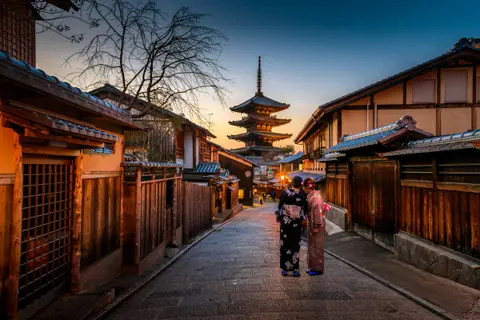
Kyoto Orientation: 794 Heian-kyō Grid, Basin Geography & 2024 Rules
Kyoto, Japan
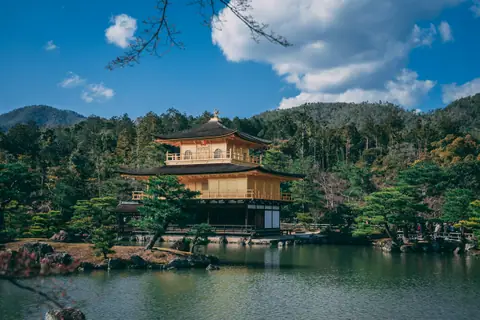
Best Things to Do in Kyoto: 14 Iconic Temples, Zen Gardens & Walks
Kyoto, Japan
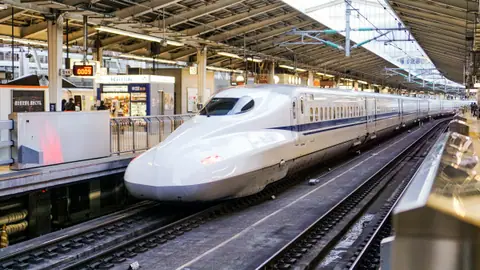
How to Get to Kyoto: KIX Haruka, Shinkansen & 2024 Bus Reforms
Kyoto, Japan
What to Wear in Kyoto: Temple Shoe Rules, Seasonal Layers & Kimono
Kyoto, Japan
