

Kyoto Travel Guide: What to Know Before You Go
The most common mistake in Kyoto is arriving at the famous places at the same time as everyone else. Kiyomizu-dera at 11am in cherry blossom season is a slow shuffle in a crowd. The same terrace at opening time, or in the last hour before closing, is a different place. Nearly every piece of advice below comes back to that.
How the city is laid out
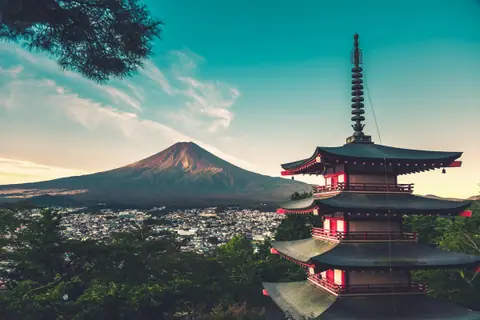
Central Kyoto is a grid, copied from the Chinese capital Chang'an in the 8th century. Streets run north to south and east to west, and addresses are often given by the nearest crossing, so "Shijo-Karasuma" means where Shijo Street meets Karasuma Street. The Kamo River runs down the east side of downtown. East of the river are Gion and the Higashiyama hills, with most of the famous temples. Arashiyama is out on the western edge, and Fushimi Inari is to the south, a few minutes by train from Kyoto Station.
How many days
Three full days covers the essentials without racing, and four is more comfortable. With less, pick two areas and do them properly rather than skimming five. Our 3-day itinerary shows how we'd split it.
Crowds and buses
The city buses are where Kyoto trips go wrong. On popular routes they fill up at the first stop and crawl through traffic. Use the subway, JR and the private railways (Keihan, Hankyu, the little Randen tram) wherever you can, and walk between neighbouring sights. The old tourist bus day pass is gone, so check our getting there and around guide for what replaced it.
Money and taxes
Cards and phone payments are accepted in most hotels, shops and restaurants, but small temples, shrine stalls and some older restaurants are still cash only. An ICOCA or Suica card, or the digital version on your phone, pays for trains, buses and convenience stores. Kyoto also charges an accommodation tax per person per night, and it rose steeply from March 2026, especially for expensive rooms. Some hotels collect it at check-in rather than in the booked rate, so don't be surprised by it.
Etiquette
Take your shoes off where you see a step up and a row of slippers. Don't eat while walking in busy streets, and carry your rubbish with you, since public bins are rare. In Gion, stay out of the private lanes and never follow or photograph a maiko without permission. Our Gion guide explains the rules there.
Tap water is safe, plugs are the flat two-pin type at 100V, and tipping isn't expected anywhere. Leaving money on the table usually means someone chasing you down the street to return it.