


























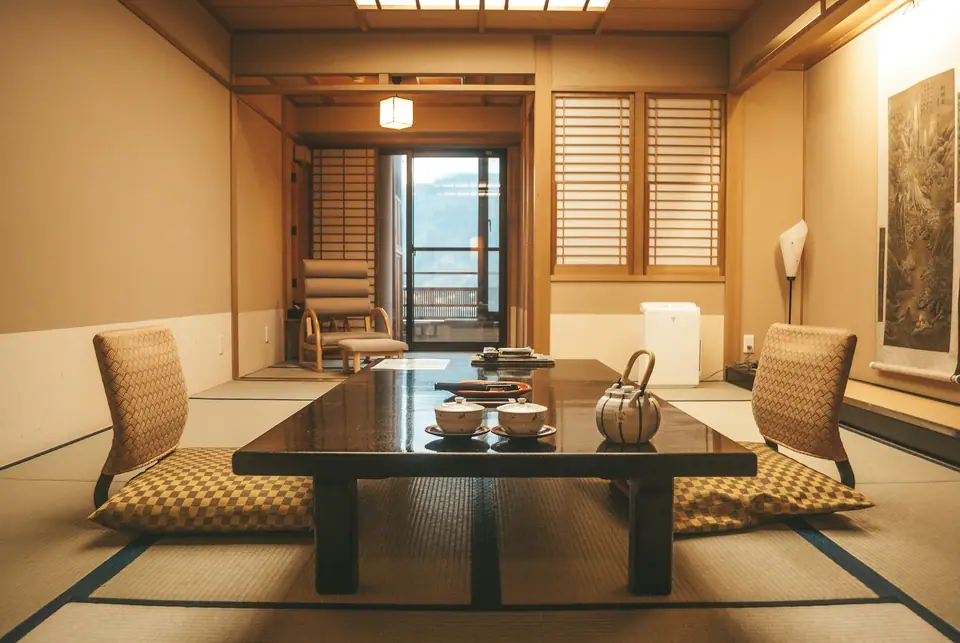
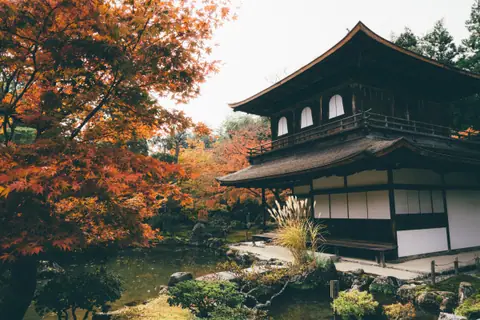
Photo by Filiz Elaerts on Unsplash
Where to Stay in Kyoto: Downtown, Kyoto Station, Gion & Ryokan Guide
A practical comparison of Kyoto's main hotel neighbourhoods, traditional ryokan inns, machiya townhouses, and the revised 2026 accommodation tax.
Kyoto's central grid is compact enough to cross in twenty minutes by subway or train, yet where you book your room shapes every morning and evening. Unlike Tokyo, where late-night dining surrounds almost every rail junction, Kyoto's temple districts grow hushed and dark soon after 18:00. Meanwhile, the commercial avenues west of the Kamo River stay lively until midnight. For most first-time visitors, the smartest choice is basing yourself in Downtown Kyoto (around Shijo-Kawaramachi, Karasuma, or Karasuma Oike). Another popular strategy is splitting a four-night stay between three nights in a modern downtown hotel and one memorable night in a traditional ryokan.
Kyoto's five main accommodation areas compared
- Downtown Kyoto (Shijo-Kawaramachi, Karasuma & Sanjo). Stretching between Karasuma-dori and the Kamo River, Kyoto's commercial and culinary heart puts you within a short walk of Nishiki Market. Across the Shijo and Sanjo bridges lie Pontocho and Gion. Hundreds of izakaya taverns, ramen counters, department-store food halls (depachika), and obanzai counters fill the side streets. Downtown connects directly to the Karasuma Subway, Tozai Subway, Hankyu Kyoto Line, and Keihan Main Line. Those four rail links make it the best all-round base for a first trip.
- Kyoto Station Area (Shimogyo & Minami Wards). Surrounding the 1997 station complex, this district offers large international hotels and effortless arrival and departure on the Tokaido Shinkansen and JR Haruka airport express. You get instant access to station coin lockers, five-minute rail hops to Fushimi Inari, and direct trains to Nara, Uji, and Osaka. The trade-off is a modern concrete streetscape with fewer historic wooden lanes in the evening, though the station building itself holds dozens of casual restaurants.
- Southern Higashiyama & Gion. Sleeping east of the Kamo River around Yasaka Shrine, Kodai-ji, or Kiyomizu-Gojo puts historic wooden streets right outside your door. You can walk up empty stone slopes to Kiyomizu-dera at 06:00 and stroll lantern-lit alleys after day-trippers leave. In exchange, room rates are higher and steep flagstone lanes are awkward with wheeled suitcases. Train stations (Keihan Gion-Shijo and Kiyomizu-Gojo) sit down by the river, and many local restaurants close early unless you cross the bridge to Pontocho.
- Okazaki, Nanzen-ji & Northern Higashiyama. Around the Tozai Subway stations of Keage and Higashiyama, leafy canal-side streets surround Heian Shrine, the Kyoto City KYOCERA Museum of Art, and Nanzen-ji. This refined neighbourhood houses some of Kyoto's finest luxury hotels and historic garden ryokan. It suits couples or second-time visitors seeking peaceful mornings near the Philosopher's Path.
- Arashiyama (Western Kyoto). Situated 16 minutes west of Kyoto Station by JR train, Arashiyama is too far out to serve as a convenient base for eastern temples. Still, spending one splurge night at a riverside hot-spring ryokan near Togetsukyo Bridge puts you inside the Bamboo Grove at sunrise before downtown trains arrive.
Western hotel vs traditional Ryokan vs restored Machiya townhouse
If your budget allows, dedicate one night of your trip to traditional Japanese architecture rather than staying exclusively in western-style beds:
- Traditional Ryokan Inn. You remove your shoes at the entrance threshold and step onto woven tatami reed mats. Each evening while you dine, an attendant (nakai-san) lays out plush quilted futon mattresses on the tatami. Guests wear a cotton yukata robe to soak in a cypress wood communal or private bath (ofuro). Most ryokan offer a multi-course seasonal kaiseki (ky-SEH-kee) dinner and Japanese breakfast served in your room or dining hall. Note that kaiseki dinners have strict seating times around 18:00 to 19:00 and must be reserved days in advance. Always check meal times and front-door curfews before booking.
- Restored Kyo-Machiya Townhouse. Traditional wooden merchant houses are known locally as "eel beds" (unagi no nedoko). Their street frontages are narrow while their interiors stretch deep back around a tiny inner courtyard garden (tsuboniwa). Whole two-storey machiya are frequently rented as private self-catering houses for families or small groups, often featuring a cypress tub and kitchenette. Always verify that any rental displays an official Hotels and Inns Business Act licence. Note that historic wooden stairs are steep and winter insulation is lighter than in modern concrete hotels.
Understanding Kyoto's revised March 2026 Accommodation Tax
Since October 2018, the City of Kyoto has collected a municipal Accommodation Tax (Shukuhaku-zei) charged per person, per night. The tax applies across all hotels, ryokan, hostels, and licensed short-term rentals. Effective 1 March 2026, Kyoto introduced Japan's highest tiered municipal accommodation tax to fund sustainable tourism infrastructure and crowd relief. Based on the pre-tax, room-only rate per person per night, the five tiers are:
- Lowest nightly rate band per person. Standard baseline accommodation tax rate per person, per night (check current rates directly on the official site before travelling).
- Lower-mid nightly rate band per person. Second-tier accommodation tax rate per person, per night (check current rates directly on the official site before travelling).
- Upper-mid nightly rate band per person. Mid-tier accommodation tax rate per person, per night (check current rates directly on the official site before travelling).
- High-end nightly rate band per person. Higher-tier accommodation tax rate per person, per night (check current rates directly on the official site before travelling).
- Luxury nightly rate band per person. Top-tier accommodation tax rate per person, per night (check current rates directly on the official site before travelling).
Many hotels collect this tax separately at the front desk upon check-in rather than bundling it into prepaid online rates. Check your booking confirmation carefully so the check-in charge is never a surprise. Lock in rooms four to six months ahead for the peak cherry blossom, Gion Matsuri, and autumn maple dates in our best time to visit guide. Once you pick your base, link your sightseeing days with our 3-day Kyoto itinerary. When comparing room categories, check whether the property offers coin-operated washer-dryers on site and whether morning breakfast includes Kyoto-style obanzai dishes (simmered seasonal vegetables, dashi-rolled omelette, grilled fish, and warm silken tofu) rather than just toast and coffee. Staying within a five-minute walk of a Karasuma or Tozai subway entrance also makes rainy afternoons and summer heat far easier to manage between temple visits. Keep your hotel's Japanese address card in your wallet so taxi drivers can drop you directly at your entrance after late dinners in Pontocho or Gion.
Where it is
- 1Kyoto
- Osaka Itami International Airport (ITM) · about 39 km from Kyoto in a straight line
- Directions in Google Maps
Stations and taxi ranks: OpenStreetMap. Airports: OurAirports. Distances are in a straight line.
Traveller tips
Real advice from people who have been to Kyoto. Every tip is read by our team before it goes live.
No tips yet. Been here? Yours could be the first.
Thank you! Your tip will appear here after a quick review.
More in Kyoto
Continue exploring Kyoto with related neighbourhood, food, and planning guides
Kyoto Orientation: 794 Heian-kyō Grid, Basin Geography & 2024 Rules
Kyoto, Japan
Best Things to Do in Kyoto: 14 Iconic Temples, Zen Gardens & Walks
Kyoto, Japan
How to Get to Kyoto: KIX Haruka, Shinkansen & 2024 Bus Reforms
Kyoto, Japan
Best Time to Visit Kyoto: Cherry Blossoms, Autumn Maples & Seasons
Kyoto, Japan
