


























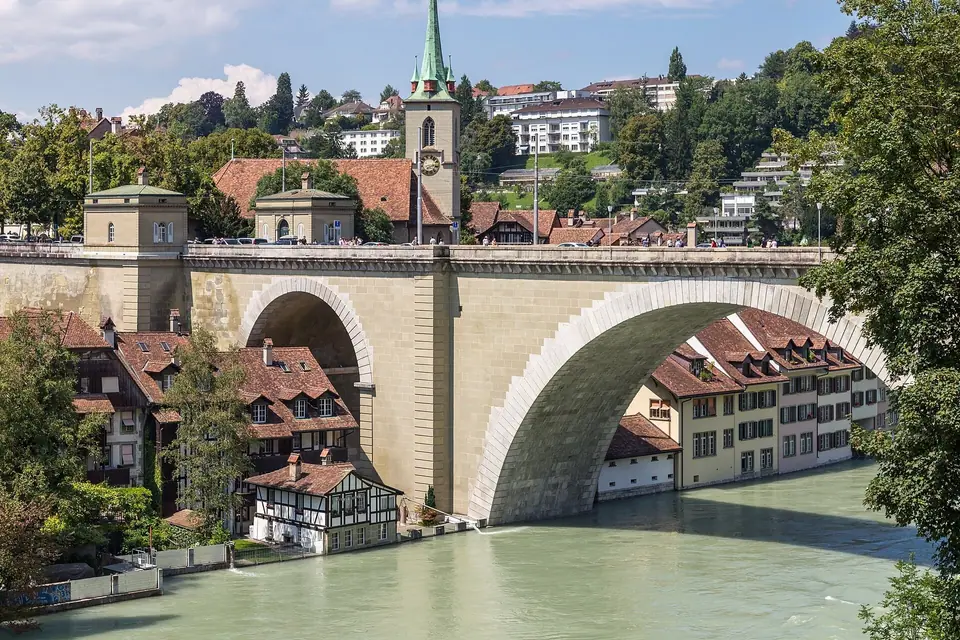
Bear Park (BärenPark), Nydeggbrücke & Rosengarten Viewpoint
Exploring Bern's heraldic brown bears at the 6,000-square-metre riverside BärenPark, the 1844 Nydeggbrücke stone arch, and the panoramic Rosengarten.
According to the fifteenth-century Bernese chronicle of Conrad Justinger, Duke Berchtold V of Zähringen named the city of Bern in 1191 after a bear, the first animal felled during a hunt in the oak woods around the Aare peninsula. A black bear climbing a red diagonal band on a gold field has appeared on Bern's city seal since 1224, and the city has kept live bears in municipal enclosures since at least 1513, when Bernese soldiers returned from the Battle of Novara with a live bear as war booty. Today that tradition continues at the eastern tip of the Old Town, where the stone arch of the Nydeggbrücke connects the medieval streets to the riverside BärenPark and the hillside terraces of the Rosengarten. Pair this eastern loop with the Bern Minster and Nydeggkirche and our Bern travel guide.
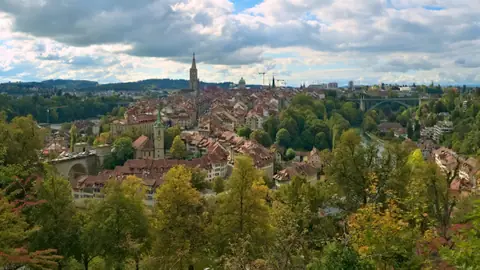
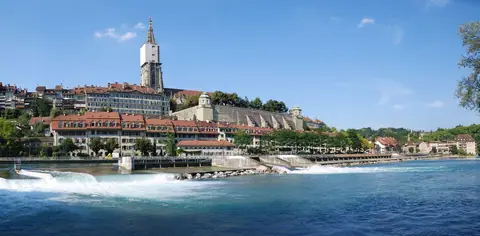
This easternmost bend of the Aare is where the geometry of the medieval peninsula becomes clearest: standing on the high bridge or the rose terrace above, you can trace how the turquoise river wraps around the sandstone townhouses and red-tiled roofs below the Minster spire.
From the 1857 Bärengraben to the 6,000-Square-Metre BärenPark
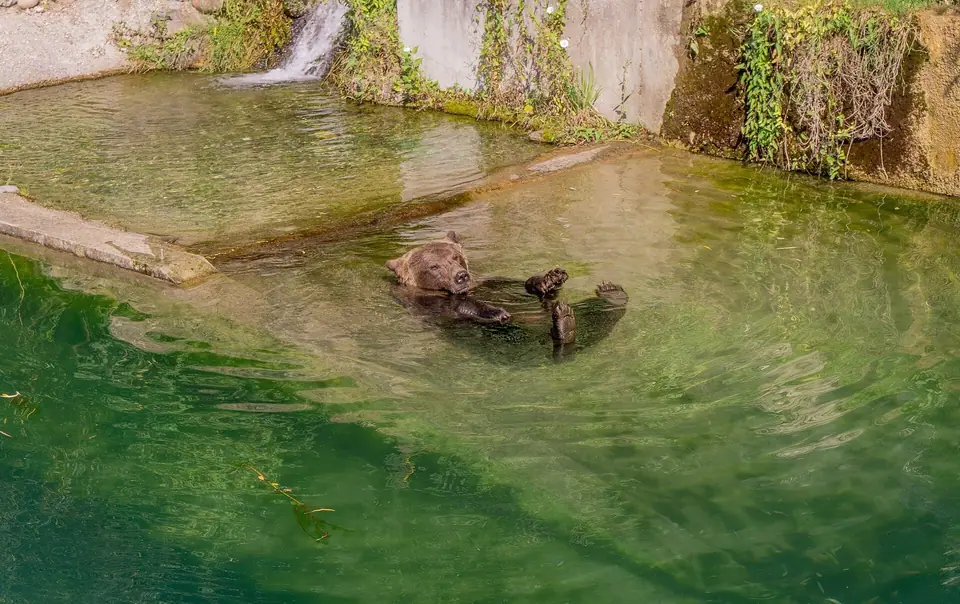
After occupying three earlier sites inside the city walls (at today's Bärenplatz from 1513 to 1763, near the Bollwerk until 1825, and beside the Aarbergertor until 1857), Bern's bear pit moved to the eastern end of the Nydeggbrücke on 27 May 1857. Designed in a figure-of-eight layout and modified in 1925 and 1996, the circular stone pit (Bärengraben) eventually drew criticism for its confined quarters. Following a city council vote in May 2007, Bern constructed the landscaped 6,000-square-metre BärenPark on the steep wooded slope descending to the Aare river, opening it in October 2009. Here European brown bears, beginning with Björk and Finn in 2009 and their daughter Ursina, born in December 2009, roam grassy terraces, dig in caves and logs, and swim in a long pool parallel to the river. Since 2015, the curved BäreBähnli inclined glass elevator has carried visitors free of charge between Grosser Muristalden and the riverside path.
While the historic nineteenth-century stone pit remains intact at the top of the slope as an architectural monument, the bears spend their days foraging among boulders, bushes, and water channels along the riverbank, retreating into quiet hillside dens during the cold winter dormancy months. Both the upper parapet and the lower riverside walkway remain open to the public around the clock without an admission charge.
The 1844 Nydeggbrücke and the Medieval Untertorbrücke
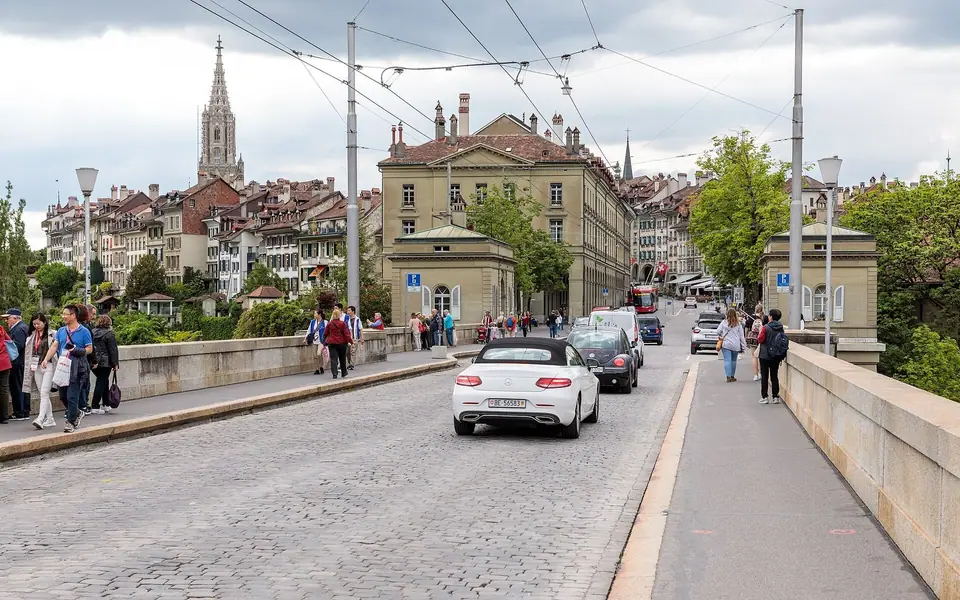
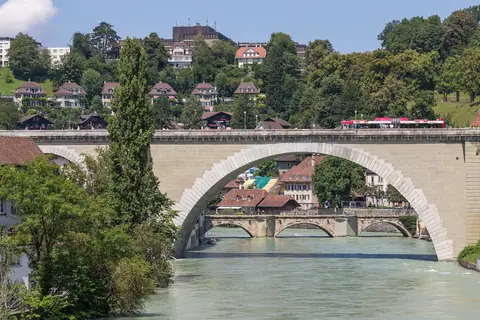
Before 1844, travellers leaving Bern toward the east descended the steep cobbled slope of the Stalden to cross the three stone arches of the Untertorbrücke at water level, built in 1256 in timber, rebuilt in tuff and sandstone from 1461 to 1489, and still standing as Bern's oldest bridge. Between 1840 and November 1844, engineer Karl Emanuel Müller erected the high-level Nydeggbrücke 24 metres above the Aare with a single central stone arch spanning 46 metres, flanked by four Classical sandstone tollhouses (Zollhäuschen) where tolls were collected until 1853.
Walking out onto the middle of the Nydeggbrücke offers two contrasting river views: looking north reveals the medieval stone piers and tiled chapel bay of the Untertorbrücke framed by old sycamore trees, while looking south follows the foaming curve of the Aare toward the Matte quarter and the Minster terrace. Detouring down the cobbled ramp to the lower bridge lets you admire the timber roof projections and waterfront gardens at river level.
Climbing to the Rosengarten Above the Old Town
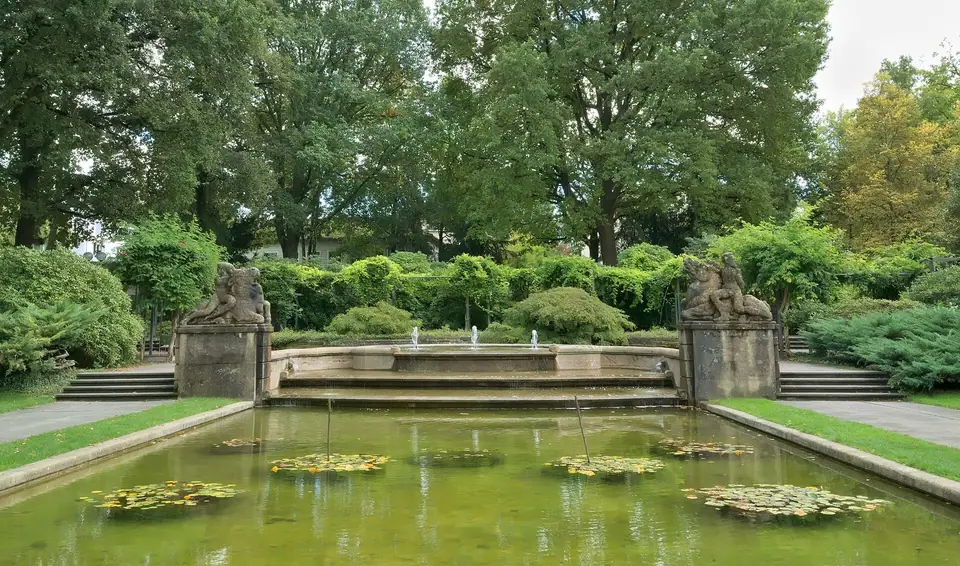
From the BärenPark, ride bus 10 toward Ostermundigen or walk ten minutes up the shaded path along Alter Aargauerstalden to the Rosengarten. Used as the lower town cemetery from 1765 to 1877, the plateau was converted into a public park from 1913 to 1917 by Adolf Vivell and Karl Indermühle. Today the free park displays 223 rose varieties, 200 iris varieties, and 28 rhododendron groups around a water-lily pond, a reading pavilion, busts of Jeremias Gotthelf and Albert Einstein, and the classic panorama over the Bern Minster and the Aare loop.
Because the Rosengarten faces west across the river bend, late afternoon and early evening light illuminates the olive-grey sandstone facades and red roofs of the peninsula from end to end, with the Jura hills rising in the background.
Riverside Footpaths Along the Eastern Bend
After taking in the view from the Rosengarten balustrade, return to the river level via the wooded footpath or the inclined lift and follow the flat pedestrian towpath upstream past the bear pools and under the Nydeggbrücke into the historic lanes of the Matte; see our seasonal guide for when the rose and iris beds reach peak bloom.
When visiting the riverside bear enclosures and the hillside rose garden, plan your route to take advantage of the changing elevation. Starting on the Old Town ridge at the eastern end of Gerechtigkeitsgasse, you can cross the level stone deck of the Nydeggbrücke, peer down into the historical circular pits of the Bärengraben, and then ride the inclined glass lift straight down to the riverbank towpath where the brown bears swim and forage beside the rushing Aare.
From the upper entrance of the bear park, the tree-lined footpath up to the Rosengarten climbs steadily along the wooded flank of the hill, opening up wider views over the tiled roofs and church spires with every turn. Visitors who prefer to save their legs can board the frequent city bus right beside the old tollhouses and step off at the top of the park plateau in just a couple of minutes.
At the top, the combination of fragrant rose pergolas, shaded reading benches, a quiet lily pond, and an open stone terrace overlooking the entire horseshoe bend of the river makes the park an ideal spot to pause in the late afternoon before walking back down into the medieval streets for dinner.
Along the lower riverbank path between the bear pools and the medieval stone arches of the Untertorbrücke, wooden benches and viewing platforms let you watch the turquoise current swirl around the bridge piers while sycamore leaves shade the water.
Traveller tips
Real advice from people who have been to Bear Park (BärenPark), Nydeggbrücke & Rosengarten Viewpoint. Every tip is read by our team before it goes live.
No tips yet. Been here? Yours could be the first.
Thank you! Your tip will appear here after a quick review.
More in Bern
Continue exploring Bern with related neighbourhood, food, and planning guides
Bern: Essential Planning for the Swiss Federal City
Bern, Switzerland
Things to Do in Bern: Best Landmarks, Museums and River Walks
Bern, Switzerland
Old Town Arcades, Kramgasse, Zytglogge & Bern's Renaissance Fountains
Bern, Switzerland
Bern Minster, Münsterplattform & Nydeggkirche: Gothic Spires Above the Aare
Bern, Switzerland
