


























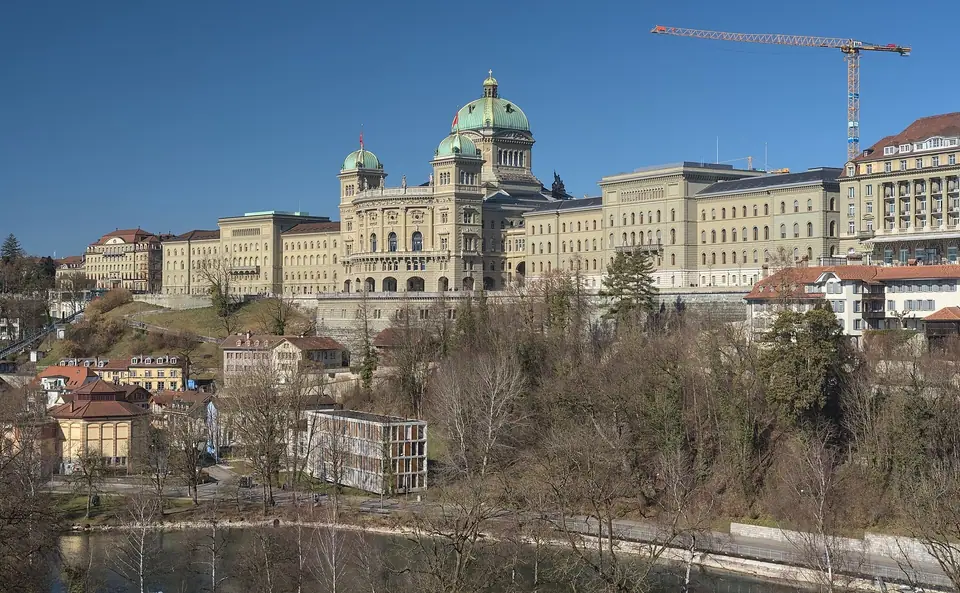
Bundeshaus (Federal Palace), Bundesplatz, Käfigturm & Kornhaus
Architectural and visitor guide to the 1902 Swiss Federal Palace (Bundeshaus), the 26 cantonal water fountains on Bundesplatz, the Käfigturm, and the Baroque Kornhaus.
In the western half of Bern's Old Town, civic and federal architecture takes centre stage along the southern cliff of the Aare peninsula and the squares between Marktgasse and Kochergasse. Here the monumental complex of the Federal Palace (Bundeshaus) faces the open expanse of Bundesplatz, while a two-minute walk north brings you to the seventeenth-century clock tower of the Käfigturm and the high-roofed Baroque granary of the Kornhaus. Connect this route with our Old Town & Zytglogge guide or ride the Marzilibahn funicular beside the Bundeshaus down to the Marzili riverside.
Unlike secluded government districts in other capitals, Switzerland's parliamentary quarter blends seamlessly into everyday urban life. Farmers sell cabbages, mountain cheeses, and cut flowers right up to the steps of the Parliament Building on market mornings, children splash through the plaza fountains in warm weather, and walkers stroll freely across the southern terrace overlooking the river gorge.
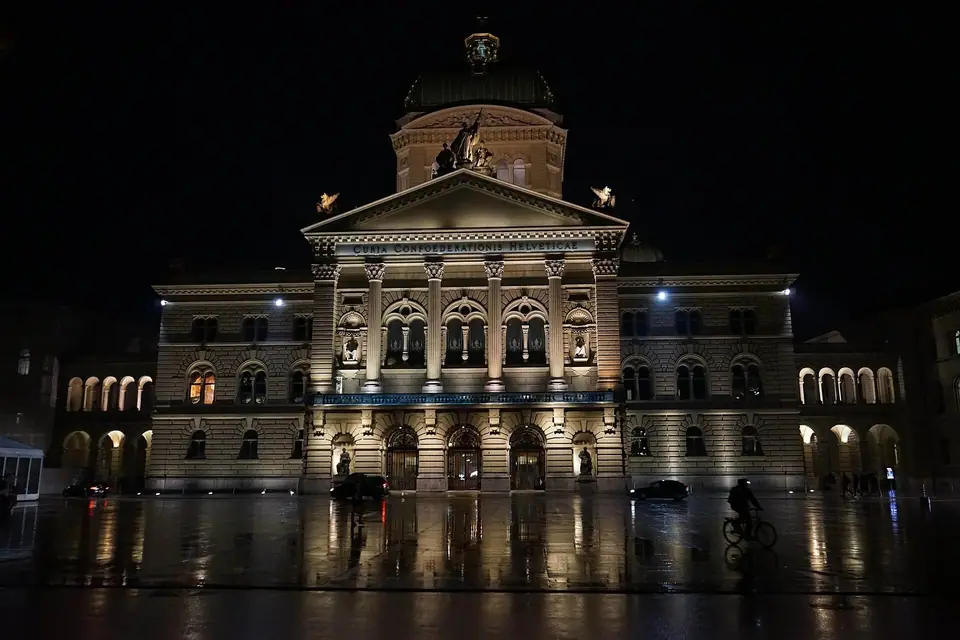
The Federal Palace (Bundeshaus) and Its 64-Metre Dome
After Bern was selected as Switzerland's federal seat in November 1848, city architect Friedrich Studer erected the original Bundes-Rathaus (now the West Wing) between 1852 and 1857. As federal administration expanded, St. Gallen architect Hans Wilhelm Auer designed the symmetrical East Wing (1888 to 1892) and linked both wings with the neo-Renaissance central Parliament Building between 1894 and its inauguration on 1 April 1902. Ninety-five percent of the stone came from Switzerland's cantons, allowing 38 Swiss artists to decorate the interior.
Auer conceived the building as a geological and artistic showcase of the Confederation: limestone, granite, marble, and sandstone quarried across the alpine valleys and plateau regions form the columns, staircases, and balustrades, while allegorical reliefs on the pediment celebrate political independence and constitutional law. Above the northern portico facing Bundesplatz, the Latin inscription Curia Confœderationis Helveticæ marks the entrance to the central hall.
Inside the Domed Hall and Parliamentary Chambers
Beneath the 64-metre central copper dome, four stained-glass skylights painted by Albert Lüthi represent the four traditional economic regions of Switzerland above the limestone statue of the Three Confederates by James Vibert and the 22 cantonal coats of arms (plus Jura, added in 1978). Flanking the domed hall sit the 200-seat National Council chamber, decorated with Charles Giron's mural The Cradle of the Confederation overlooking Lake Uri, and the 46-seat Council of States chamber. Outside parliamentary sessions, free guided tours enter via the Bundesterrasse; check the official site of the Swiss Parliament for reservations and ID rules.
During the four annual three-week parliamentary sessions, visitors can also watch debates live from the public spectators' galleries, observing how representatives speak in German, French, Italian, and Romansh beneath the domed roof.
Bundesterrasse Panorama and the Marzilibahn
Immediately behind the Federal Palace, the broad stone promenade of the Bundesterrasse juts out high above the southern riverbank. Shaded by lime trees and lined with benches, the terrace commands an unobstructed view down over the turquoise Aare and the pools of the Marzilibad toward the Gurten hill and the snow-covered peaks of the Bernese Oberland. At its western corner sits the upper station of the Marzilibahn funicular, linking the parliamentary cliff to the riverside quarter below, while the eastern end leads past the historic Hotel Bellevue Palace toward the Casino bridge.
Bundesplatz Water Jets, Bärenplatz, and the Baroque Kornhaus
North of the Parliament facade, Bundesplatz was redesigned by Stephan Mundwiler, Stauffenegger + Stutz, and Maurus Schifferli and inaugurated on 1 August 2004 with a stone plaza containing 26 water fountains, one jet for each Swiss canton. On Tuesday and Saturday mornings, farm stalls fill Bundesplatz and Bärenplatz with flowers, cheeses, and produce. Further north on Kornhausplatz stands the three-storey Baroque Kornhaus, built by brothers Hans Jakob and Abraham Dünz from 1711 to 1718 to store 30,000 barrels of grain above a vaulted cellar converted into the painted Kornhauskeller restaurant in 1898; read our Bern food guide for traditional dining inside the cellar.
The open axis from Bundesplatz across Bärenplatz to Kornhausplatz traces the former moat line between the medieval town expansions, now lined with outdoor café terraces, chess boards, and tram stops.
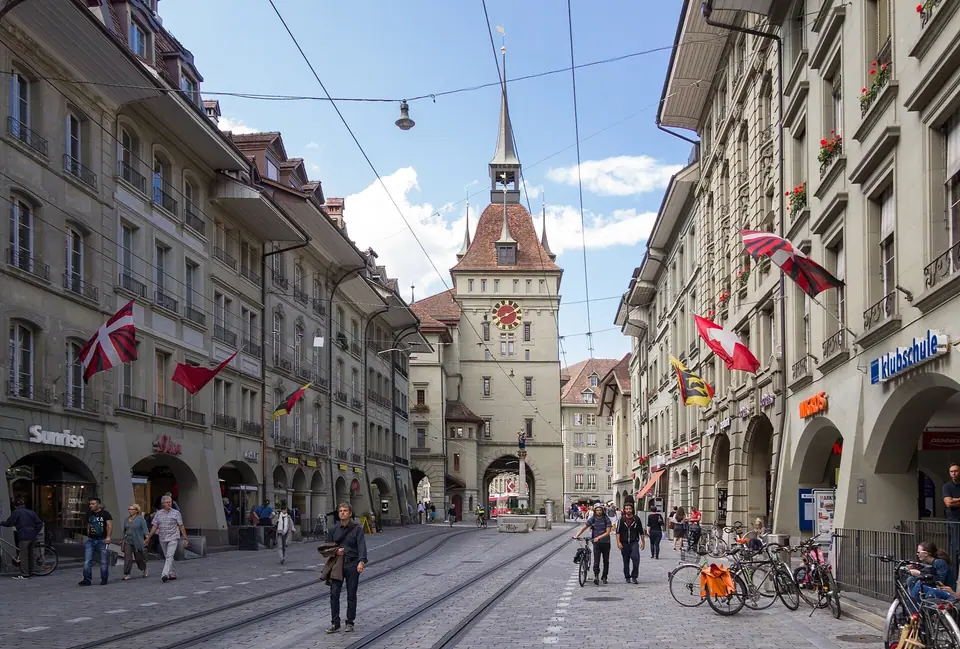
The Käfigturm and the Polit-Forum Bern
Framing the western view down Marktgasse from Bärenplatz, the Käfigturm marks the western defensive line of Bern's 1256 expansion. When the thirteenth-century gate tower grew too dilapidated for use as the city prison, builders demolished it in May 1641 and erected the present 49-metre sandstone tower between 1641 and 1644 under Joseph Plepp and Antoni Graber, adding its late-Baroque turrets and roof in 1699. Used as a prison until 1897 and then as the State Archive, the tower now hosts the free exhibitions of the Polit-Forum Bern, where debates and displays examine Swiss direct democracy and contemporary civic questions; see our 3-day Bern itinerary to pair these civic landmarks with the Minster and museums.
Walking around the exterior of the Federal Palace reveals how carefully architect Hans Wilhelm Auer balanced civic openness with monumental dignity. On the northern side facing Bundesplatz, broad stone steps and arched entrance doors sit directly at street level without high perimeter fences, symbolizing the accessibility of Swiss federal institutions to ordinary citizens. On the southern side facing the Aare gorge, terraced retaining walls, arched loggias, and ornamental gardens step down toward the cliff edge, framing the parliament dome against the distant alpine horizon.
Across Bärenplatz and Kornhausplatz, the daily life of the city unfolds around the historic civic towers. Commuters step off red trams beneath the Baroque arches of the Kornhaus, shoppers fill reusable bags at the open-air vegetable and flower stalls, and locals gather at pavement café tables within sight of the Käfigturm clock face.
For visitors interested in political history and architecture, combining a free guided tour of the parliamentary chambers with a stop inside the Käfigturm civic forum and a descent into the vaulted Kornhaus cellar turns a simple walk through the western Old Town into a thorough introduction to how the Swiss Confederation governs itself.
Before leaving the square, pause along the southern balustrade of the Bundesterrasse or beside the stained-glass atrium of the neighbouring grand hotel on Kochergasse, where bronze relief maps help you trace the distant mountain peaks rising above the river valley.
Traveller tips
Real advice from people who have been to Bundeshaus (Federal Palace), Bundesplatz, Käfigturm & Kornhaus. Every tip is read by our team before it goes live.
No tips yet. Been here? Yours could be the first.
Thank you! Your tip will appear here after a quick review.
More in Bern
Continue exploring Bern with related neighbourhood, food, and planning guides
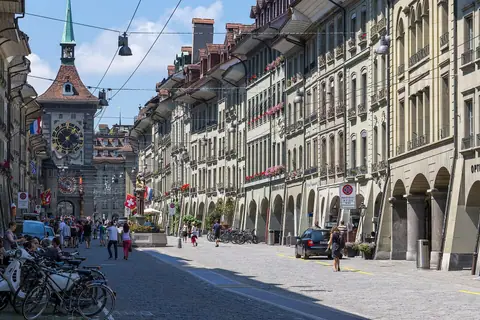
Old Town Arcades, Kramgasse, Zytglogge & Bern's Renaissance Fountains
Bern, Switzerland
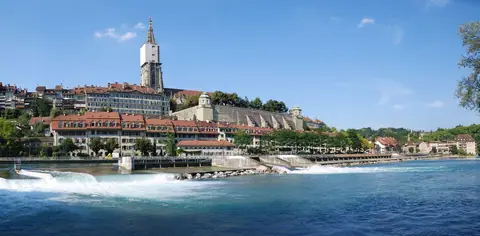
Bern Minster, Münsterplattform & Nydeggkirche: Gothic Spires Above the Aare
Bern, Switzerland
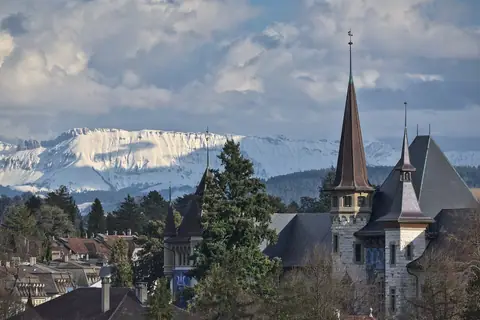
Einstein House (Einsteinhaus), Einstein Museum & Bern Historical Museum
Bern, Switzerland
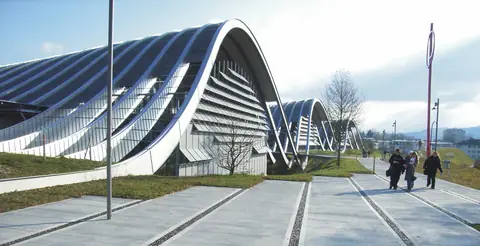
Zentrum Paul Klee, Kunstmuseum Bern & Kultur Casino
Bern, Switzerland
