


























Best Time to Visit Bern: Seasons, MeteoSwiss Climate & Zibelemärit
Month-by-month weather in Bern based on 1991 to 2020 MeteoSwiss normals (553 m), plus summer Aare river swimming and November's Zibelemärit onion market.
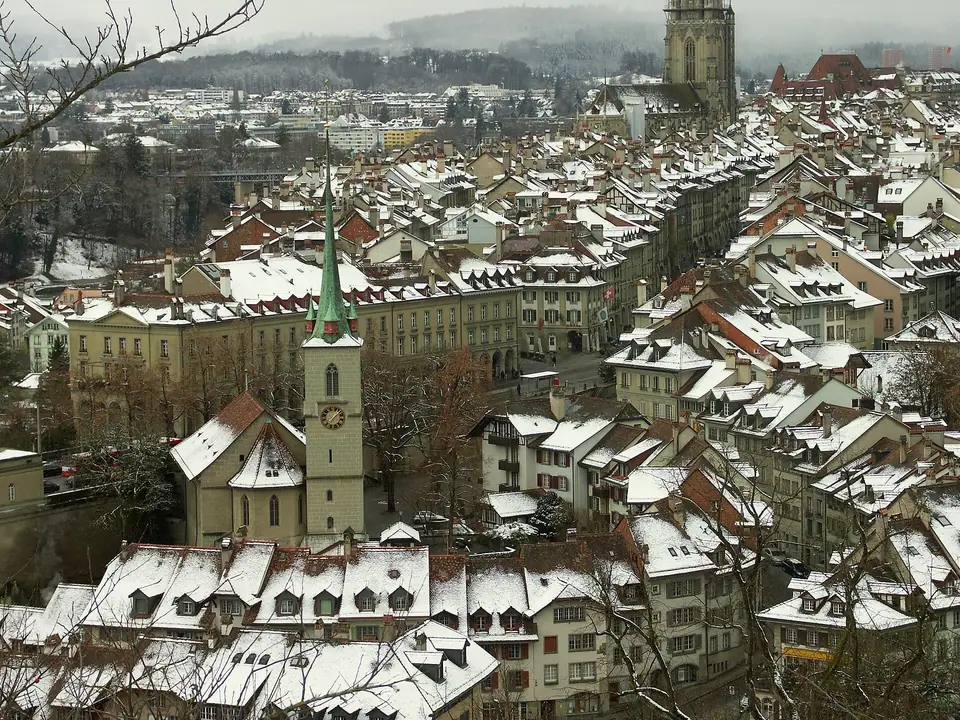
Sitting at 540 to 553 metres above sea level on the Swiss Plateau between the Jura mountains and the Bernese Alps, Bern experiences a temperate Central European climate sheltered behind its six kilometres of covered sandstone arcades (Lauben). According to the 1991 to 2020 MeteoSwiss climate normals recorded at Bern / Zollikofen (553 m), the city has an annual mean temperature of 9.3 °C, about 1,023 millimetres of annual precipitation spread across 122 wet days (at least 1.0 mm), and 1,797 hours of annual sunshine. Pair this seasonal planner with our top things to do in Bern and Aare river swimming guide.
Because the vaulted ground-floor arcades run continuously along Spitalgasse, Marktgasse, Kramgasse, and Gerechtigkeitsgasse, sudden afternoon rain showers or winter snowfalls never interrupt an Old Town walk, making the federal capital more weather-resilient than open resort towns in the high Alps.
Summer (June to August): Aare Swims, Gurtenfestival, and Buskers
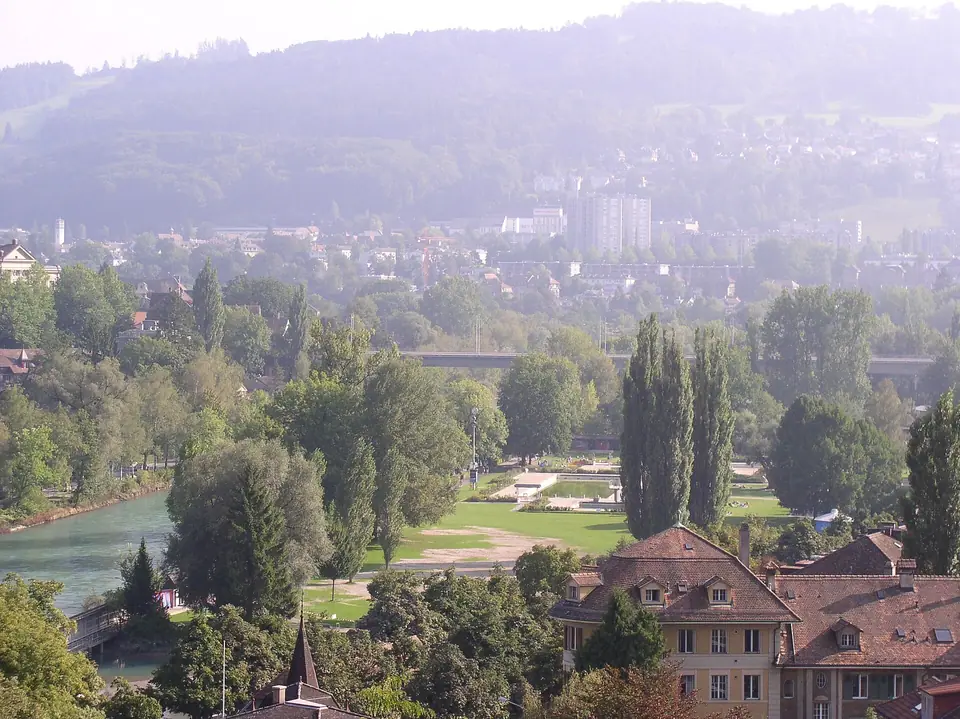
Summer is the warmest, sunniest season in Bern, with average daily highs reaching 23 °C in June, 25 °C in July (exact mean maximum 24.6 °C, nightly low 13.0 °C), and 24 °C in August, alongside 46 summer days at or above 25 °C and 9 hot days reaching 30 °C each year. Afternoon showers occur on 11 days per month in June, July, and August, but clear mornings and long evenings turn the Aare river and the free Marzilibad into the social centre of the city. In mid-July, the four-day Gurtenfestival fills the 858-metre summit meadows of the Gurten, followed on 1 August by Swiss National Day on Bundesplatz and in early August by the three-day Buskers Bern street music festival.
During these warm months, outdoor café tables spill out across Kornhausplatz, Bärenplatz, and the Münsterplattform, and the glacial waters of the Aare warm to between 17 and 22 °C for afternoon floats.
Spring and Early Autumn: Rose Gardens and Alpine Panoramas
From April (15 °C high / 3 °C low) through May (19 °C high / 8 °C low), horse chestnuts bloom across the Münsterplattform, the 223 rose varieties of the Rosengarten come into bud, and the brown bears emerge into the outdoor pools of the BärenPark. September (19 °C high / 9 °C low, with only 9 wet days) and October (14 °C high / 6 °C low) bring golden foliage along the Aare loop, crisp visibility toward the Eiger, Mönch, and Jungfrau, and the nightly Rendez-vous Bundesplatz sound-and-light projection on the Bundeshaus from mid-October to late November.
For photographers and walkers who prioritize clear mountain horizons from the Gurten and the Minster tower without high-summer crowds, September and early October often deliver the steadiest atmospheric clarity across the Swiss Plateau.
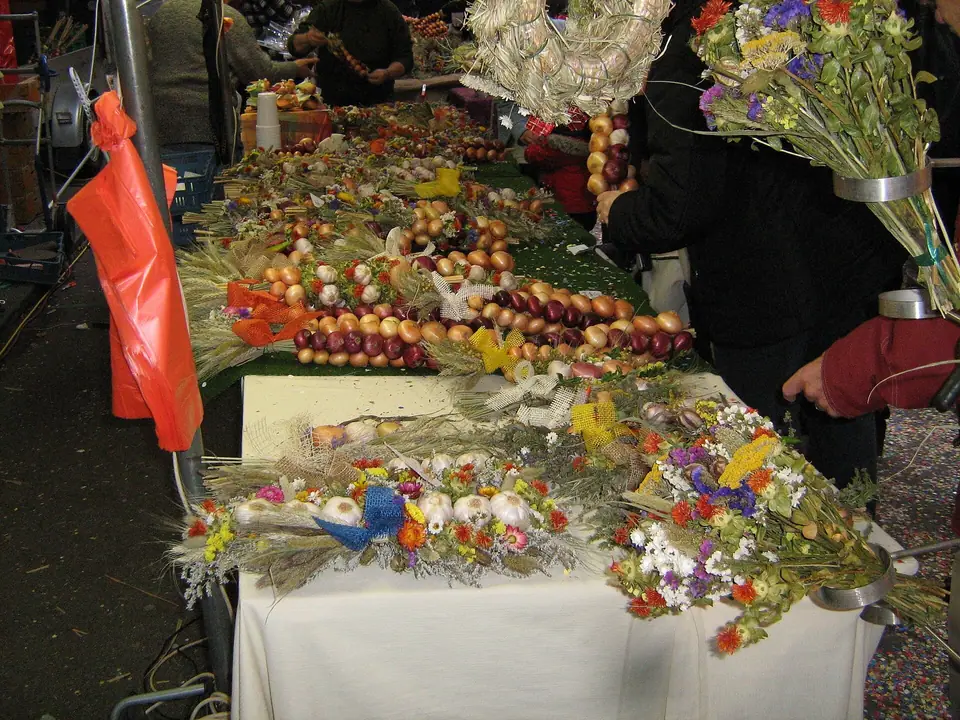
November's Zibelemärit (Onion Market)
On the fourth Monday of November, farmers from the Seeland and Fribourg regions arrive before dawn with more than 50 tons of braided red and white onions, garlic strings, and ceramic miniatures for the Zibelemärit (Onion Market), a folk festival dating back to the mid-nineteenth century. Stalls fill the streets from Bundesplatz and Bärenplatz down into the upper Old Town while bakeries serve warm onion and cheese tarts.
Winter (December to February): Covered Arcades, Museums, and Ice Rink
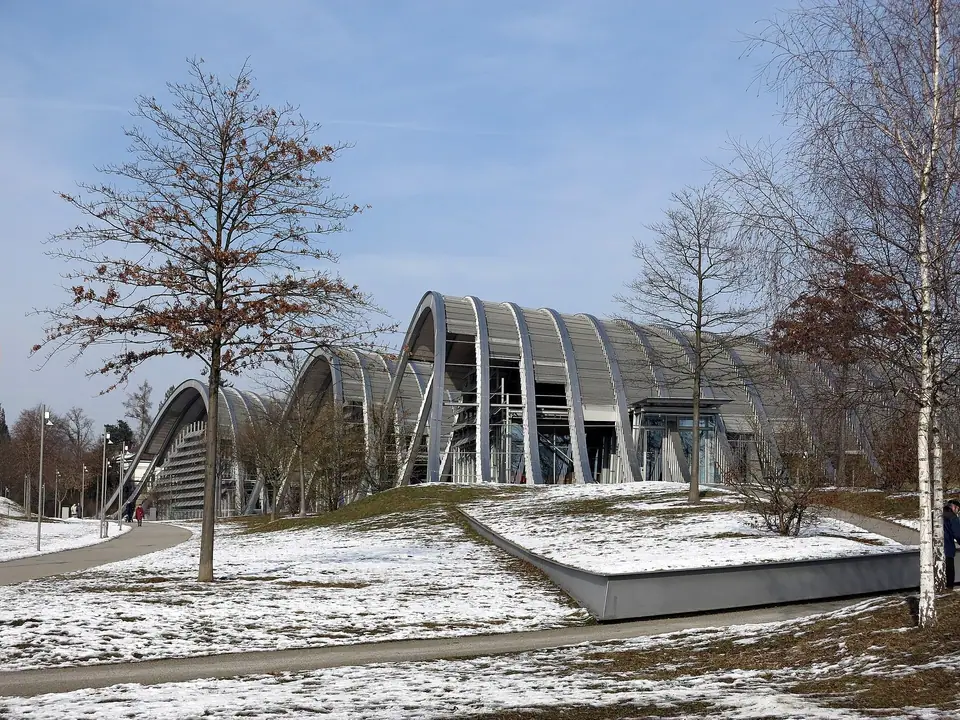
During December (4 °C high / -2 °C low), January (3 °C high / -3 °C low, mean temperature 0.2 °C), and February (5 °C high / -3 °C low), Bern records part of its annual average of 99 frost days and 19 ice days. Even on snowy days, the vaulted Lauben keep Old Town shoppers dry between Christmas markets on Waisenhausplatz and Münsterplatz, a free ice rink on Bundesplatz, and indoor hours at the Einstein Museum and Zentrum Paul Klee.
Matching Your Visit to Seasonal Highlights
If floating the Aare is your priority, aim for late July or August when water temperatures reach 17 to 22 °C; for botanical blooms and gentle walking weather, choose May, June, or September; and for folkloric tradition, plan around the fourth Monday of November; see our 3-day Bern itinerary for how to balance indoor and outdoor stops in any season.
One practical advantage of planning a trip around the local climate normals is knowing what to pack for the Swiss Plateau's variable skies. Even in the middle of July and August, when daytime temperatures climb into the mid-twenties and the riverbanks fill with sunbathers, a passing mountain shower or a cool evening breeze off the Aare makes a light rain jacket and a warm sweater useful additions to a swimsuit and walking shoes.
In spring and autumn, layering is essential: crisp mornings along the shaded arcades and breezy viewpoints on the Gurten or the Minster tower quickly give way to mild, sunny afternoons on sheltered south-facing café terraces such as the Münsterplattform and the Bundesterrasse.
Winter visitors who bring a warm coat, scarf, and slip-resistant footwear will find the UNESCO Old Town remarkably inviting in the colder months, as glowing shop windows under the stone vaults, steaming cups of mulled wine at the squares, and uncrowded galleries at the Einstein and Paul Klee museums turn snowy days into a cosy cultural retreat.
Because the covered sandstone Lauben protect six kilometres of storefronts along the central ridge, you can always pair morning museum visits or indoor parliamentary tours with dry afternoon walks through the historic streets regardless of what the mountain weather brings across the plateau.
Checking the daily mountain visibility forecast at the station or online before boarding the Gurten funicular or climbing the Minster steps also helps you time your high viewpoints for the clearest hours between morning valley mist and late-afternoon clouds. Even a brief window of sunshine after a rain shower brings out vivid colours across the olive-grey sandstone facades, red roof tiles, and turquoise river bend, while the Tuesday and Saturday morning markets on Bundesplatz and Bärenplatz showcase each season's harvest from spring asparagus and summer berries to autumn pumpkins and alpine cheeses. Throughout the calendar, the compact scale of the peninsula ensures that indoor exhibitions, historic guild halls, and outdoor viewpoints remain just a few minutes apart by tram or on foot in every month of the year.
Traveller tips
Real advice from people who have been to Best Time to Visit Bern: Seasons, MeteoSwiss Climate & Zibelemärit. Every tip is read by our team before it goes live.
No tips yet. Been here? Yours could be the first.
Thank you! Your tip will appear here after a quick review.
More in Bern
Continue exploring Bern with related neighbourhood, food, and planning guides
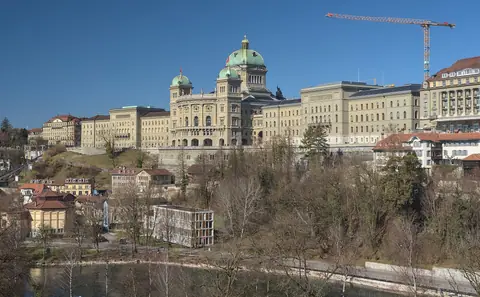
Bundeshaus (Federal Palace), Bundesplatz, Käfigturm & Kornhaus
Bern, Switzerland
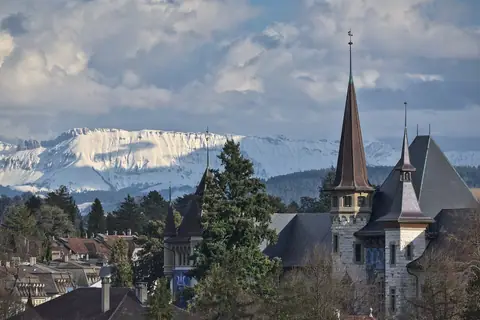
Einstein House (Einsteinhaus), Einstein Museum & Bern Historical Museum
Bern, Switzerland
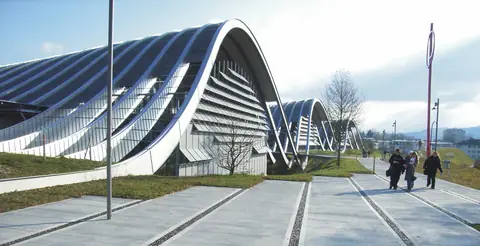
Zentrum Paul Klee, Kunstmuseum Bern & Kultur Casino
Bern, Switzerland
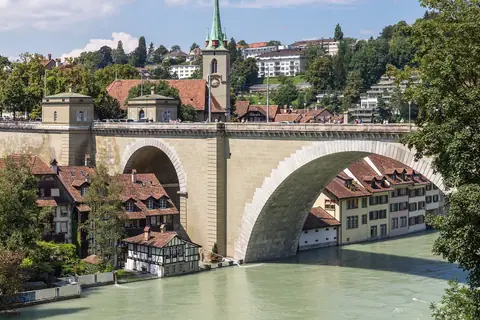
Bear Park (BärenPark), Nydeggbrücke & Rosengarten Viewpoint
Bern, Switzerland
