


























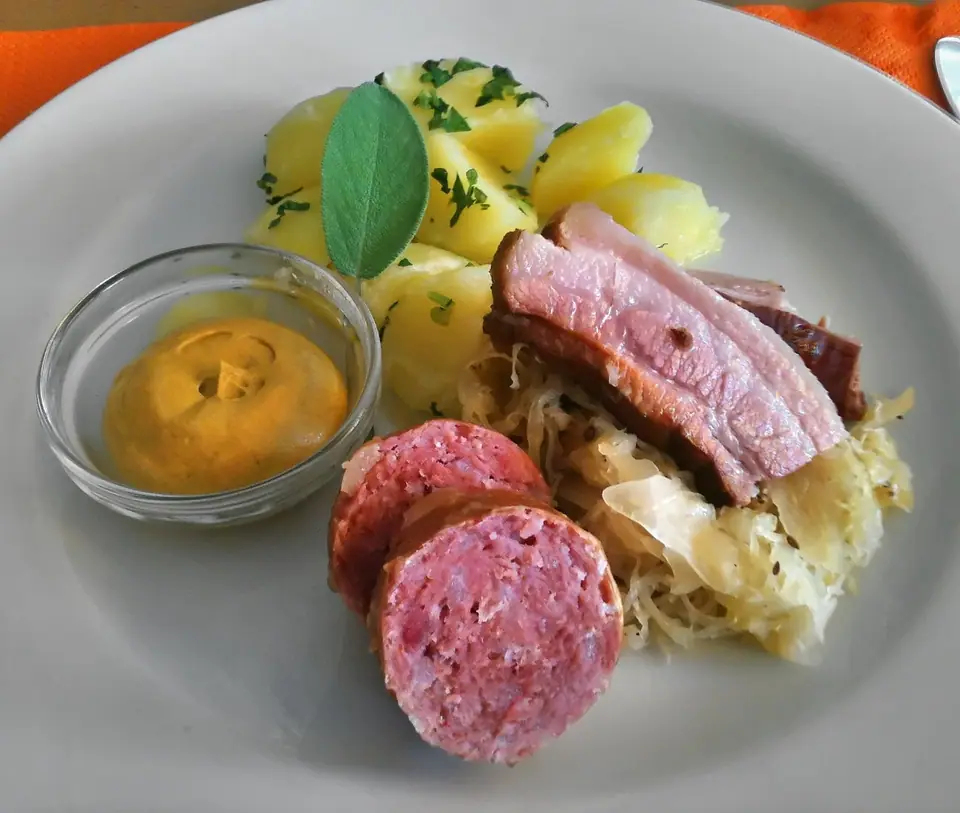
What to Eat in Bern: Berner Platte, Rösti, Mandelbärli & Zibelemärit
A food lover's guide to Bernese specialities: Berner Platte, crispy Rösti, Emmentaler and Alpkäse cheeses, Zibelemärit onion tarts, and hazelnut pastries.
Rooted in the dairy pastures of the Bernese Oberland and the fertile grain and vegetable farms of the Swiss Mittelland, Bernese cuisine favours slow-simmered cured meats, crisp pan-fried potatoes, aged alpine cheeses, and roasted hazelnut and almond pastries. Dining in the Old Town is closely tied to its historic architecture: you can eat beneath painted eighteenth-century cross vaults in former grain cellars on Kornhausplatz, inside wood-panelled guild houses (Zunfthäuser) along Kramgasse and Hotelgasse, or in sunlit beer gardens above the Aare river. See our Bern travel guide for neighbourhood orientation.
Because the Canton of Bern stretches from high limestone peaks down to rolling cabbage and potato fields around the Seeland lakes, traditional menus bring together mountain dairy craft and hearty farmhouse preservation methods developed for long alpine winters.
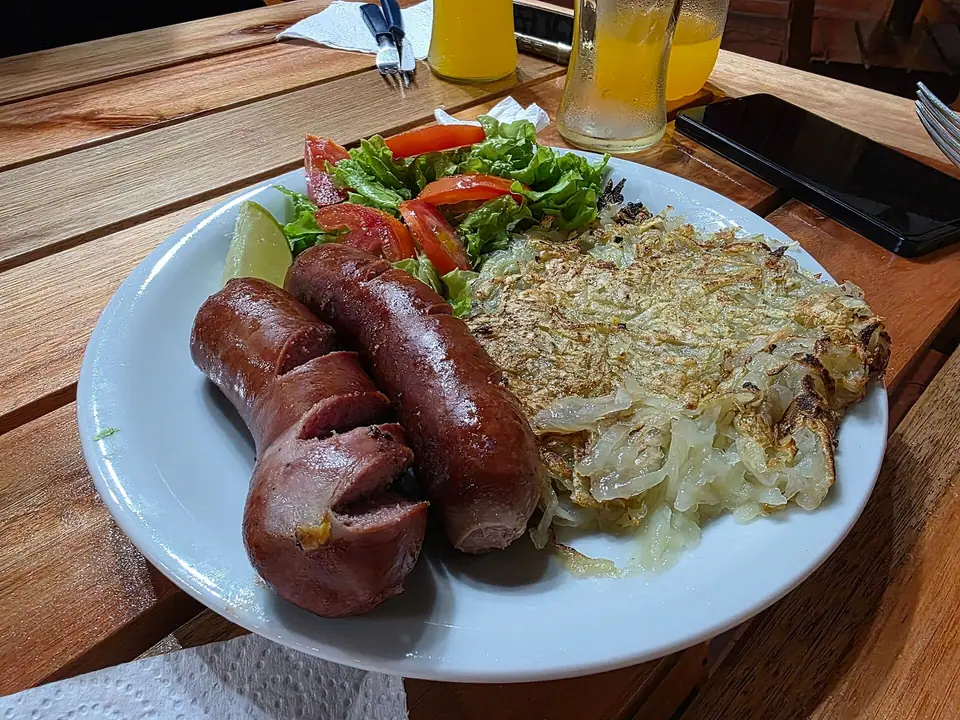
Berner Platte and Crispy Golden Berner Rösti
The signature festive dish of the canton is the Berner Platte, a hearty platter of smoked and cured pork cuts (such as Kasseler pork loin, bacon, pork tongue, ribs, and ears), boiled beef, and robust sausages including the garlic-scented Berner Zungenwurst and smoky Schüblig, all cooked over juniper-spiced sauerkraut, pickled sour turnips, or dried green beans (Dörrbohnen) and accompanied by boiled jacket potatoes. According to local tradition, the dish originated on 5 March 1798 when Bernese women pooled their winter larder stores to feed troops returning victorious from the Battle of Neuenegg against the French army. Equally omnipresent is Berner Rösti: coarsely grated waxy potatoes pan-fried in butter (often enriched in Bern with bacon bits or melted mountain cheese and topped with a fried egg) along the playful cultural boundary between German- and French-speaking Switzerland known as the Röstigraben.
In traditional brasseries and country inns across the city, Rösti arrives sizzling in a cast-iron pan with a crisp golden crust on the outside and tender potato shreds within, paired either with sliced veal in cream sauce or with local sausages and onion gravy.
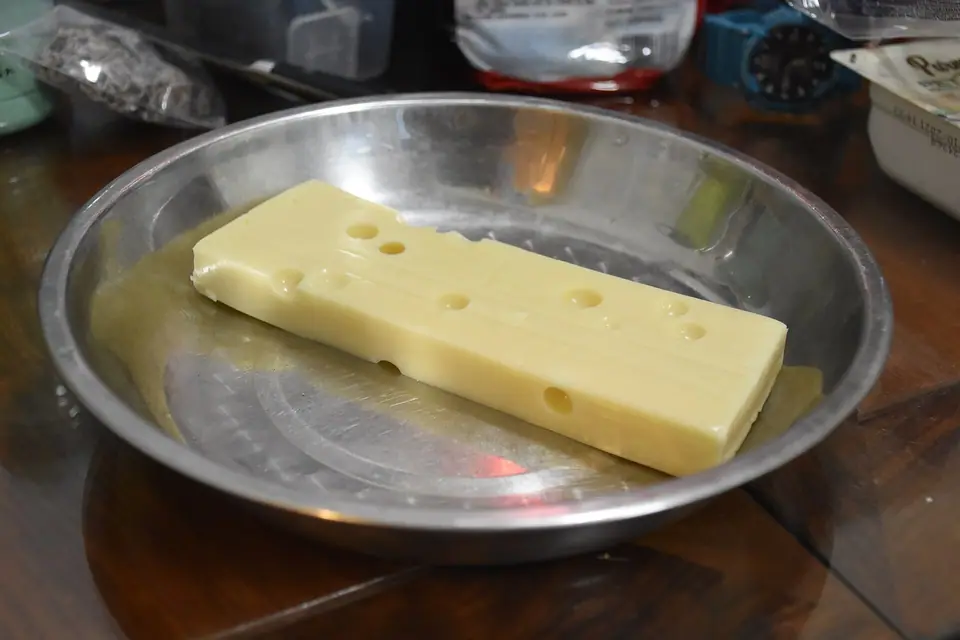
Emmentaler AOP and Berner Alpkäse
No visit to the Canton of Bern is complete without tasting two protected regional cheeses:
- Emmentaler AOP: Produced since the thirteenth century in the Emmental valley east of Bern in round wheels weighing 75 to 120 kilograms, its sweet, nutty flavour and cherry-sized holes come from Propionibacterium freudenreichii bacteria releasing carbon dioxide during maturation in warm cellars; look for cave-aged Höhlenkäse matured for at least twelve months.
- Berner Alpkäse and Hobelkäse AOP: Handcrafted over wood fires on high summer pastures in the Bernese Oberland, this spicy raw-milk cheese is aged for two to three years until hard enough to be shaved with a carpenter's plane into delicate curled rolls (Hobelkäse).
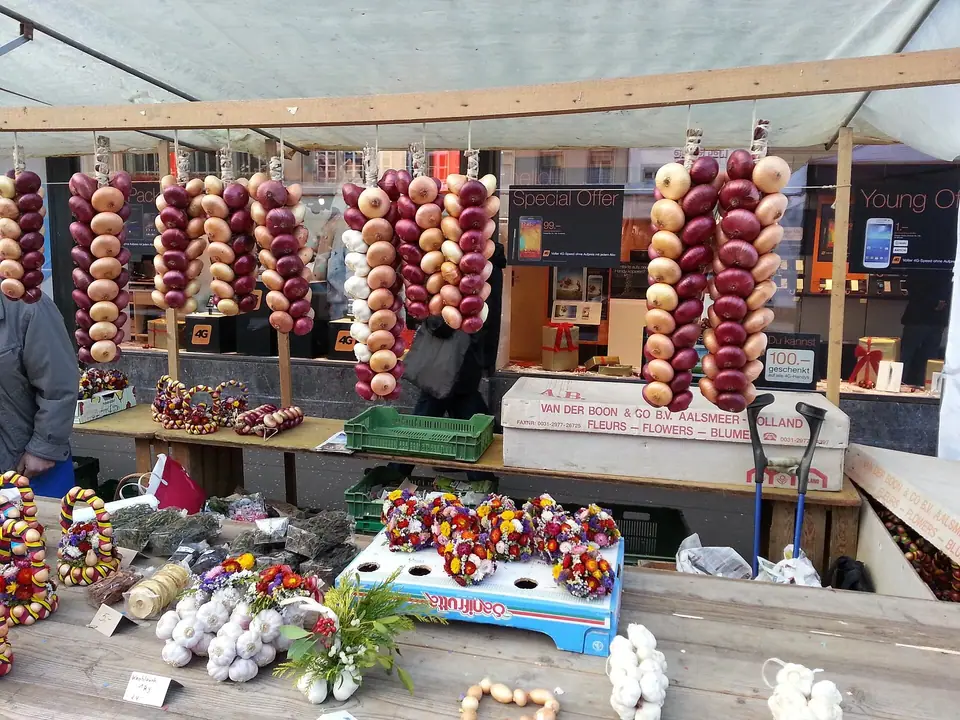
Zibelemärit Onion Tarts (Zibelechueche)
Every November during the Zibelemärit onion market, bakeries and street stalls serve warm slices of savoury onion tart (Zibelechueche) and individual custard-and-cheese tartlets (Chäschüechli) alongside cups of mulled red wine (Glühwein). Even outside late autumn, many Old Town bakeries bake fresh cheese tartlets and buttery braided Sunday bread (Berner Züpfe) for midday lunches.
Berner Haselnusslebkuchen, Meitschibei, Mandelbärli, and Toblerone
For coffee under the Lauben arcades, try three classic Bernese confections: Berner Haselnusslebkuchen, a flourless spiced cake made strictly from ground roasted hazelnuts, sugar, honey, candied orange peel, cinnamon, and egg white (baked in Bern since the 1830s without a drop of flour); Meitschibei ("girl's legs"), horseshoe-shaped yeast-or-shortcrust pastries filled with a sweet hazelnut paste; and Berner Mandelbärli, moist bear-shaped almond butter cakes dressed in vanilla, chocolate, or lemon icing. Bern is also the birthplace of Toblerone, invented in 1908 in the Länggasse quarter near the railway station by Theodor Tobler and his cousin Emil Baumann by blending milk chocolate with honey and almond nougat.
Historic Guild Dining Rooms and Vaulted Cellar Restaurants
To experience these dishes in their traditional setting, look for the historic guild houses along Kramgasse, Marktgasse, and Rathausgasse, where dark timber wainscoting and leaded glass windows frame quiet upper-level dining halls, or descend into the monumental sandstone vaults of the Kornhauskeller on Kornhausplatz.
Open-Air Food Markets on Bundesplatz and Bärenplatz
For picnic supplies before a walk along the Aare or a ride up the Gurten, browse the Tuesday and Saturday morning farmers' markets on Bundesplatz, Bärenplatz, and Münstergasse, where local producers slice aged mountain cheeses to order and sell seasonal berries, orchard apples, and roasted nuts; see our 3-day Bern itinerary for meal stops along the route.
Exploring the culinary traditions of the federal city is also a wonderful way to step inside historic interiors that are otherwise closed to casual passersby. Many of the wood-panelled guild dining rooms along Kramgasse, Marktgasse, and Rathausgasse occupy upper storeys with tall mullioned windows looking straight down onto the Renaissance street fountains, while the subterranean cellar restaurants beneath the arcades surround diners with massive curved sandstone piers built after the medieval town fire.
When ordering regional specialities, pair salty cured meats, melted mountain cheeses, and crisp butter-fried Rösti with a glass of crisp white wine from the vineyards around Lake Biel and Lake Murten, or sample an amber craft beer brewed in the city's riverside quarters. In autumn and winter, game dishes, slow-braised beef, and warm slices of onion tart take over the chalkboard menus across the Old Town.
Before leaving the city, stop by a traditional confectionery beneath the Lauben arcades to pack a tin of flourless hazelnut Lebkuchen or a box of almond Mandelbärli, both of which travel well in a daypack or suitcase as edible souvenirs of the canton.
For a relaxed midday meal on a sunny day, pick up fresh crusty bread, shaved alpine Hobelkäse, and seasonal fruit from the market stalls on Bärenplatz or Münstergasse and carry your picnic out to the shaded benches of the Münsterplattform or the grassy banks of the Aare river below.
Afternoon coffee culture is equally strong across the peninsula: historic bakeries and tearooms along Spitalgasse, Marktgasse, and Kramgasse serve freshly baked hazelnut pastries, meringue with thick mountain double cream, and dark hot chocolate beneath the sheltered stone arches whenever the weather turns cool outside. Dining rooms and cellar brasseries across the Old Town welcome guests for both hearty midday plates and unhurried evening meals.
Traveller tips
Real advice from people who have been to What to Eat in Bern: Berner Platte, Rösti, Mandelbärli & Zibelemärit. Every tip is read by our team before it goes live.
No tips yet. Been here? Yours could be the first.
Thank you! Your tip will appear here after a quick review.
More in Bern
Continue exploring Bern with related neighbourhood, food, and planning guides
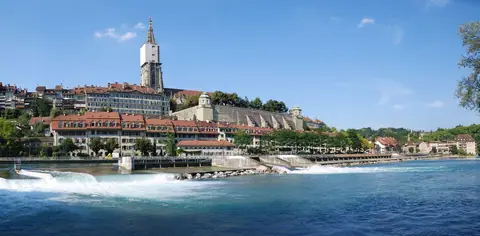
Bern Minster, Münsterplattform & Nydeggkirche: Gothic Spires Above the Aare
Bern, Switzerland
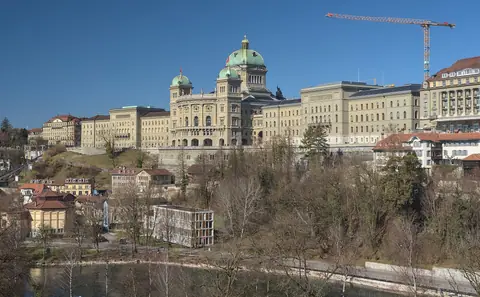
Bundeshaus (Federal Palace), Bundesplatz, Käfigturm & Kornhaus
Bern, Switzerland
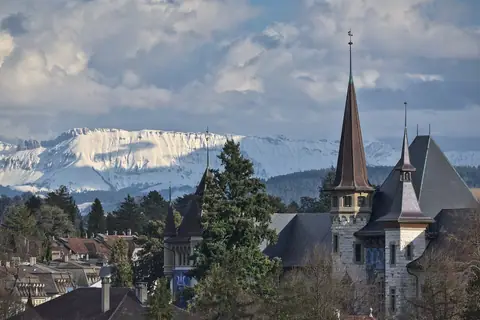
Einstein House (Einsteinhaus), Einstein Museum & Bern Historical Museum
Bern, Switzerland
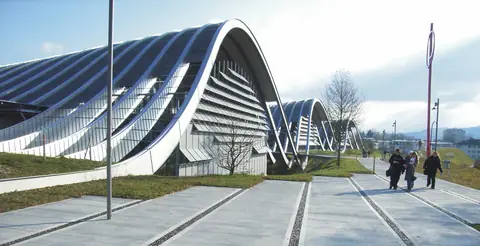
Zentrum Paul Klee, Kunstmuseum Bern & Kultur Casino
Bern, Switzerland
