


























Best Time to Visit Buenos Aires: Seasons, Jacarandas, and Weather
Compare Buenos Aires month by month using official SMN 1991 to 2020 climate normals, from purple jacaranda spring in November to mild autumn days.
Located at latitude 34°36′S on the shore of the Río de la Plata, Buenos Aires has a humid subtropical climate moderated by the wide river estuary. Because Argentina lies in the Southern Hemisphere, seasons are reversed relative to Europe and North America. According to the 1991 to 2020 climate normals recorded by the Servicio Meteorológico Nacional (SMN) at the Buenos Aires Central Observatory in Agronomía, the annual mean temperature is 18.1 °C and total annual precipitation is 1,257.6 millimetres spread across 98.3 rain days.
Spring (September to November): Jacaranda Blossoms and Outdoor Cafés
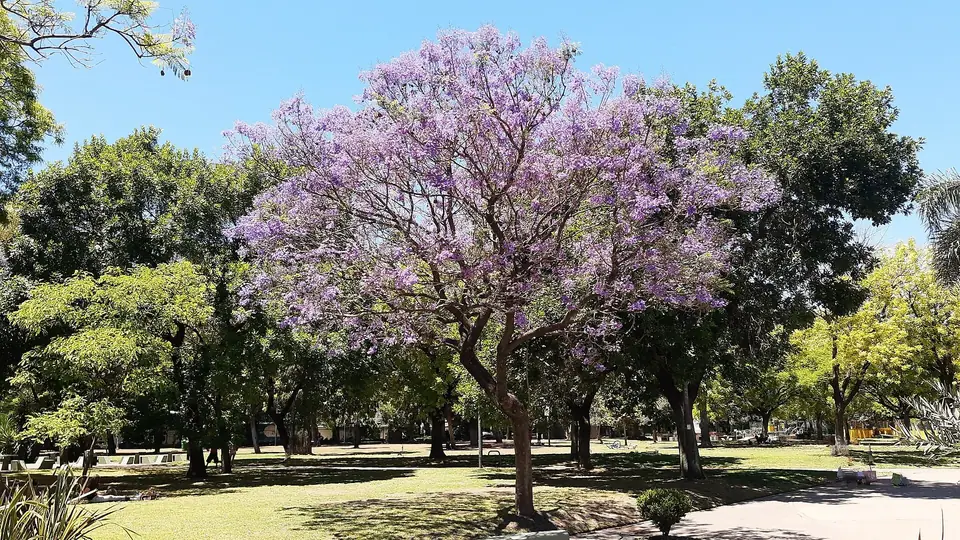
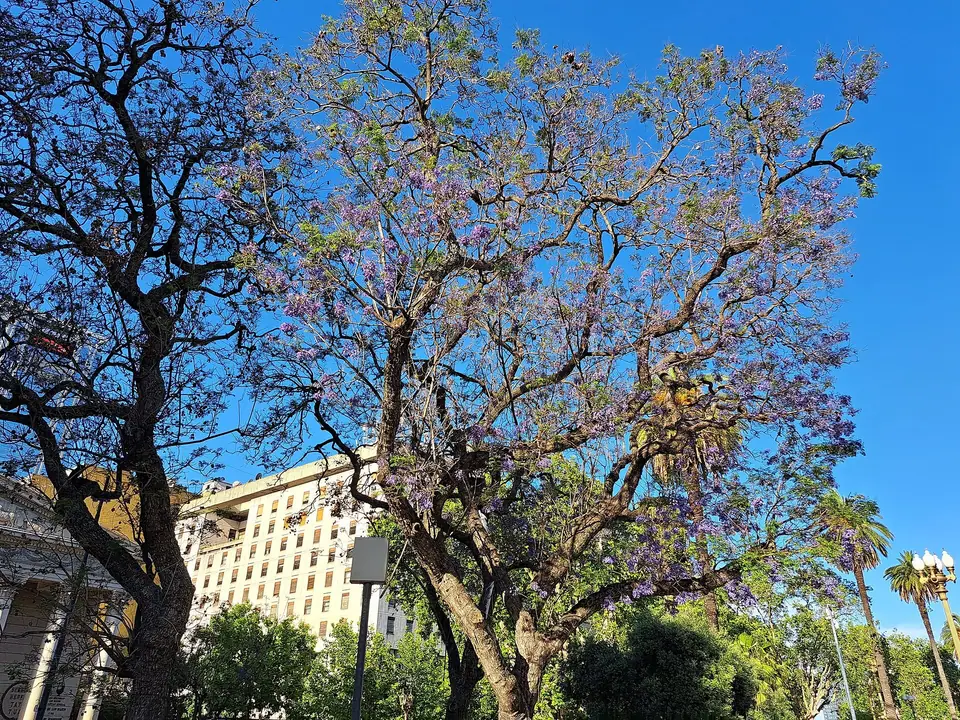
Spring is widely regarded as the most rewarding season to walk the capital's neighbourhoods. Daytime highs climb from 19.7 °C in September to 22.6 °C in October and 26.0 °C in November, while overnight lows rise from 10.6 °C to 16.1 °C. October is the wettest month of the year on average (122.9 millimetres across 10 rain days), often falling in brief convective showers that clear to bright skies. By early November, thousands of Jacaranda mimosifolia trees planted by landscape architect Carlos Thays burst into violet-blue blossom along Avenida Figueroa Alcorta, Plaza Lavalle, and Recoleta, coinciding with the Argentine Open Polo Championship in Palermo.
Autumn (March to May): Golden Plane Trees and Mild Walks
Autumn offers equally comfortable walking conditions with slightly lower humidity than late spring. Average daytime highs ease from 27.0 °C in March to 23.2 °C in April and 19.4 °C in May, with night-time lows cooling from 17.7 °C to 11.1 °C. May brings the start of the drier half of the year (93.5 millimetres across 7 rain days) and turns the London plane trees of Palermo Soho and San Telmo deep amber, while the main opera and ballet season at Teatro Colón gets underway.

Summer (December to February) and Winter (June to August)
Summer brings hot, humid afternoons and warm evenings suited to open-air dining in Puerto Madero and boat excursions in the Tigre Delta. January is the warmest month, averaging 30.1 °C by day and 20.2 °C at night (with 134.4 millimetres of rain over 9 days), while December (29.0 °C / 18.5 °C) and February (28.9 °C / 19.4 °C) are nearly as warm. Many residents leave for the Atlantic coast in January, making downtown traffic noticeably lighter.
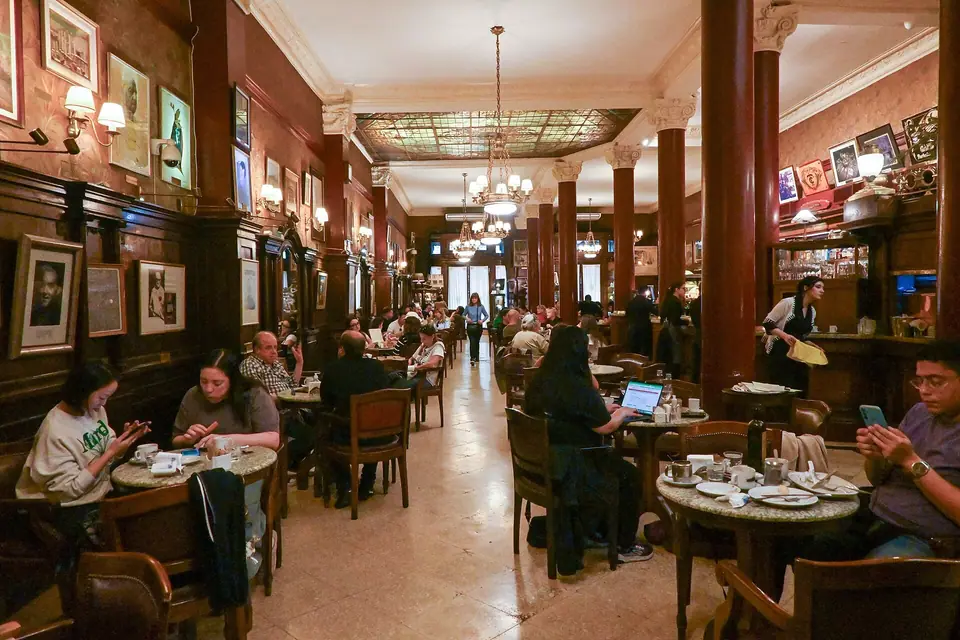
Winter (June to August) is cool, crisp, and the driest season of the year, averaging 61.5 to 74.4 millimetres of rain per month across 7 rain days. July is the coolest month, with average daytime highs of 15.5 °C and overnight lows of 7.5 °C (June averages 16.4 °C / 8.4 °C and August 17.9 °C / 8.9 °C). Snow is virtually non-existent, and a medium wool coat or windproof jacket is sufficient for exploring museums, milongas, and historic coffeehouses.
Traveller tips
Real advice from people who have been to Best Time to Visit Buenos Aires: Seasons, Jacarandas, and Weather. Every tip is read by our team before it goes live.
No tips yet. Been here? Yours could be the first.
Thank you! Your tip will appear here after a quick review.
More in Buenos Aires
Continue exploring Buenos Aires with related neighbourhood, food, and planning guides
3 Days in Buenos Aires: Neighbourhoods, Tango, and Riverfront
Buenos Aires, Argentina

What to Eat in Buenos Aires: Asado, Empanadas, Choripán, and Helado
Buenos Aires, Argentina
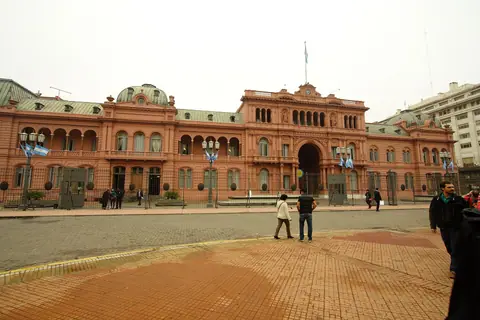
Plaza de Mayo, Casa Rosada, and Avenida de Mayo
Buenos Aires, Argentina
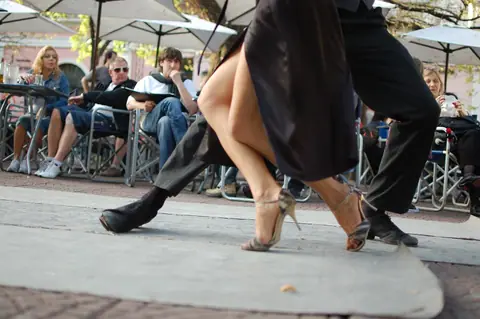
San Telmo, Plaza Dorrego, and the Historic Market Hall
Buenos Aires, Argentina
