Palermo Soho, Bosques de Palermo, and MALBA
Spend a day in Buenos Aires' largest barrio, exploring the 400-hectare Bosques de Palermo, the 1967 Japanese Gardens, MALBA, and Palermo Soho.
Spanning 17.4 square kilometres along the northern riverfront and counting 249,016 residents, making it the sole neighbourhood that forms an entire administrative commune (Comuna 14), Palermo is the green lung and creative dining hub of Buenos Aires. Divided by the avenues Libertador, Santa Fe, Córdoba, and Juan B. Justo into distinct sub-districts, the barrio pairs 400 hectares of 19th-century landscaped parks and world-class museums on its northeastern side with low-rise cobblestone streets on its southwestern side.
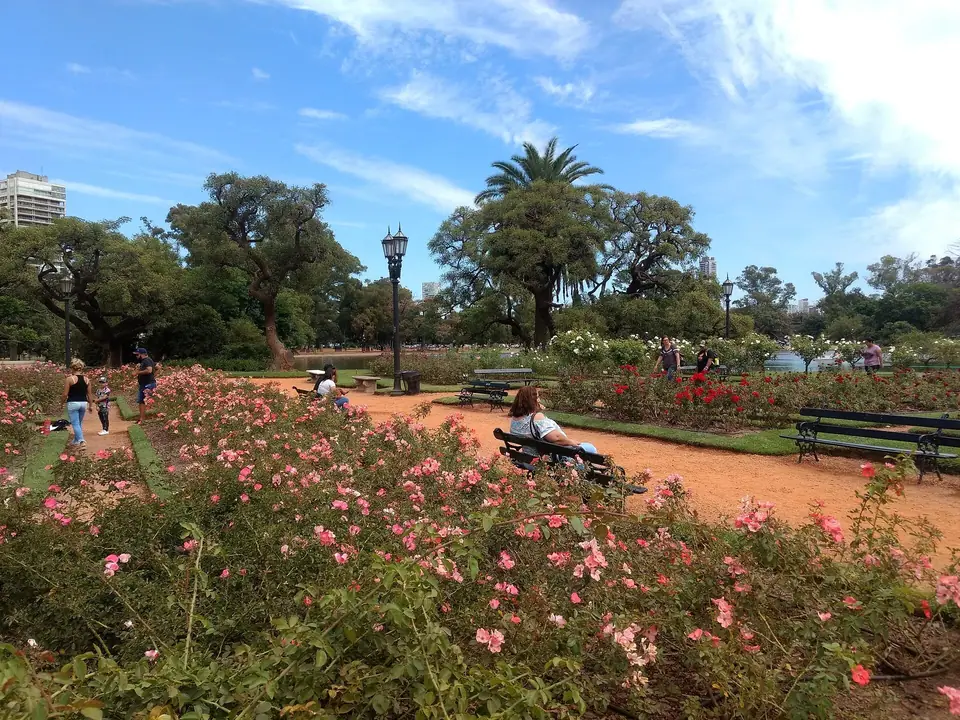
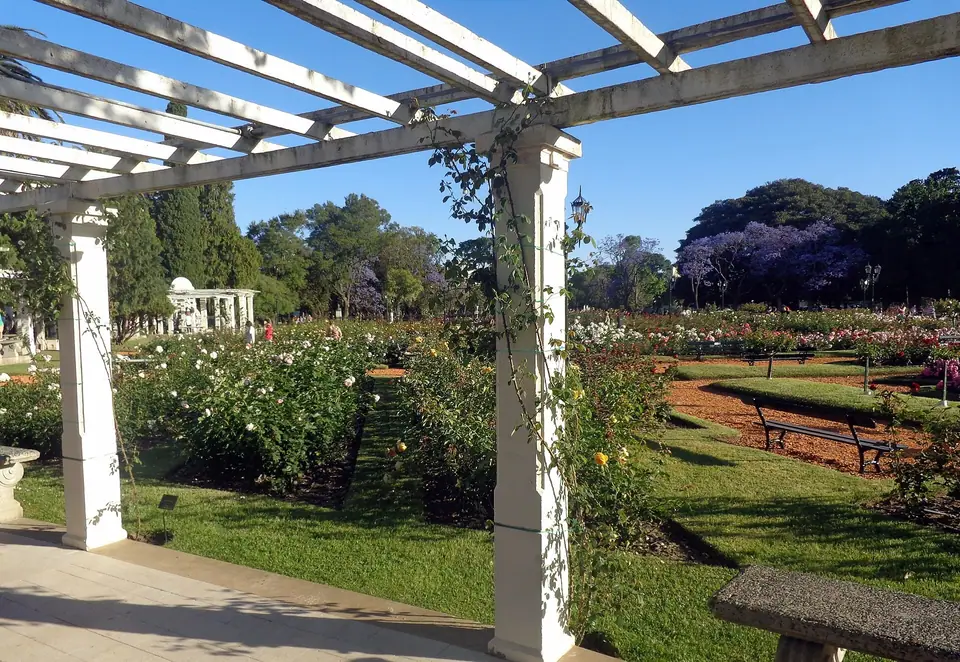
Parque Tres de Febrero (Bosques de Palermo) and El Rosedal
Created on the former country estate of 19th-century governor Juan Manuel de Rosas following his overthrow on 3 February 1852, Parque Tres de Febrero (popularly known as the Bosques de Palermo) was initiated in 1874 by President Domingo Faustino Sarmiento and designed by Jordán Czeslaw Wysocki, Julio Dormal, and later French-Argentine landscape architect Carlos Thays. Covering roughly 400 hectares between Libertador and Figueroa Alcorta avenues, the park centers on El Rosedal (opened in 1914), where more than 18,000 rose bushes, an Andalusian tiled patio gifted by the city of Seville in 1929, a Poet's Garden of busts, and a white wooden bridge surround a boating lake. Immediately adjacent stands the futuristic concrete dome of the 1966 Galileo Galilei Planetarium.
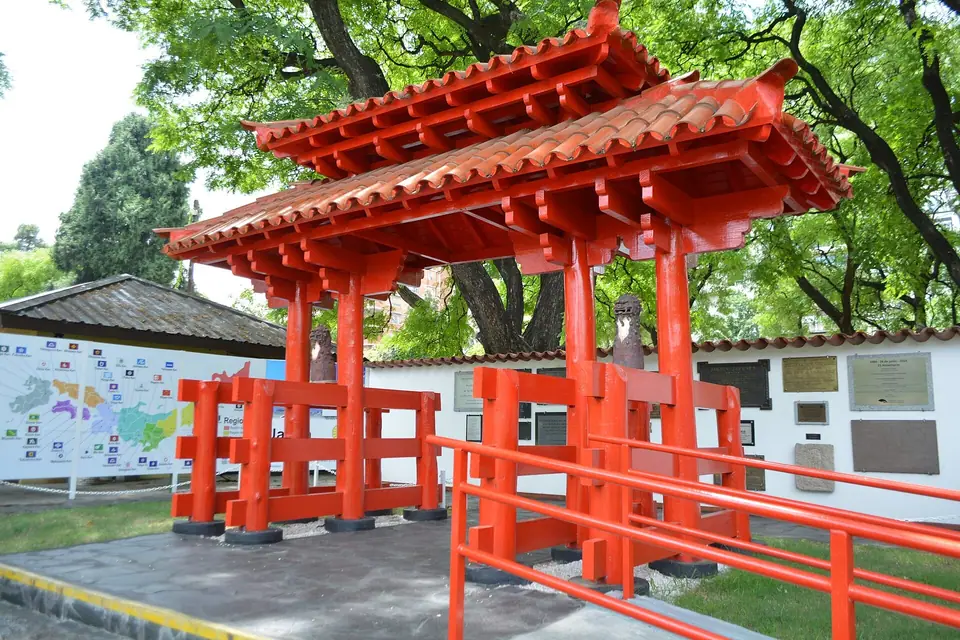
Buenos Aires Japanese Gardens (1967) and Botanical Garden
At the northeastern corner of Parque Tres de Febrero on Avenida Figueroa Alcorta, the 2-hectare Jardín Japonés de Buenos Aires was completed in 1967 by the Japanese Argentine Cultural Foundation to mark the state visit of then-Crown Prince Akihito and Princess Michiko of Japan. Crimson wooden bridges, including the arched Divine Bridge (Taiko Bashi), cross koi-filled lakes framed by azaleas, sakura cherry trees, stone lanterns, and a bonsai nursery. A ten-minute walk southwest at Plaza Italia (Subte Line D) sits the 7-hectare Carlos Thays Botanical Garden, inaugurated in 1898 with a five-domed Art Nouveau cast-iron greenhouse brought from the 1889 Paris Universal Exposition.
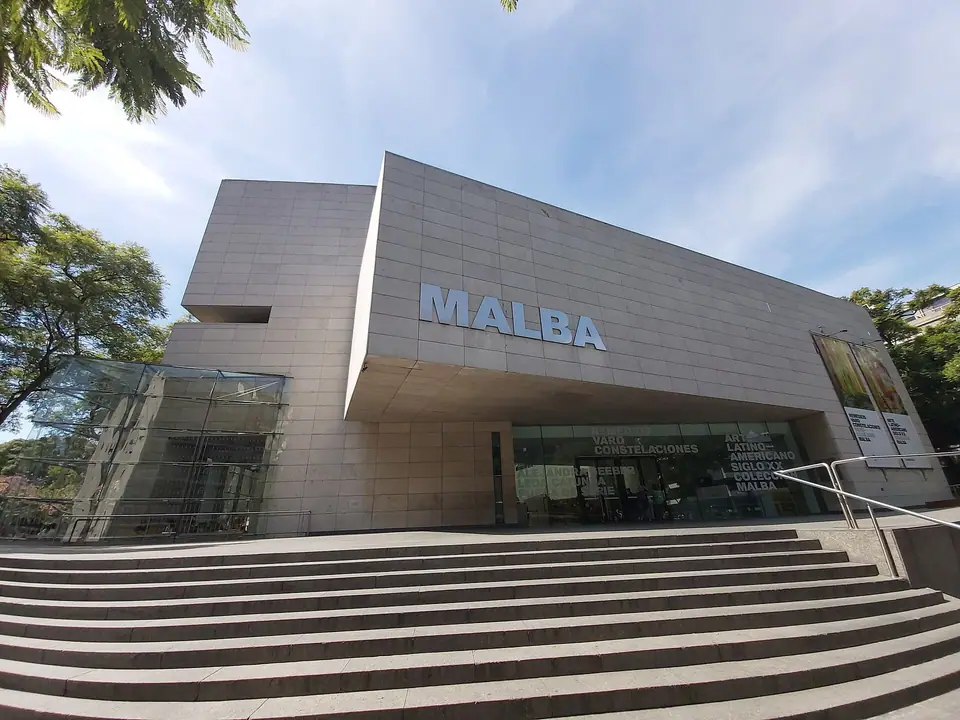
MALBA (2001) and Palermo Soho
In the Palermo Chico museum belt at Avenida Figueroa Alcorta 3415 stands the Museo de Arte Latinoamericano de Buenos Aires (MALBA), founded by collector Eduardo Costantini and inaugurated on 21 September 2001. Its permanent collection traces 20th-century Latin American modernism from Frida Kahlo, Diego Rivera, and Tarsila do Amaral to Argentine masters Xul Solar, Emilio Pettoruti, and Antonio Berni. After visiting the museum, walk southwest across Avenida Santa Fe into Palermo Soho (around Plaza Serrano and Calle Gurruchaga) and Palermo Hollywood to browse independent Argentine leather and design boutiques and dine at one of the neighbourhood's wood-fired parrillas.
Traveller tips
Real advice from people who have been to Palermo Soho, Bosques de Palermo, and MALBA. Every tip is read by our team before it goes live.
No tips yet. Been here? Yours could be the first.
Thank you! Your tip will appear here after a quick review.
More in Buenos Aires
Continue exploring Buenos Aires with related neighbourhood, food, and planning guides