How to Get to Buenos Aires: Ezeiza, Aeroparque, Subte, and Ferry
Navigate arrivals at Ezeiza (EZE) and Aeroparque Jorge Newbery (AEP), Río de la Plata ferries from Uruguay, and the SUBE card for Subte and buses.
Buenos Aires is served by two commercial airports with distinct roles, an international river ferry terminal in Puerto Madero, and three major intercity railway terminals at Retiro, Constitución, and Once. Knowing which gateway your flight or vessel uses saves significant transit time across the metropolitan area.
Arriving by Air: Ezeiza (EZE) vs Aeroparque (AEP)
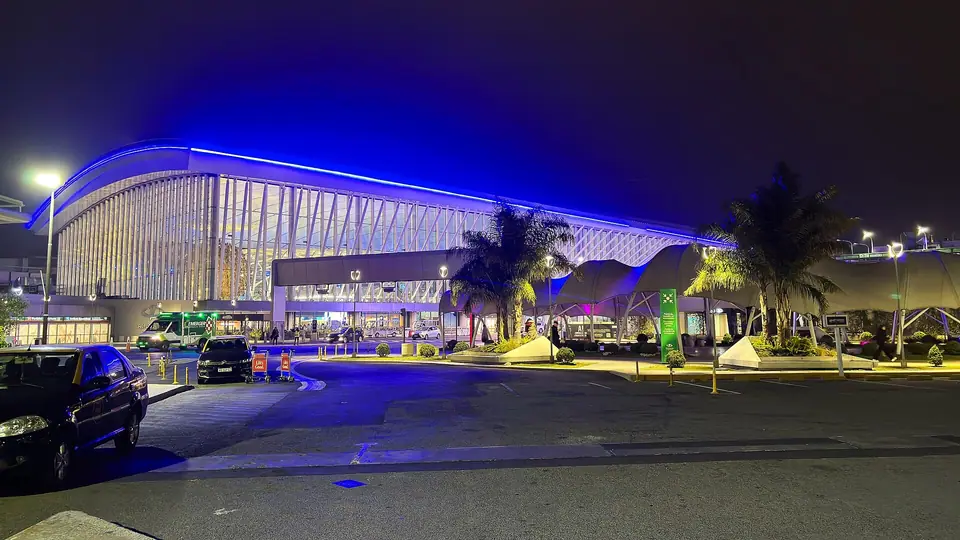
Ministro Pistarini International Airport (Ezeiza, IATA: EZE) sits 22 kilometres south-southwest of central Buenos Aires along the Riccheri and 25 de Mayo expressways. Cornerstoned in December 1945 and spanning 3,475 hectares, Ezeiza handles 85 per cent of Argentina's international air traffic, including all long-haul flights from Europe and North America. Official airport shuttle buses (Tienda León), pre-booked remises (private cars), licensed taxis, and public bus Line 8 connect Ezeiza with downtown and Retiro; allow 40 to 70 minutes by road depending on rush-hour traffic.
Aeroparque Jorge Newbery (IATA: AEP) occupies a 138-hectare strip along the Río de la Plata in the Palermo neighbourhood, just 2 kilometres northwest of the city centre. Inaugurated in 1947, Aeroparque handles the majority of domestic flights across Argentina (including Bariloche, Iguazú, Mendoza, Salta, and Ushuaia) as well as short-haul regional services from Brazil, Chile, Paraguay, and Uruguay. Because AEP sits directly on the northern avenue corridor, a taxi to Palermo or Recoleta takes 10 to 20 minutes.
Río de la Plata Ferries and Intercity Trains
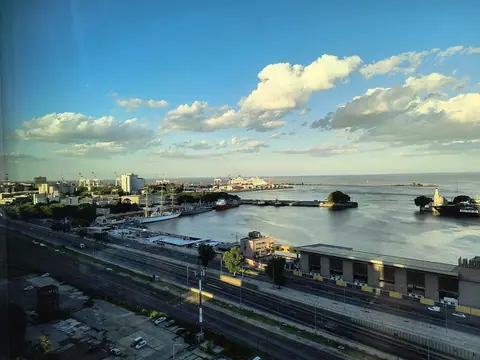
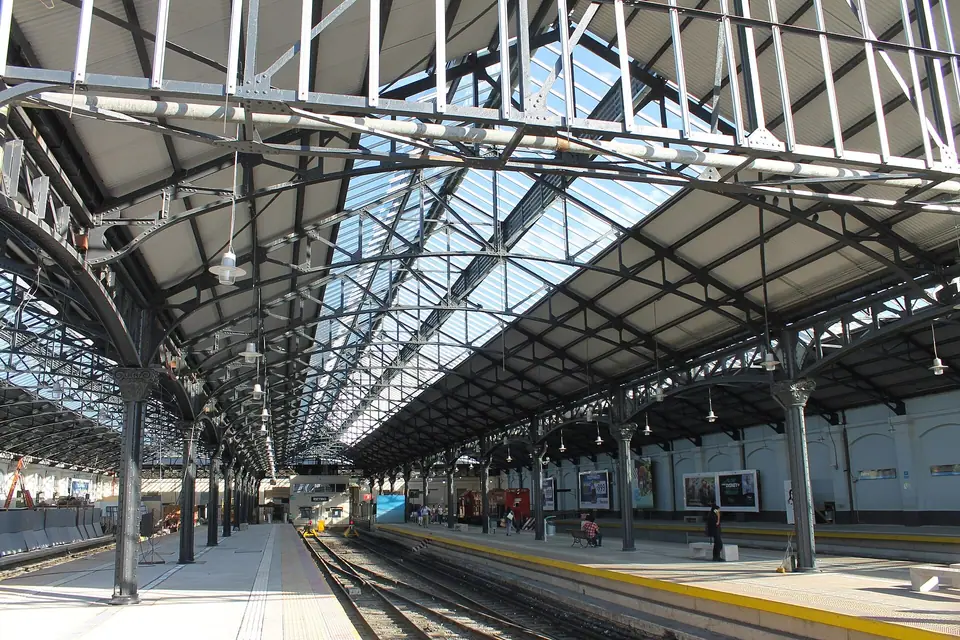
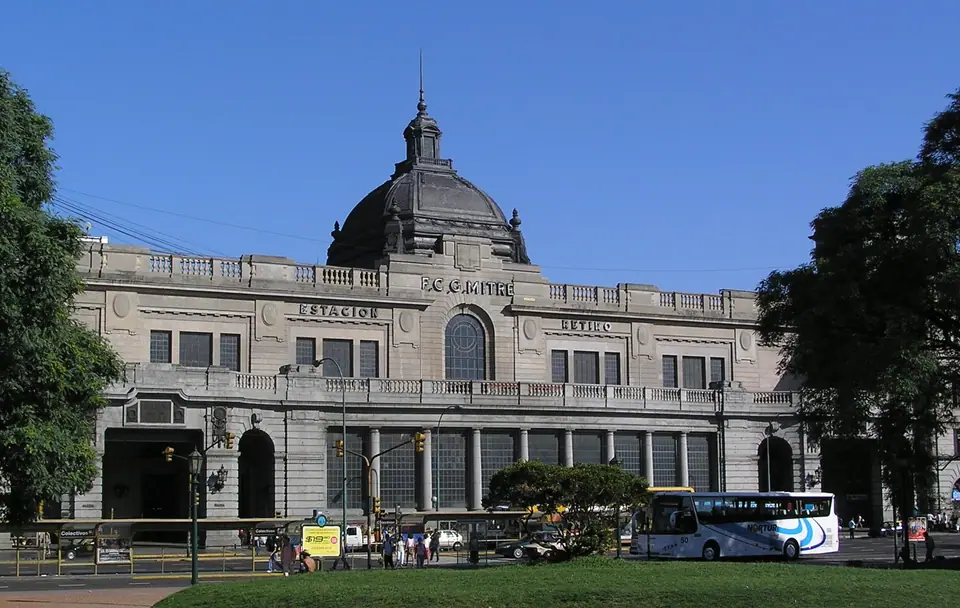
High-speed passenger ferries operated by Buquebus and Colonia Express cross the Río de la Plata estuary daily from the Dársena Norte terminal at the northern edge of Puerto Madero to Colonia del Sacramento (approximately 1 hour 15 minutes) and Montevideo in Uruguay. For rail excursions north to the Tigre Delta and San Isidro, commuter trains depart from the historic 1915 Retiro Mitre terminal.
Using the SUBE Card on the Subte and Colectivos
- The SUBE Card: Cash is not accepted on buses or metro turnstiles. Purchase and top up a physical SUBE smart card at Subte ticket windows or lottery kiosks (agencias de lotería), or tap a contactless credit/debit card at enabled Subte turnstiles.
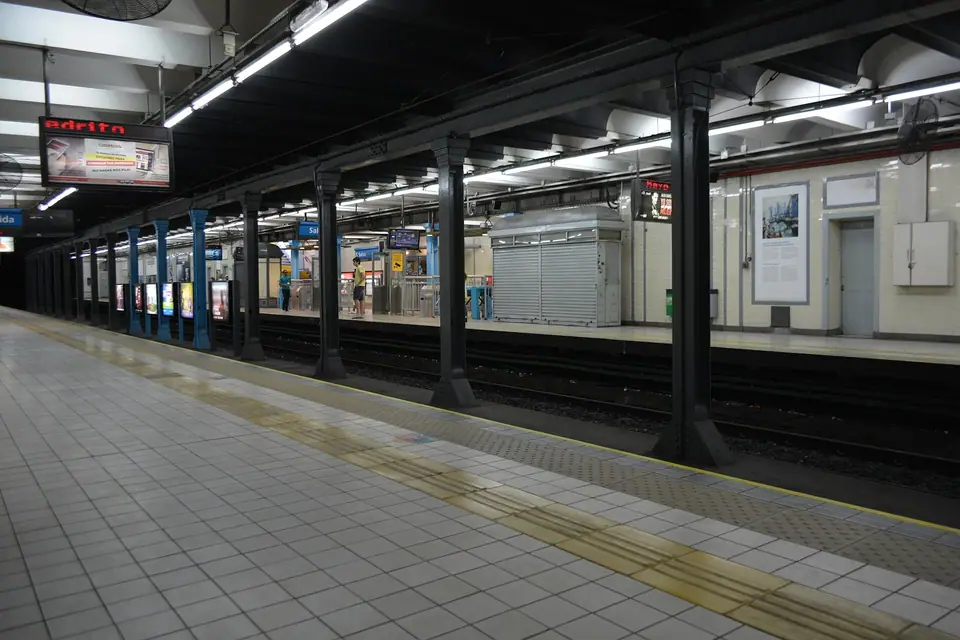
- The Subte Network: Operating six underground lines (A, B, C, D, E, and H) across 56.7 kilometres and 90 stations, the Subte runs from early morning until late evening. Line A beneath Avenida de Mayo is the oldest line (1913), while Line D connects Plaza de Mayo with Teatro Colón, Recoleta, and Palermo.
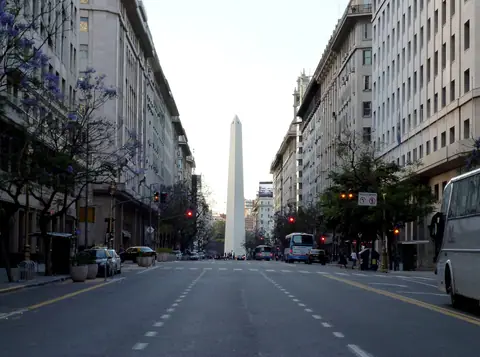
- Colectivos and Metrobus: Buenos Aires' numbered city buses (colectivos) run 24 hours a day, with dedicated Metrobus rapid-transit lanes down the centre of Avenida 9 de Julio, Avenida del Libertador, and Avenida Juan B. Justo.
Traveller tips
Real advice from people who have been to How to Get to Buenos Aires: Ezeiza, Aeroparque, Subte, and Ferry. Every tip is read by our team before it goes live.
No tips yet. Been here? Yours could be the first.
Thank you! Your tip will appear here after a quick review.
More in Buenos Aires
Continue exploring Buenos Aires with related neighbourhood, food, and planning guides