


























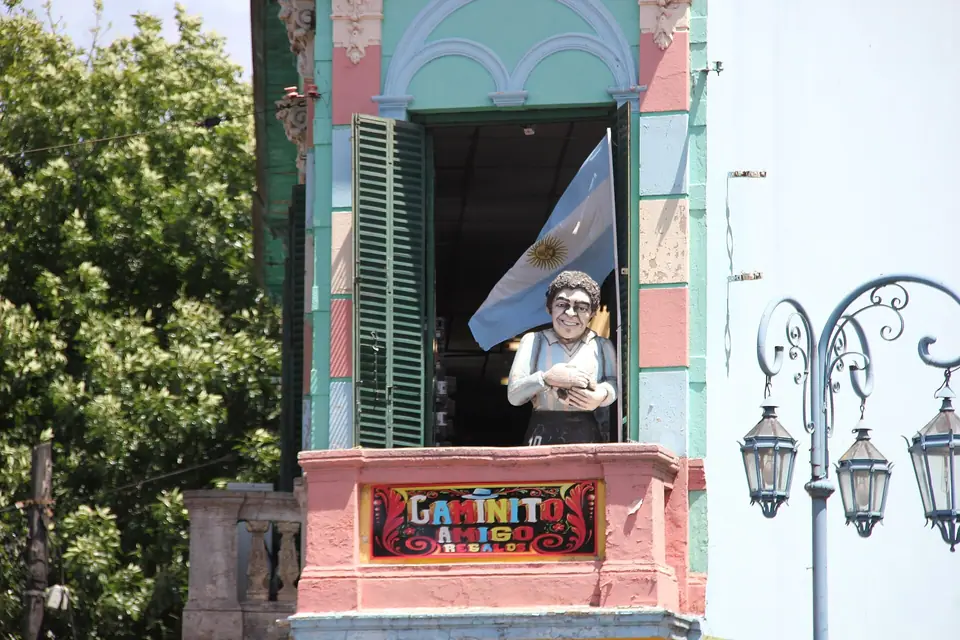
La Boca, Caminito, and the Old Riachuelo Port
Visit the colourful corrugated-iron conventillos of Caminito, the old Riachuelo river port, and the Genoese cultural heritage of La Boca.
At the southeastern tip of Buenos Aires, where the winding Matanza-Riachuelo River empties into the Río de la Plata, La Boca ("the Mouth") grew up in the 19th century around the capital's original working port. Settled overwhelmingly by immigrants from the Ligurian coast around Genoa in Italy, to the point that the neighbourhood still calls its residents Xeneizes (Genoese), dockworkers, shipwrights, and stevedores built shared multi-family tenements known as conventillos out of timber frames clad in corrugated sheet iron and painted with leftover marine enamel from the shipyards along the river.
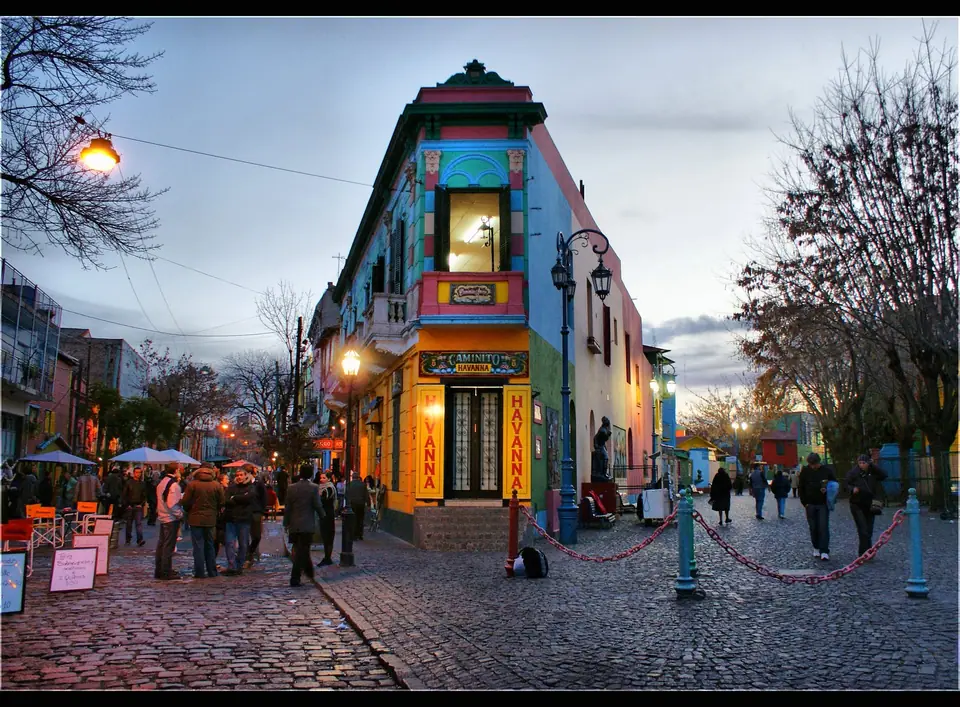
Caminito: Benito Quinquela Martín's Open-Air Street Museum
The neighbourhood's centerpiece is Caminito, a 150-metre curving pedestrian alley beside the Vuelta de Rocha bend of the Riachuelo River. In the 19th century, a small stream known in Genoese dialect as the Puntin flowed here before being replaced by a branch freight track of the Buenos Aires and Ensenada Port Railway. After the railway line closed in 1954 and the right-of-way fell into neglect, La Boca's celebrated port painter and philanthropist Benito Quinquela Martín (1890 to 1977) led a three-year community effort to paint the surrounding tenement walls in vivid blues, yellows, crimsons, and ochres, installing outdoor relief sculptures and a theatrical stage at the southern end. Inaugurated on 18 October 1959, the street was named after the 1926 tango Caminito composed by Juan de Dios Filiberto.
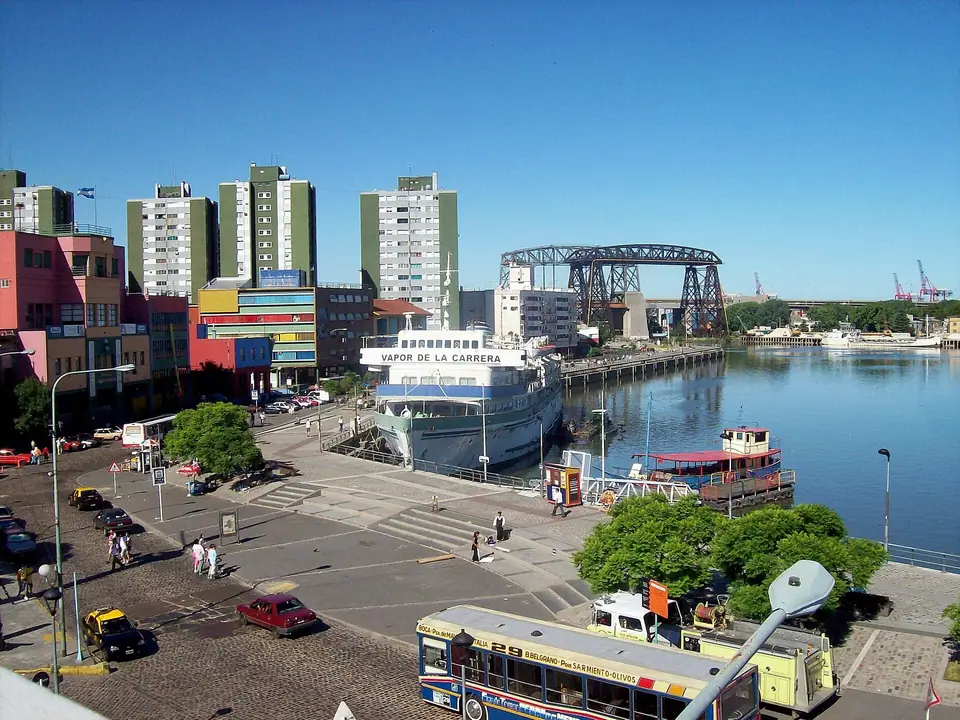
Vuelta de Rocha, Quinquela Martín Museum, and Fundación Proa
Immediately facing the river at Pedro de Mendoza 1835 stands the Museo de Bellas Artes de La Boca Benito Quinquela Martín, housed in the 1936 school and studio building donated by the artist; its third-floor galleries display Quinquela Martín's canvases of smoking freighters and labouring dockers alongside a collection of carved wooden ship figureheads, while his apartment preserves walls painted in bright primary colours. Next door at Pedro de Mendoza 1929, the glass-fronted Fundación Proa stages rotating exhibitions of contemporary Latin American art, with a rooftop café looking straight across the Vuelta de Rocha water basin to the monumental steel frame of the Puente Transbordador Nicolás Avellaneda, inaugurated in 1914 as one of the few surviving transporter bridges in the world.
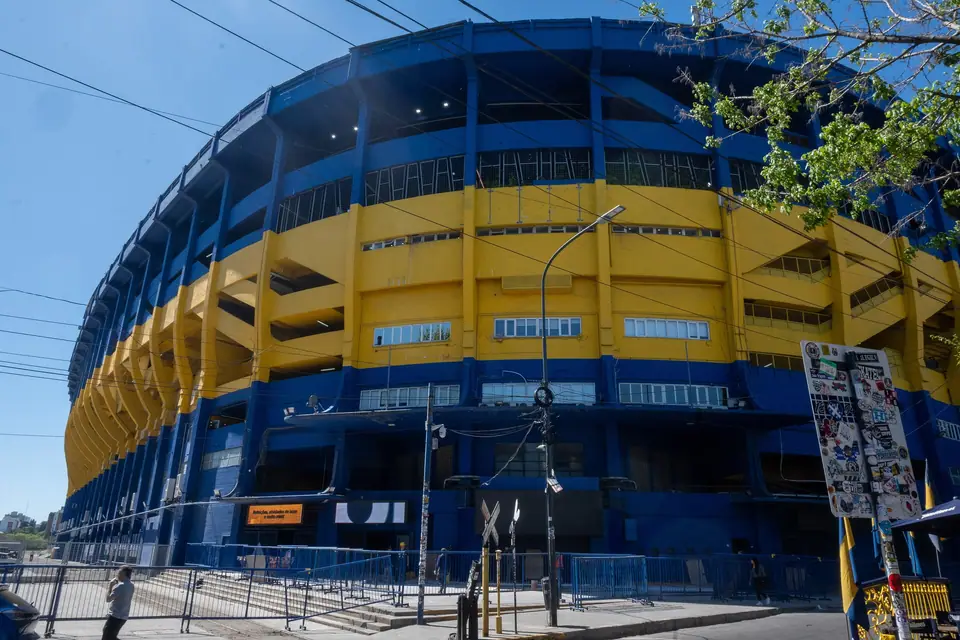
La Bombonera and Daylight Visiting Tips:
Three blocks inland from Caminito at Brandsen 805 stands Estadio Alberto J. Armando, universally known as La Bombonera ("the Chocolate Box") for its steep, flat-sided acoustic stands painted in the blue and gold colours of Club Atlético Boca Juniors (founded in the neighbourhood by Italian immigrant youths in 1905). Inside the stadium, the Museo de la Pasión Boquense traces the history of the club and players including Diego Maradona. Because La Boca is best explored during daylight hours, visit between mid-morning and mid-afternoon and stay along the main pedestrian circuit linking Caminito, Avenida Pedro de Mendoza, and Brandsen before continuing north to San Telmo or Puerto Madero.
Traveller tips
Real advice from people who have been to La Boca, Caminito, and the Old Riachuelo Port. Every tip is read by our team before it goes live.
No tips yet. Been here? Yours could be the first.
Thank you! Your tip will appear here after a quick review.
More in Buenos Aires
Continue exploring Buenos Aires with related neighbourhood, food, and planning guides
Best Things to Do in Buenos Aires
Buenos Aires, Argentina
How to Get to Buenos Aires: Ezeiza, Aeroparque, Subte, and Ferry
Buenos Aires, Argentina
Best Time to Visit Buenos Aires: Seasons, Jacarandas, and Weather
Buenos Aires, Argentina
Where to Stay in Buenos Aires: Palermo, Recoleta, and San Telmo
Buenos Aires, Argentina
