


























San Telmo, Plaza Dorrego, and the Historic Market Hall
Explore Buenos Aires' oldest neighbourhood, from the 1897 cast-iron Mercado de San Telmo and Sunday antiques fair on Plaza Dorrego to colonial churches.
Directly south of Plaza de Mayo, San Telmo (named for Saint Pedro González Telmo, patron saint of sailors) is the oldest preserved neighbourhood in Buenos Aires. Known as the Alto de San Pedro during the 17th century, when dockworkers, brickmakers, and warehousemen lived above the muddy banks of the Río de la Plata, the district later housed the city's patrician families until the yellow fever epidemic of 1871 prompted the wealthy to move north to Recoleta. Left largely untouched by 20th-century high-rise demolition, their multi-patio mansions became immigrant tenements (conventillos), bohemian artist studios, and tango halls.
Mercado de San Telmo (1897)
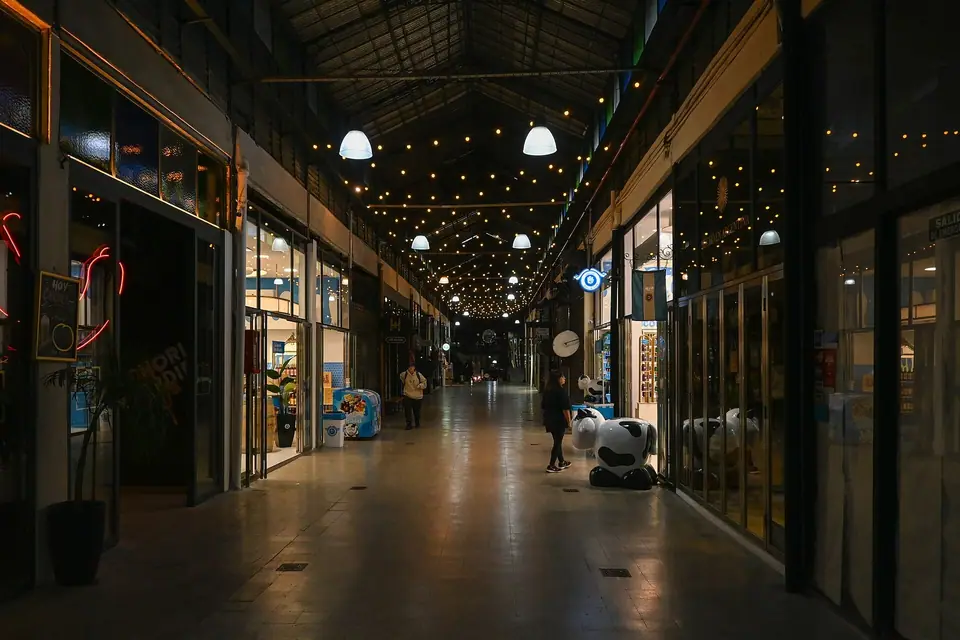
At the intersection of Bolívar, Carlos Calvo, Defensa, and Estados Unidos streets stands the Mercado de San Telmo, inaugurated in 1897 to a design by Italian-born architect Juan Antonio Buschiazzo. Beneath a soaring riveted iron-and-glass framework crowned by a central dome, the indoor market blends traditional greengrocers, butchers, and fishmongers with antique glassware dealers, vintage vinyl collectors, specialty coffee counters, and wood-fired empanada and choripán stalls. Visiting on a weekday morning lets you admire the original ironwork and stained glass in relative calm before the weekend crowds arrive.
Plaza Dorrego and the Sunday Feria de San Telmo
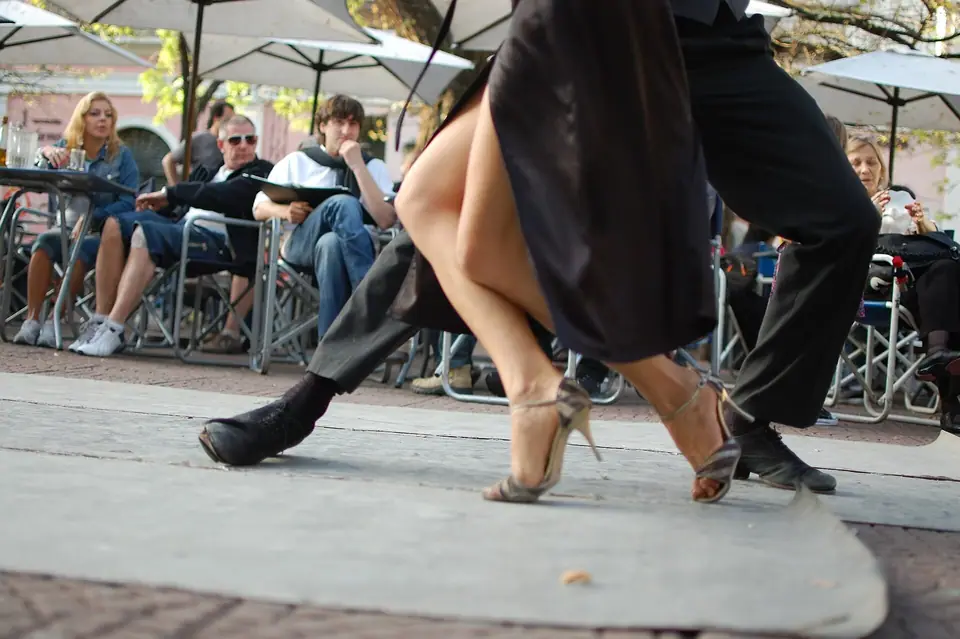
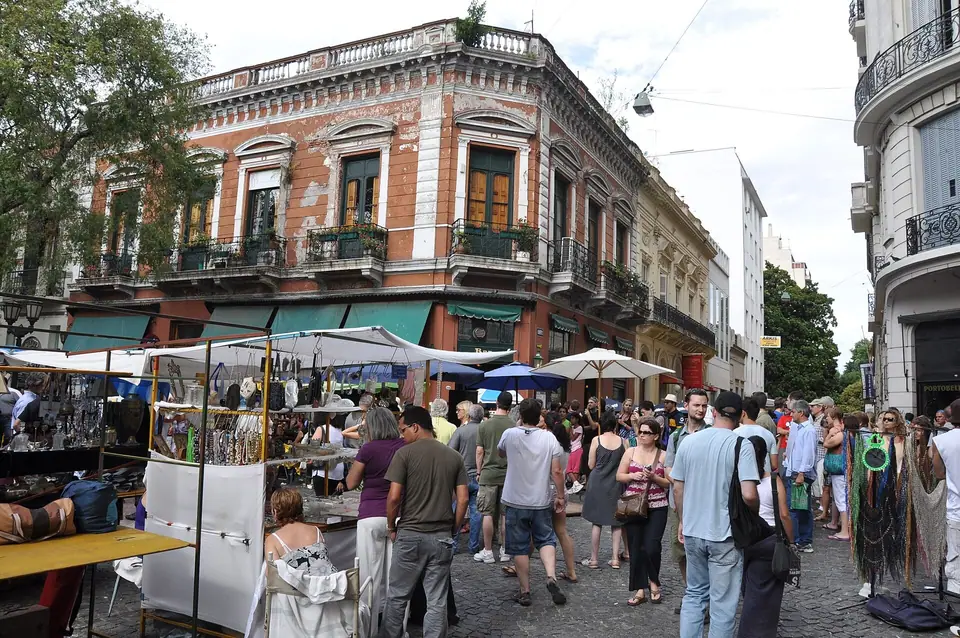
Four blocks south of the market along cobbled Calle Defensa, the street opens into Plaza Dorrego (Humberto Primo and Defensa), one of the oldest public squares in Buenos Aires, where the people of the capital learned of Argentina's formal declaration of independence in 1816. On weekdays, plane trees shade the outdoor tables of historic corner bars such as Bar Plaza Dorrego, while pairs of tango dancers perform on the cobblestones to bandoneón recordings. Every Sunday since 1970, the square and the entire length of Calle Defensa host the Feria de Antigüedades de San Telmo, where hundreds of licensed antiquarians set out 19th-century silver mate gourds, seltzer siphons, Art Deco lamps, and leatherware.
Pasaje Defensa and San Pedro Telmo Church:
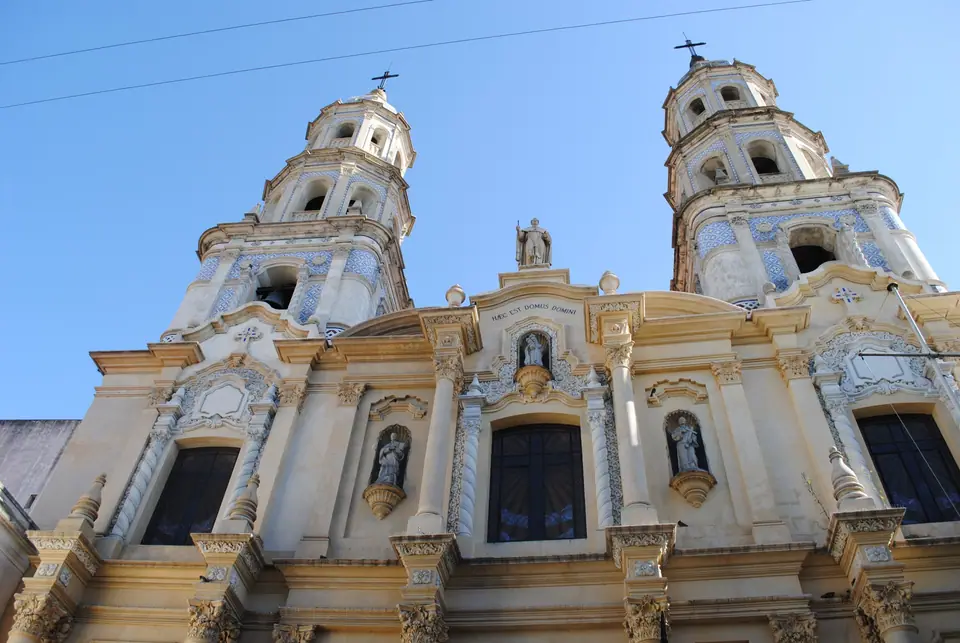
One block south of Plaza Dorrego at Defensa 1179, step through the doorways of Pasaje Defensa (Casa Ezeiza), an 1880 residence built for the Ezeiza family whose two linked open-air courtyards now house small galleries and artisan shops. Across Humberto Primo at number 340 rises the white twin-towered Parroquia de San Pedro González Telmo, begun by the Jesuits in 1734, alongside the cloisters of the Museo Histórico Nacional inside neighboring Parque Lezama. From Parque Lezama, a short bus or taxi ride south leads directly to La Boca and Caminito.
Traveller tips
Real advice from people who have been to San Telmo, Plaza Dorrego, and the Historic Market Hall. Every tip is read by our team before it goes live.
No tips yet. Been here? Yours could be the first.
Thank you! Your tip will appear here after a quick review.
More in Buenos Aires
Continue exploring Buenos Aires with related neighbourhood, food, and planning guides
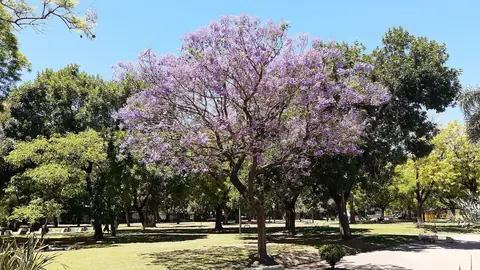
Best Time to Visit Buenos Aires: Seasons, Jacarandas, and Weather
Buenos Aires, Argentina
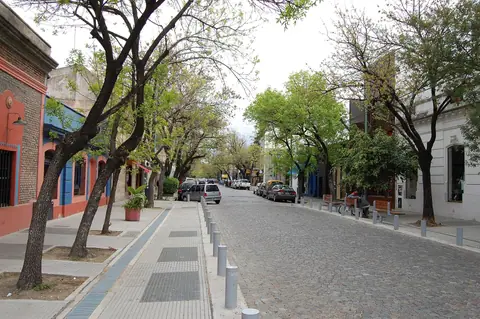
Where to Stay in Buenos Aires: Palermo, Recoleta, and San Telmo
Buenos Aires, Argentina
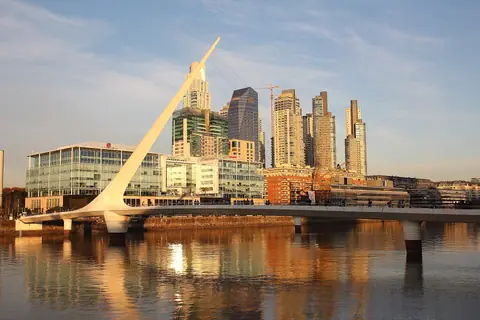
3 Days in Buenos Aires: Neighbourhoods, Tango, and Riverfront
Buenos Aires, Argentina
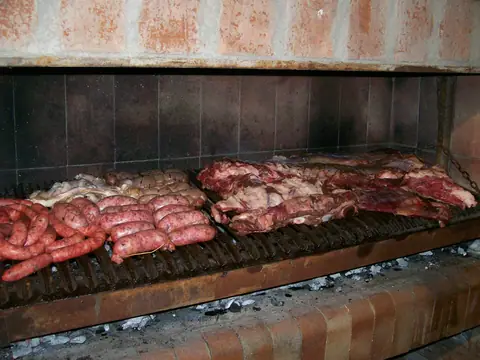
What to Eat in Buenos Aires: Asado, Empanadas, Choripán, and Helado
Buenos Aires, Argentina
