


























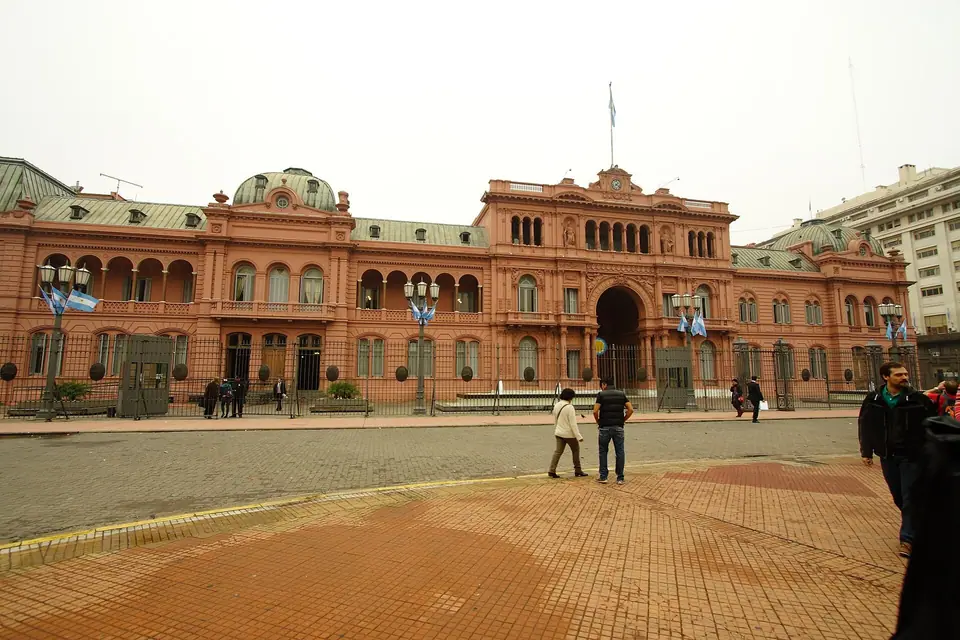
Plaza de Mayo, Casa Rosada, and Avenida de Mayo
Walk the civic and architectural spine of Buenos Aires from the 1884 Plaza de Mayo and pink Casa Rosada past the 1858 Café Tortoni to Palacio Barolo.
Every chapter of Argentina's political and architectural history converges at Plaza de Mayo and along the tree-lined boulevard of Avenida de Mayo, which runs 1.5 kilometres due west to the Palace of the National Congress. Laid out on the high river bluff selected by Spanish captain Juan de Garay on 11 June 1580, this corridor forms the ceremonial heart of the Monserrat neighbourhood and the starting point for any 3-day Buenos Aires itinerary.
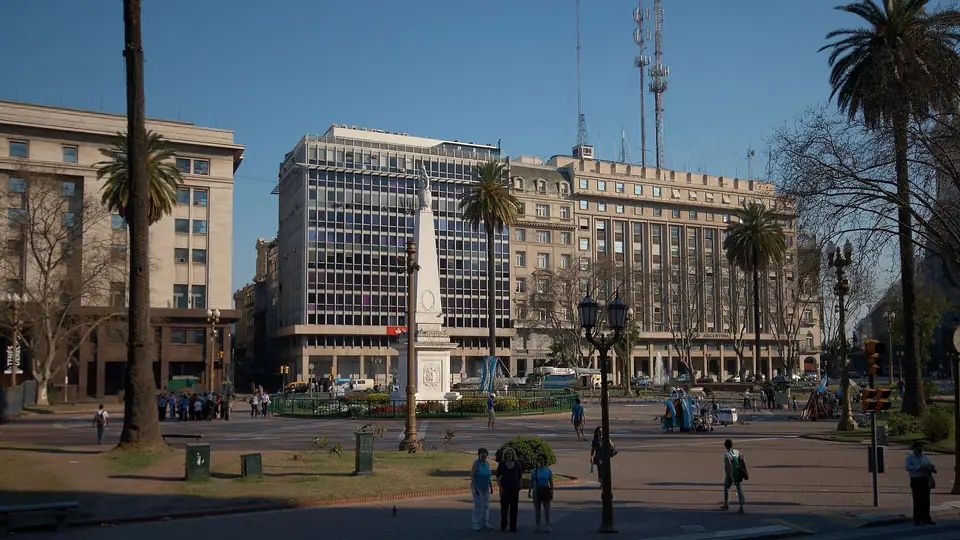
Plaza de Mayo, Casa Rosada, and the Colonial Cabildo
Plaza de Mayo took its modern shape in 1884 when city authorities demolished the Recova Vieja market arcade that had divided the colonial Plaza de la Victoria and Plaza 25 de Mayo. At the centre of the square rises the white Pirámide de Mayo, inaugurated in 1811 to mark the first anniversary of the May Revolution of 1810 and crowned with an allegory of Liberty; around its base, the white headscarves of the Mothers of the Plaza de Mayo are painted on the paving stones.
Occupying the square's eastern flank above the original 1594 Fort of Buenos Aires is the Casa Rosada (officially the Casa de Gobierno), the workplace of the President of Argentina. Its baby-pink facade unites two 19th-century structures joined by Francesco Tamburini's central arch, with the Museo del Bicentenario in the vaults below. Across the square stands the whitewashed Cabildo of Buenos Aires, seat of the colonial council and the 1810 Primera Junta, designated a National Historic Monument in 1933.
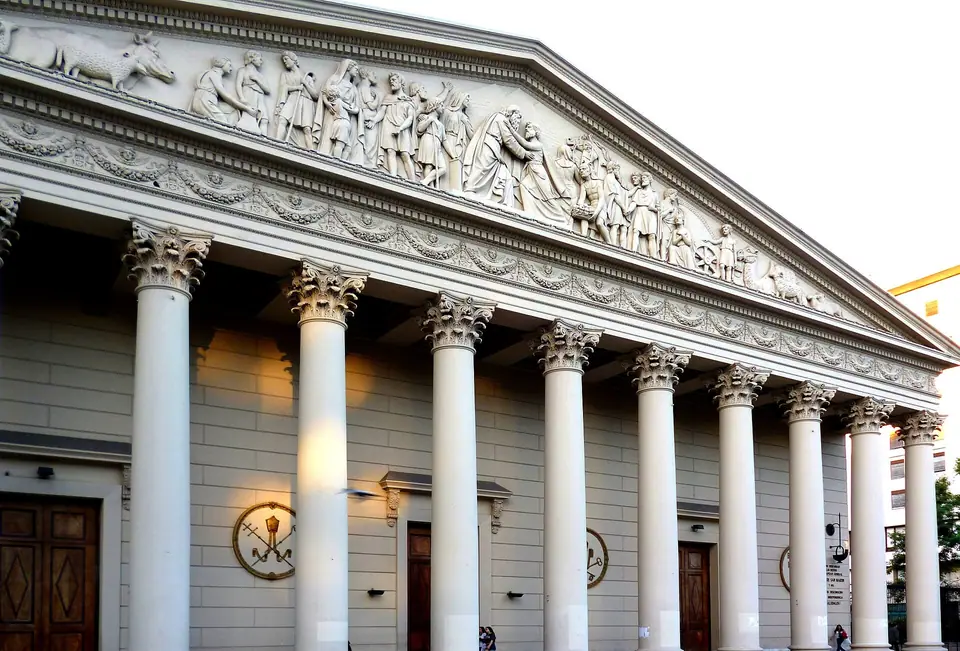
Metropolitan Cathedral and Avenida de Mayo
On the northwestern corner of Plaza de Mayo at San Martín and Rivadavia streets stands the Metropolitan Cathedral of the Most Holy Trinity. Standing on the plot allocated by Juan de Garay in 1580, its 12-columned neoclassical portico was built in the 1820s by Prosper Catelin. Inside, Mounted Grenadiers guard the 1880 mausoleum of General José de San Martín sculpted by Albert-Ernest Carrier-Belleuse.
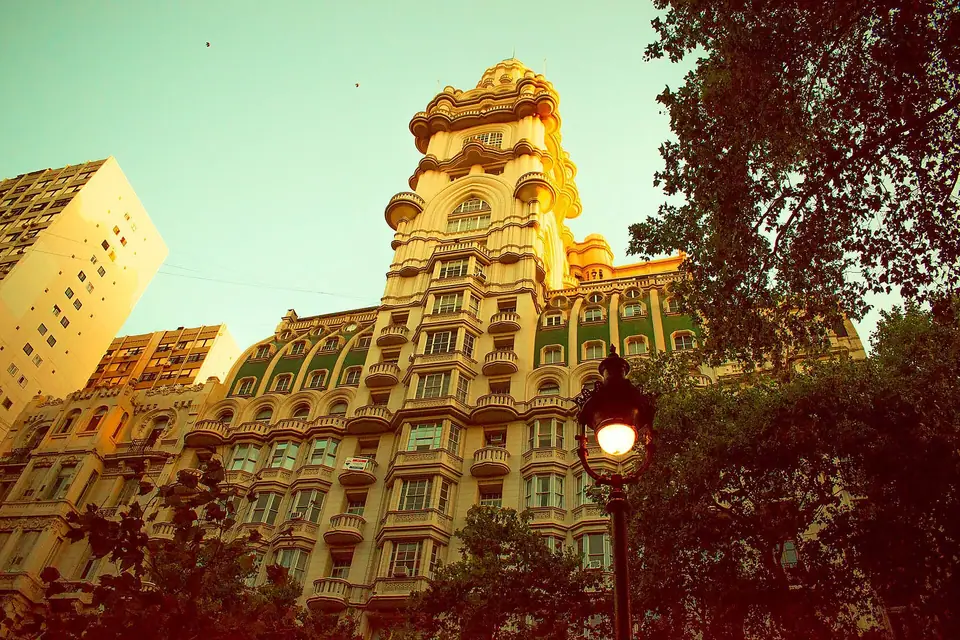
Café Tortoni and Palacio Barolo
Cutting west from Plaza de Mayo, Avenida de Mayo was inaugurated in 1894 as South America's first grand boulevard, beneath which Subte Line A opened in 1913. At number 825, step inside Café Tortoni, founded in 1858 by French immigrant Touan and given its current Avenida de Mayo entrance by architect Alejandro Christophersen in 1898. Further west at Avenida de Mayo 1370 rises the 100-metre-tall Palacio Barolo, designed by Italian architect Mario Palanti for textile industrialist Luis Barolo and inaugurated in 1923. Structured around the cosmology of Dante Alighieri's Divine Comedy, configured into Hell on the ground floor, Purgatory across the middle storeys, and Heaven in the glass lighthouse dome, it remained the tallest building in Buenos Aires until 1936. From here, walk south along Calle Defensa to San Telmo or north to Teatro Colón and the Obelisco.
Traveller tips
Real advice from people who have been to Plaza de Mayo, Casa Rosada, and Avenida de Mayo. Every tip is read by our team before it goes live.
No tips yet. Been here? Yours could be the first.
Thank you! Your tip will appear here after a quick review.
More in Buenos Aires
Continue exploring Buenos Aires with related neighbourhood, food, and planning guides
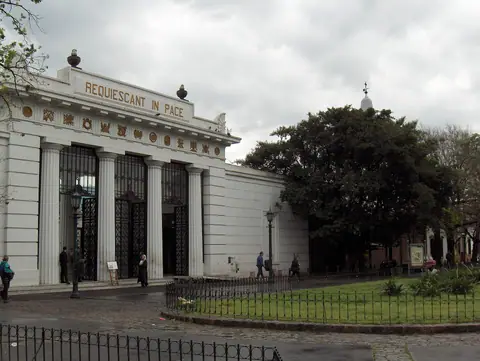
Recoleta Cemetery, Bellas Artes, and El Ateneo Grand Splendid
Buenos Aires, Argentina
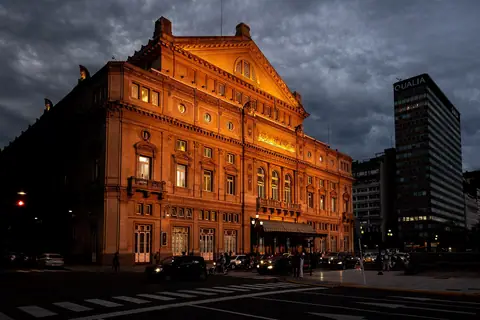
Teatro Colón, Obelisco, and Avenida Corrientes
Buenos Aires, Argentina
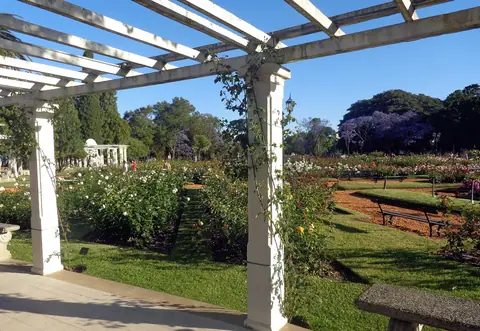
Palermo Soho, Bosques de Palermo, and MALBA
Buenos Aires, Argentina
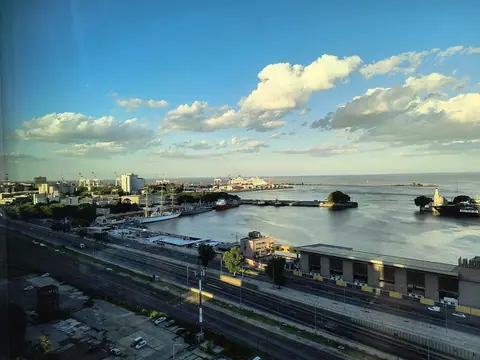
Puerto Madero, Puente de la Mujer, and Costanera Sur Reserve
Buenos Aires, Argentina
