








Best Time to Visit Cappadocia
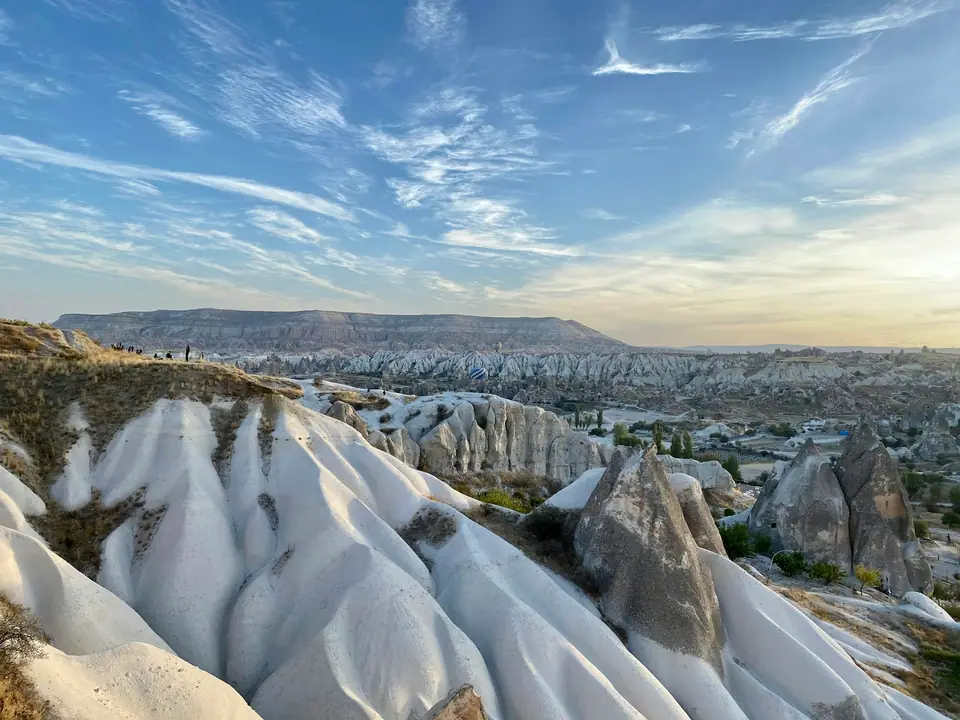
Short answer: April to June, or September to mid-October. Mornings are calm enough for the balloons to fly most days, afternoons are warm but fine for walking, and the valleys are green in spring and golden in autumn.
The detail is mostly about two things, wind and temperature. Balloons need still air, and cancellations are most common from December to February, when fronts bring wind and snow. They happen in every season, though, which is why we always suggest at least two sunrises. For the full picture, read our balloon guide.
Season by season
- Spring (April to June): wildflowers, mild days, cold nights. Busy around Easter and national holidays.
- Summer (July and August): hot and dry in the afternoons, often in the 30s°C, but the air cools fast after sunset. Balloons fly on most days. Walk early, rest after lunch.
- Autumn (September to November): the most comfortable walking weather. Grape harvest in September, when vines in the valleys are heavy with fruit. November gets cold and grey.
- Winter (December to March): sub-zero nights, and some years a lot of snow. The fairy chimneys under snow are a sight few visitors get, and hotels are cheaper. Trails are muddy or icy, and more balloon mornings are lost.
Crowds and holidays
Cappadocia is popular with Turkish visitors as well as international ones. The two religious holidays, Ramazan Bayramı and Kurban Bayramı, fall on different dates each year and fill hotels and balloon baskets fast, as does New Year. Check the dates before you book. Chinese and Korean tour groups also come in large numbers, and the big viewpoints get crowded at sunrise all year.
What you pack depends heavily on the month, and a warm layer belongs in every bag. Our what to wear guide has the list.