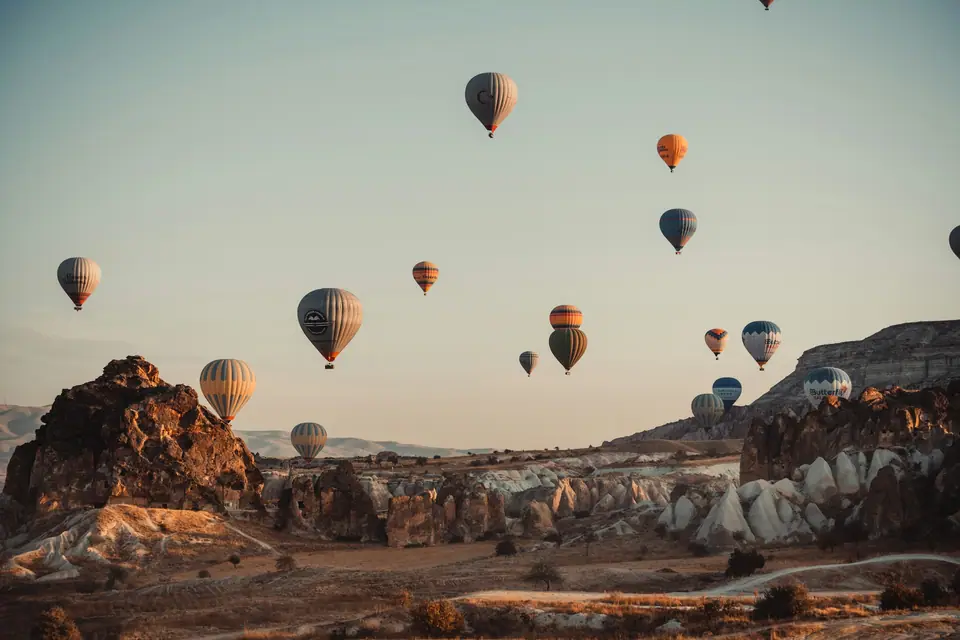
Photo by Timur Garifov on Unsplash
Cappadocia: What to Know Before You Go
A practical Cappadocia guide covering entry requirements, currency restrictions, weather patterns, and hot air balloon flight regulations.
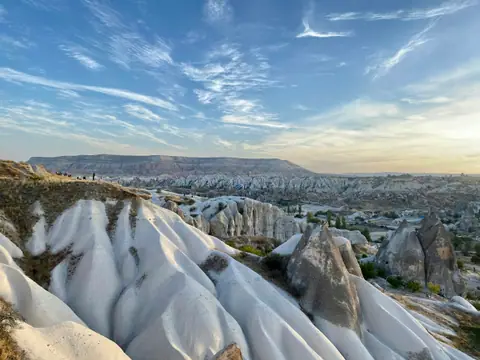
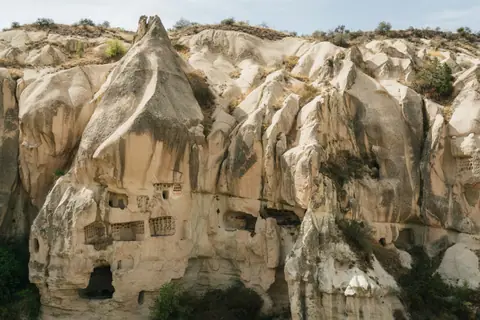
Cappadocia is situated southeast of Ankara and is widely known for geological rock formations called fairy chimneys. This dry upland region attracts visitors from around the world to explore carved dwellings, deep ravines, and historic valleys. Understanding the physical layout and border regulations makes your journey straightforward.
Before planning your itinerary, review entry requirements carefully to prevent problems at the border. To enter Turkey, your passport must have an expiry date at least 150 days after the date you arrive and at least 1 blank page. If you live in Turkey, your passport must be valid for 6 months from the date you arrive. British citizen passport holders can visit Turkey without a visa for up to 90 days in any 180-day period, for business or tourism.
Travellers driving or taking international buses across borders must monitor border formalities. If entering at a land border, make sure officials stamp and date your passport at the border crossing. Missing an entry stamp causes severe delays when departing the country later. If leaving Turkey with a dual British-Turkish national child who is 18 or younger, you may need to show permission to travel from the Turkish parent.
Certain items are strictly prohibited under national customs laws. Controlled drugs, firearms, offensive weapons such as flick knives and self-defence sprays, endangered animal and plant species, and indecent and obscene material cannot be brought into or taken out of Turkey. Attempting to transport these goods brings serious penalties under Turkish jurisdiction.
Strict financial rules govern the export of currency when returning home. There is no limit on the amount of foreign currency or Turkish lira you can take into Turkey. However, you must not take Turkish lira worth more than 5000 US dollars out of the country. If you have other currency worth more than 5000 US dollars to take out of Turkey, you must declare it to Turkish Customs.
Settlements and Regional Character
Cappadocia is not a single urban centre. It functions as an interconnected network of towns, farming communities, and open plateau trails. Göreme serves as the primary base for many travellers because paths lead straight from town streets into dramatic tuff valleys. Uçhisar stands on higher ground nearby, offering broad views across the arid landscape.
Other settlements across the region maintain distinct identities. You will find Avanos towards the northern riverbank, Ürgüp on the eastern slopes, and quieter agricultural communities such as Çat and the village of Çavuşin. Navigating between these locations reveals distinct rock formations and local communities.
Local craftsmanship remains central to the region. Cappadocia is home to hand made silk and wool carpets. Traditional carpet weaving workshops preserve ancient Anatolian knotting techniques passed down through generations. Visitors often inspect these textiles in dedicated showrooms in village centres or seek out family-run ceramic studios in the northern districts.
Exploring the historic underground complexes requires travel towards the south of the plateau. To understand how ancient communities defended themselves against hostile armies, read our detailed comparison in Cappadocia Underground Cities: Derinkuyu or Kaymaklı?. These subterranean refuges feature complex air shafts and heavy stone doors.
Hot Air Balloon Operations
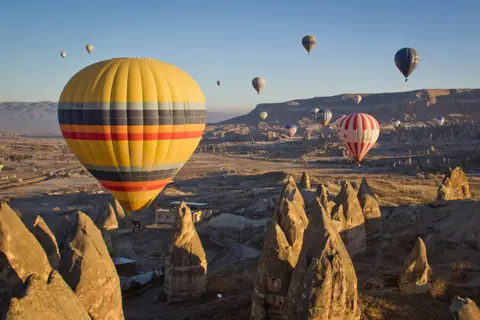
Ballooning is one of the most visible aerial pursuits in Central Anatolia. Dry plateau conditions and early morning calms make the region famous for passenger flights. Takeoff points around Göreme, Uçhisar, Çat, and the village of Çavuşin see sunrise departures fill the morning sky with colourful envelopes.
Safety procedures dictate that flights operate when the atmosphere is stable and a daily permit is issued. Hot air balloon flights require permission granted based on weather evaluations by the Directorate General of Civil Aviation Nevşehir Coordination Office. Tours cannot take off without this formal regulatory approval. Gusty winds, poor visibility, or incoming rain prompt immediate flight suspensions.
Balloon tours in the region operate on an average of 220 days per year when weather conditions permit. Because flights are grounded on roughly one third of all mornings, building flexibility into your schedule is essential. Booking several nights ensures you do not miss flying if winds ground the fleet initially. For comprehensive advice on early bookings and safety regulations, consult our Cappadocia Hot Air Balloon Guide.
Climate and Packing Considerations
The high Anatolian plateau endures extreme shifts in seasonal temperatures. Summers bring intense heat, while winter regularly introduces freezing nights and significant snowfall. In Nevşehir, the weather bureau has recorded a maximum snow depth of 64 cm. This record shows how harsh winter conditions can become across the province.
Planning what to wear depends on your daily activities and travel season. Early morning balloon passengers must pack warm outer layers even in late spring, as temperatures remain cold before sunrise. Sturdy footwear is vital for walking on loose gravel trails across the slopes. Pack sun protection, a windproof shell, and adequate water bottles on any independent trek.
The crumbly nature of volcanic tuff means valley paths can become slippery after sudden rain. Check official meteorological reports before heading out to walk across exposed ridges. When winter snow blankets the valleys, walking poles and deep-tread boots provide essential stability on steep stone paths. Good preparation prevents injuries on remote tracks where transport access remains limited.
Transport and Local Etiquette
Moving between the regional hubs is feasible through several transport options. Local minibuses connect Göreme, Uçhisar, Nevşehir, and Avanos along primary roads. Licensed yellow taxis provide fast transfers between settlements when public transport timings do not align with your schedule. Hiring a car offers maximum autonomy if you wish to reach outlying archaeological sites.
Preserving fragile historic environments is an important responsibility for all visitors. Fairy chimneys and carved rock churches deteriorate rapidly under heavy foot traffic. Never climb fragile rock formations, touch surviving wall paintings, or scratch names into soft tuff surfaces. Staying on marked trails ensures that future generations can admire the natural architecture of the valleys.
Review the official websites of open-air sites and state museums before arriving to verify visitor guidelines. Understanding regional customs, keeping within border allowances, and respecting heritage rules guarantees an enjoyable journey across Cappadocia.
Always budget adequate time when travelling through rural settlements. Public transport between smaller villages can run less frequently in the late afternoon. Setting off early allows you to explore historic rock architecture, discover craft workshops, and return comfortably before dusk falls across the valleys.
Where it is
- 1Central Cappadocia
- Kayseri Erkilet International Airport (ASR) · about 60 km from the central Cappadocia in a straight line
- Directions in Google Maps
Stations and taxi ranks: OpenStreetMap. Airports: OurAirports. Distances are in a straight line.
Traveller tips
Real advice from people who have been to Cappadocia. Every tip is read by our team before it goes live.
No tips yet. Been here? Yours could be the first.
Thank you! Your tip will appear here after a quick review.
More in Cappadocia
Continue exploring Cappadocia with related neighbourhood, food, and planning guides