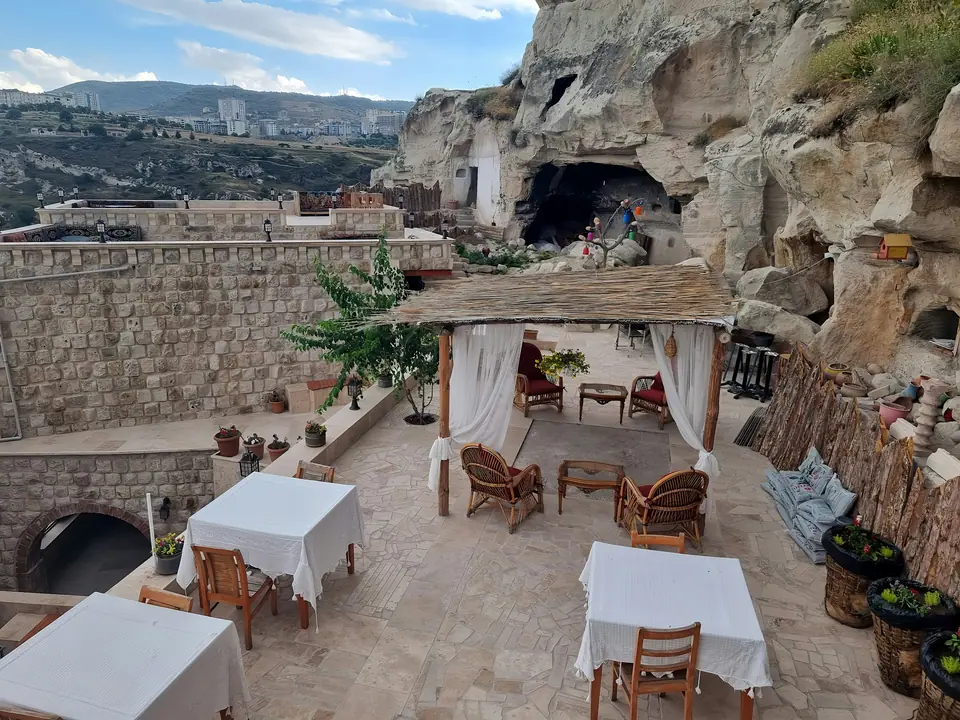
Photo by World Wanderer on Unsplash
Cappadocia Cave Hotels: Where to Stay
A practical guide to selecting the right village base and rock-cut room in Cappadocia.
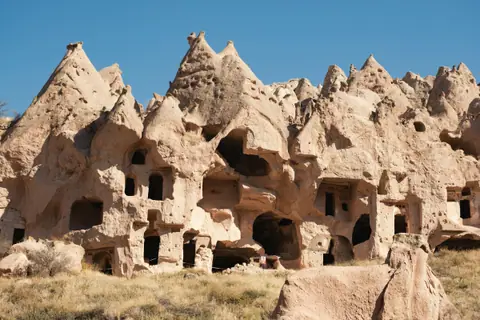
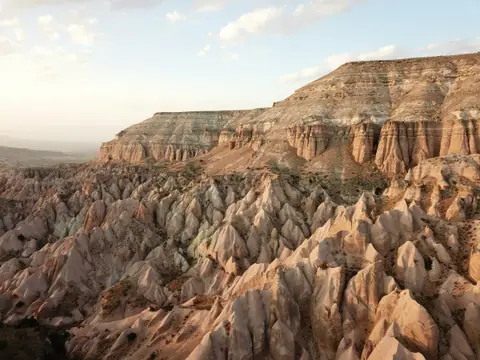
The moonscaped region of Cappadocia lies southeast of Ankara. Its terrain features distinctive geological formations known across the globe as fairy chimneys. For visitors exploring central Anatolia, staying in an authentic cave room provides one of the defining cultural experiences. Ancient communities carved dwellings directly into the soft volcanic tuff, creating sheltered chambers that stay insulated from external elements. Modern hospitality operators have transformed many of these historic spaces into comfortable accommodation. Deciding where to base yourself depends heavily on transport plans, elevation preferences and seasonal weather considerations.
Before choosing a specific property, consult our comprehensive Cappadocia Travel Guide: What to Know Before You Go for broad orientation. Regional weather plays a major part in room comfort, especially regarding insulation and heating. Between 1959 and 2025, regional temperature records kept in Nevşehir documented extremes from 39.5°C in July down to -23.6°C in February. Solid rock walls naturally moderate temperature swings, yet winter visits demand verified indoor heating systems.
Göreme Village and Central Valleys
Göreme sits directly among prominent fairy chimneys and valley trails. It serves as the primary transport node for travellers exploring Cappadocia without a personal car. Local paths lead directly from village streets into nearby hiking routes. The settlement offers an extensive selection of boutique properties, budget guesthouses and luxury rock-cut suites.
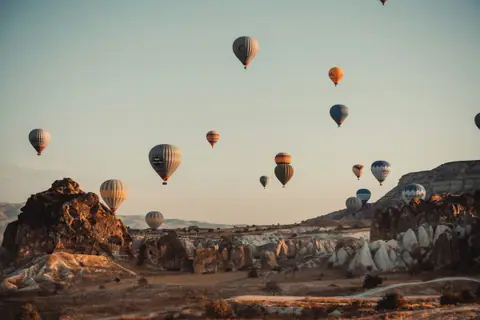
Many visitors choose Göreme for morning panoramas. Hot air balloons regularly lift off from neighbouring launch fields and drift directly above the valley rooftops at dawn. Terrace culture is prominent throughout the village. Properties built on the higher upper slopes provide calmer surroundings and broader views over the volcanic landscape.
Staying on the valley floor places dining spots, local shops and tour departures within straightforward walking distance. It also provides easy foot access to cultural landmarks, including the historic complex detailed in our Göreme Open Air Museum Guide. Lower streets can encounter evening traffic and vehicle noise, making hillside establishments preferable for light sleepers.
Uçhisar and Elevated Panoramic Terraces
Uçhisar sits on a hilltop, with wide views over the surrounding valleys. Positioned around a colossal rock outcrop, this village delivers sweeping vistas eastward across Pigeon Valley towards Göreme. The elevated setting produces quieter nights compared to the lower valley floor.
Hotels in Uçhisar often occupy grand historical stone houses combined with natural rock caverns. Their eastward orientation creates prime vantage points for watching morning flights across the central plains. Wind speeds across elevated ridges can be significant. Historical climate logs in Nevşehir recorded a maximum wind speed of 34.8 m/s on 12 March 1968. Uçhisar stays noticeably breezier than sheltered valley depressions.
Evenings in Uçhisar remain peaceful, with upscale restaurants integrated directly into heritage properties. Public transport links connect the village to neighbouring settlements, though evening services run less frequently. Guests staying here without rental vehicles often rely on local taxis for night excursions.
Ürgüp and Historic Stone Mansions
Ürgüp functions as an established commercial hub with an active community life beyond tourism. It features traditional stone architecture, weekly street markets and established regional wine producers. The historic quarters climb the hillside above modern town streets, housing restored merchant mansions.
Accommodation in Ürgüp leans heavily toward spacious stone-built vaulted chambers rather than deep excavated caverns. These rooms present high arched ceilings crafted from carved volcanic ash blocks. Local shops sell regional crafts, including handmade silk and wool carpets produced across Cappadocia. Having a private hire car proves advantageous in Ürgüp, as walking to central trailheads requires longer road travel.
Ortahisar and Slower Rural Villages
Travellers seeking rural rhythm often gravitate toward Ortahisar or Mustafapaşa. Ortahisar centres on its own towering stone pinnacle, surrounded by working agricultural storage vaults cut straight into rock hillsides. These cool underground spaces continue to hold regional harvests of apples and potatoes throughout the year.
Mustafapaşa features ornate stone facades reflecting its historic Greek heritage. Tourism infrastructure in these southern villages remains low-key and unhurried. Accommodations often operate as family-run guesthouses with fewer contemporary modifications. Staying here offers peaceful nights and direct contact with rural Anatolian village life, provided you arrange dependable road transport.
Understanding Authentic Rock-Cut Architecture
Properties across the region label diverse styles under the broad category of cave accommodation. Genuine excavated rooms are carved directly into living volcanic tuff bedrock. These chambers possess organic curved walls, muted acoustic properties and small exterior windows. They stay naturally cool during summer heatwaves, shielding guests from intense daytime sun.
Stone-built vaulted rooms represent a different architectural technique. Craftsmen assembled these chambers above ground using cut blocks of local ignimbrite stone. They feature taller ceilings, larger window frames and abundant natural daylight. Many premium properties combine both styles, featuring rock-cut bedrooms connected to stone-walled private sitting rooms or external courtyards.
Modern properties sometimes offer standard concrete masonry rooms finished with sprayed or coated plaster textures. When booking, inspect room photographs carefully to verify structural stone or natural rock surfaces if historical authenticity forms a priority for your stay.
Seasonal Climate and Room Comfort Factors
In Nevşehir, May is the wettest month, with an average of 57.9 mm of rain. Extreme single-day rainfall has reached 40.7 mm, recorded on 11 May 1990. Heavy spring precipitation increases humidity inside rock chambers.
Quality hotels counter subterranean moisture by installing mechanical ventilation shafts and active electric dehumidifiers. We advise confirming that deep cave rooms contain independent climate control equipment. Without proper air circulation, genuine excavated chambers can retain lingering dampness and soil scent.
Winter travellers must prepare for genuine freezing conditions across central Anatolia. A record snow depth of 64 cm was documented in Nevşehir on 2 February 1992. Rock caverns retain baseline thermal mass, but auxiliary heat is vital when outside temperatures drop below freezing. Reliable properties supply underfloor heating or radiator networks inside their excavated suites.
Essential Booking Verification Steps
Historic hillside architecture shapes property layouts across Cappadocia. Centuries of domestic construction carved pathways up steep cliff faces, resulting in multi-tiered terraces connected by stone stairways. Elevators cannot operate within protected geological formations or heritage stone mansions.
- Confirm the number of steps required to reach your room if carrying heavy luggage.
- Verify the presence of underfloor heating or radiators for stays planned between November and March.
- Check whether terrace viewpoints face open flight paths across regional valleys.
- Ensure deep excavated rooms possess functional ventilation windows or electric dehumidifying units.
- Review the walking distance to main village roads if you wish to avoid steep uphill paths.
Selecting the right village and room structure ensures your stay matches personal mobility needs, seasonal weather conditions and daily sightseeing itineraries across this Anatolian landscape.
Where it is
- 1Central Cappadocia
- Kayseri Erkilet International Airport (ASR) · about 60 km from the central Cappadocia in a straight line
- Directions in Google Maps
Stations and taxi ranks: OpenStreetMap. Airports: OurAirports. Distances are in a straight line.
Traveller tips
Real advice from people who have been to Cappadocia. Every tip is read by our team before it goes live.
No tips yet. Been here? Yours could be the first.
Thank you! Your tip will appear here after a quick review.
More in Cappadocia
Continue exploring Cappadocia with related neighbourhood, food, and planning guides