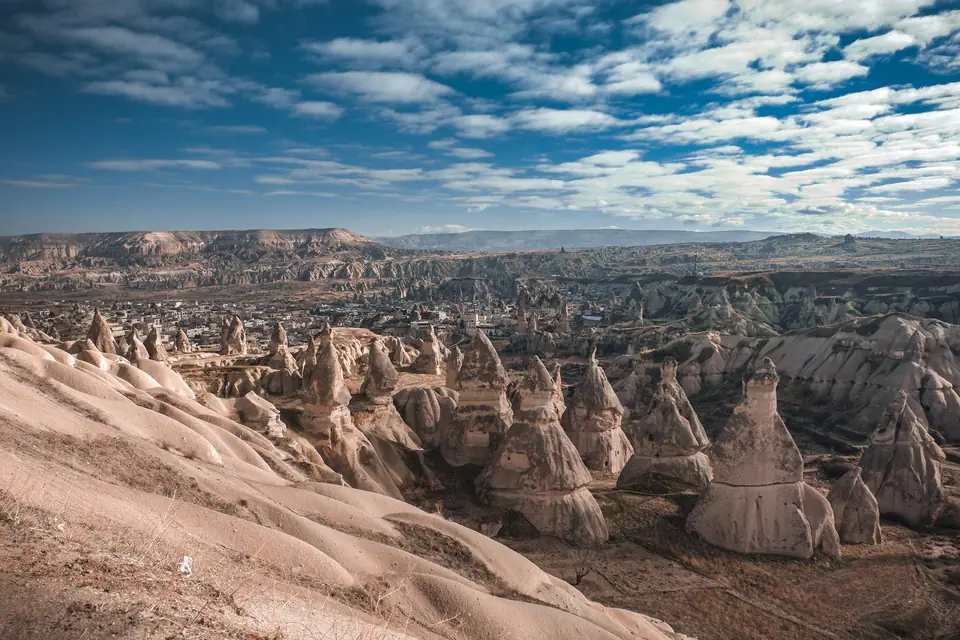
Photo by said alamri on Unsplash
What to Wear in Cappadocia
Pack versatile layers for chilly mornings and durable footwear for dusty valley trails.
Packing for central Anatolia requires preparation for sharp temperature swings throughout the day. Cappadocia sits on a high inland plateau where clear skies create significant daily temperature ranges. Dawn departures for valley excursions often feel bitterly cold, yet afternoons expose visitors to intense sunshine across open volcanic terrain. Planning your wardrobe around flexible layers allows you to adapt comfortably between outdoor trails and sheltered stone interiors.
Meteorological records for the surrounding Nevşehir province demonstrate these dramatic seasonal extremes. Official weather data shows that the historical highest recorded temperature in July reached 39.5°C. Conversely, winter temperatures can drop severely, with the record low temperature for February recorded at -23.6°C. Travellers should pack clothing that protects against both baking sun and piercing cold.
Dressing for Early Balloon Departures
Rising before dawn is standard routine when taking a flight with our Cappadocia hot air balloon guide. Flights lift off at sunrise around Göreme, Uçhisar, Çat, and the village of Çavuşin. Open launch fields trap cold nocturnal air, meaning that waiting on the ground exposes passengers to low ambient temperatures even during midsummer. Wearing multiple light garments keeps you comfortable while pilots inflate the envelopes.
We advise wearing long trousers and a windproof jacket over an insulating fleece for morning departures. Wind protection remains essential because the highest wind speed recorded in Nevşehir reached 34.8 m/s on 12 March 1968. You can remove outer garments as the sun rises and warms the wicker basket. Practical clothes also assist when climbing over the high basket rim during embarkation and landing.
Flight permissions depend strictly on local atmospheric stability. Balloons operate after weather evaluations by the Directorate General of Civil Aviation Nevşehir Coordination Office. Under suitable conditions, flights run an average of roughly 220 days per year. If poor weather causes cancellations, warm casual clothes ensure you remain comfortable while waiting for rescheduled slots across subsequent mornings.
Footwear for Rugged Valley Hiking
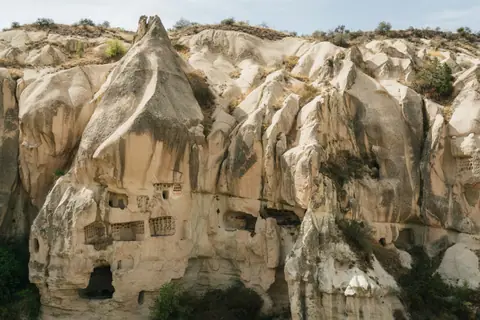
Exploring the volcanic rock formations requires sturdy walking shoes with reliable rubber tread. Ancient eruptions deposited soft volcanic tuff that eroded into deep gorges, creating paths covered in fine stone dust and loose scree. Standard flat city shoes slide easily on dry slopes, making ascents toward panoramic viewpoints tiring and slippery.
Trail surfaces change quickly after rain. Official records show the highest daily rainfall in Nevşehir occurred on 11 May 1990, measuring 40.7 mm. When rainwater mixes with weathered ash, paths become slick and sticky. Sturdy trail runners or lightweight hiking boots prevent slips and protect your ankles on uneven terrain. Closed shoes also prevent coarse volcanic grit from rubbing against bare skin.
After long days walking through scenic valleys, your footwear will collect pale volcanic dust. Choose washable walking shoes rather than delicate suede trainers. Breathable wool or synthetic hiking socks cushion your soles, absorb moisture during steep walks, and prevent blisters inside dusty shoes.
Underground City Outfits
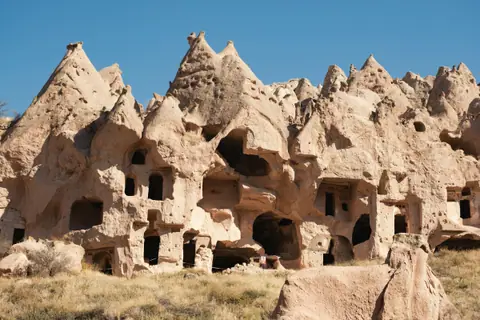
Subterranean exploration presents distinct clothing considerations compared to open hillside tracks. When visiting subterranean refuges detailed in our guide to Cappadocia underground cities, you leave outdoor heat behind. These ancient complexes maintain naturally cool temperatures throughout the year due to thick rock insulation.
Carved passages contain narrow staircases, steep doorways, and low tunnels requiring stooping or crouching. Bulky jackets, flowing skirts, and rigid outerwear catch against rough rock walls and hinder movement. We recommend wearing durable trousers with stretch fabric that allow easy bending through tight corridors.
Carry a light compact layer such as a long-sleeve cotton top or light jumper when descending below ground level. Leaving oversized backpacks at your hotel prevents accidental snagging inside historical passages. A compact cross-body bag or small waist pack keeps your hands free to steady yourself along low subterranean stairs.
Summer Sun Protection and Heat
Summer brings long daylight hours, clear skies, and intense ultraviolet exposure across the plateau. Meteorological records indicate that average daily sunshine in Nevşehir reaches up to 11.9 hours in July. In addition, Nevşehir records an average of 1.72 rainy days in August, representing the lowest monthly average across the calendar year.
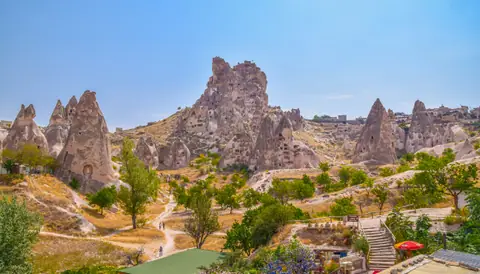
Volcanic valleys contain minimal natural tree shade, exposing hikers to continuous solar radiation between rock pillars. Loose garments made from linen or light cotton keep you cool while shielding skin from direct sun. Long trousers or mid-length skirts protect your legs from reflective heat radiating off pale stone surfaces.
A broad-brimmed sun hat, polarized sunglasses, and high-factor sun cream are necessary accessories throughout summer excursions. Carrying a reusable water bottle helps prevent dehydration during arid afternoon walks. An airy cotton scarf provides versatile protection against midday sun and shelters your face if sudden gusts whip loose dust along dirt roads.
Winter Layers and Snow Essentials
Winter transforms the Anatolian landscape into an icy environment with regular snowfall across high plateau ridges. Historical records note that the highest recorded snow depth in Nevşehir was measured at 64 cm on 2 February 1992. Sub-zero temperatures mean standard urban winter wear is essential between December and March.
Effective thermal management relies on three functional layers. Wear moisture-wicking thermal underwear beneath trousers and sweaters, topped by an insulated waterproof winter coat. Woollen beanies, thermal gloves, and neck gaiters stop body heat escaping during frosty mornings. Paved village roads and carved stone steps turn slick with ice, so boots with deep tread are critical for walking safely around historic settlements.
Cultural Etiquette and Evening Wear
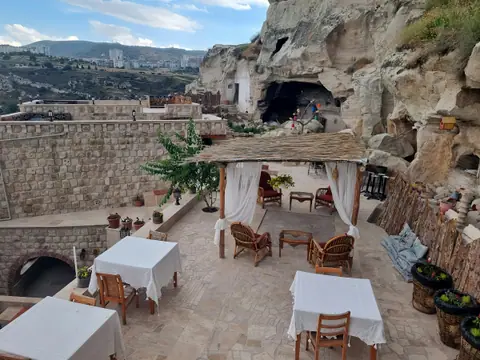
Local dress standards in Cappadocia are generally relaxed, reflecting decades of welcoming international walkers and outdoor travellers. Local restaurants, cave terraces, and village cafes welcome guests in practical, informal attire. You do not need formal evening clothing for dining out across regional towns.
Modest dress standards apply when entering working town mosques in places like Ürgüp or Avanos. Visitors must remove their shoes at the entrance and step onto carpeted floors in clean socks. Men and women should cover shoulders and knees, while women need a lightweight scarf to cover their hair inside active prayer halls. Carrying a light wrap in your daypack ensures respectful entry whenever you choose to explore historic religious architecture.
Where it is
- 1Central Cappadocia
- Kayseri Erkilet International Airport (ASR) · about 60 km from the central Cappadocia in a straight line
- Directions in Google Maps
Stations and taxi ranks: OpenStreetMap. Airports: OurAirports. Distances are in a straight line.
Traveller tips
Real advice from people who have been to Cappadocia. Every tip is read by our team before it goes live.
No tips yet. Been here? Yours could be the first.
Thank you! Your tip will appear here after a quick review.
More in Cappadocia
Continue exploring Cappadocia with related neighbourhood, food, and planning guides