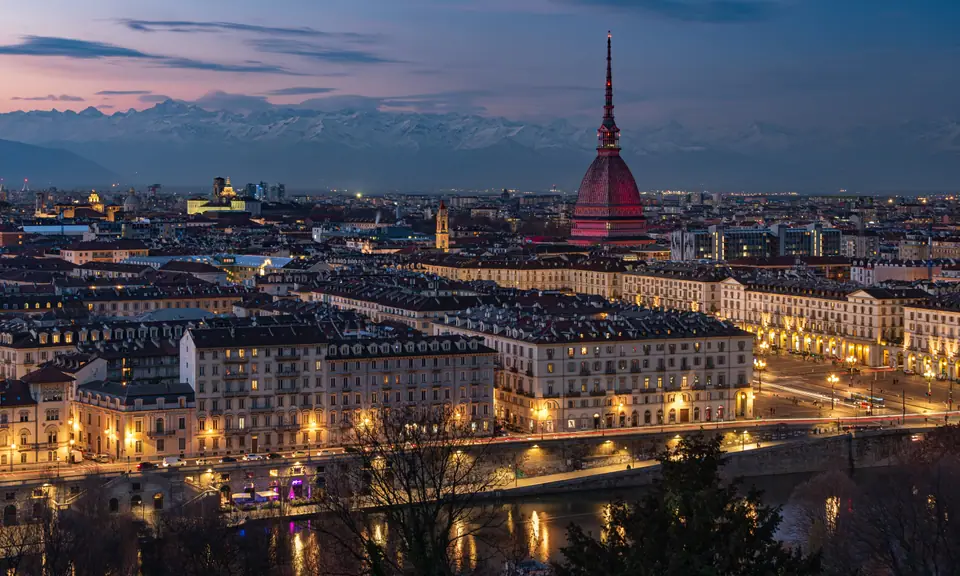
Photo: Jorge Franganillo · CC BY 2.0
Turin
Royal Savoy palaces, covered stone porticoes, ancient Egyptian halls and Piedmontese cafes framed by the Western Alps.
Quick decisions
How many days?
Allow three full days to cover Piazza Castello, the Museo Egizio, the Mole Antonelliana and a riverside walk at an unhurried pace, or four to five days if adding Venaria Reale, Superga or the Sacra di San Michele.
Where should I stay?
Opening visits fare best in Centro near Piazza Castello or Piazza Carlina for easy museum walks. Cit Turin suits Porta Susa rail arrivals, while San Salvario adds lively evening dining near Valentino Park.
Do I need a car?
No, and keeping a private car in central Turin brings garage expenses plus camera-enforced ZTL restricted-traffic fines. Metro Line 1, GTT trams and suburban SFM trains handle city landmarks and valley excursions cleanly.
Best for
Travellers drawn to royal Baroque architecture, major archaeology and cinema collections, wood-panelled street cafes, slow Piedmontese gastronomy and crisp mountain skylines without coastal resort crowds.
Before you go
Reserve timed entry slots online before arriving at the Museo Egizio or the Mole Antonelliana panoramic lift. Check official municipal notices regarding the Borgo Medievale inside Valentino Park while conservation work remains under way.
Getting around
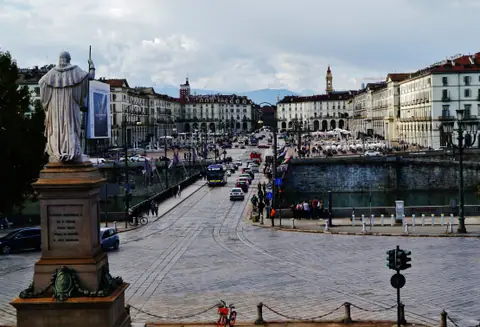
Flat, straight avenues let you walk between most royal squares beneath covered arcades in rain or bright sun. For Lingotto or Porta Susa, Metro Line 1 trains and GTT trams accept contactless bank cards directly at validators.
Overview
Turin occupies the western edge of the Po Valley at 239 metres above sea level, where four rivers gather beside an enclosing amphitheatre of Alpine peaks. Roman engineers set its straight street grid in the first century BC, and the House of Savoy later expanded those lines into ceremonial Baroque squares and more than 18 kilometres of arched stone porticoes. After serving as capital of unified Italy from 1861 to 1865, Piedmont's regional hub reinvented itself through automobile manufacturing, cinema and modern engineering.
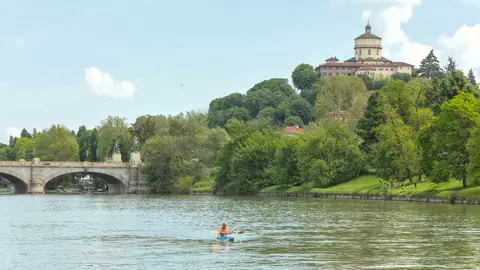
Travellers find remarkable range within compact walking distances. Morning walks link Palazzo Madama, the Royal Museums and the world's oldest museum devoted wholly to ancient Egyptian antiquities, before Via Po leads straight down to the River Po beneath sheltered colonnades. Afternoon routes cross to the National Museum of Cinema inside the 167.5-metre Mole Antonelliana or ride driverless Metro Line 1 south to Lingotto's rooftop garden circuit and the National Automobile Museum.
Getting there
Sandro Pertini Caselle Airport sits 16 kilometres north-northwest of central Piazza Castello, connected by SFM4 and SFM7 commuter trains in roughly 30 minutes to Porta Susa and Arriva coaches to Porta Nuova. High-speed Frecciarossa and Italo trains arrive from Milan in 45 to 50 minutes, Bologna in roughly two hours and Venice in around 3 hours 10 minutes, while cross-border TGV services link Porta Susa with Paris via the Fréjus tunnel.
Inside the city, Metro Line 1 links Porta Susa, Porta Nuova and Lingotto quickly, backed by GTT streetcars across the centre. Motorists should watch camera-monitored ZTL Centrale zones strictly during weekday morning hours.
Where to stay
Centro keeps Palazzo Madama, the Royal Palace and the Museo Egizio within a five-to-ten-minute morning walk, with Piazza Carlo Emanuele II (Piazza Carlina) and Piazzetta Reale offering calmer sleep than busy Via Roma tram avenues. North-west of Piazza Castello, Quadrilatero Romano trades palace grandness for narrow brick lanes, Roman remains and candlelit trattorias.
South-east of Porta Nuova station, San Salvario clusters budget guesthouses and lively dining streets towards Valentino Park, while Vanchiglia near the Mole Antonelliana suits slower student-quarter stays. Cit Turin near Porta Susa pairs Art Nouveau facades with direct airport train access.
Things to do
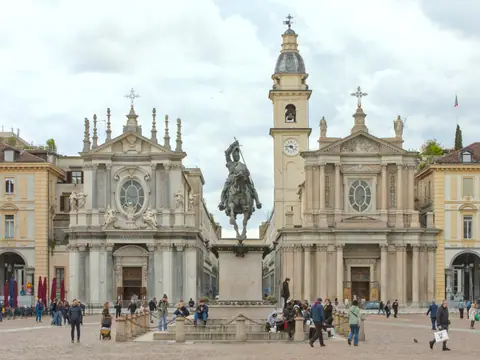
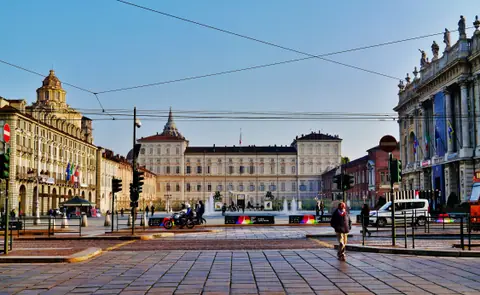
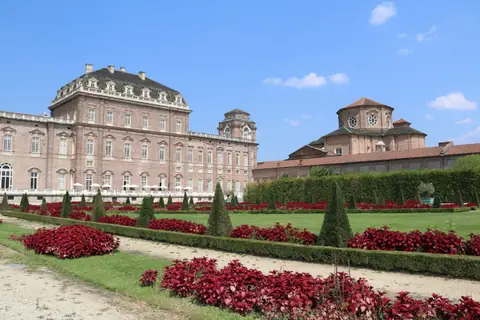
Begin your main itinerary around Piazza Castello's UNESCO-listed Residences of the Royal House of Savoy: tour Roman-and-Baroque Palazzo Madama, walk through the Musei Reali apartments and Armoury, and look up into Guarino Guarini's restored dome over the Chapel of the Holy Shroud. Ten minutes south-west stands the Museo Egizio, holding more than 37,000 ancient Egyptian objects including the intact Tomb of Kha and Merit.
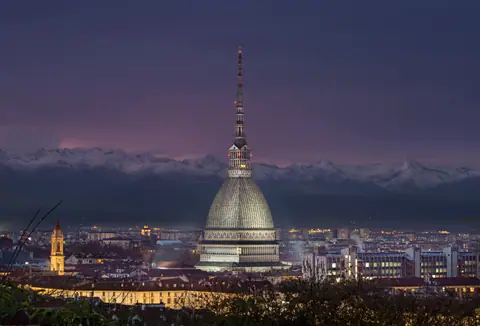
North-east along Via Montebello rises the Mole Antonelliana, home to the National Museum of Cinema and a panoramic glass lift ascending 85 metres above the tiled rooftops. Round off city days at OGR Torino's restored railway sheds, Lingotto's rooftop Pista 500 botanical circuit, MAUTO's classic car halls and day trips to Venaria Reale, Superga and the Sacra di San Michele.
Food and drink
Piedmont's capital serves one of Italy's richest regional cuisines. Savoury menus centre on hand-pinched agnolotti del plin served in roast pan juices, golden yolk-rich tajarin ribbons, chilled veal with tuna-caper sauce (vitello tonnato), crisp grissini torinesi breadsticks and winter pots of garlicky anchovy bagna càuda.
Morning food loops belong at Porta Palazzo on Piazza della Repubblica, Europe's largest open-air market, paired with modern artisan kitchens inside glass-roofed Mercato Centrale Torino. Centuries-old wood-panelled cafes serve three-layer bicerin on Piazza della Consolata, triangular tramezzini at Piazza Castello and boat-shaped hazelnut gianduiotti before Vermouth di Torino pours at evening aperitivo tables.
Culture
Turin pairs courtly Baroque order with crisp twentieth-century design. Architects Ascanio Vitozzi, Carlo di Castellamonte, Guarino Guarini and Filippo Juvarra dressed ducal squares in warm brick and white limestone from 1563 onward, before nineteenth-century Risorgimento debates echoed inside Palazzo Carignano's parliament hall.
Outside gallery doors, cultural life shifts comfortably across seasons. Autumn draws international cinema and contemporary art crowds together with major indoor tennis in November, while winter's Luci d'Artista street installations brighten evening porticoes from late autumn through January.
Weather by month
Turin is warmest in July, with average highs around 30°C, and coldest in January, when nights drop to about -2°C. May is the wettest month by rainfall (143 mm), with rain on about 16 days. For mild weather with fewer rainy days, aim for September.
| Month | Low | Range | High | Rain | Rainy days |
|---|---|---|---|---|---|
| Jan | -2°C | 8°C | 40 mm | 5 d | |
| Feb | 0°C | 10°C | 68 mm | 7 d | |
| Mar | 3°C | 14°C | 74 mm | 8 d | |
| Apr | 7°C | 18°C | 80 mm | 10 d | |
| May | 11°C | 21°C | 143 mm | 16 d | |
| Jun | 16°C | 27°C | 106 mm | 12 d | |
| Jul | 19°C | 30°C | 66 mm | 11 d | |
| Aug | 18°C | 29°C | 77 mm | 10 d | |
| Sep | 14°C | 24°C | 74 mm | 9 d | |
| Oct | 10°C | 18°C | 104 mm | 10 d | |
| Nov | 3°C | 12°C | 100 mm | 8 d | |
| Dec | -1°C | 8°C | 40 mm | 5 d |
Averages of daily values from 2015 to 2024. Rainy days are days with at least 1 mm of rain. Source: Open-Meteo · Compare destinations by month.
Turin on the map
Every place we cover in Turin. Tap a category or pin to explore.
In-depth Turin guides
Browse the guides grouped by topic: sights, neighbourhoods, food, transport, day trips and trip planning.
Sights, Landmarks & Parks
Key monuments, viewpoints, museums and nature trails.
- Things to Do in TurinEssential Turin sights across Piazza Castello royal apartments, Museo Egizio, the Mole Antonelliana Cinema Museum, OGR, Lingotto and Valentino Park.
- Piazza Castello, Palazzo Madama and the Savoy CapitalSavoy heritage across Piazza Castello: Palazzo Madama strata, Musei Reali apartments and armoury, Guarini Shroud Chapel, Porte Palatine and Palazzo Carignano.
- The Mole Antonelliana and the Egyptian MuseumDeep guide to Turin top museums: Museo Egizio collections and Tomb of Kha, plus Antonelli towering Mole Antonelliana Cinema Museum and glass lift.
- Lingotto, the Valentino and Modern TurinModern engineering and parks in southern Turin: Lingotto factory renewal, Pinacoteca Agnelli, Pista 500 garden, Eataly, MAUTO, OGR and Valentino Park.
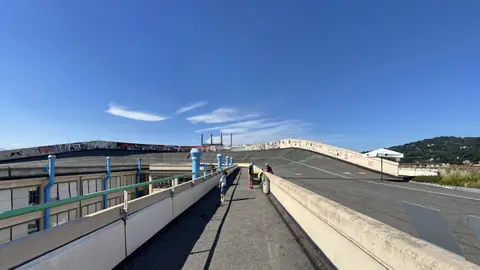
Neighbourhoods & Where to Stay
Districts, historic quarters and the best bases for your stay.
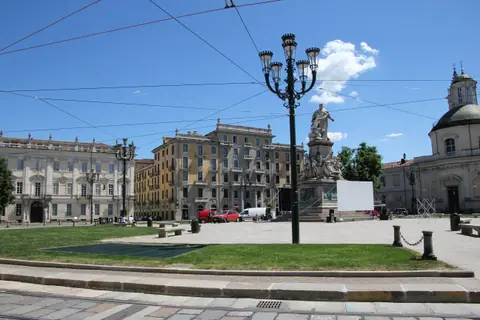
Food & Drink
Local dishes, markets, cafés and dining districts.
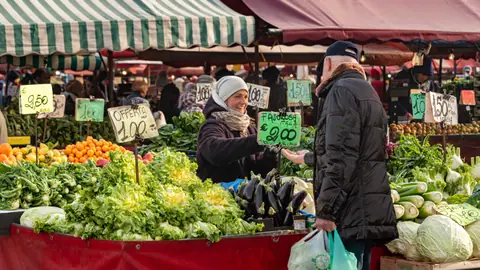
Getting Around & Arrival
Airport transfers, public transit, passes and driving rules.
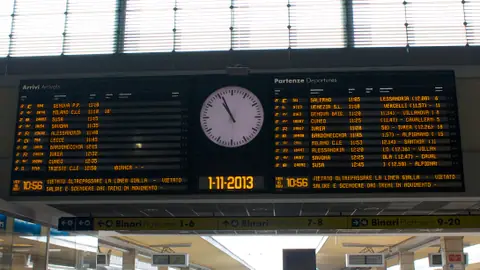
Day Trips & Excursions
Easy half-day and full-day trips from the city.
Trip Planning & Itineraries
When to visit, what to pack and day-by-day routes.
- Turin Orientation: Royal Squares, Porticoes & Alps BackdropOrientation across Turin Roman blocks, Savoy avenues, 18 km of sheltered porticoes, local transit and surrounding Alpine geography.
- Best Time to Visit TurinMonthly Turin weather based on Open-Meteo 2015-2024 averages, best walking seasons, November events, August Ferragosto closures and Alpine clarity.
Need your embassy or consulate in Italy? See embassies and consulates in Italy.
Reviews
Log in to write a review.
No reviews yet.