Photo: Wikimedia Commons · CC BY-SA 4.0
Cinque Terre
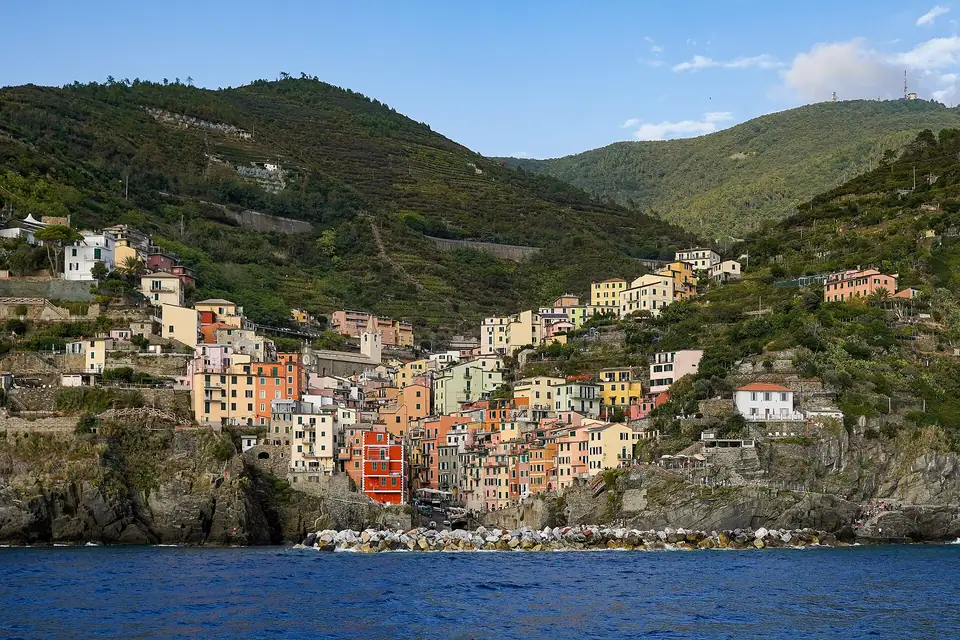
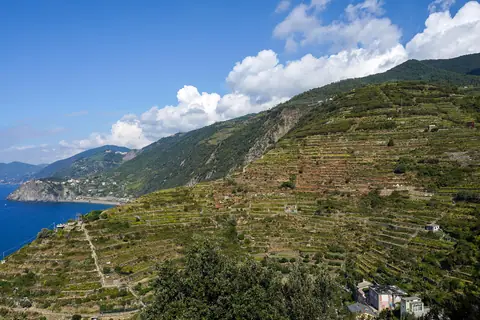
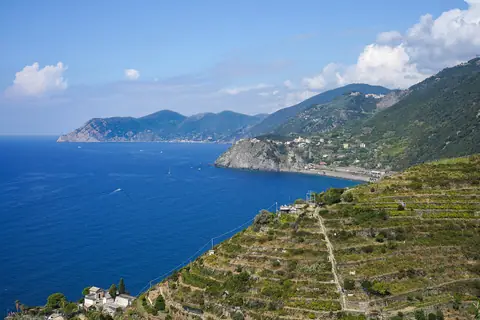
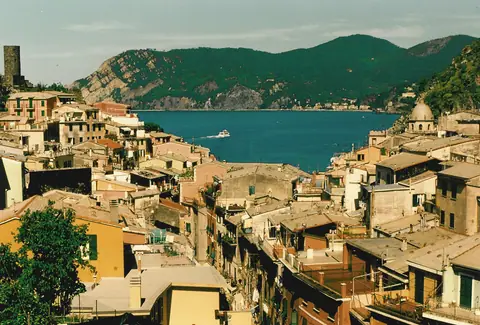
Five medieval fishing and wine-making villages cling to hand-built dry-stone terraces above a protected Mediterranean marine sanctuary. They span eighteen kilometres of jagged Ligurian cliffs between Punta Mesco and Capo di Montenero.
Quick decisions
How many days?
Allow 3 full days on our 3-day itinerary. Spend day one in Riomaggiore and Manarola, day two in Corniglia, Vernazza, and Monterosso al Mare, and day three in Portovenere or the Levanto cycle tunnels.
Where should I stay?
Base yourself in Monterosso al Mare for flat seafront promenades, luggage lifts, and sandy beaches. Choose Vernazza or Manarola for classic cliffside harbours, or sleep in gateway La Spezia and Levanto for simpler rail access.
Do I need a car?
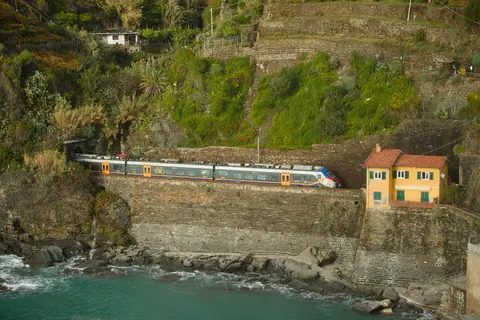
No: non-resident motor vehicles are barred from every village centre, and cliff roads are narrow. Instead, the Trenitalia Cinque Terre Express shuttle train links all five coastal stations in minutes.
Best for
Coastal cliff hiking across terraced vineyards, medieval Ligurian tower-house architecture, swimming in clear rocky coves, sea ferry hops, and fresh basil pesto with local anchovies.
Before you go
Pack lug-soled footwear because National Park rangers enforce strict hiking shoe rules with heavy fines on the Blue Trail. Reserve timed slots for the reopened Via dell'Amore via our Cinque Terre travel guide.
Getting around
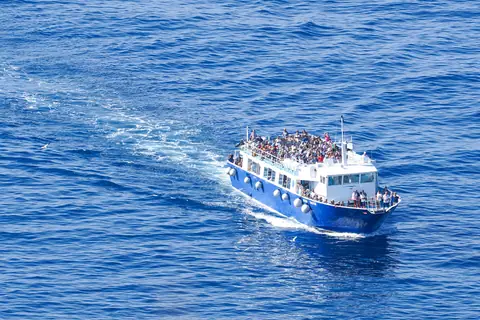
Combine unlimited regional train travel on the Cinque Terre Treno MS Card with Line 02 coastal ferries operated by the Consorzio Marittimo Turistico Golfo dei Poeti.
Continue your trip
Direct regional and intercity trains reach Pisa Centrale in just over an hour, with regular rail connections onward to Genoa Brignole and Florence Santa Maria Novella.
Overview
The Cinque Terre (pronounced CHEEN-kweh TEHR-reh, meaning "Five Lands") is carved into the steep sandstone slopes of the eastern Ligurian Riviera in La Spezia province. It is neither a single municipality nor a conventional resort strip. UNESCO inscribed the coast in 1997 as a World Heritage Cultural Landscape together with Portovenere and the islands of Palmaria, Tino, and Tinetto. Today, the Parco Nazionale delle Cinque Terre protects five distinct coastal settlements. Running from south to north across eighteen kilometres, the five villages are Riomaggiore, Manarola, Corniglia, Vernazza, and Monterosso al Mare. Over the past millennium, local farmers cleared coastal pine and holm-oak woods to build thousands of kilometres of dry-stone walls (muretti a secco) without mortar. These narrow agricultural terraces hold back soil erosion while cultivating vines, lemons, and olives above the Ligurian Sea.
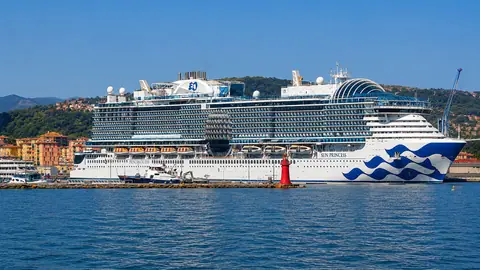
Three days allow you to experience the coast without rushing between railway platforms at midday. Use our Cinque Terre travel guide and seasonal weather guide to plan early morning walks. Starting early beats the midday crowds arriving from cruise ships and tour coaches. Pair one coastal or sanctuary hike from our trail network guide each morning with an afternoon sea swim and a ferry ride back along the cliffs.
Getting there
Because the five villages sit wedged inside narrow stream ravines with pedestrian-only historic cores, arriving by rail is essential. International travellers fly into Pisa International Airport (PSA) to the south or Genoa Cristoforo Colombo Airport (GOA) to the northwest. From either airport, travellers connect by train to the southern hub of La Spezia Centrale or the northern gateway of Levanto. From late March to early November, the Trenitalia Cinque Terre Express shuttle train runs every 15 to 20 minutes. Travelling through historic coastal rock tunnels, it links every village in two to six minutes per hop. Compare airport connections, ferry piers, and parking garages in our Cinque Terre arrival guide and Cinque Terre Card and ferry guide.
Where to stay
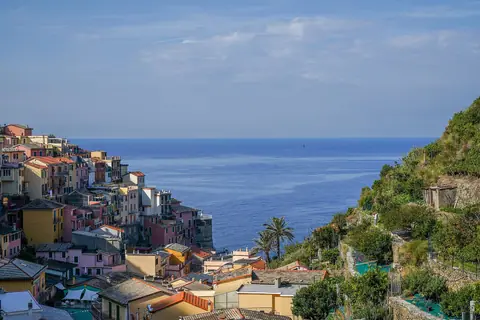
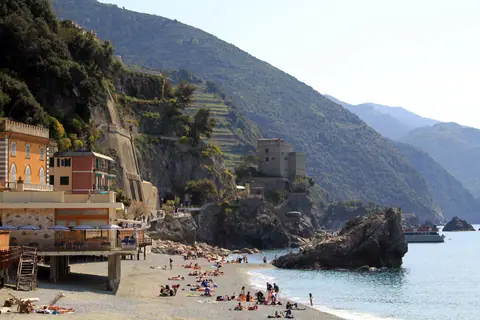
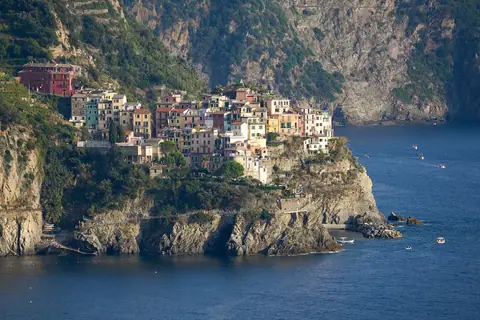
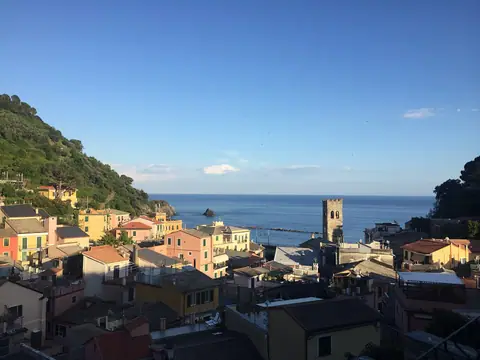
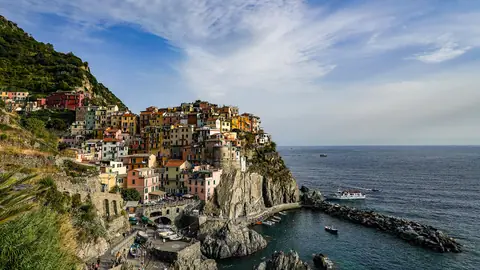
Selecting the right village base depends on your luggage weight, mobility needs, and appetite for stone stairs. Monterosso al Mare offers a wide, flat seafront promenade, conventional full-service hotels with lifts, and wide sand-and-pebble beaches. Vernazza and Manarola place you right above dramatic rocky harbours. Meanwhile, Riomaggiore stacks tower-houses up a steep ravine and Corniglia perches high on a rocky headland above the waves. Read our where to stay in Cinque Terre guide for a full village-by-village breakdown.
Things to do
Beyond riding the train from platform to platform, the coast opens up when you combine cliffside footpaths with sea viewpoints. Walk the reopened one-kilometre Via dell'Amore between Riomaggiore and Manarola. Hike the classic Sentiero Verde-Azzurro (Blue Trail) between Vernazza and Monterosso, and climb the brick steps of the Lardarina to Corniglia. On calm days, swim in the Marine Protected Area coves and inspect the vineyard monorails above Volastra. You can also browse every highlight in our things to do in Cinque Terre guide.
Food and drink
Ligurian coastal cuisine relies on hillside herbs, olive oil, chickpea flour, and the daily catch from the Gulf of Genoa rather than heavy dairy sauces. Order handmade twisted trofie al pesto Genovese tossed with green beans and potatoes. Try paper cones of fried calamari and local acciughe di Monterosso (Monterosso anchovies), wood-fired farinata di ceci chickpea pancakes, and warm strips of rosemary focaccia. Pair dinner with a crisp glass of dry white Cinque Terre DOC or an amber sip of sweet Sciacchetrà passito wine.
Culture
For centuries, maritime defence against Barbary corsairs and the labour of "heroic viticulture" (viticoltura eroica) shaped local life. Each village grew around a medieval parish church in the valley and a Marian sanctuary on the ridge above. UNESCO also inscribed the art of dry-stone walling on its Intangible Cultural Heritage list. That recognition honours the masons who still maintain these coastal terraces by hand. Check our what to wear in Cinque Terre guide before heading onto the trails or into fourteenth-century Gothic churches.
Weather by month
Cinque Terre is warmest in July, with average highs around 29°C, and coldest in January, when nights drop to about 6°C. November is the wettest month by rainfall (63 mm), with rain on about 9 days. For mild weather with fewer rainy days, aim for May, June and September.
| Month | Low | Range | High | Rain | Rainy days |
|---|---|---|---|---|---|
| Jan | 6°C | 12°C | 49 mm | 7 d | |
| Feb | 6°C | 13°C | 42 mm | 6 d | |
| Mar | 8°C | 15°C | 42 mm | 6 d | |
| Apr | 11°C | 18°C | 49 mm | 7 d | |
| May | 14°C | 22°C | 35 mm | 5 d | |
| Jun | 18°C | 26°C | 28 mm | 4 d | |
| Jul | 21°C | 29°C | 14 mm | 2 d | |
| Aug | 21°C | 29°C | 21 mm | 3 d | |
| Sep | 18°C | 25°C | 35 mm | 5 d | |
| Oct | 14°C | 21°C | 56 mm | 8 d | |
| Nov | 10°C | 16°C | 63 mm | 9 d | |
| Dec | 7°C | 13°C | 56 mm | 8 d |
Averages of daily values from 2015 to 2024. Rainy days are days with at least 1 mm of rain. Source: Open-Meteo · Compare destinations by month.
Cinque Terre on the map
Every place we cover in Cinque Terre. Tap a category or pin to explore.
In-depth Cinque Terre guides
Browse the guides grouped by topic: sights, neighbourhoods, food, transport, day trips and trip planning.
Sights, Landmarks & Parks
Key monuments, viewpoints, museums and nature trails.
- Things to Do in Cinque Terre: Villages, Cliff Trails & Boat TripsFrom hiking the stone staircases of the Blue Trail and walking the reopened Via dell'Amore to swimming in rocky harbours and cruising down to Portovenere.
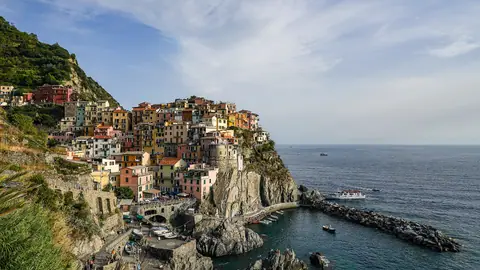
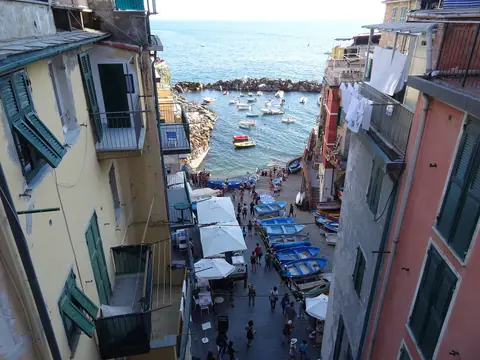
- Riomaggiore Guide: Marina Slipway, Via dell'Amore & Hilltop CastleNavigating the southernmost Cinque Terre village, from its steep ravine tower-houses and rocky boat slipway to the hilltop castle and timed Via dell'Amore cliff walk.
- Manarola Guide: Punta Bonfiglio Viewpoint, Vineyards & San LorenzoTracing Manarola from its ancient watermill wheel and deep cliff-framed swimming basin up to the Gothic Church of San Lorenzo and the Volastra vineyard terraces.
- Corniglia Guide: Lardarina Steps, San Pietro Church & Cliff ViewsExploring the elevated village of Corniglia, perched high above the sea with Gothic architecture and sweeping coastal views across the Cinque Terre.
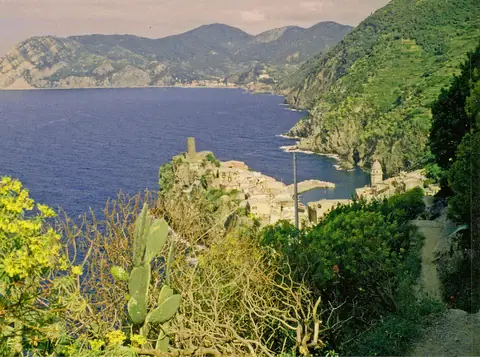
- Vernazza Guide: Doria Castle, Santa Margherita Church & HarbourInside the natural port of Vernazza in Cinque Terre, where a church built directly into sea rock faces the medieval Belforte watchtower of Castello Doria.
- Monterosso al Mare Guide: Fegina Beach, Aurora Tower & Old TownDiscovering Monterosso al Mare, split by the San Cristoforo promontory between the sandy Fegina beach promenade and a striped-marble medieval Old Town.
- Cinque Terre Hiking Trails: Blue Trail, Sanctuary Paths & RulesNavigating marked trails across the National Park, from paid coastal paths and free vineyard contours to the five hilltop Marian shrines.
- Cinque Terre Dry-Stone Walls, Heroic Viticulture & Sciacchetrà Wine GuideHow generation after generation of Ligurian farmers carved dry-stone terraces above the sea to produce crisp white wines and rare Sciacchetrà.
- Cinque Terre Beaches, Swimming Coves & Sea Kayaking Guide: Village by VillageWhere to swim, snorkel, and paddle across the Cinque Terre Marine Protected Area, from Monterosso's sandy beaches to Manarola's cliff ladders and waterfall coves.
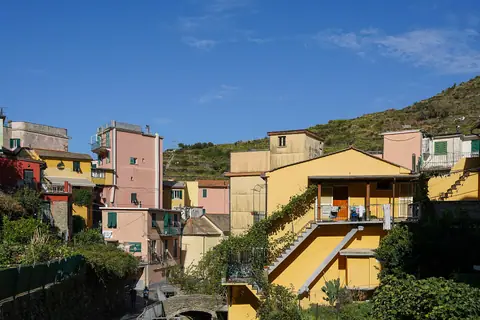
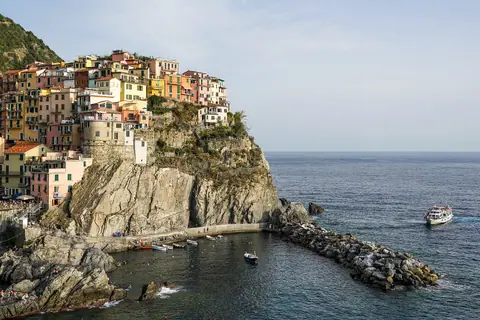
Neighbourhoods & Where to Stay
Districts, historic quarters and the best bases for your stay.
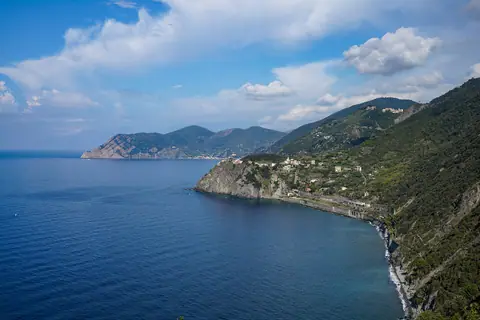
Food & Drink
Local dishes, markets, cafés and dining districts.
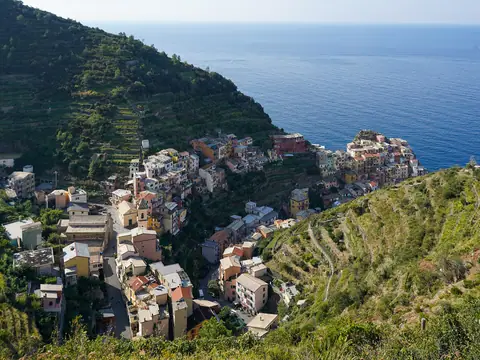
Getting Around & Arrival
Airport transfers, public transit, passes and driving rules.
- How to Get to Cinque Terre: Airports, Trains & Coastal FerriesPlan rail connections from Pisa, Genoa, Florence, and Milan, learn how the Cinque Terre Express works, and leave your car at the gateways.
- Cinque Terre Card Guide: Express Trains, Trail Passes & FerriesChoosing between the Trekking Card and the Treno MS rail pass, understanding seasonal calendar tiers, and combining short tunnel trains with coastal ferries.
Day Trips & Excursions
Easy half-day and full-day trips from the city.
- Portovenere Day Trip: San Pietro Church, Byron Grotto & PalmariaExploring the UNESCO southern cape of Portovenere, from the black-and-white striped Church of San Pietro on its sea cliff to Castello Doria and Palmaria Island.
- Levanto, Bonassola & Framura Guide: The Maremonti Coastal Cycle Tunnel PathDiscovering the relaxed northern gateway of Levanto and cycling or walking the converted coastal railway tunnels to Bonassola and Framura.
- La Spezia, Castello San Giorgio, Naval Museum & Lerici Guide: Gulf of PoetsExplore the naval port of La Spezia, hilltop Castello San Giorgio, and its medieval art collections. We also cover easy ferry excursions across the bay to Lerici and Tellaro.
Trip Planning & Itineraries
When to visit, what to pack and day-by-day routes.
- Cinque Terre: Coastal Villages, Trains & Park RulesLearn how the five coastal villages align along the Ligurian coastline with essential train passes and mandatory trail rules.
- Best Time to Visit Cinque Terre: Weather, Trails & Ferry SeasonBalancing Ligurian sea temperatures, spring lemon blossoms, September vineyard harvests, autumn rain alerts, and Manarola's December hillside Nativity scene.
- What to Wear in Cinque Terre: Trail Footwear Rules & Packing TipsWhy National Park rangers inspect shoe soles at trail checkpoints, what footwear avoids heavy fines, and how to pack for sun-baked cliffs and rocky coves.
- Cinque Terre 3-Day Itinerary: Villages, Blue Trail & PortovenereA balanced three-day schedule that pairs coastal hikes with afternoon harbour swims, cliffside wine tastings, and a scenic ferry day to Portovenere.
Need your embassy or consulate in Italy? See embassies and consulates in Italy.
Reviews
Log in to write a review.
No reviews yet.