


























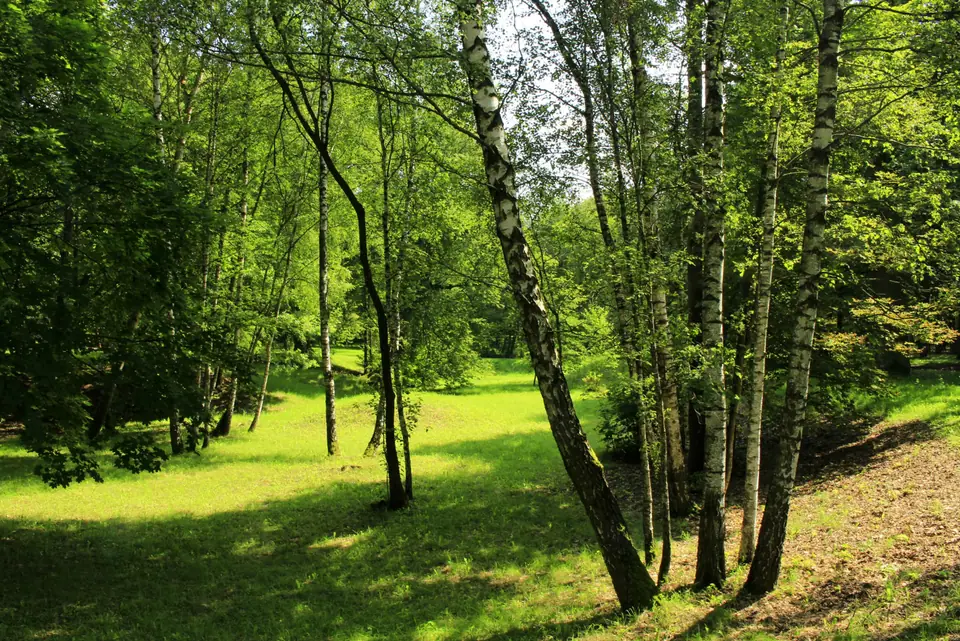
Photo: Stanislovas01 · CC BY-SA 4.0
Baltic Light, Oak Gold and Winter Frost: Best Time to Visit Kaunas
Twelve-month Kaunas weather normals from Open-Meteo ERA5 with Kaunas Jazz, Hanseatic Days, Pažaislis Music Festival, and winter museum planning.
Sitting at nearly 55 degrees north inside Lithuania's river lowlands, Kaunas swings sharply between bright seventeen-hour midsummer days and crisp December dusk. Ten-year Open-Meteo ERA5 weather normals from 2015 through 2024 chart 702 millimetres of annual precipitation spread across 138 wet days. Mean highs span freezing zero-degree January afternoons to warm 24-degree August summers. That wide swing decides when river promenades thrive and when interwar museums take over the itinerary.
How Kaunas Seasons Unfold Under 55 Degrees North
Spring arrives decisively after dry March winds, while early autumn stays surprisingly settled once midsummer storm clouds pass. March ranks as Kaunas's driest month at 37 millimetres over 10 wet days, though mean nights still dip to minus one degree Celsius. By contrast, September drops to 9 wet days and 48 millimetres of rainfall while holding 19-degree daytime highs and crisp 11-degree evenings.
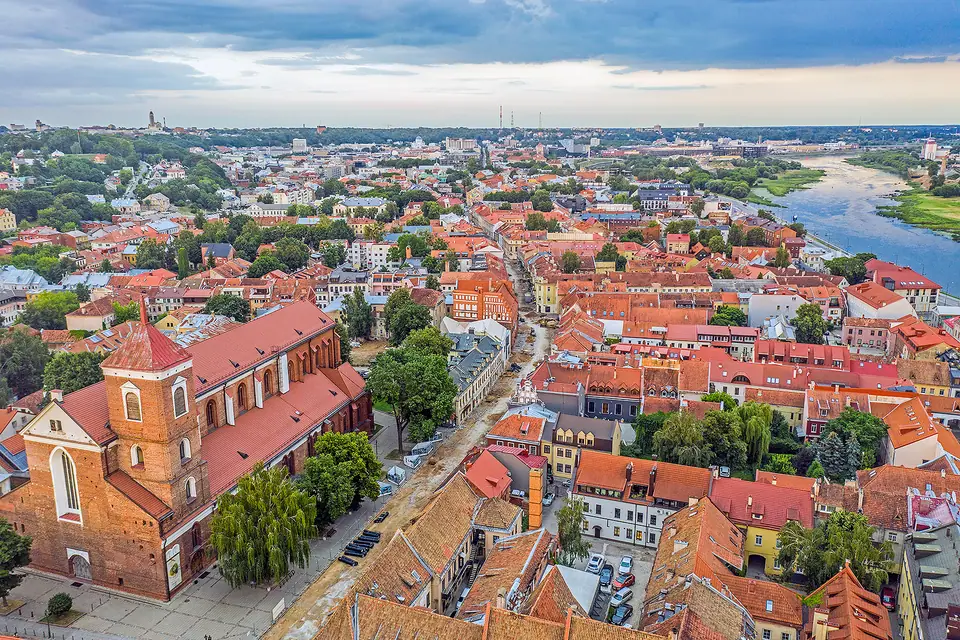
Midsummer delivers maximum daylight yet packs the heaviest afternoon downpours of the year. July peaks at 96 millimetres across 14 wet days as warm Baltic fronts build thunderclouds above the Nemunas valley. Pair those showers with comfortable 23-degree highs and mild 15-degree nights. Knowing that rain falls more often in July than in March keeps light waterproof shells packed inside summer daybags. Warm clear mornings still allow comfortable terrace breakfasts before afternoon clouds gather.
Spring Thaw, Kaunas Jazz and May Hanseatic Celebrations
Early spring wakes Old Town streets slowly between frosty morning cobbles and warm afternoon café terraces. Ice shelves along the Nemunas crack and drift downstream while dry winds clear central squares quickly. Early March brings Kaziukas folk markets selling braided ring pastries and hand-carved woodware along central lanes. April jumps to 12-degree highs, 3-degree lows, and 52 millimetres across 11 wet days as snowbanks vanish. Late April and early May then fill clubs and town squares with international musicians for Kaunas Jazz, running steadily since 1991. Light midweight windbreakers handle sunny midday strolls followed by chilly dusk crossings over river bridges.
May offers arguably the cleanest balance of fresh blossoms, long daylight, and uncrowded walking paths. Afternoon temperatures climb to 18 degrees against mild 8-degree nights and 61 millimetres across 11 wet days. Chestnuts and lindens leaf out along Laisvės alėja just ahead of mid-May civic festivities. Kaunas City Birthday and Hanseatic Days animate Kaunas Castle and Town Hall Square with historical craft stalls, brass bands, and open-fire šakotis baking. Outdoor seating returns in force without heavy peak-summer crowds competing for terrace tables. Park benches along Santaka dry out swiftly after occasional brief afternoon springs.
Long Midsummer Evenings and July Downpours
June through August stretch bright northern twilight well past dinner along Santaka meadows, Žaliakalnis lanes, and Pažaislis pine trails. June warms to 23-degree highs and 13-degree nights across a manageable 58 millimetres over 10 wet days. Long solstice twilight keeps open parks lively until late evening around the confluence lawns. August rises to 24-degree mean highs, 14-degree lows, and 82 millimetres over 12 wet days. Outdoor riverside beer gardens fill up nightly, and cyclists trace breezy green embankments eastward past Šančiai. Meanwhile, regional coach and rail routes carry steady weekend holiday traffic.
Summer's signature cultural draw gathers evening crowds beside Kaunas Reservoir from June through August. Founded in 1996, the annual Pažaislis Music Festival stages roughly 30 classical, choral, and contemporary concerts inside the abbey courtyard and church. Bring a light sweater and sturdy flat shoes for outdoor courtyard chairs covered in our Pažaislis visitor guide. Passing evening showers cool the river valley rapidly once dusk settles beneath pine trees.
Golden Oak Trails, Autumn Biennials and Winter Frost
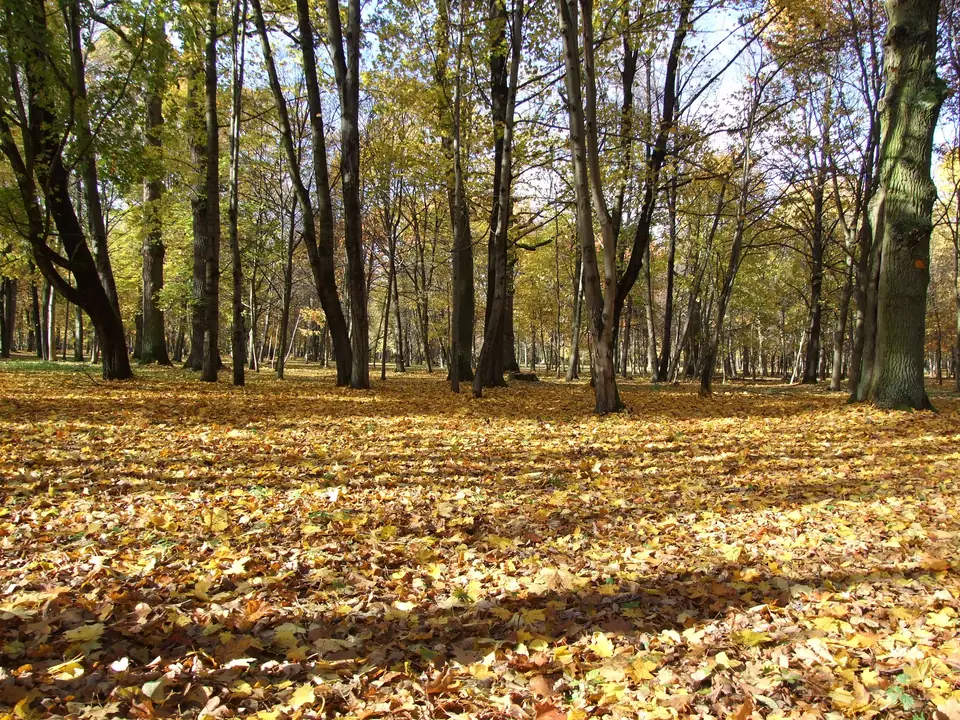
September and early October reward unhurried walkers with clear river light, turning foliage across Ąžuolynas, and quiet museum rooms. September maintains 19-degree afternoon warmth before October cools to 12-degree highs, 6-degree lows, and 62 millimetres across 12 wet days. Mild early-autumn light suits architectural photography across Naujamiestis far better than harsh July noon glare. Morning mist rising cleanly off the Nemunas makes early Santaka strolls especially peaceful before mid-morning cafés open. Odd-numbered autumns such as 2025 turn civic halls and modernist lobbies over to site-specific installations during the Kaunas Biennial.
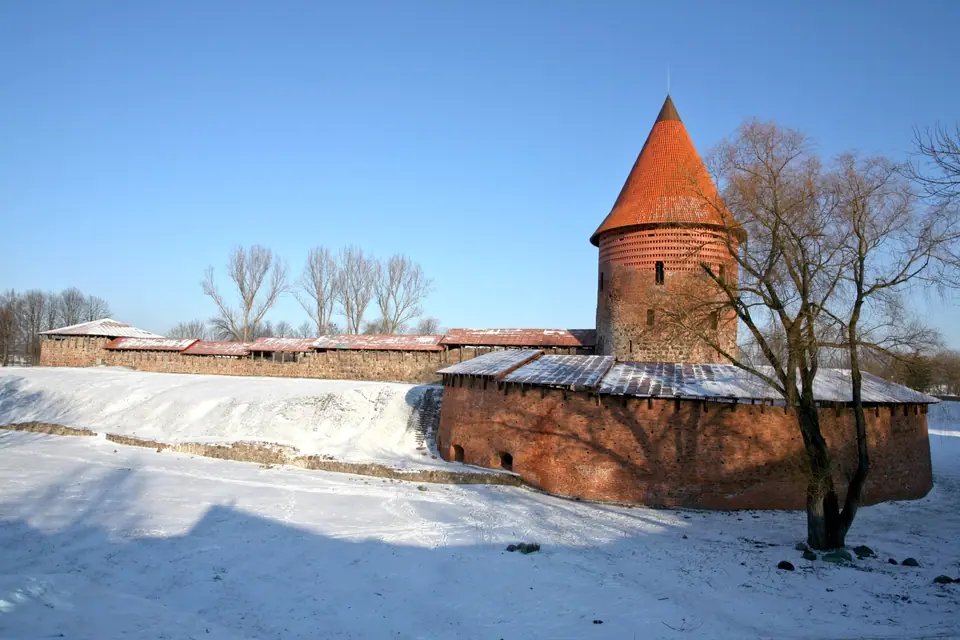
Winter clamps down quickly from November's 6-degree highs, 2-degree lows, and 50 millimetres over 12 wet days into January frost. January averages zero-degree highs, minus 4-degree lows, and 57 millimetres over 13 wet days. February moderates slightly to 3-degree highs, minus 3-degree lows, and 43 millimetres across 11 wet days. December averages 2 degrees daytime and minus 1 night with roughly seven hours of winter daylight and 56 millimetres across 13 wet days. Late November still brightens long evenings when Kaunas illuminates its playful annual Christmas tree on Town Hall Square. Shift cold-month plans smoothly indoors toward the Čiurlionis Museum, Devils' Museum, Mokslo sala planetarium, warm rye taverns, and pre-booked Art Deco tours. Steam rising off hot potato plates tastes especially welcome once crisp frost settles over cobbled squares.
Packing Checklist and Seasonal Calendar Cues
- Sweet-spot walking months: May, June, and September combine mild 18-to-23-degree warmth, fresh foliage, and fewer peak-July storms along the six-stop central route.
- July rain readiness: Pack a compact waterproof jacket even in midsummer, since July averages 96 millimetres across 14 wet days between bright sunny breaks.
- Winter cobble footwear: From December through February pack insulated boots with grippy treads for icy Old Town cobbles and windy Santaka bridges.
- Festival booking timing: Reserve Naujamiestis or Senamiestis rooms early around late-April Kaunas Jazz, mid-May Hanseatic Days, and summer Pažaislis concert weekends.
- Indoor rainy-day pivots: Pair wet afternoons with hot potato plates detailed in our food briefing plus indoor galleries across Vienybės aikštė and Nemunas Island.
Where it is
- 1Kaunas
- Vilnius International Airport (VNO) · about 93 km from Kaunas in a straight line
- Directions in Google Maps
Stations and taxi ranks: OpenStreetMap. Airports: OurAirports. Distances are in a straight line.
Traveller tips
Real advice from people who have been to Kaunas. Every tip is read by our team before it goes live.
No tips yet. Been here? Yours could be the first.
Thank you! Your tip will appear here after a quick review.
More in Kaunas
Continue exploring Kaunas with related neighbourhood, food, and planning guides
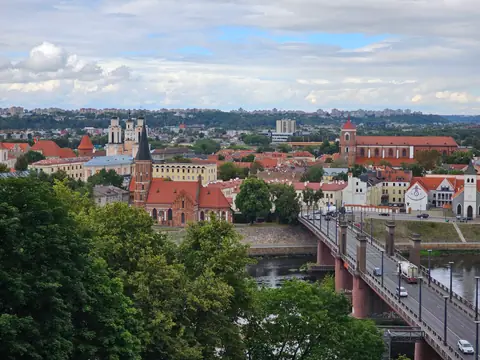
Kaunas at the River Fork: Brick Fortresses to Modernist Boulevards
Kaunas, Lithuania
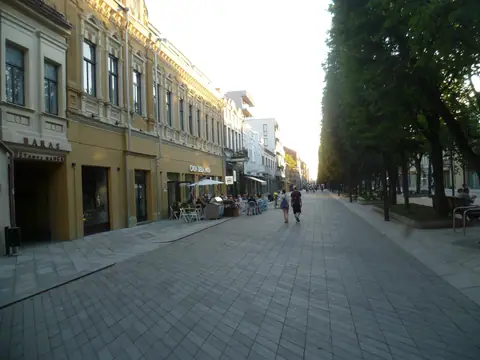
Castle Towers to Modernist Plazas: Walking Kaunas in Six Stops
Kaunas, Lithuania
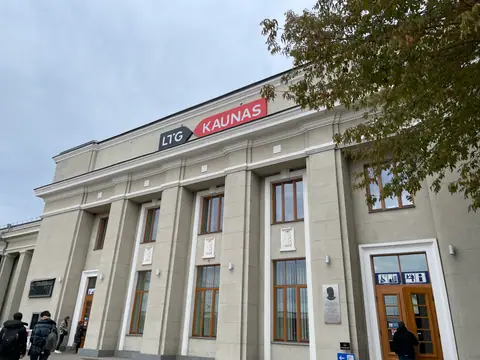
Kaunas Arrivals: Airport Bus 29G, LTG Rail and Contactless Transit
Kaunas, Lithuania
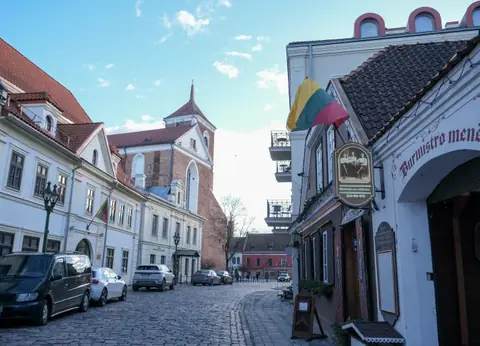
Senamiestis Cobbles to Naujamiestis Avenues: Where to Stay in Kaunas
Kaunas, Lithuania
