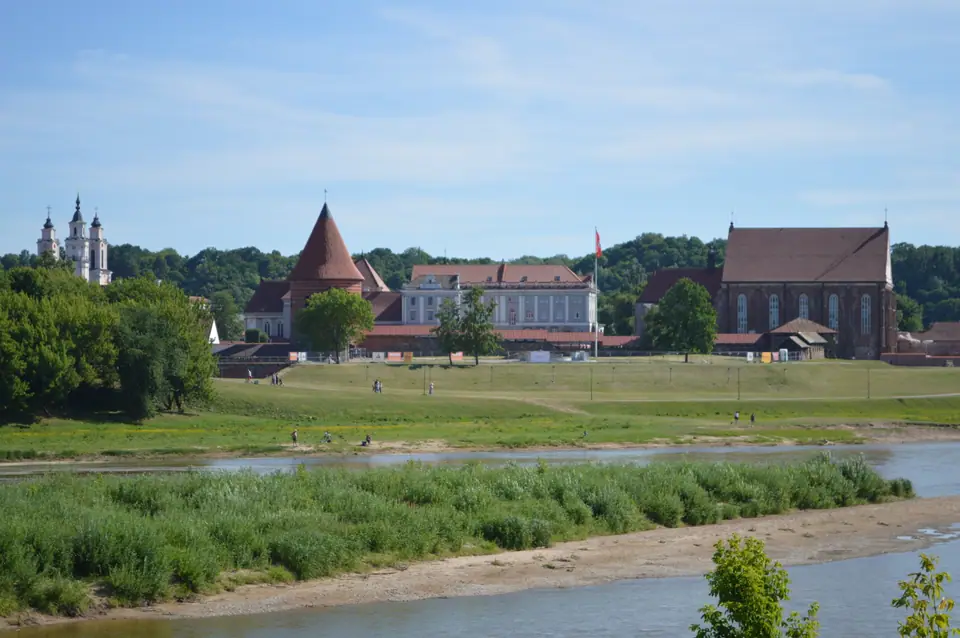
Photo: Scotch Mist · CC BY-SA 4.0
Kaunas
Lithuania's river-fork second city pairs fourteenth-century Hanseatic brick with UNESCO interwar modernist avenues, poignant twentieth-century memorial sites, and lakeside Baroque.
Quick decisions
How many days?
Plan two to three full days to cover the medieval river confluence, the interwar avenues of Naujamiestis, the Ninth Fort, and Pažaislis Monastery comfortably.
Where should we stay?
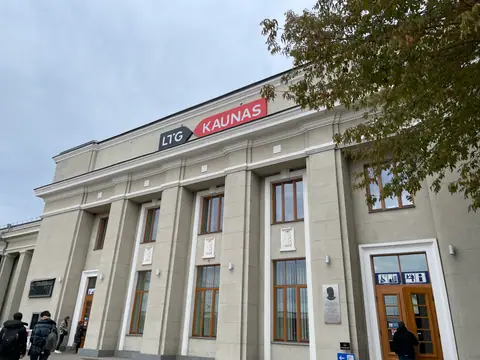
Base yourself in flat Naujamiestis near Laisvės alėja for peaceful modernist boulevards, in Senamiestis for historic courtyards, or near the central station on Vytauto prospektas for direct regional rail.
Do we need a car?
No. Kaunas is remarkably walkable across its central corridor. Contactless payment cards, the Žiogas mobile application, and municipal trolleybuses connect suburban sights cleanly without parking fees.
Best for
Enthusiasts of 1920s functionalist architecture, Gothic brick fortresses, twentieth-century European history, and hearty Baltic culinary traditions built around slow-cooked potatoes and dense sourdough rye.
Before you go
Book modernist apartment museum tours ahead online. Remember that the Žaliakalnis funicular remains suspended for track repairs, and verify Monday museum closures before setting out.
Getting around
Board Express Bus 29G directly from Kaunas Airport into the city centre, or use LTG Link passenger trains from Vilnius. In town, tap contactless bank cards on board municipal buses.
Continue your trip
Catch regional express coaches north toward Riga and Tallinn, or board LTG Link trains southwest across the Mockava border into Poland towards Warsaw and Kraków.
Overview
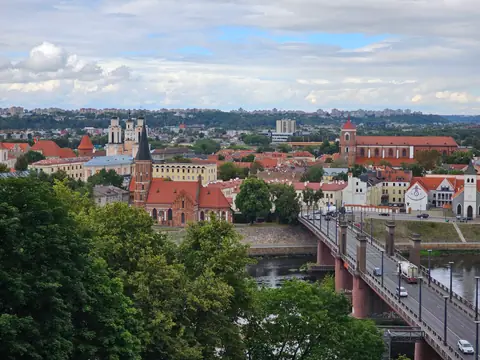
Kaunas occupies south-central Lithuania where the River Neris empties into the River Nemunas at Santaka Park. The urban layout unfolds along an eastward corridor connecting medieval brick lanes to the long, pedestrianised avenue of Laisvės alėja in Naujamiestis. Wooded terraces rise into Žaliakalnis, while the wide Kaunas Reservoir frames the eastern city limits.
Our Kaunas city overview introduces this river crossroads. Weather trends recorded between 2015 and 2024 show cold winters with January averages of 0 °C daytime and -4 °C at night. Summer brings comfortable warmth, peaking in August at 24 °C daytime and 14 °C at night. Check our best time to visit Kaunas guide to plan around seasonal festivals.
Getting there
Kaunas Airport sits roughly 14 to 16 kilometres northeast of town in Karmėlava. Municipal Express Bus 29G runs straight from the passenger terminal along Savanorių prospektas to Laisvės alėja and the Kaunas Central Railway Station. If landing at Vilnius Airport, take direct intercity coaches or ride LTG Link trains from central Vilnius in roughly one hour.
Driving into the historic centre requires paying municipal parking tariffs in designated Old Town and New Town zones. Public transport remains far simpler. Our Kaunas transport guide details bus routes, cross-border train links via Mockava into Poland, and contactless tap payments on municipal trolleybuses using bank cards or the Žiogas app.
Where to stay
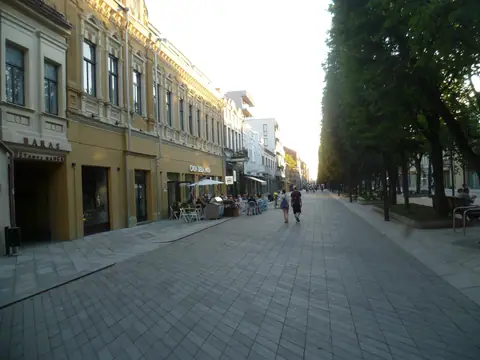
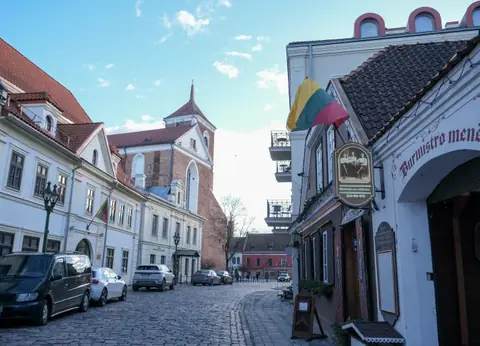
Choosing where to sleep depends on transport needs and street topography. Senamiestis offers atmospheric Gothic surroundings and lively café terraces, though historic cobblestones make rolling heavy luggage harder. Modern boutique rooms along pedestrian Vilniaus gatvė place dinner options right outside your doorway, while properties near Karaliaus Mindaugo prospektas stay quieter at night.
Flat Naujamiestis around Laisvės alėja delivers calm tree-lined streets, excellent bus links, and easy walking access to interwar sights. Staying near Vytauto prospektas suits early departures from the main train and coach stations. Review our complete neighbourhood breakdown in where to stay in Kaunas to evaluate municipal pillow taxes and local hotel locations.
Things to do
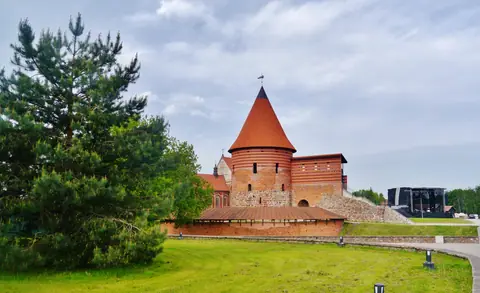
Begin your itinerary at fourteenth-century Kaunas Castle and the newly restored Town Hall, exploring both heritage sites with our Kaunas Castle and Old Town guide. Walk east into the UNESCO World Heritage district of interwar functionalism, catalogued in our guide to modernist Kaunas. Ride the 1935 Aleksotas Funicular across the river for sweeping skyline views.
Beyond the core, catch municipal bus services north to the sobering memorial and museum complex at the Ninth Fort. To the southeast, visit the seventeenth-century Italian Baroque church and quiet cloistered courtyards of Pažaislis Monastery beside the reservoir. Our curated itinerary in things to do in Kaunas covers every essential stop.
Food and drink
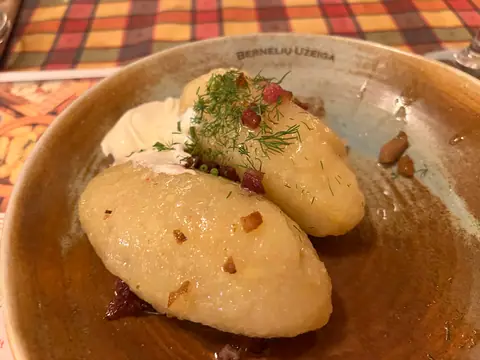
Traditional Kaunas dining celebrates hearty Baltic staples. Order *cepelinai*, substantial potato dumplings filled with seasoned pork, curd cheese, or wild mushrooms, served beneath thick sour cream and crisp bacon cracklings. During warm summer months, locals choose *šaltibarščiai*, a chilled magenta soup made of soured milk, grated beetroot, fresh cucumbers, and fragrant garden dill, accompanied by hot boiled potatoes.
Dark, slow-fermented rye bread anchors daily meals and reappears as garlic-rubbed *kepta duona* in casual taverns. Pair dinner with local mineral water or historical brewing labels from Kaunas. Our dedicated guide to what to eat in Kaunas points you to authentic cellar kitchens, bakeries, and farmers markets across town.
Culture
Kaunas takes immense pride in its interwar tenure as Lithuania's provisional capital, fostering a distinct civic identity. Service interactions are courteous, direct, and understated. Tipping roughly ten per cent in seated restaurants is customary for attentive hospitality. Keep your voice at a considerate volume inside churches and historic sites, dressing respectfully when visiting active religious houses such as Pažaislis.
Lithuania observes standard Schengen entry requirements and uses the euro. National regulations enforce strict retail alcohol sales hours, including early Sunday afternoon off-sale cutoffs, though licensed dining rooms serve drinks normally. Public museums close on Mondays, while national public holidays may reduce public transit timetables. Deep municipal tap water is completely safe to drink everywhere.
Weather by month
Kaunas is warmest in August, with average highs around 24°C, and coldest in January, when nights drop to about -4°C. July is the wettest month by rainfall (96 mm), with rain on about 14 days. For mild weather with fewer rainy days, aim for May, June and September.
| Month | Low | Range | High | Rain | Rainy days |
|---|---|---|---|---|---|
| Jan | -4°C | 0°C | 57 mm | 13 d | |
| Feb | -3°C | 3°C | 43 mm | 11 d | |
| Mar | -1°C | 7°C | 37 mm | 10 d | |
| Apr | 3°C | 12°C | 52 mm | 11 d | |
| May | 8°C | 18°C | 61 mm | 11 d | |
| Jun | 13°C | 23°C | 58 mm | 10 d | |
| Jul | 15°C | 23°C | 96 mm | 14 d | |
| Aug | 14°C | 24°C | 82 mm | 12 d | |
| Sep | 11°C | 19°C | 48 mm | 9 d | |
| Oct | 6°C | 12°C | 62 mm | 12 d | |
| Nov | 2°C | 6°C | 50 mm | 12 d | |
| Dec | -1°C | 2°C | 56 mm | 13 d |
Averages of daily values from 2015 to 2024. Rainy days are days with at least 1 mm of rain. Source: Open-Meteo · Compare destinations by month.
Kaunas on the map
Every place we cover in Kaunas. Tap a category or pin to explore.
In-depth Kaunas guides
Browse the guides grouped by topic: sights, neighbourhoods, food, transport, day trips and trip planning.
Sights, Landmarks & Parks
Key monuments, viewpoints, museums and nature trails.
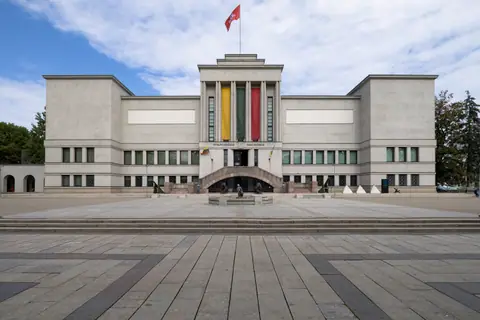
- Castle Towers to Modernist Plazas: Walking Kaunas in Six StopsA field-tested route across Kaunas linking medieval Santaka Park, the 1935 Aleksotas Funicular, Laisvės alėja, Vienybės aikštė museums, and Žaliakalnis.
- Kaunas Castle and Old Town: Confluence and White SwanKaunas Old Town pairs fourteenth-century castle ruins at the river confluence with the renovated White Swan Town Hall and Brick Gothic merchant streets.
- Modernist Kaunas: UNESCO Interwar Architecture GuideBetween 1920 and 1939 Kaunas became Lithuania's temporary capital, creating a compact UNESCO World Heritage modernist city across Naujamiestis and Žaliakalnis.
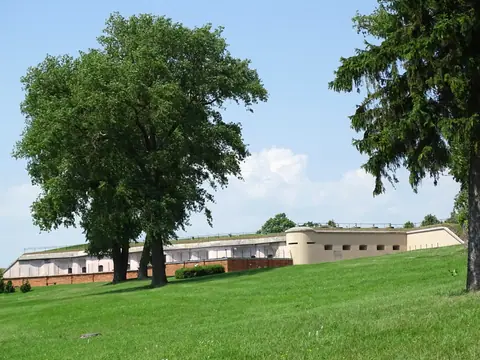
- Ninth Fort Kaunas: History, Memorial and Practical VisitStanding above north-western Kaunas, the Ninth Fort preserves a Tsarist artillery bastion, Soviet prison cells, a Holocaust mass-murder site, and its stark 1984 memorial.
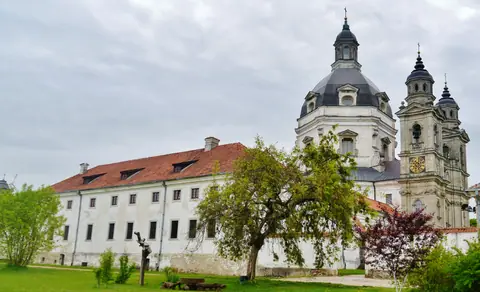
- Pažaislis Monastery: Baroque Abbey on Kaunas ReservoirNine kilometres east of central Kaunas, Pažaislis Monastery rises from lakeside pines as Lithuania's landmark Italian Baroque complex beside active sisters.
Neighbourhoods & Where to Stay
Districts, historic quarters and the best bases for your stay.
Food & Drink
Local dishes, markets, cafés and dining districts.
Getting Around & Arrival
Airport transfers, public transit, passes and driving rules.
Trip Planning & Itineraries
When to visit, what to pack and day-by-day routes.
- Kaunas at the River Fork: Brick Fortresses to Modernist BoulevardsHow Lithuania's second city grew from a medieval Hanseatic confluence town into an interwar provisional capital inscribed by UNESCO for modernist design.
- Baltic Light, Oak Gold and Winter Frost: Best Time to Visit KaunasTwelve-month Kaunas weather normals from Open-Meteo ERA5 with Kaunas Jazz, Hanseatic Days, Pažaislis Music Festival, and winter museum planning.
Reviews
Log in to write a review.
No reviews yet.