


Gion Guide: Kyoto's Geisha District
Gion grew up in the Edo period as a teahouse district serving visitors to Yasaka Shrine. Today it's the largest and best known of Kyoto's five hanamachi, the districts where geiko (the Kyoto word for geisha) and maiko (apprentices) live and work. It's also a residential neighbourhood that has struggled with the number of visitors, and the rules have tightened. Here's what you need to know.
Can I walk anywhere in Gion?
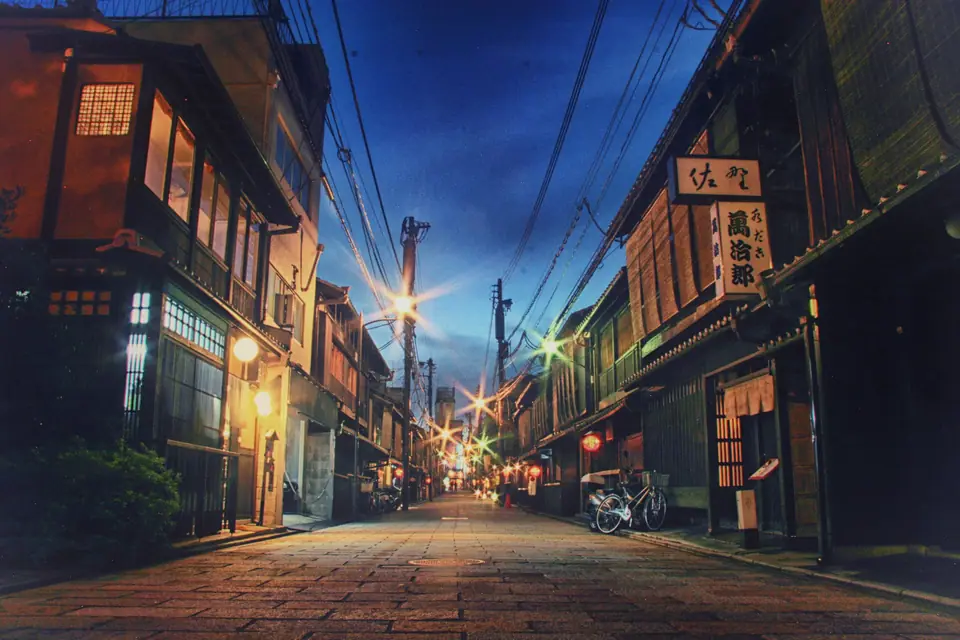
No. Since spring 2024 the small private lanes off Hanamikoji Street in the Gion Kobu area have been closed to tourists, a decision taken by the local district council rather than the city. Signs at the entrances say so in Japanese, English and Chinese. The main streets stay open, including Hanamikoji Street itself and Shijo Street. If a lane is narrow, quiet and signposted, it's private. Stay out of it.
Can I take photos?
On the public streets, yes. The signs on the private lanes warn that entering or photographing there can bring a fine. Never photograph inside a teahouse doorway, and don't stand in the road for a shot. Taxis and residents use these streets too.
What if I see a maiko?
Let her pass. Maiko are usually on their way to an appointment, often late, and many of them are teenagers. Following them, blocking their path, touching their kimono or shoving a camera in their face has become a real problem, and it's the main reason for the restrictions. Don't ask for a photo either. If she's working, she can't stop. Many of the women in kimono around Kiyomizu-dera are visitors in rental outfits anyway.
Where should I walk?
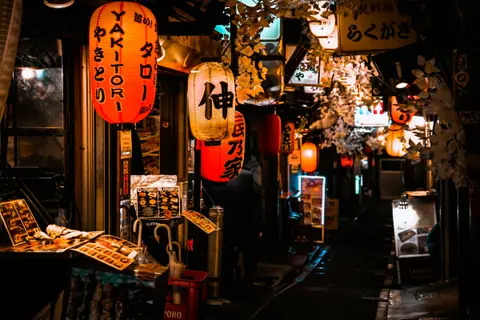
Start at Yasaka Shrine at the eastern end of Shijo Street, especially after dark when hundreds of lanterns are lit. Walk down Hanamikoji to Kennin-ji, the oldest Zen temple in Kyoto, with a painting of twin dragons on its ceiling. Then cross Shijo to Shirakawa, a willow-lined canal with the small Tatsumi Bridge and teahouses on the water. It's the prettiest corner of Gion, especially in the evening.
How can I actually meet a geiko?
Through a proper booking. Some hotels, ryokan and specialist agencies arrange dinners with a maiko or geiko, and a few run simpler events for visitors. Gion Corner offers a short sampler of traditional arts, including a maiko dance. In April, the Miyako Odori spring dances are the best chance to see Gion's geiko perform on stage.
What about Pontocho?
Pontocho, across the river, is another hanamachi: a single narrow lane of restaurants and bars running beside the Kamo River. In summer many put up wooden terraces over the water. The same manners apply.
When is the best time?
Early evening, as the lanterns come on. Daytime Gion is mostly shops. For where to eat and sleep nearby, see our where to stay guide. It also fits naturally at the end of a Higashiyama temple day.