Best Things to Do in Kyoto
Kyoto has more temples and shrines than anyone can visit, and after a while they start to blur. The list below starts with the big names and gets quieter as it goes. Pick a few from each end.
- Fushimi Inari Taisha. The mountain shrine covered in thousands of orange torii gates. Free, and open at all hours. Our Fushimi Inari guide has a route up the hill.
- Kiyomizu-dera. A wooden temple hall built out over a steep hillside on a scaffold of pillars, with a view back over the city. The lanes below it, Sannenzaka and Ninenzaka, are lined with old shops. Go at opening time.
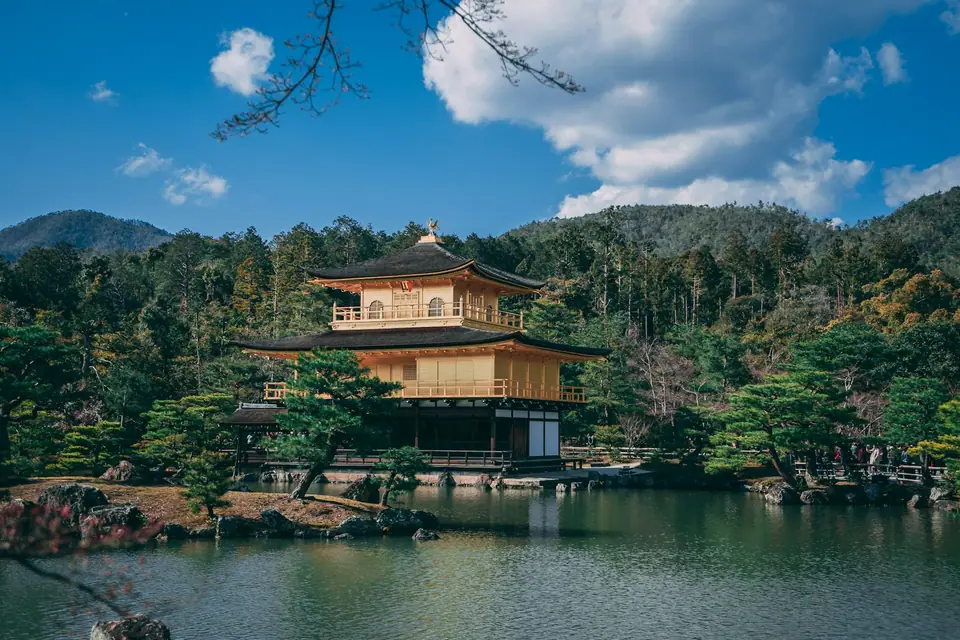
- Kinkaku-ji, the Golden Pavilion. Covered in gold leaf and reflected in a pond. You follow a one-way path and it's over in half an hour, but the first sight of it still lands.
- Arashiyama. The bamboo grove, Tenryu-ji's garden and the river. See our Arashiyama guide for timing.
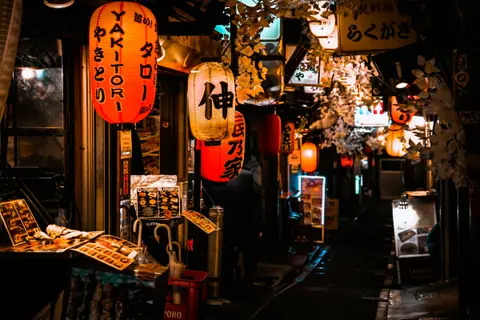
- Gion in the evening. Hanamikoji Street, the Shirakawa canal and the lanterns of Yasaka Shrine. Details in our Gion guide.
- Nijo Castle. The shoguns' palace in the middle of the city, with painted sliding doors and the "nightingale floors" that squeak underfoot to warn of intruders.
- Sanjusangen-do. A long wooden hall holding 1,001 gilded statues of Kannon, the goddess of mercy, standing in rows. One of the most striking interiors in Japan, and less crowded than it should be.
- Ryoan-ji. Fifteen rocks in a bed of raked gravel. Nobody agrees on what it means. Sit on the veranda for ten minutes before you decide it's overrated.
- The Philosopher's Path. A canal-side walk of about two kilometres from Ginkaku-ji (the Silver Pavilion, which isn't silver) down towards Nanzen-ji. Beautiful under cherry blossom, pleasant the rest of the year.
- Nanzen-ji. A big Zen complex with a huge wooden gate you can climb and a red-brick aqueduct from the 1890s running through the grounds.
- Nishiki Market. A narrow covered street of pickles, tofu, knives and grilled seafood. It's more tourist food hall than local market these days. Go early on a weekday.
- A tea ceremony. Small tea houses in Higashiyama and downtown run short sessions in English that explain what each gesture means. Much better than a matcha latte for understanding the city.
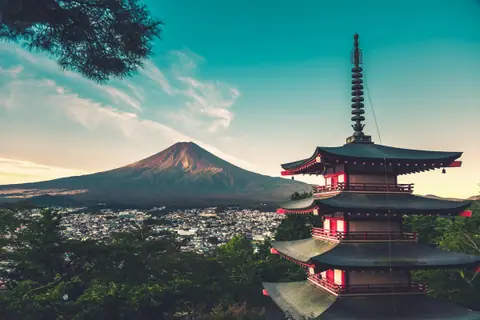
- A temple market. On the 21st of each month To-ji hosts a flea market around its five-storey pagoda. Kitano Tenmangu has its own on the 25th.
- Day trips. Nara's deer and giant bronze Buddha, or Uji for green tea and the Byodo-in temple on the 10-yen coin.
Fushimi Inari, Yasaka Shrine, the Philosopher's Path and the markets cost nothing, so a day built around them is almost free.