Photo: Kevin1971 · CC BY-SA 4.0
Trieste
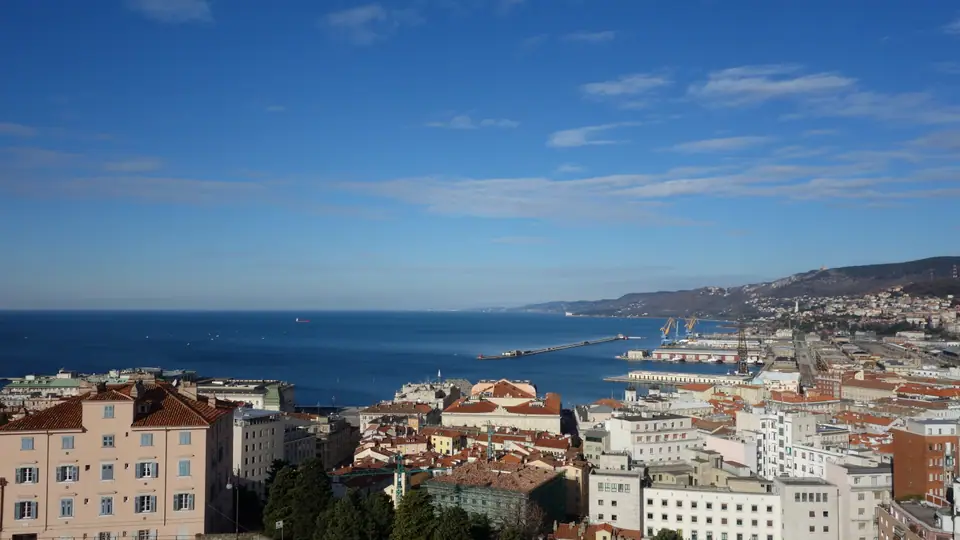
Habsburg stone squares, Viennese coffee houses and steep Karst limestone cliffs meet the Adriatic at Italy's northeastern border port.
Quick decisions
When to go?
May, June and September pair warm Adriatic swimming with comfortable walking weather. October brings Barcolana sailing crowds and heavy autumn rain, while winter turns quiet inside historic cafes when the Bora wind blows.
Where should we stay?
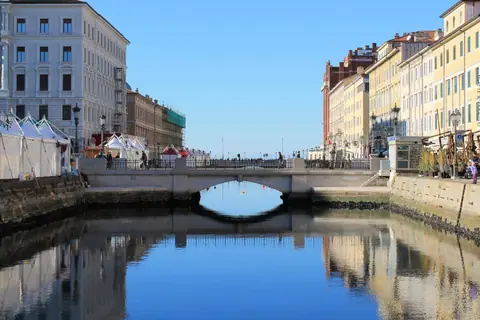
Borgo Teresiano suits flat walks between Trieste Centrale and Piazza Unità d'Italia. Cavana places dining lanes right outside the door, while San Vito trades steep climbs for quieter evenings.
Do we need a car?
No car is needed inside central Trieste, Miramare or Opicina. Frequent trains, Bus 6, Tram di Opicina Line 2 and uphill Bus 42 link the seafront to the Karst plateau, while central ZTL cameras restrict private driving.
Best for?
Travellers drawn to Central European architecture, literary history, maritime heritage, short karst ridge walks and cross-border cooking rather than sandy resort beaches.
Before you go
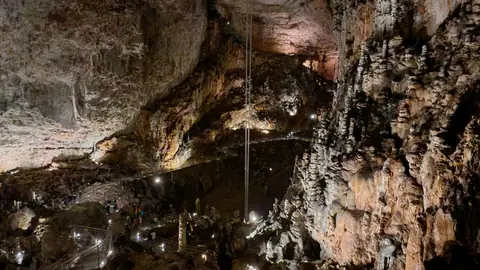
Pack a windproof shell for sudden Bora gusts off the plateau, plus grippy walking shoes for slick limestone steps in the old town and inside Grotta Gigante.
Getting around?
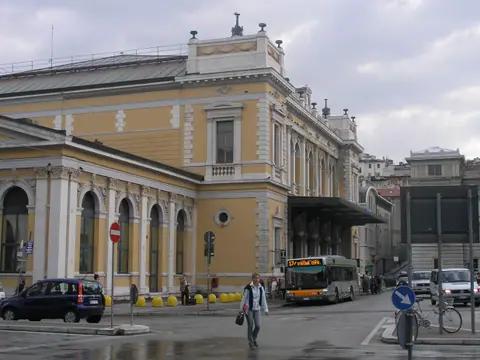
Trieste Centrale links easily with Venice and Udine, while Trieste Airport connects via its intermodal rail stop or APT Bus G51. Most seafront sights lie within a compact walking radius from the central canal.
What should we eat?
Order boiled pork in bread with freshly grated kren at a traditional buffet, followed by bean-and-sauerkraut jota, plum gnocchi di susine, walnut presnitz and a capo in b coffee.
Overview
Getting there
Where to stay
Things to do
Food and drink
Culture
Weather by month
Trieste is warmest in July, with average highs around 29°C, and coldest in January, when nights drop to about 4°C. November is the wettest month by rainfall (117 mm), with rain on about 10 days. For mild weather with fewer rainy days, aim for April, June and September.
| Month | Low | Range | High | Rain | Rainy days |
|---|---|---|---|---|---|
| Jan | 4°C | 9°C | 52 mm | 6 d | |
| Feb | 4°C | 10°C | 65 mm | 6 d | |
| Mar | 7°C | 13°C | 57 mm | 6 d | |
| Apr | 11°C | 18°C | 69 mm | 8 d | |
| May | 15°C | 22°C | 81 mm | 9 d | |
| Jun | 19°C | 27°C | 75 mm | 8 d | |
| Jul | 21°C | 29°C | 56 mm | 6 d | |
| Aug | 21°C | 29°C | 75 mm | 7 d | |
| Sep | 17°C | 24°C | 108 mm | 8 d | |
| Oct | 13°C | 19°C | 113 mm | 9 d | |
| Nov | 9°C | 14°C | 117 mm | 10 d | |
| Dec | 5°C | 10°C | 83 mm | 8 d |
Averages of daily values from 2015 to 2024. Rainy days are days with at least 1 mm of rain. Source: Open-Meteo · Compare destinations by month.
Trieste on the map
Every place we cover in Trieste. Tap a category or pin to explore.
In-depth Trieste guides
Browse the guides grouped by topic: sights, neighbourhoods, food, transport, day trips and trip planning.
Sights, Landmarks & Parks
Key monuments, viewpoints, museums and nature trails.
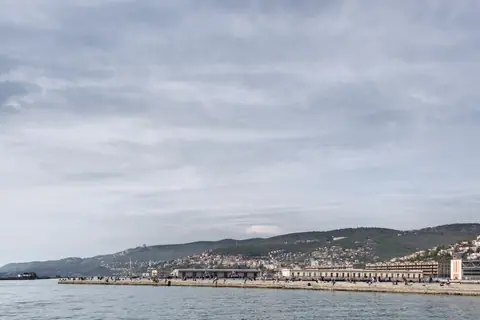
- Caffè Storici, Rive Waterfront and Roman StonesStroll stone harbour piers, ride the vintage Tram di Opicina up the limestone ridge, browse modern art at Museo Revoltella and pause inside Risiera di San Sabba.
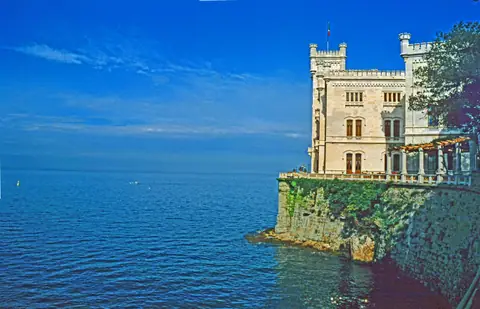
- Maximilian's White Promontory: Miramare CastleBuilt of gleaming white Istrian stone over Grignano Bay, Miramare Castle blends Habsburg naval state rooms with a 22-hectare clifftop park linked by Bus 6.
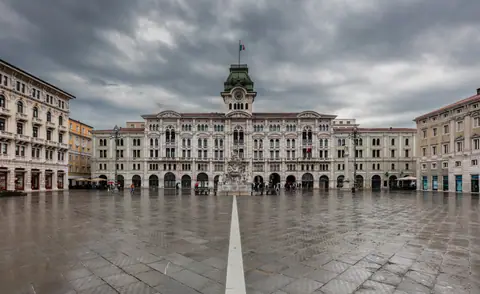
- From Piazza Unità d'Italia Up to San Giusto HillClimb two millennia in one short hill walk from Piazza Unità d'Italia's imperial seafront past Roman stones and medieval alleys up to San Giusto Cathedral and Castle.
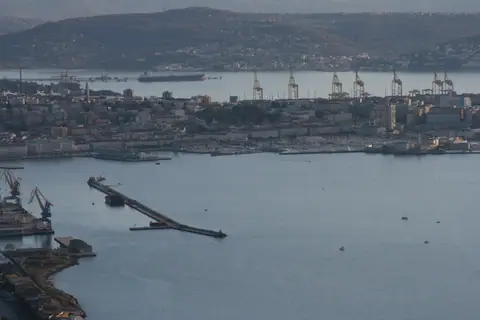
- The Free Port, Porto Vecchio and the Triestine Coffee CodeTrace Trieste's story from 1719 Imperial Free Port warehouses at Magazzino 26 to historic literary salons and the precise five-term Triestine coffee ordering code.
Neighbourhoods & Where to Stay
Districts, historic quarters and the best bases for your stay.
Food & Drink
Local dishes, markets, cafés and dining districts.

Getting Around & Arrival
Airport transfers, public transit, passes and driving rules.
Day Trips & Excursions
Easy half-day and full-day trips from the city.
Trip Planning & Itineraries
When to visit, what to pack and day-by-day routes.
- Trieste on the Edge: Italy's Habsburg Adriatic PortWedged between pale Karst limestone and the Adriatic Sea, Trieste pairs Viennese neoclassical boulevards with Italian piazzas, Slovene ridge villages and literary bookshops.
- Barcolana Sails, Summer Heat and the Bora WindTrieste follows four sharp Adriatic forces: fierce winter Bora gusts, sunny Barcola swimming terraces, October Barcolana sailing crowds and warm literary café months.
Need your embassy or consulate in Italy? See embassies and consulates in Italy.
Reviews
Log in to write a review.
No reviews yet.