


























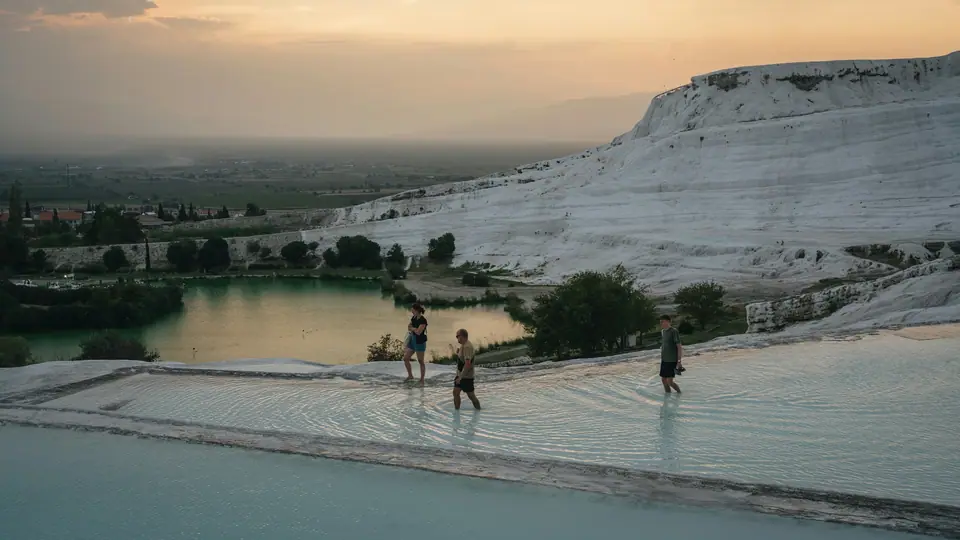
Photo by Nick Night on Unsplash
Pamukkale Seasonal Climate Guide: Spring Warmth, Glare and Winter Pools
Pamukkale offers distinct seasonal faces, from quiet winter thermal steam to brilliant spring wildflowers across ancient Hierapolis.
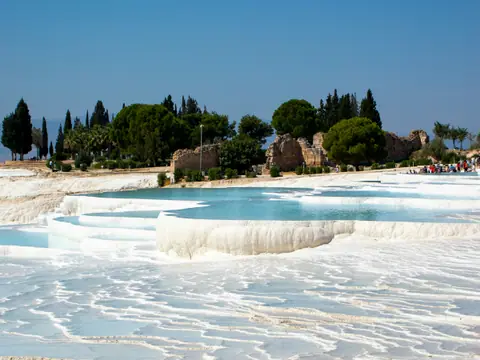
Visiting the white cliff face of Pamukkale requires careful timing across the calendar, as the open hillside provides almost no natural shade. The exposed travertine terraces face west across the broad valley floor, catching every degree of sun from noon until dusk. Arriving during pleasant weather transforms the long climb over ribbed limestone into a comfortable, relaxed walk.
Spring Breezes and Milder Plateau Days
Spring brings some of the most pleasant walking conditions of the year across the entire archaeological park. Walking barefoot along the designated travertine water channel feels soothing rather than punishing under milder sunshine. Wild grasses and colourful blooms begin appearing across the unexcavated fields surrounding the ancient city ruins, softening the stony landscape.
During these weeks, gentle upland winds keep the afternoon air fresh. This climate allows unhurried exploration through the massive Roman theatre and necropolis tombs. You can pace your climb easily, pausing along the limestone rim without searching constantly for stone colonnades to escape radiant heat. Morning skies usually stay bright and clear, creating calm reflections across the filled terrace pools.
- Pleasant terrace walking without scorched rock underfoot.
- Clear morning air across the upper archaeological zone.
- Wild green growth spreading among the scattered sarcophagi.
Planning your packing around layered clothing pays off, because dawn temperatures feel remarkably crisp before daytime warming begins. Check practical notes on what to wear to balance barefoot terrace walking with comfortable footwear for uphill dirt tracks. Midday warmth remains gentle enough to allow long outdoor rambles right through the early afternoon.
Handling Summer Sun and Limestone Reflection
Summer brings harsh conditions across the exposed white hillside, where the bleached calcium carbonate acts like a massive reflector. Direct sunshine combines with intense upward glare from the pools, creating exhausting heat by midday across the entire slope. Exploring the ancient stone ruins above requires serious stamina, as the pale stones hold and radiate high heat for hours.
Midday also coincides with large tour groups arriving from coastal beach resorts, filling the narrow wooden walkways and shallow pools. If you travel during high summer, entering the site right at opening time gives you several tranquil hours of cool air. Follow an organised plan like our one-day itinerary to finish open-air terrace sections before the sun climbs overhead.
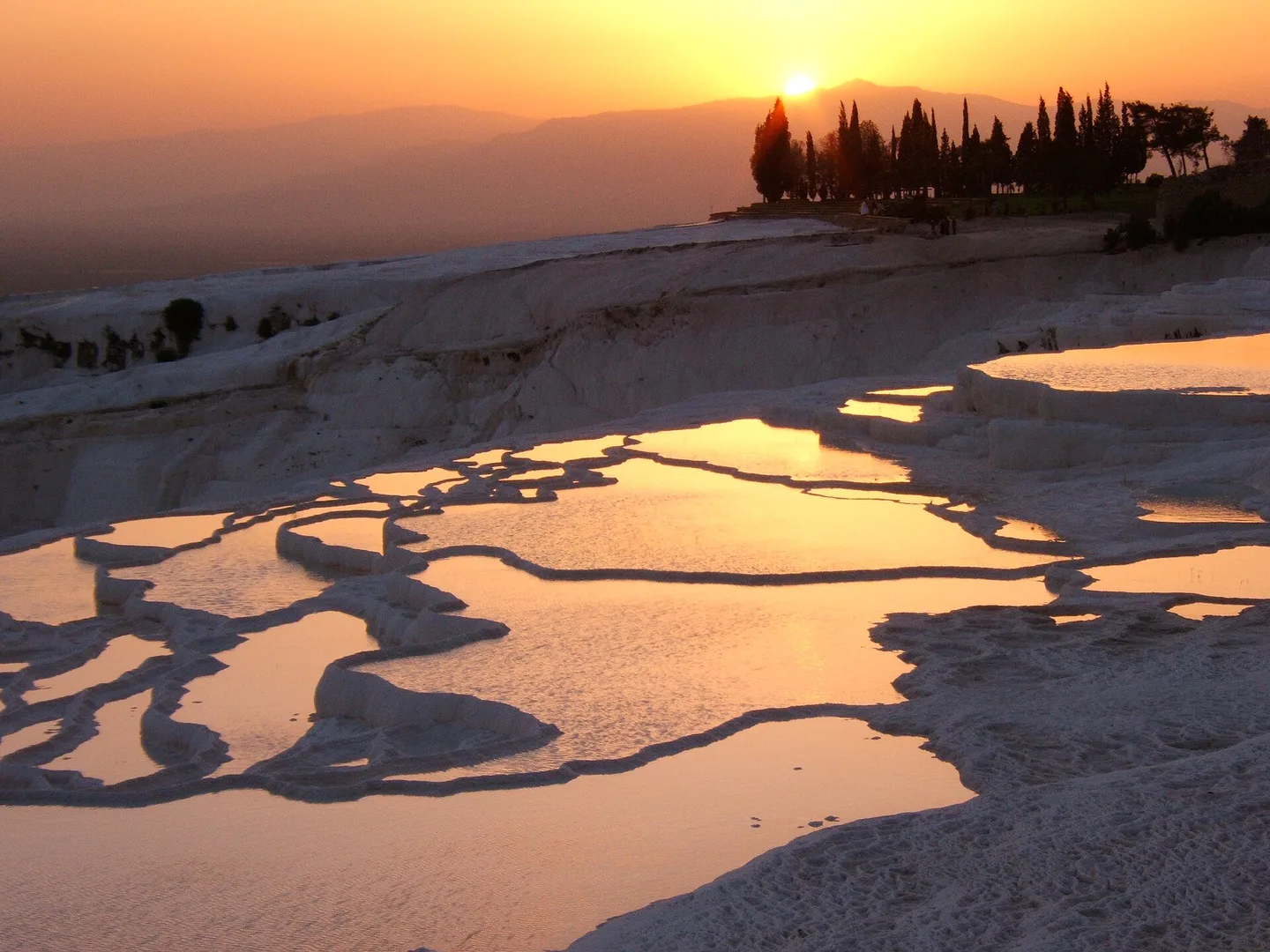
When intense heat peaks in the middle of the day, seeking sheltered interior spaces or museum rooms provides welcome relief. Returning to the upper terraces late in the day reveals a completely different atmosphere as day-trip coaches depart. The blinding white calcium gradually softens into pastel shades under the dropping sun, making sunset walks peaceful and atmospheric.
Autumn Light and Quiet Golden Hours
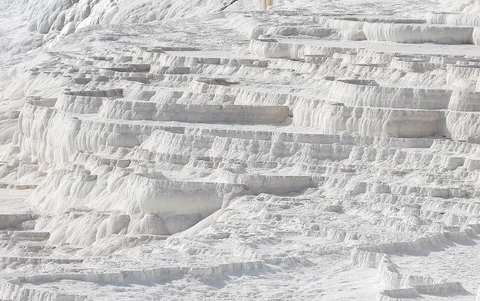
Autumn brings welcome relief from scorching plateau temperatures, offering stable clear skies and noticeably thinner crowds along the ridge. Walking over the limestone crest feels calm, with pleasant warmth lingering in the stone long after the sun drops. The sharp glare of summer softens into rich amber tones that illuminate the ancient travertine formations across the cliff.
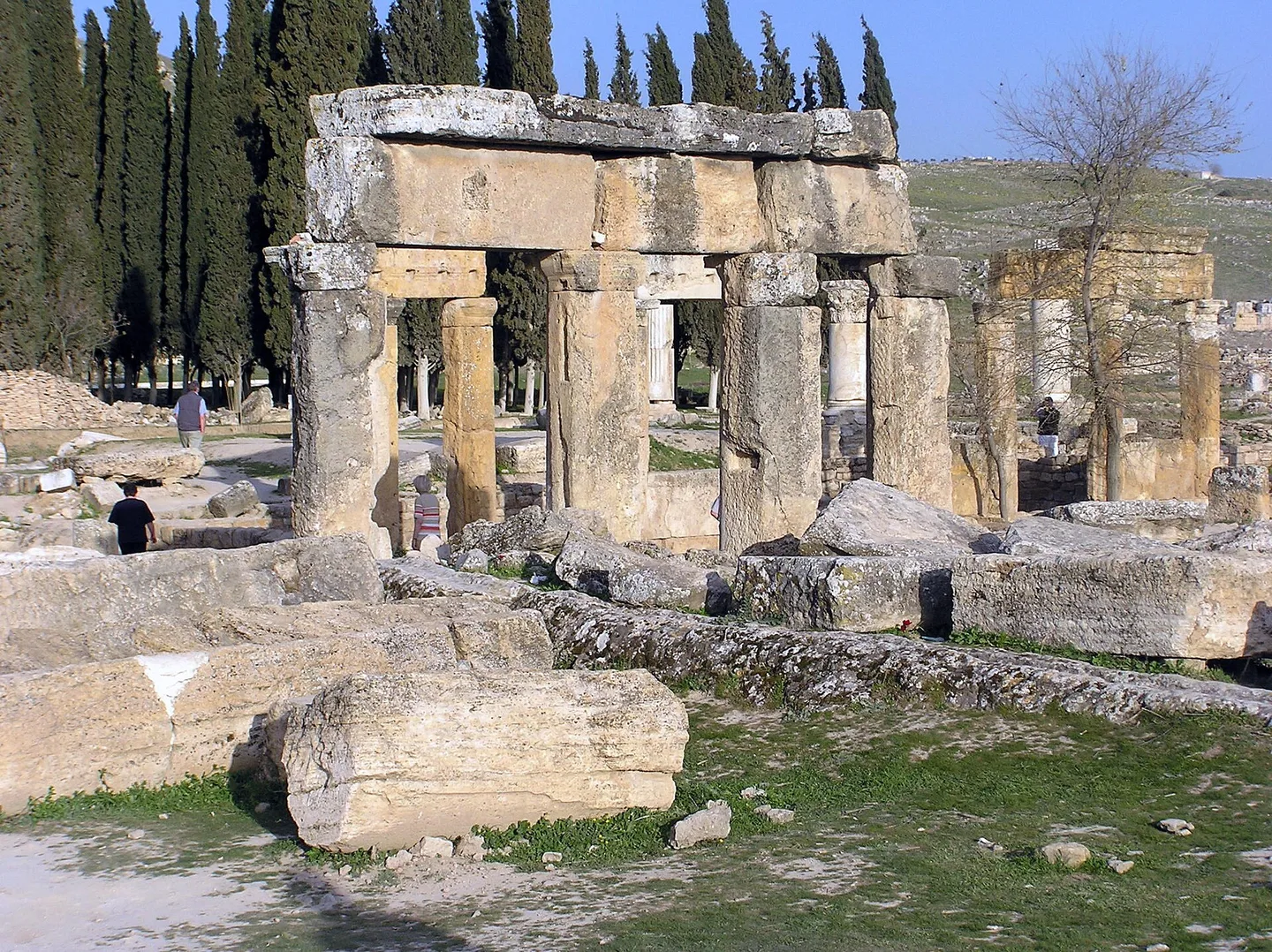
Early autumn conditions make outdoor exploration across the expansive Hierapolis necropolis very comfortable even during early afternoon hours. You can wander freely along ancient stone streets without rushing to find shade beneath lonely pine trees or olive groves. Photographers favour this window because long shadows define the delicate scalloped edges of the mineral pools.
| Season | Walking Conditions | Crowd Levels |
|---|---|---|
| Spring | Mild air with gentle plateau winds | Moderate daytime visitors |
| Summer | Intense white terrace glare | High peak bus volumes |
| Autumn | Warm afternoons with soft light | Steady decline after noon |
| Winter | Crisp chill and steaming thermal pools | Lowest foot traffic overall |
Watching the sunset from the western cliff top is striking during these crisp autumn evenings. The broad valley below fades into twilight while the limestone terraces glow pink against the deepening horizon. Calm weather during these months also creates reliable conditions for booking an early morning hot air balloon flight over the ridge.
Winter Steaming Terraces and Quiet Paths
Winter shows an entirely different, quiet character that few fast-paced coastal itineraries ever experience. Cool mountain breezes blow across the plateau, causing warm thermal waters to produce rolling clouds of rising white steam. Dipping your feet into running mineral channels feels wonderfully soothing when the surrounding air carries a sharp seasonal chill.
You will encounter only a small fraction of the visitors who gather during peak holiday months. The silence across the ancient theatre and empty stone colonnades allows you to appreciate the true scale of the site. Rain showers can leave paths muddy, but crisp clear days offer striking views toward snow-dusted peaks across the valley.
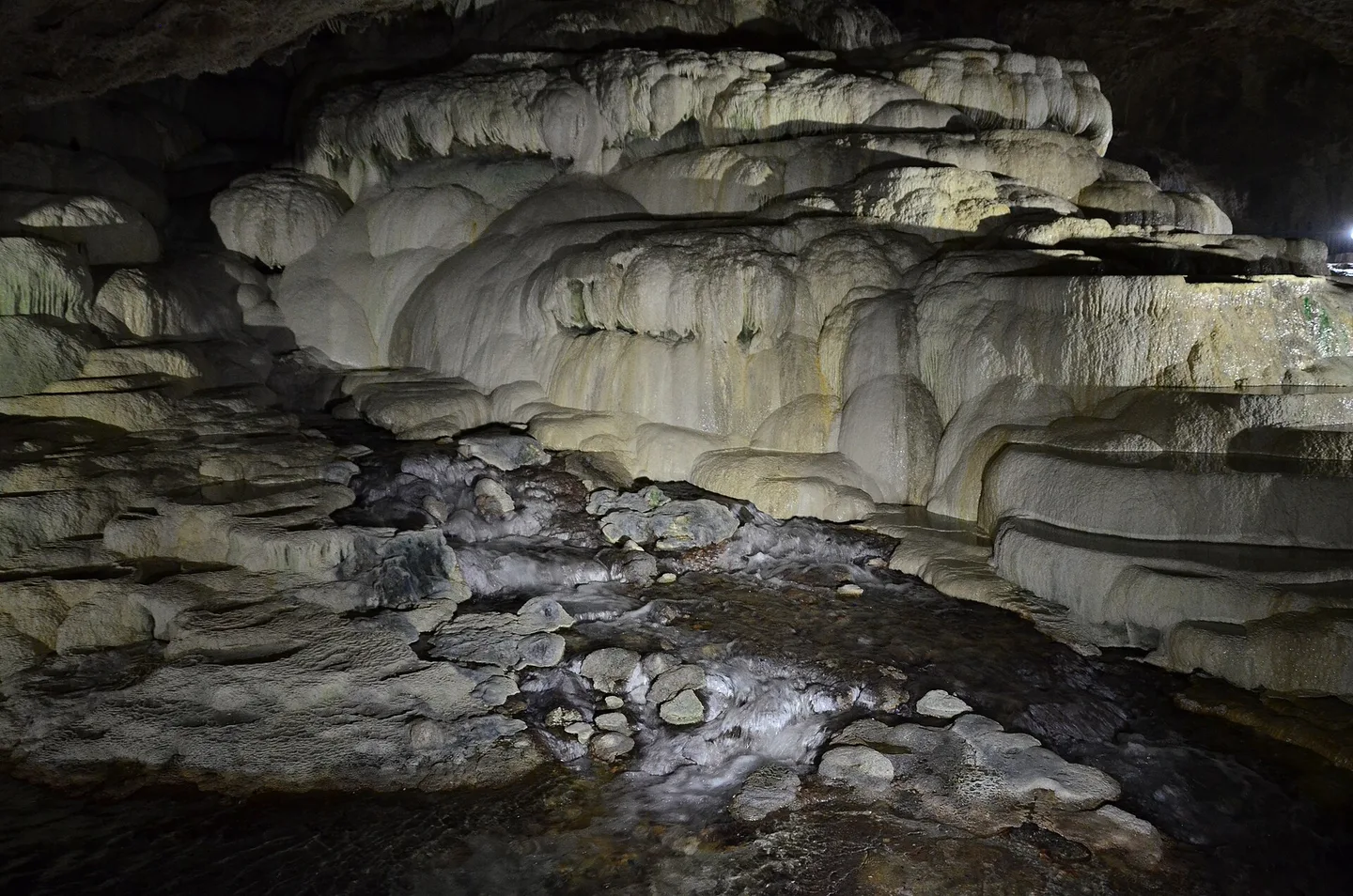
A winter journey also gives you time to explore subterranean regional sights such as Kaklık Cave without any rush. Inside this underground cavern, hidden thermal waterfalls carve delicate travertine terraces echoing the grand cliff face outside in miniature. Returning to the main town for a warm bowl of soup finishes a tranquil winter exploration of the valley.
Where it is
- 1Pamukkale
- Dalaman International Airport (DLM) · about 137 km from Pamukkale in a straight line
- Directions in Google Maps
Stations and taxi ranks: OpenStreetMap. Airports: OurAirports. Distances are in a straight line.
Traveller tips
Real advice from people who have been to Pamukkale. Every tip is read by our team before it goes live.
No tips yet. Been here? Yours could be the first.
Thank you! Your tip will appear here after a quick review.
More in Pamukkale
Continue exploring Pamukkale with related neighbourhood, food, and planning guides
Pamukkale Orientation: Travertine Cliffs, Hierapolis and Denizli Valley
Pamukkale, Turkey
What to See in Pamukkale: Travertines, Hierapolis and Ancient Ruins
Pamukkale, Turkey
Travelling to Pamukkale: Denizli Rail, Flights and Coach Routes
Pamukkale, Turkey
Pamukkale and Hierapolis Entry Tickets: Official Rules and Gate Tips
Pamukkale, Turkey
