


























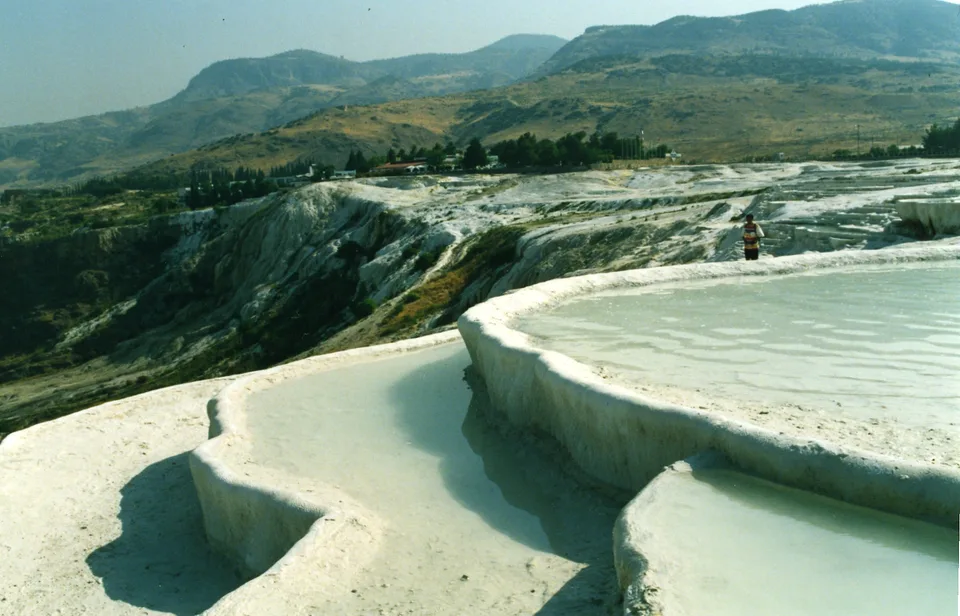
Photo: Traroth · CC BY-SA 3.0
Pamukkale in One Day: Downhill Route from Hierapolis to the White Terraces
A single-day downhill route across ancient ruins and white mineral shelves lets you bypass exhausting climbs under the hot sun.
Approaching this remarkable landscape from the higher plateau saves physical effort throughout the afternoon heat. Arriving early at the upper entrance allows you to travel southward on a gentle gradient while day-tripping crowds climb from below.
North Gate Arrival and the Ancient Necropolis
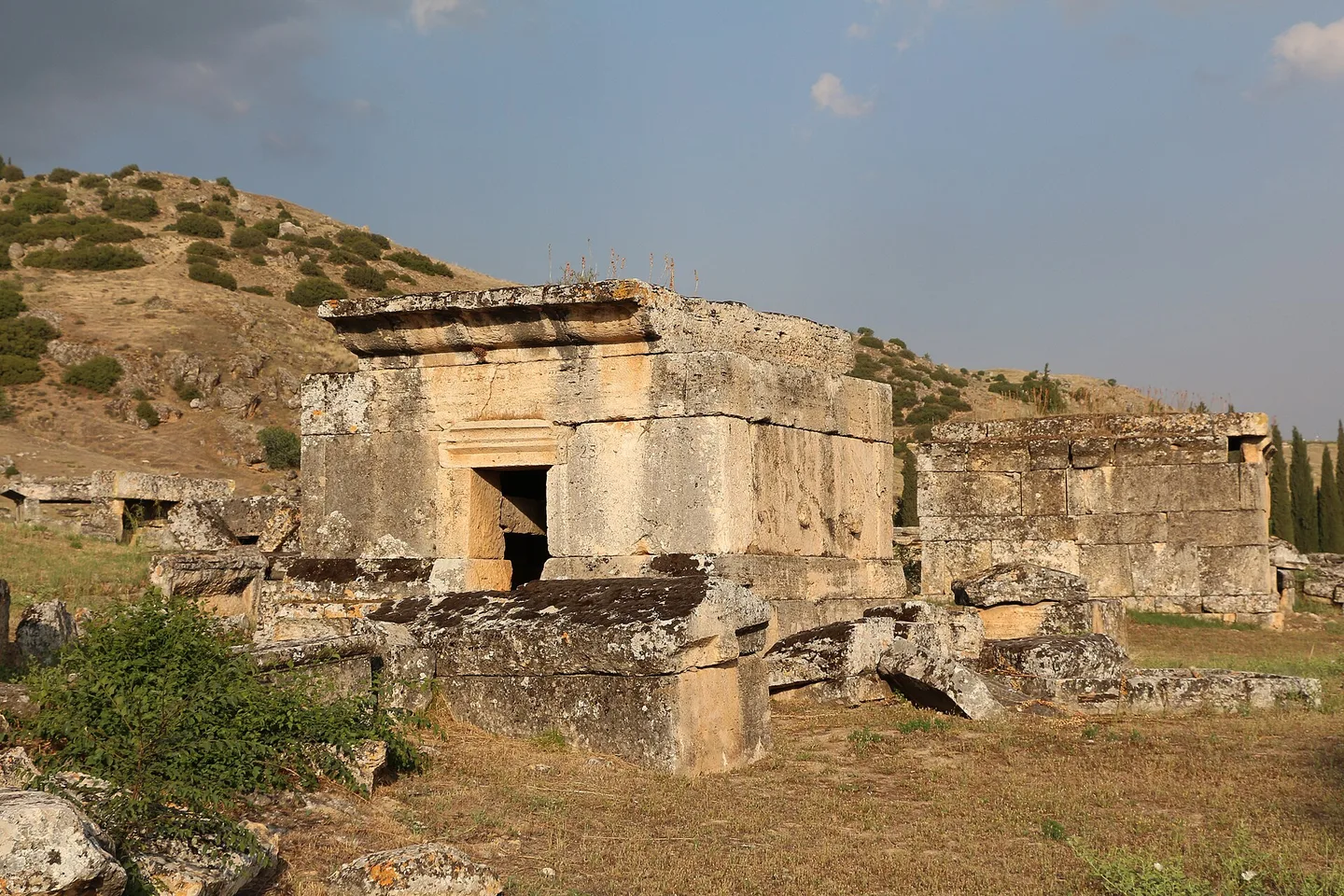
Starting at the northern portal sets a tranquil tone for the morning. Taking a local taxi or shared minibus directly to this ridge places you right beside vast burial grounds without any steep climbing. Walking paths here run across fields of weathered stone sarcophagi, family vaults, and limestone house tombs scattered across the dry hillside.
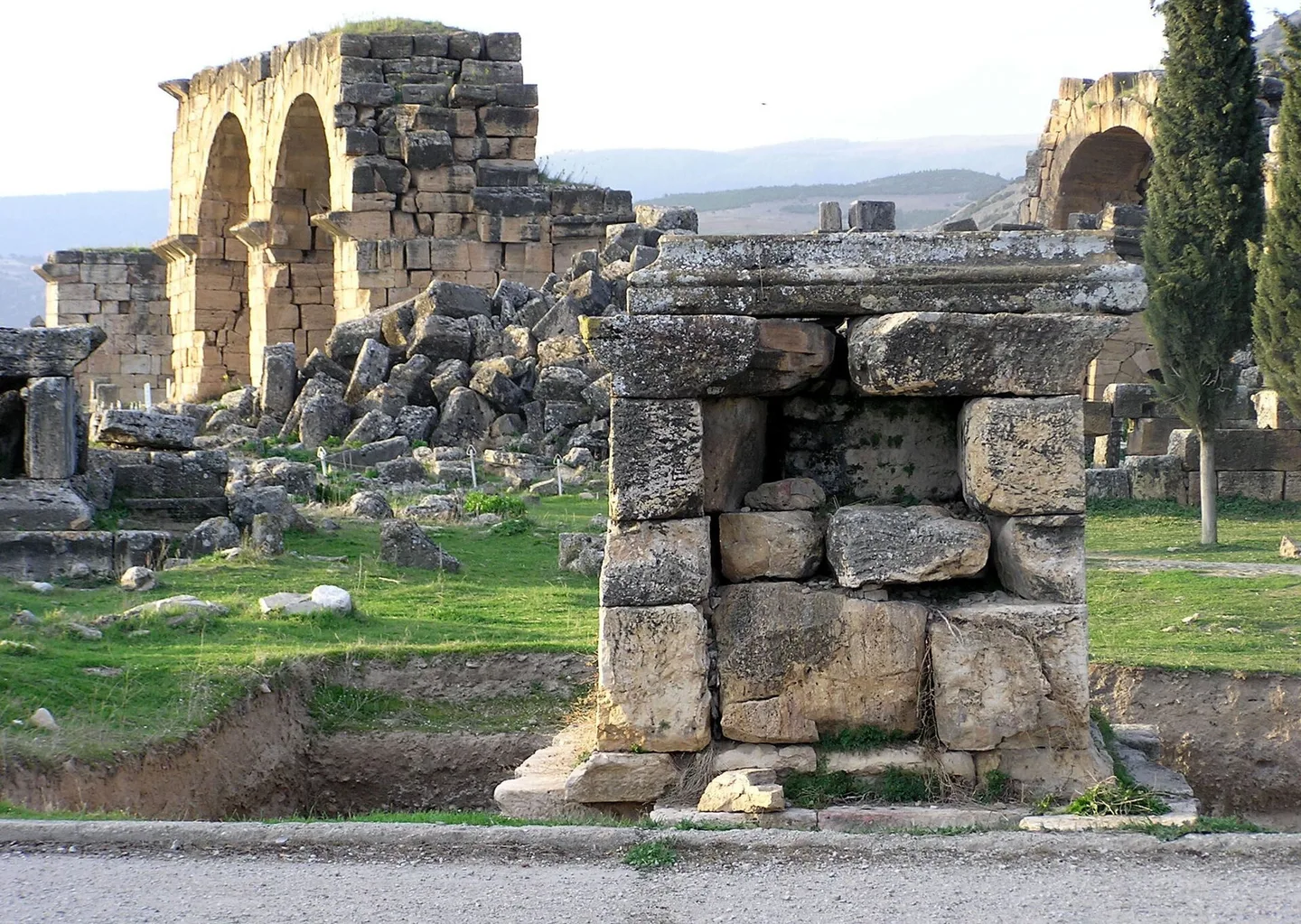
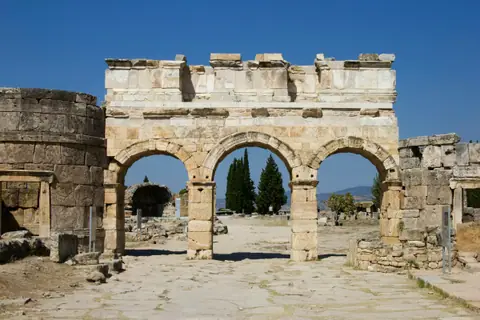
The morning light catches the carved inscriptions and heavy pediments, giving the wide cemetery a quiet and dignified atmosphere. Wandering along the ancient paved avenue takes you past defensive walls and monumental archways that once greeted travellers arriving from inland valleys. Early hours mean cool breezes and empty paths, which allow unhurried photography before tour coaches arrive.
Following this gentle descent leads toward the grand street of the Roman settlement. Here, rows of re-erected columns line the flagstones, showing the former scale of this healing sanctuary. Planning your ticket needs in advance by reviewing the Pamukkale entrance fee details will keep your morning entry quick and straightforward.
Roman Splendour and Midday Thermal Shallows
Continuing southward brings you directly into the core public monuments of ancient Hierapolis. The vast hillside theatre stands out as the most complete structure, hollowed into the natural slope above the residential quarters. Climbing its stone steps reveals preserved stage decorations, marble friezes, and a wide panoramic vista stretching over the valley.
Directly below the theatre, warm springs bubble continuously into leafy gardens. Taking a midday break at the historic pool area gives shade beneath tall pines and oleander bushes. Submerged Roman column drums and carved capitals rest on the gravel floor, allowing swimmers to paddle directly above antique stonework. Even without swimming, relaxing on the perimeter benches offers welcome relief from the midday glare.
- North Gate entry gives a downhill stroll through the historic tomb fields.
- The Roman theatre provides sheltered vantage points across the distant plain.
- Thermal pool gardens offer shaded seating away from open chalk flats.
- The hillside martyrium awards sweeping views across the valley ridge.
- The travertine footpath creates a soothing barefoot descent into town.
Before heading to the outer terraces, take time to appreciate the nearby bathhouses. The thick vaulted rooms now house archaeological displays of marble statuary and funerary art recovered from the immediate surroundings.
Afternoon Monuments and the Martyrdom Ridge
Rising slightly behind the central baths, paths climb toward the octagonal memorial complex dedicated to Saint Philip. Walking up this hillside track during the early afternoon rewards you with an open view over the entire valley floor. The stone foundations show an intricate central hall plan surrounded by small radiating rooms, pointing to early pilgrim rituals.
Nearby sits an ancient nymphaeum where freshwater once cascaded across public basins to refresh thirsty worshippers. The hillside path loops back down toward the thermal precinct, passing the subterranean opening known as the Plutonium. Here, ancient priests observed natural volcanic gases escaping through rock fissures into the open air.
Dipping your feet into the nearby flowing stream provides a natural pause before you move out onto the glowing rim. Exploring the historic thermal sources near Cleopatra Pool reveals how warm water created these striking terraces over thousands of years.
Barefoot Sunset Descent into Pamukkale Village
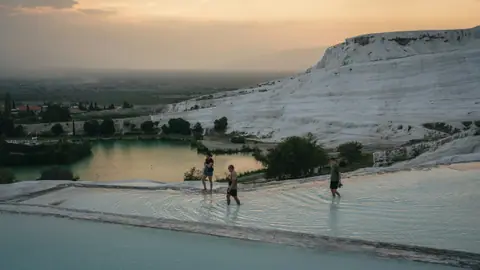
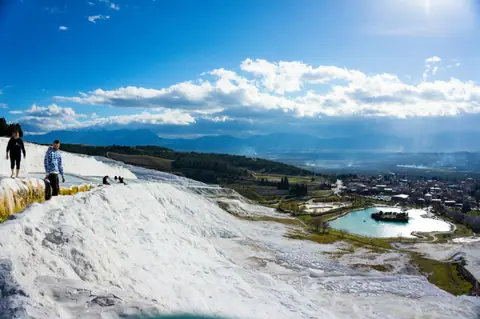
By late afternoon, the harsh reflection on the chalk cliffs softens into warm amber and rose tones. The dedicated footpath descending along the cliff requires everyone to take off their shoes to protect the delicate rock formations. Slipping your boots into a daypack, you step onto the wet, warm limestone channels flowing down the hillside.
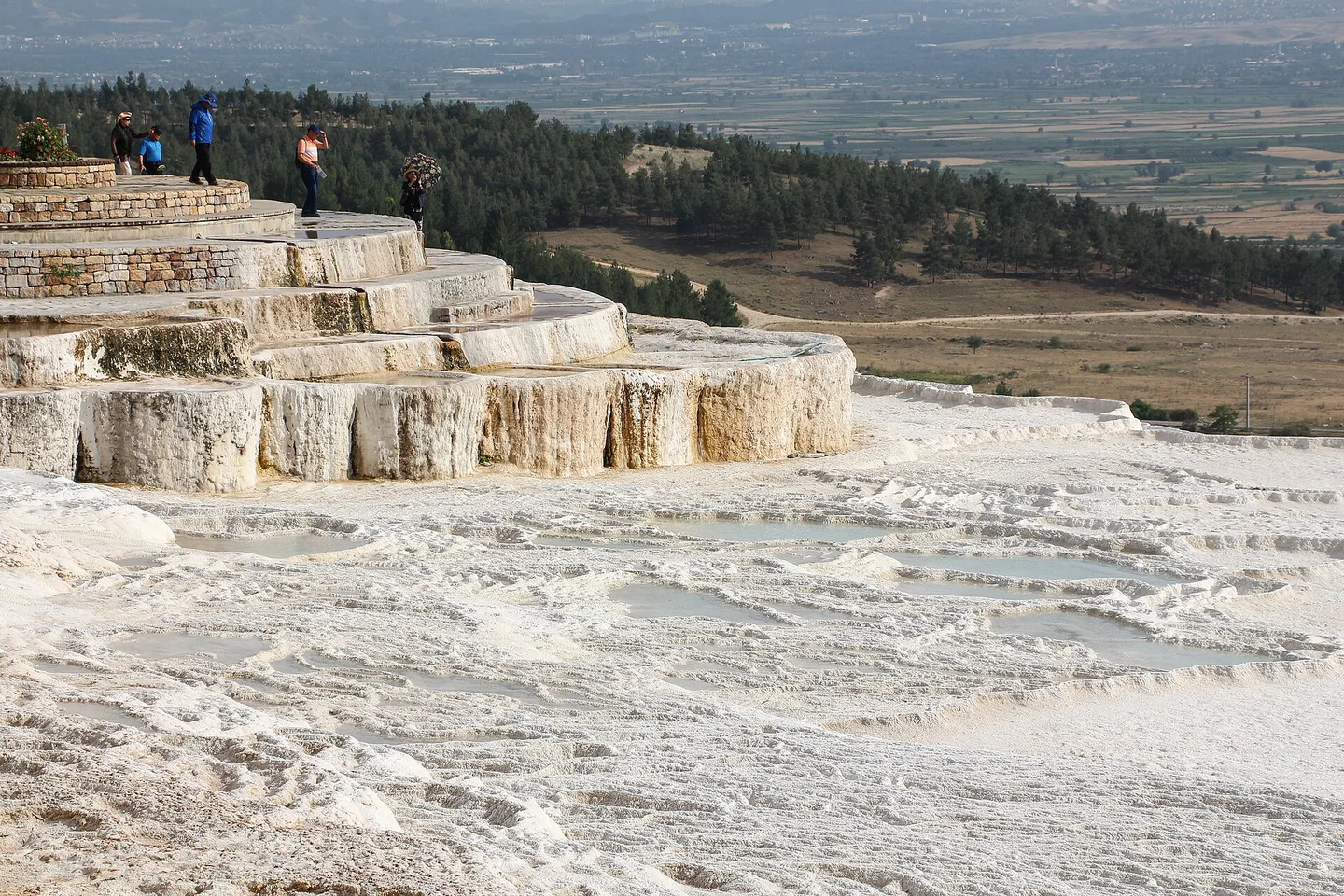
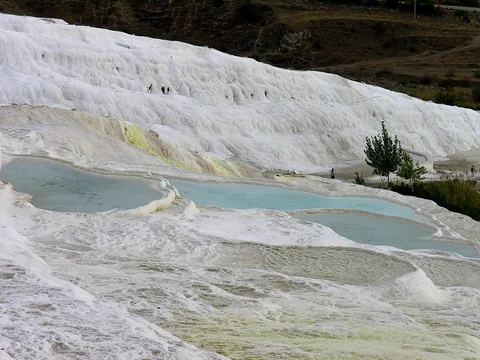
The water feels pleasant underfoot, moving from warm shallows at the top to cooler streams nearer the bottom. Artificial pools along this route offer safe spots to wade or paddle while the sun lowers toward the horizon. As the sky shifts to rich evening hues, the milky water mirrors the changing colours across the plain.
Reaching the village gate brings you directly into the quiet streets of the lower settlement. Finishing your walk here avoids any evening bus queues or backtracking up the hill. You can settle into a village cafe, order a warm meal, and reflect on this classic walk across the white hillside.
Where it is
- 1Pamukkale
- Dalaman International Airport (DLM) · about 137 km from Pamukkale in a straight line
- Directions in Google Maps
Stations and taxi ranks: OpenStreetMap. Airports: OurAirports. Distances are in a straight line.
Traveller tips
Real advice from people who have been to Pamukkale. Every tip is read by our team before it goes live.
No tips yet. Been here? Yours could be the first.
Thank you! Your tip will appear here after a quick review.
More in Pamukkale
Continue exploring Pamukkale with related neighbourhood, food, and planning guides
Pamukkale and Hierapolis Entry Tickets: Official Rules and Gate Tips
Pamukkale, Turkey
Pamukkale Seasonal Climate Guide: Spring Warmth, Glare and Winter Pools
Pamukkale, Turkey
What to Wear to Pamukkale: Barefoot Travertines and Ruin Walking
Pamukkale, Turkey
Hierapolis Ancient City Guide: Roman Theatre, Martyrium and Necropolis
Pamukkale, Turkey
