


























Photo by Ben Latif on Unsplash
What to Wear to Pamukkale: Barefoot Travertines and Ruin Walking
Planning your Pamukkale outfit requires balancing strict barefoot rules across wet calcium slopes with rugged footwear for expansive ancient limestone ruins.
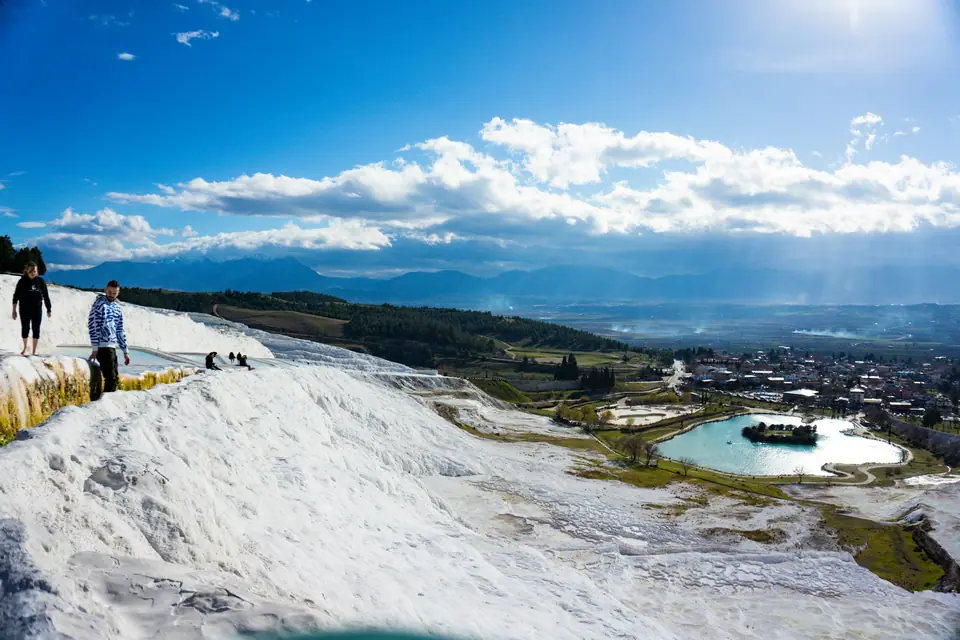
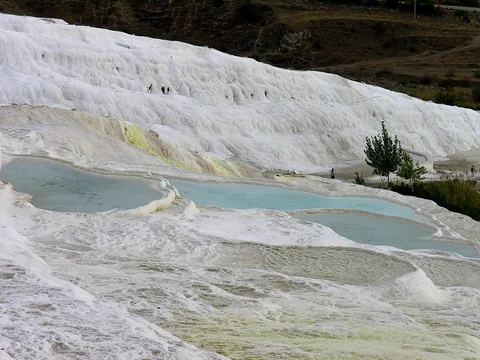
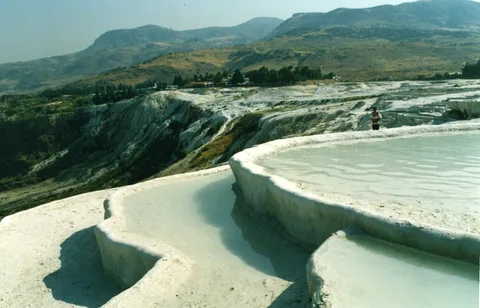
Standing at the entrance to the chalk-white terraces, every visitor encounters an absolute regulation. Site attendants require everyone to remove all footwear before setting foot on the delicate calcium carbonate. This rule applies strictly to shoes, sandals, and socks alike. Wardens blow whistles at anyone who hesitates or attempts to step onto the pale stone while wearing shoes. You must carry your footwear in a lightweight drawstring bag or stow it inside a rucksack. Leaving shoes unattended at the base is unwise because you will exit via a different path if you explore the upper plateau. Carrying your shoes leaves your hands free to balance on the damp rock.
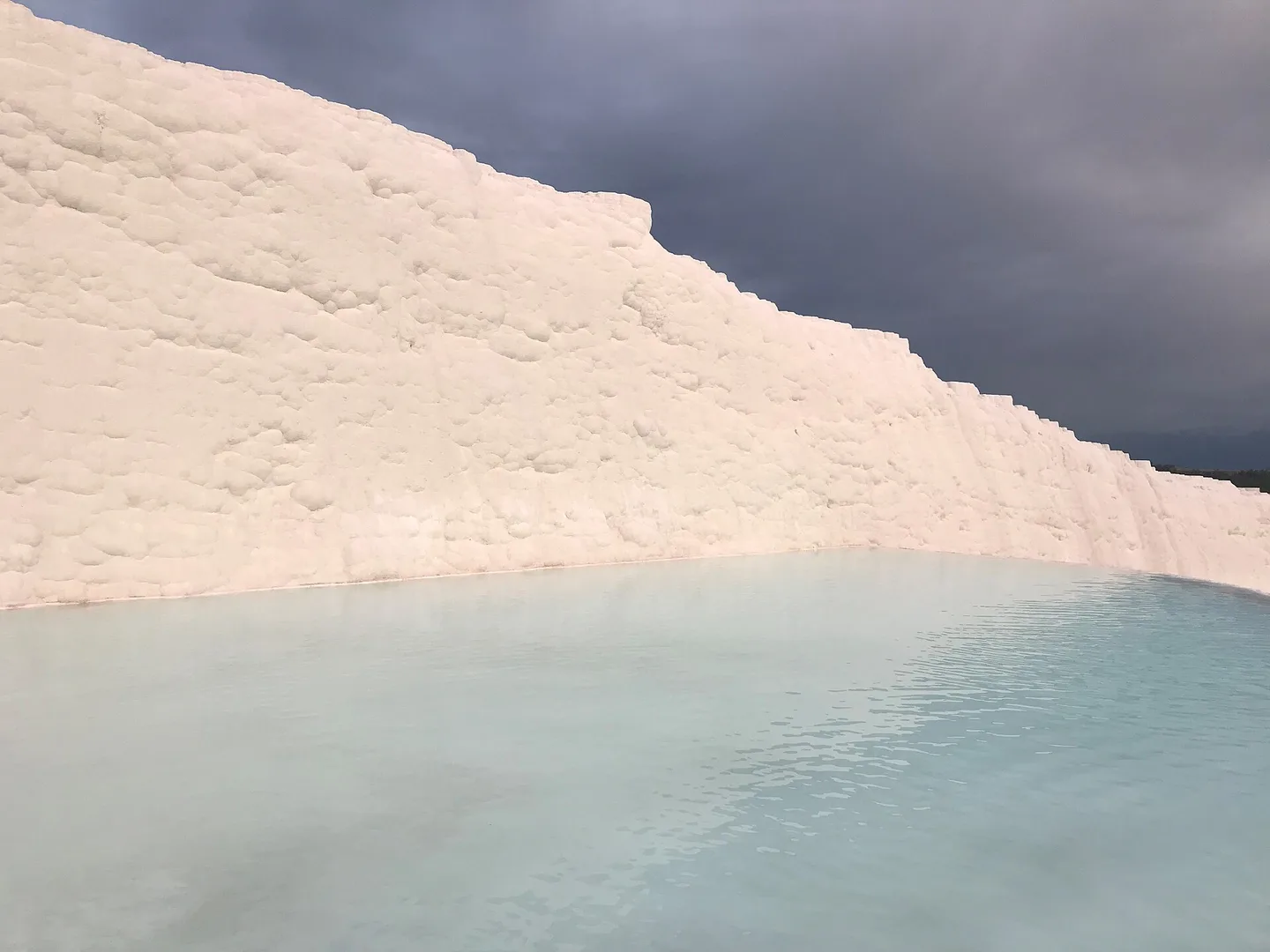
Walking along the travertine walkway presents a peculiar sensory combination underfoot. Running warm spring water flows continuously over sections of the white floor, creating a soft layer of dissolved mineral silt. Other stretches feel rough, textured, and surprisingly ribbed against bare soles. The ridged surface gives reliable friction against slipping, yet it can feel tender on sensitive feet after several hundred metres of climbing. Moving at a steady, unhurried pace allows your skin to adapt to the firm calcium ridges. Keeping your trouser cuffs rolled well above the knee prevents clothing from soaking up mineral sediment.
Essential Footwear for Ancient Hierapolis
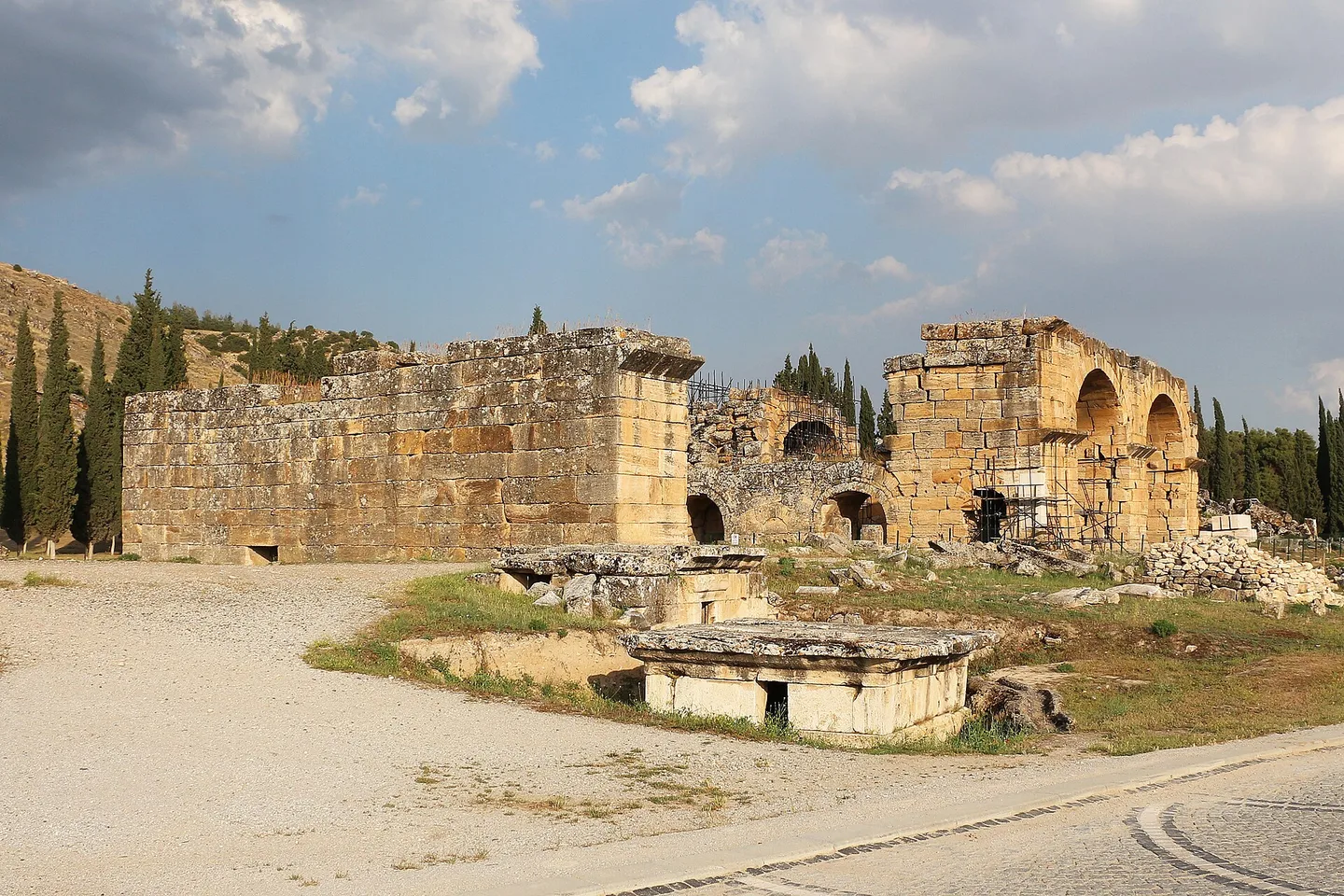
Directly above the smooth, wet travertines sits the vast archaeological plateau of Hierapolis. Once you step off the pale mineral deposits, barefoot walking ends immediately. The ground transforms into sharp gravel, loose scree, and sun-baked ancient marble blocks. You must sit on a dry bench, dry your feet, and pull on proper trail trainers or sturdy walking sandals. Flimsy flip-flops give zero ankle stability on the irregular Roman paving and will lead to stubbed toes on unlevel kerbs.
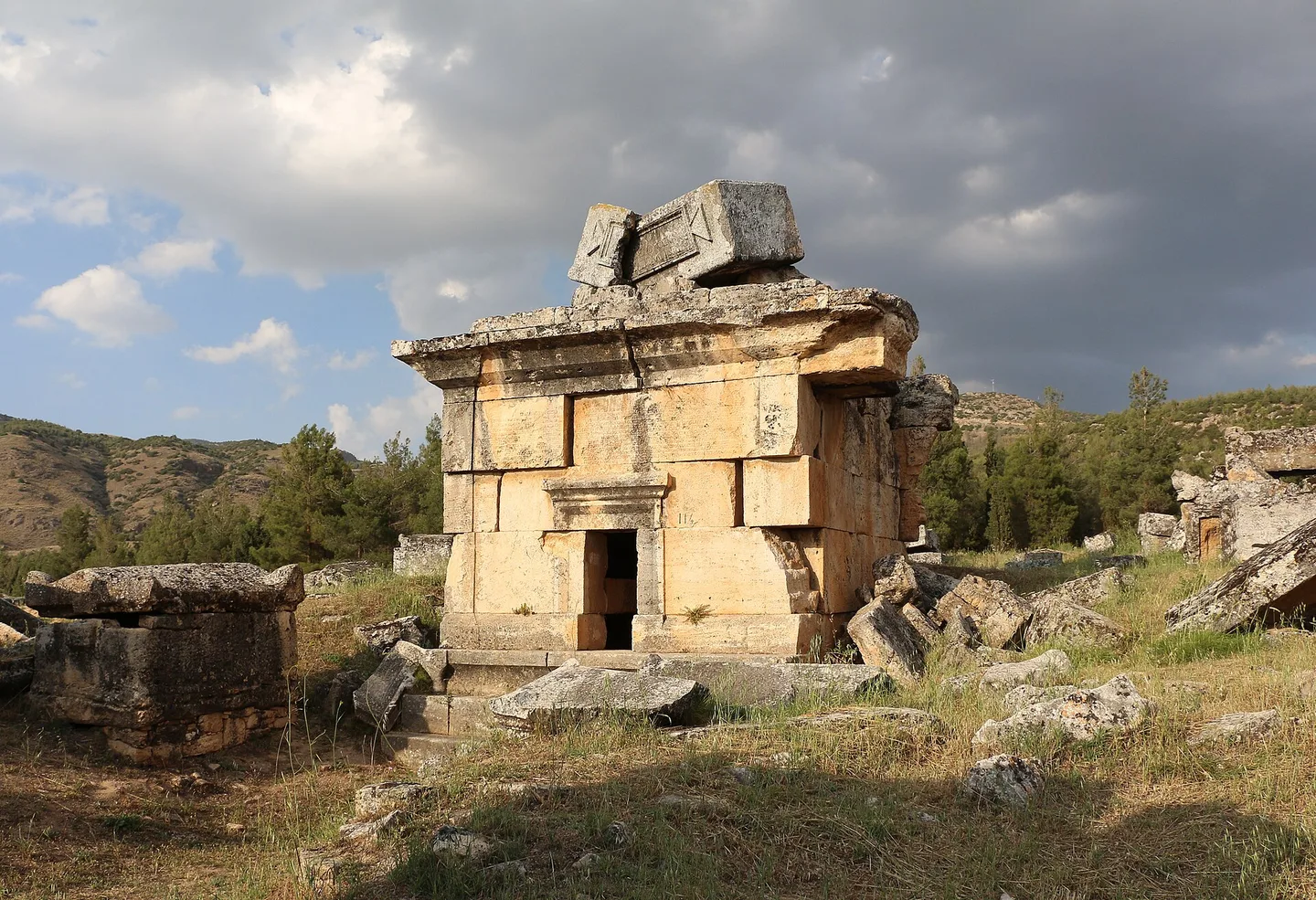
Exploring the northern necropolis and the hillside theatre requires substantial foot support. Limestone stairs are worn smooth by centuries of foot traffic, making them deceptively slick even when dry. The distances across the ancient settlement sprawl across several kilometres of hillside paths. We recommend choosing breathable trail runners with deeply grooved rubber outsoles. Sturdy shoes also protect against low thorny shrubs that sprout across untamed sectors of the necropolis.
Sun Glare Protection and Temperature Layers
The stark white terraces act as an immense natural mirror, reflecting ultraviolet rays from every possible angle. Even on days with partial cloud, the optical bounce off the white calcium carbonate can strain bare eyes. Dark polarised sunglasses are an essential piece of kit to cut through the intense brightness. A wide-brimmed sun hat or peaked cap shields your face and neck where direct shade does not exist. Generous layers of high-factor sunscreen must cover your shoulders, face, and the tops of your feet. You can check best time to visit guides to gauge changing seasonal weather patterns before departing.
Thermal comfort shifts considerably between dawn and the midday heat on the plateau. Early morning arrivals joining pre-dawn balloon departures encounter chilly valley breezes that demand a windproof jacket. During winter visits, travertine water remains pleasantly warm while the surrounding air bites sharply against damp skin. Light, breathable linen or technical clothing works best for daytime, allowing air to circulate during warm hillside climbs. A packable outer layer guards against sudden mountain wind gusts sweeping down from the surrounding slopes.
| Gear Item | Primary Purpose | Packing Placement |
|---|---|---|
| Drawstring shoe sack | Carrying trail shoes over barefoot travertine zone | Stowed inside main daypack |
| Polarised sunglasses | Cutting blinding UV glare from white terraces | Worn or kept in hard case |
| Trail trainers with grip | Scrambling over uneven ruins and Roman cobbles | Worn across Hierapolis |
| Quick-dry towel | Drying feet before slipping into ruin footwear | Top pocket of rucksack |
| Windproof light jacket | Shielding against morning drafts and valley breeze | Base of main daypack |
Daypack Setup for Thermal Swimming
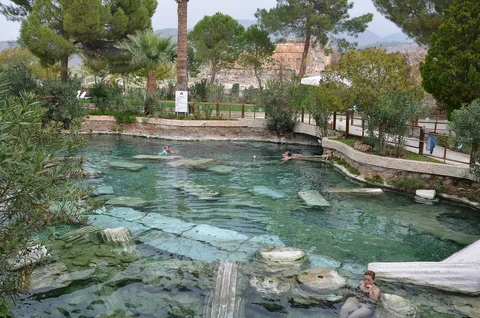
Many travellers choose to combine their walk across the terraces with bathing in the warm mineral waters of Cleopatra's Pool. Wearing your swimwear beneath loose walking clothes simplifies the transition, avoiding crowded changing cubicles before your dip. You will also need a compact microfibre towel that dries swiftly and packs down small inside your rucksack. Bulky cotton bath sheets remain damp and heavy for the rest of your archaeological wanderings.
Organising your daypack logically keeps your visit comfortable across the entire plateau. Place damp swimwear inside a dedicated waterproof pouch after bathing so the rest of your gear stays dry. Keep drinking water readily accessible, as exploring stone ruins in full sun rapidly drains energy. Packing light, wearing supportive trainers, and carrying footwear across the calcite path allows you to explore the site in comfort. You can connect route options with regional travel details at Pamukkale.
Where it is
- 1Pamukkale
- Dalaman International Airport (DLM) · about 137 km from Pamukkale in a straight line
- Directions in Google Maps
Stations and taxi ranks: OpenStreetMap. Airports: OurAirports. Distances are in a straight line.
Traveller tips
Real advice from people who have been to Pamukkale. Every tip is read by our team before it goes live.
No tips yet. Been here? Yours could be the first.
Thank you! Your tip will appear here after a quick review.
More in Pamukkale
Continue exploring Pamukkale with related neighbourhood, food, and planning guides
Hierapolis Ancient City Guide: Roman Theatre, Martyrium and Necropolis
Pamukkale, Turkey
Cleopatra's Pool Guide: Thermal Water and Submerged Roman Columns
Pamukkale, Turkey
Pamukkale in One Day: Downhill Route from Hierapolis to the White Terraces
Pamukkale, Turkey
Pamukkale Hot Air Balloon Guide: Sunrise Flights vs Cappadocia
Pamukkale, Turkey
