


























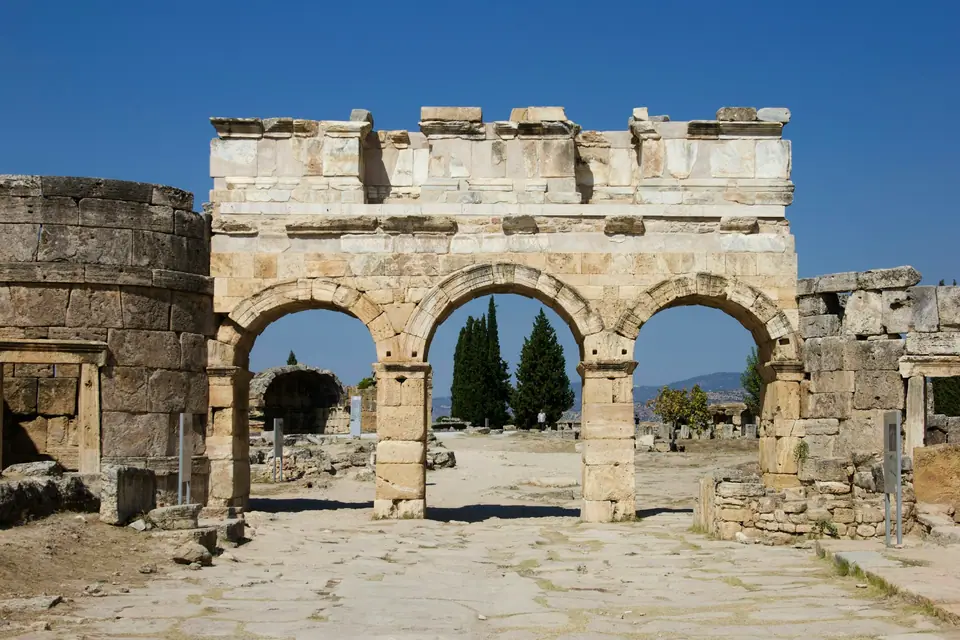
Photo by Gray Clary on Unsplash
Pamukkale and Hierapolis Entry Tickets: Official Rules and Gate Tips
Understanding ticket rules for Pamukkale and ancient Hierapolis helps you choose your entry gate and manage site regulations smoothly.
When planning an excursion across the white travertine terraces, securing your official entry ticket forms the essential first step. The standard ticket issued by the Turkish Ministry of Culture and Tourism functions as a combined admission pass. This single purchase grants full access to both the mineral terraces and the vast ruins of classical Hierapolis. You can wander along marked wooden boardwalks freely. You can also walk barefoot through running channels on the designated path without paying extra entrance charges.
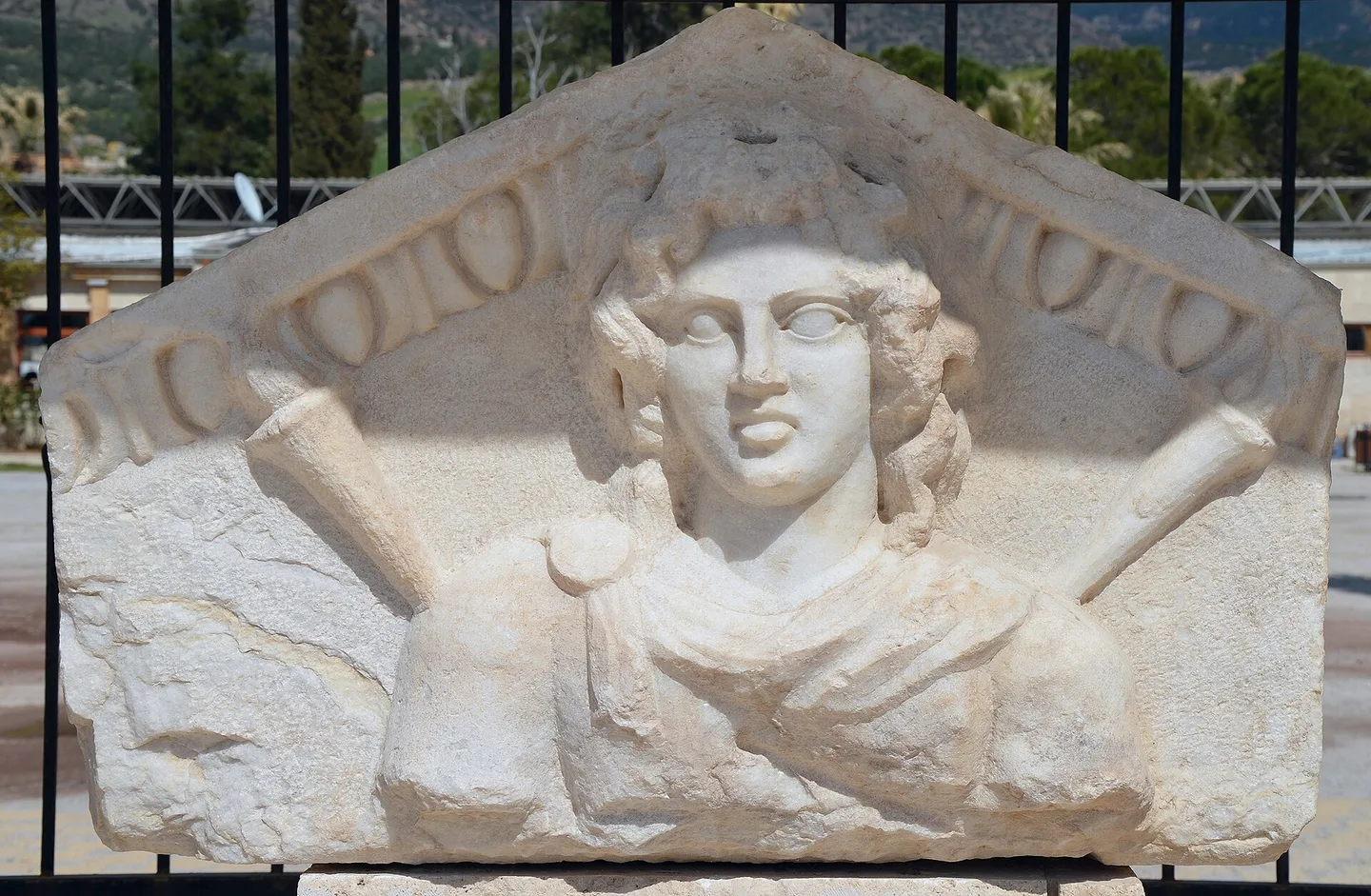
Your standard admission ticket also unlocks entry to the indoor galleries of the archaeological collection. This collection sits inside the restored Roman bath complex. Wandering among ancient sarcophagi, intricate architectural friezes, and Roman marble statues adds rich historical context to your afternoon. However, the ticket does not cover every attraction situated on the plateau. Bathing in thermal waters at Cleopatra's Pool requires a dedicated supplementary ticket. You can purchase this ticket at an adjacent booth inside the central garden complex.
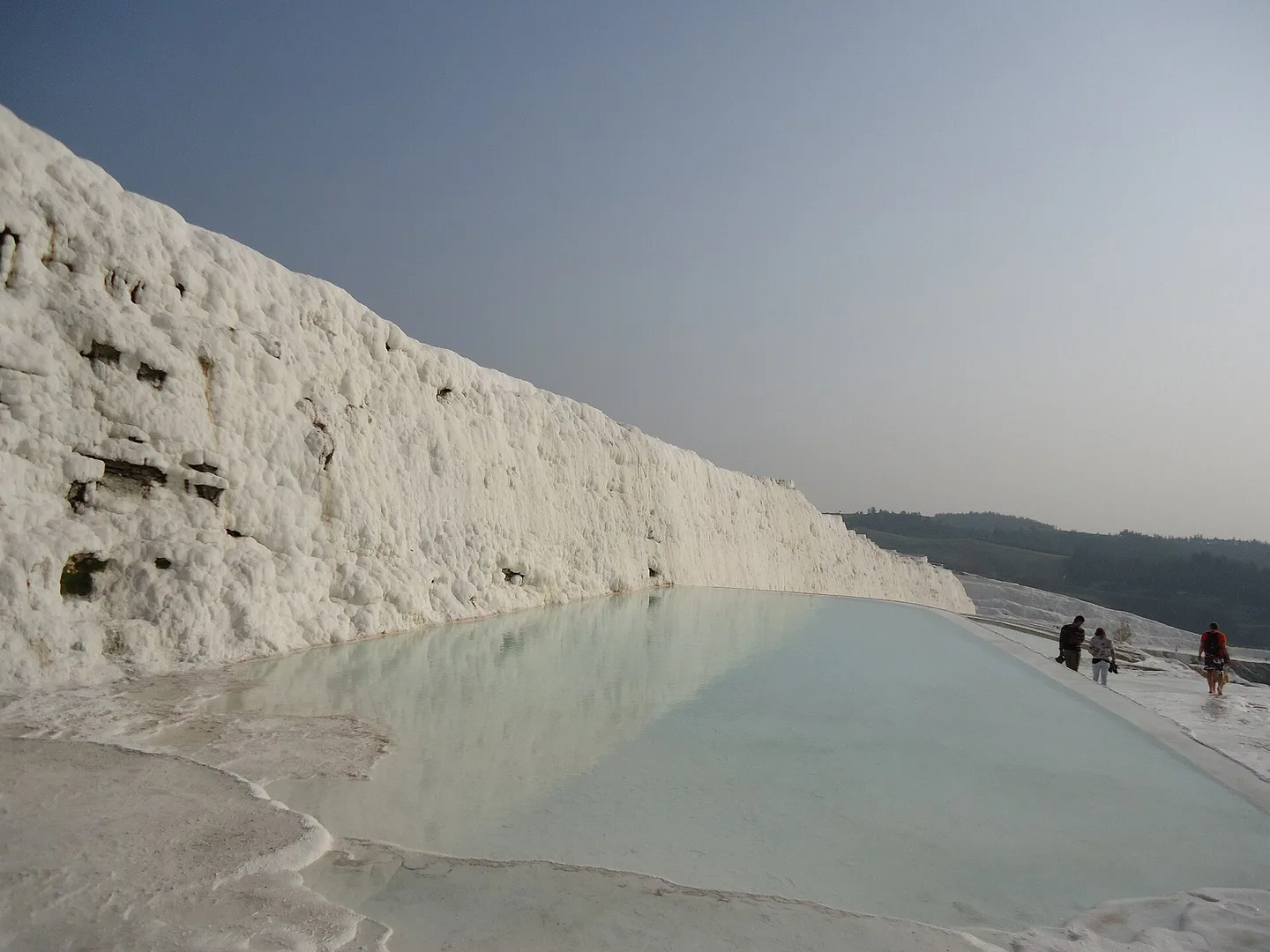
Combined Archaeological Ticket Inclusions and Extra Costs
Navigating the various monuments across the plateau becomes simpler when you understand exactly which zones your barcode covers. The physical site boundaries encompass both natural wonders and classical ruins under a unified perimeter. You do not need to buy separate tickets for the ancient theatre, the northern necropolis, or the city gates. Everything stands open once you cross the security turnstiles, provided you respect the conservation cordons.
To help you organise your walking route across the plateau, we have outlined the specific inclusion boundaries of the standard admission pass below:
- Standard Ticket: Grants full admission to the travertine terraces, the Hierapolis Archaeology Museum, and all outdoor ruins across ancient Hierapolis.
- Antique Pool Grounds: Allows free pedestrian entry to stroll around the garden perimeter and view submerged marble columns from the terrace.
- Antique Pool Swimming Ticket: Requires a separate purchase if you wish to enter the water and swim among the ancient ruins.
- Electric Buggy Shuttles: Operates as an optional transport service with separate on-the-spot fares for travellers with limited mobility.
All verified admission rates, pass rules and gate hours are listed directly below.
Payment Currency Rules and Muzekart Eligibility
Ticket booths at all perimeter gates operate under official state regulations managed by national heritage authorities. Foreign visitors pay according to fixed pricing frameworks set for international arrivals. Gate terminals convert international fees into Turkish Lira at the official daily exchange rate. Both modern contactless bank cards and physical cash in domestic lira are widely accepted at the counter windows.
Turkish citizens and official residents holding an active national museum pass enjoy distinct admission privileges across the complex. The domestic Muzekart grants direct entry through automated turnstiles without purchasing a separate day ticket at the window. However, this domestic card does not cover foreign visitors travelling on standard tourist visas. If you enter on a foreign passport, plan your budget around standard international ticket rates. Keep your payment card ready at the window.
Single-Entry Limitations and Site Re-entry Policy
A crucial rule governing admission at this UNESCO World Heritage complex is the strict single-entry regulation. Every ticket purchased at the gate features a unique electronic barcode that scans upon passing through the entry turnstiles. Once that barcode registers as used, you cannot leave the site perimeter and return later in the day on the same ticket.
This policy catches many unprepared travellers who hope to explore the ruins at dawn and return for sunset photos after lunch. If you walk down into the village for a midday meal, security officers will require you to purchase an entirely new ticket. You cannot simply show your used stub to regain entry. Plan to spend several continuous hours on the summit plateau. Bring adequate drinking water, sun protection, and light snacks to sustain your visit.
Choosing Between North Gate, South Gate, and Town Gate
Approaching the complex requires selecting one of three official entry points positioned around the perimeter of the national park. The South Gate sits on the upper plateau and offers convenient parking for visitors arriving by private car or taxi. Entering here places you immediately adjacent to the main wooden boardwalks along the upper travertine rim. This choice eliminates any strenuous uphill climbing right at the start of your walking day.
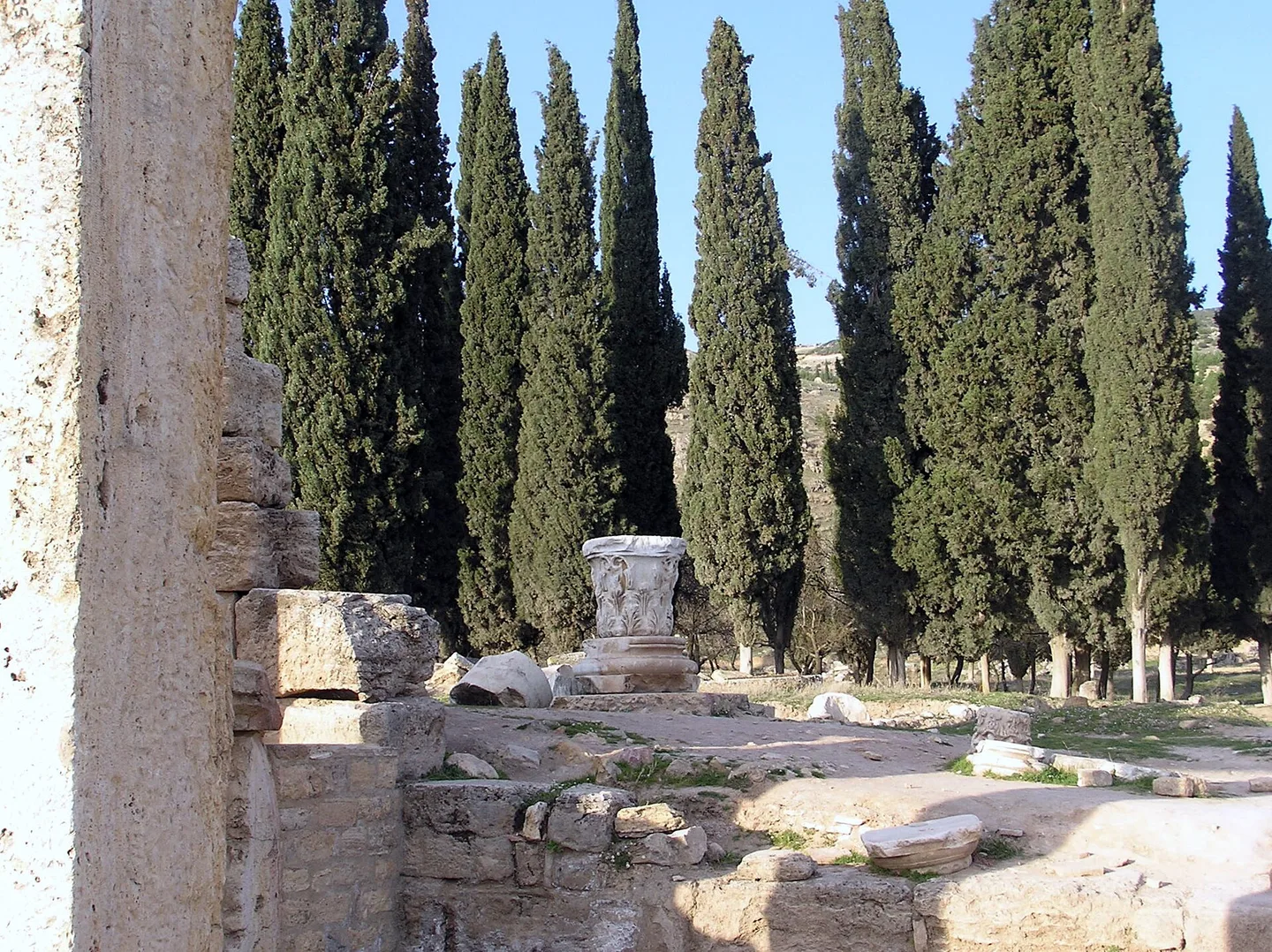
The North Gate lies farther out, positioned beyond the extensive tombs of the vast northern necropolis. Large tour coaches frequently park at this entrance because the access roads take heavy traffic easily. Entering through the North Gate gives you a quiet, atmospheric approach through rows of classical limestone sarcophagi. However, reaching the central pools from the North Gate involves a substantial walk along exposed dirt tracks.
The Town Gate opens directly from the northern edge of the modern village at the foot of the cliff. Choosing this gate requires you to remove your footwear immediately and hike barefoot up the wet white travertine trail. While this route provides direct contact with the mineral waters, carrying your shoes and daypacks up the steep incline demands stamina. Evaluate how to get there before picking your drop-off gate.
For guests facing physical limitations or mobility challenges, navigating the long distances between classical monuments can prove exhausting. The archaeological park features electric buggy shuttles that run along set routes between the main gates and central attractions. Drivers charge small fixed fares per journey, offering a comfortable alternative to walking across the sunlit plateau. Using these shuttles allows you to experience the vast landscape without overexerting yourself in warm weather.
Independent travellers can also combine their visit with wider excursions across Pamukkale and nearby regional ruins. Starting early in the morning lets you complete the outdoor walk before the midday sun peaks. Make sure your camera batteries are fully charged, keep your entry barcode accessible until you pass the turnstiles, and enjoy the ancient heritage of Hierapolis.
Where it is
- 1Pamukkale and Hierapolis Entry Tickets
- Dalaman International Airport (DLM) · about 137 km from here in a straight line
- Directions in Google Maps
Stations and taxi ranks: OpenStreetMap. Airports: OurAirports. Distances are in a straight line.
Traveller tips
Real advice from people who have been to Pamukkale. Every tip is read by our team before it goes live.
No tips yet. Been here? Yours could be the first.
Thank you! Your tip will appear here after a quick review.
More in Pamukkale
Continue exploring Pamukkale with related neighbourhood, food, and planning guides
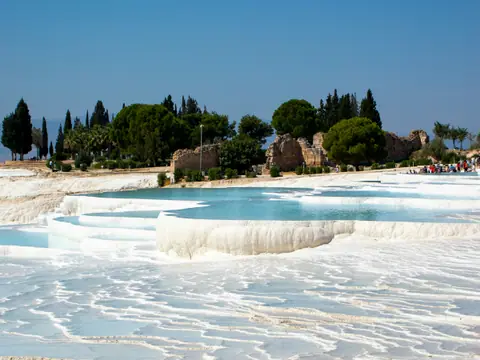
Pamukkale Orientation: Travertine Cliffs, Hierapolis and Denizli Valley
Pamukkale, Turkey
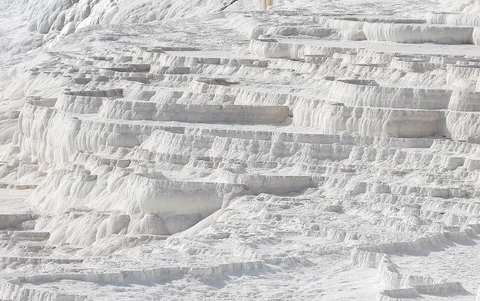
What to See in Pamukkale: Travertines, Hierapolis and Ancient Ruins
Pamukkale, Turkey

Travelling to Pamukkale: Denizli Rail, Flights and Coach Routes
Pamukkale, Turkey
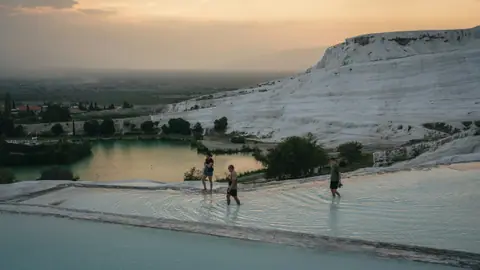
Pamukkale Seasonal Climate Guide: Spring Warmth, Glare and Winter Pools
Pamukkale, Turkey
