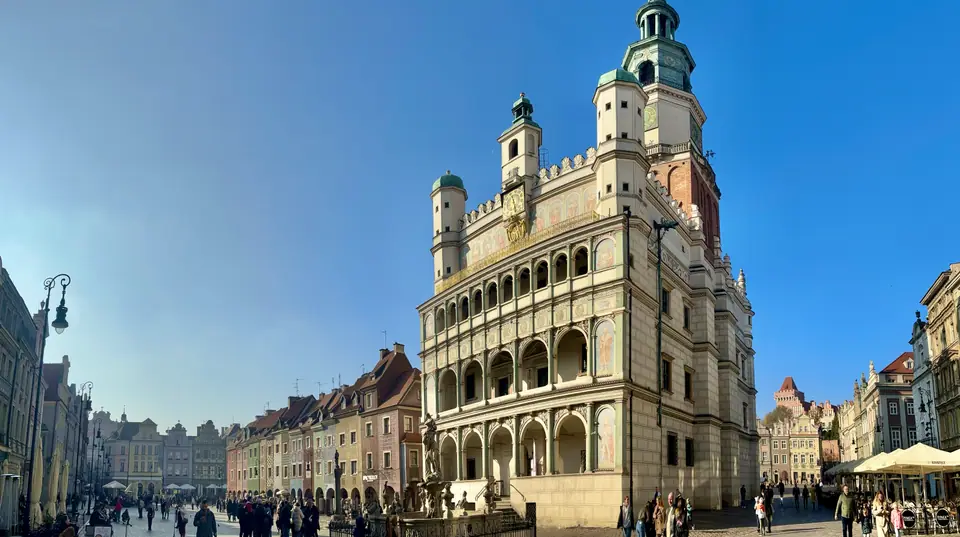
Photo: Borzpoz · CC0
Poznań
Where Poland began on an island in the Warta, linking a repaved 1253 market square, midday mechanical goats, Prussian stone avenues, and a peaceful regatta lake.
Quick decisions
How many days?
Three days cover Stary Rynek, Cathedral Island, the Imperial Castle, and Lake Malta at an easy walking pace.
Where should we stay?
Choose Stare Miasto for flat granite pavements, Jeżyce for café culture, or Łazarz near Poznań Główny railway station.
Do we need a car?
No. ZTM trams and buses cover the core, while strict paid-parking zones make central driving inconvenient.
Best for
Travellers keen on early medieval history, codebreaking heritage, Art Nouveau architecture, and regional food traditions.
Before you go
The Old Town Hall museum rooms and Wilson Park Palm House remain closed for conservation, though exterior goats operate normally.
Getting around
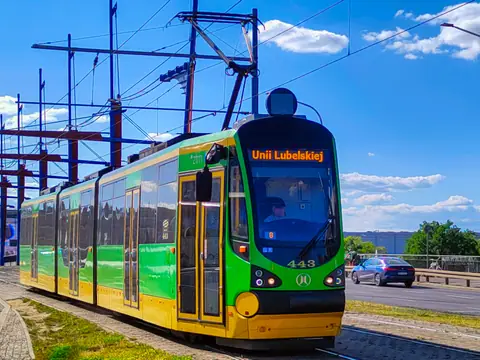
Board ZTM buses and trams using contactless onboard payment terminals or transport mobile applications. The Maltanka train requires separate tickets.
Continue your trip
Take direct PKP Intercity trains to Berlin, Warsaw, Wrocław, or Gdańsk from central Poznań Główny station.
Overview
Poznań centres on the northward-flowing River Warta and its eastern tributary, the Cybina. Tenth-century Piast rulers fortified Cathedral Island before Duke Przemysł I established the 1253 market grid on the left bank. Prussian annexations later added imposing monumental avenues and sandstone bastions.
Our detailed Poznań travel guide unpacks these layers across the urban centre. Continental weather brings warm afternoons in July and August averaging twenty-five degrees, while April and September offer drier, comfortable walking conditions across Wielkopolska.
Getting there
Poznań-Ławica Airport lies seven kilometres west of downtown. Daytime municipal buses 159 and 148 connect the terminal directly with Poznań Główny and Rondo Kaponiera in standard city fare Zone A. Frequent PKP Intercity expresses link Poznań Główny with Berlin, Warsaw, and Wrocław.
Drivers encounter rigid paid parking zones throughout the centre, with strict limits around the market core. Park in designated multi-storey facilities outside the pedestrian perimeter instead. Review our full transit breakdown in how to get to Poznań.
Where to stay
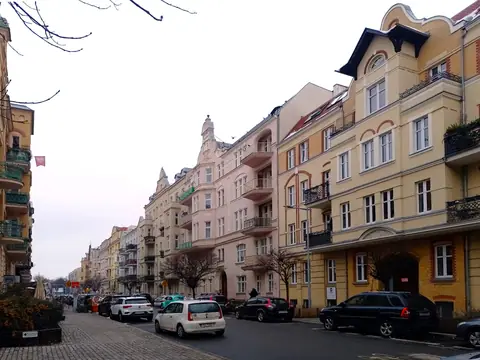
Picking the right base depends on transit connections and nightly atmosphere. Stare Miasto offers level granite streets and quick walks to sights, though ground-floor bars stay energetic late into the evening. Jeżyce delivers quieter Art Nouveau streets and independent bakeries just northwest of Rondo Kaponiera.
South of the tracks, Łazarz and Wilda provide swift walking routes to the railway terminal and international fairgrounds. Compare districts and street layouts in our guide to where to stay in Poznań before booking your room.
Things to do
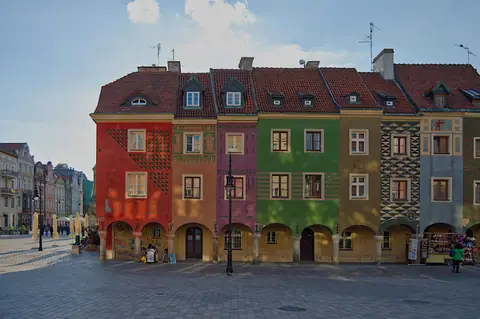
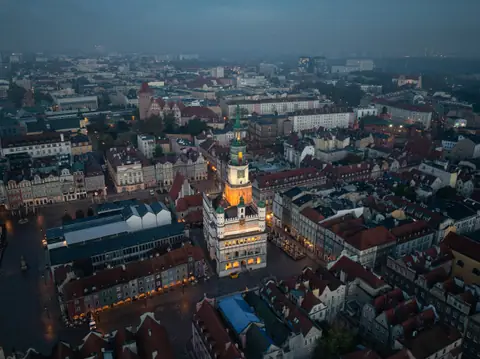
Begin on the granite plaza of the Old Market Square to watch the mechanical goats butt horns above the Renaissance loggia. Walk east across the Cybina to the ancient cathedral tombs and the multimedia exhibits of Porta Posnania.
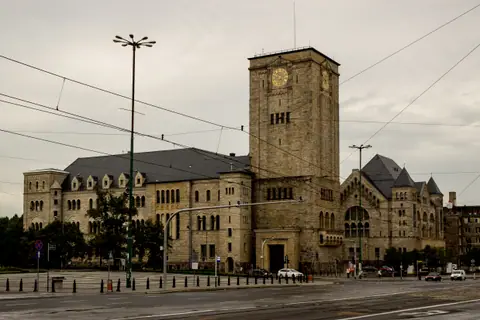
Westward, inspect Schwechten's neo-Romanesque halls at the Imperial Castle and the codebreaking displays at the Enigma Cipher Centre. Take tram lines east to explore Lake Malta, or discover complete itineraries in things to do in Poznań.
Food and drink
Greater Poland serves distinct regional comfort food rooted in local agriculture. Order pyry z gzikiem, which pairs tender jacket potatoes with seasoned cottage cheese, sour cream, and fresh chives. Roasted duck served with red cabbage and steamed yeast dumplings remains a classic Sunday lunch across traditional dining rooms.
Look for genuine white poppy-seed St Martin croissants bearing official European geographical protection markings. Read our comprehensive food overview in what to eat in Poznań to discover historic milk bars and street markets like Rynek Jeżycki.
Culture
Dress respectfully when entering active Catholic churches, covering shoulders and removing hats inside Cathedral Island shrines. Public museums close on Mondays across Poland, though cultural spaces like the Imperial Castle keep gallery spaces and courtyards accessible. Keep small change ready for unattended washrooms.
Most large supermarkets shut on designated non-shopping Sundays, leaving small corner convenience shops open. Read our advice on the best time to visit Poznań to plan around the Malta Festival and Saint Martin's Day parades.
Weather by month
Poznań is warmest in July, with average highs around 25°C, and coldest in January, when nights drop to about -2°C. July is the wettest month by rainfall (73 mm), with rain on about 12 days. For mild weather with fewer rainy days, aim for May, August and September.
| Month | Low | Range | High | Rain | Rainy days |
|---|---|---|---|---|---|
| Jan | -2°C | 3°C | 50 mm | 14 d | |
| Feb | -1°C | 6°C | 45 mm | 11 d | |
| Mar | 1°C | 9°C | 39 mm | 11 d | |
| Apr | 4°C | 14°C | 37 mm | 10 d | |
| May | 9°C | 19°C | 56 mm | 10 d | |
| Jun | 14°C | 24°C | 67 mm | 11 d | |
| Jul | 15°C | 25°C | 73 mm | 12 d | |
| Aug | 16°C | 25°C | 63 mm | 10 d | |
| Sep | 12°C | 21°C | 47 mm | 8 d | |
| Oct | 7°C | 14°C | 55 mm | 11 d | |
| Nov | 3°C | 8°C | 40 mm | 9 d | |
| Dec | 0°C | 5°C | 44 mm | 11 d |
Averages of daily values from 2015 to 2024. Rainy days are days with at least 1 mm of rain. Source: Open-Meteo · Compare destinations by month.
Poznań on the map
Every place we cover in Poznań. Tap a category or pin to explore.
In-depth Poznań guides
Browse the guides grouped by topic: sights, neighbourhoods, food, transport, day trips and trip planning.
Sights, Landmarks & Parks
Key monuments, viewpoints, museums and nature trails.
- Market Goats, Cathedral Islands and CodebreakersFour sequential walking clusters linking Stary Rynek, Fara Basilica, Ostrów Tumski, CK Zamek and Park Cytadela, plus Monday closures.
- Granite Square, Di Quadro's Loggia and GoatsInside Stary Rynek's post-renovation granite paving, Giovanni Battista di Quadro's 1560 Town Hall, the 2026 to 2028 museum closure and live midday goats.
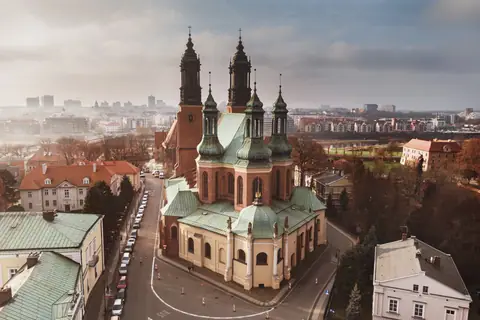
- Cathedral Island, Golden Chapel and Porta PosnaniaPoland's oldest cathedral on Ostrów Tumski, the Golden Chapel of Mieszko I, 10th-century ramparts at Genius loci and concrete Porta Posnania.
- Imperial Castle, Enigma Centre and Fort WiniaryWilhelm II's 1910 sandstone palace, CK Zamek's Monday-open interiors, the 2021 Enigma Cipher Centre, 1956 crosses and Park Cytadela sculptures.
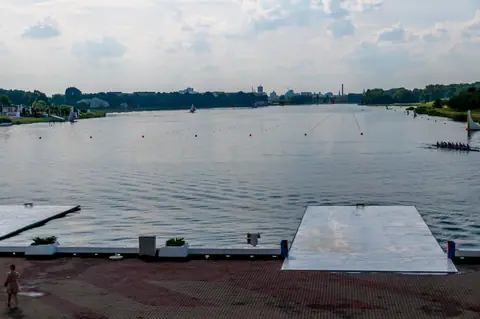
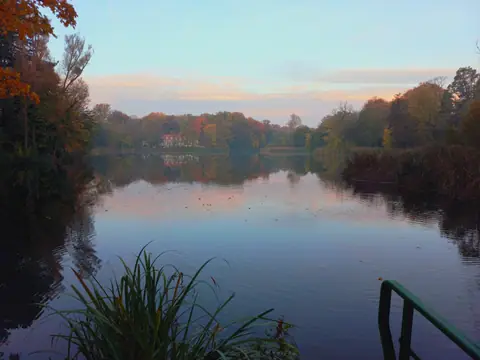
- Regatta Lanes, Maltanka Train and Geothermal BathsExploring Lake Malta: the 1952 regatta course, seasonal Maltanka narrow-gauge railway ticketing trap, Termy Maltańskie and the 120-hectare New Zoo.
Neighbourhoods & Where to Stay
Districts, historic quarters and the best bases for your stay.
Food & Drink
Local dishes, markets, cafés and dining districts.

Getting Around & Arrival
Airport transfers, public transit, passes and driving rules.
Trip Planning & Itineraries
When to visit, what to pack and day-by-day routes.
- Two Rivers and Three Eras: Reading PoznańHow Ostrów Tumski, the 1253 Old Market grid, Prussian bastions and the 1956 workers' revolt fit together across Poznań.
- Dry Springs, July Storms and 11 November ParadesMonthly Open-Meteo ERA5 and IMGW-PIB climate normals for Poznań, plus June Malta Festival, 11 November St Martin parades and winter markets.
Need your embassy or consulate in Poland? See embassies and consulates in Poland.
Reviews
Log in to write a review.
No reviews yet.