









Best Time to Visit Rome
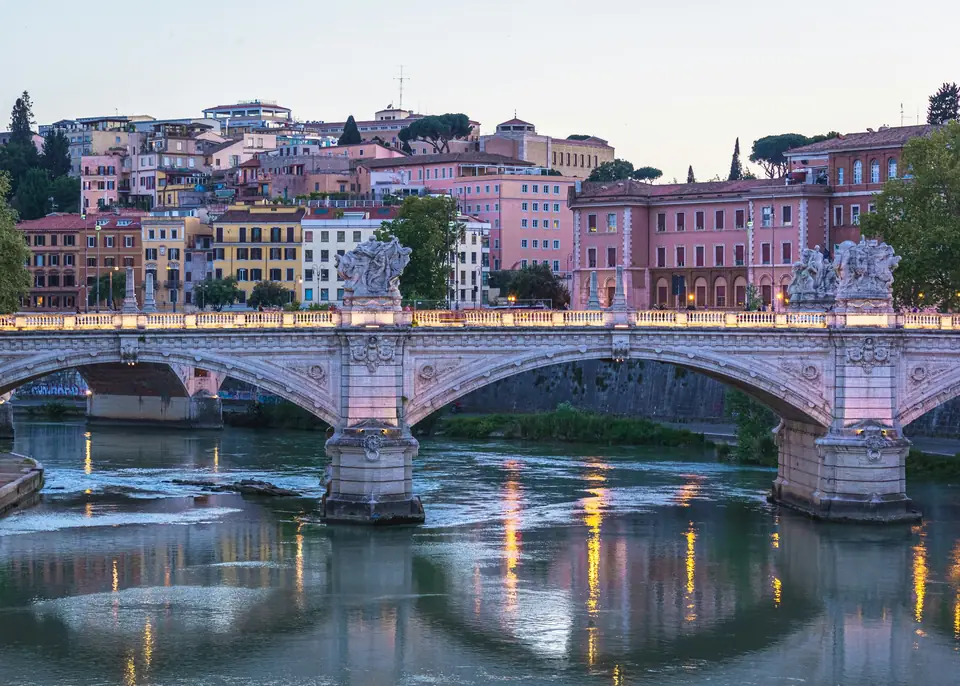
Short answer: mid-April to early June, or mid-September to October. Warm enough to eat outside, cool enough to walk the Forum at midday, and the light on the ochre buildings is at its softest.
That's also when everyone else comes, so book the Colosseum and the Vatican early. Spring crowds peak around Easter, when Holy Week brings pilgrims and papal services to St Peter's on top of the normal tourist season. If your dates are flexible, avoid the week before and after.
Summer
July and August are properly hot. Afternoons of 33 to 35°C are normal, and the Forum and the Palatine have almost no shade. Plan outdoor sights for early morning, go inside or rest after lunch, and come out again after 6pm, when the city comes back to life. Around 15 August (Ferragosto, a national holiday) many Romans leave town and some family restaurants close for a week or two. Hotels get cheaper, the streets emptier.
Winter
November to February is underrated. Days are usually mild and bright, around 12 to 15°C, with rain on and off. Queues at the Vatican shrink, hotel prices drop, and you can see the Sistine Chapel without being pressed against strangers. Christmas brings nativity scenes to every church and a market in Piazza Navona. The downsides are short days and the occasional grey, wet week.
March is changeable; late October and November are the rainiest weeks of the year.
Dates to know
- 21 April: the city's traditional birthday, with parades and events in costume around the Circus Maximus.
- 29 June: the feast of Saints Peter and Paul, a public holiday in Rome.
- First Sunday of the month: free entry to state museums and sites, and long queues to match.
- Last Sunday of the month: free Vatican Museums, shorter opening, and huge lines. We'd pay and pick another day.