








Rome Food Guide: What to Eat and How to Order
Roman food comes from the cucina povera, the cooking of people who couldn't waste anything: offal, cheap cuts, pecorino and pepper. It's plain, salty and very satisfying, and Romans have strong opinions about getting it right.
The four pastas
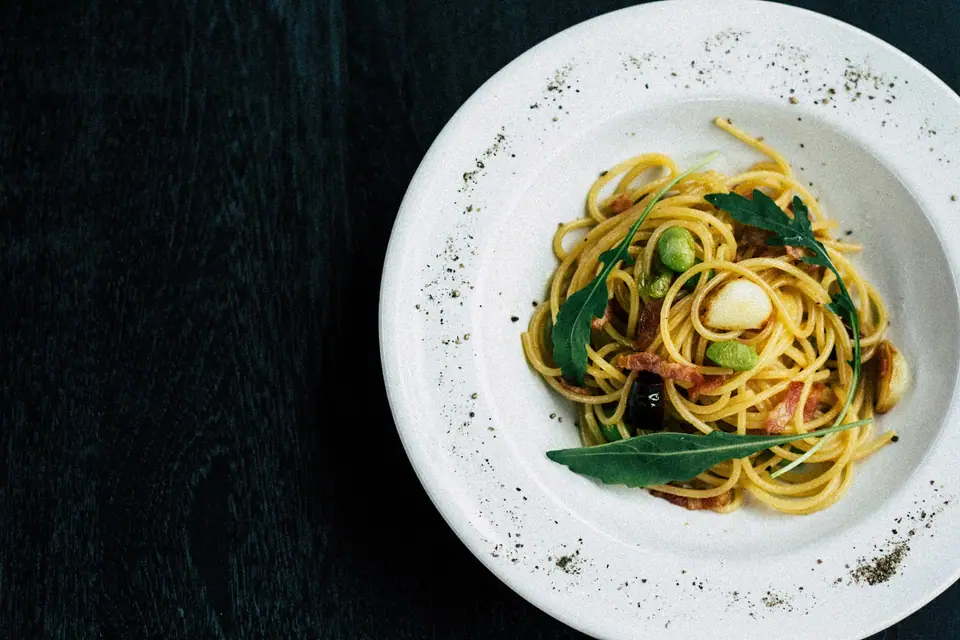
- Cacio e pepe: pasta with pecorino romano, black pepper and starchy cooking water, whisked into a creamy sauce with no cream at all. The simplest and the hardest to do well.
- Gricia: cacio e pepe plus crisp guanciale, cured pork cheek.
- Carbonara: gricia plus egg yolk. If it arrives with cream or peas, you're in the wrong restaurant.
- Amatriciana: guanciale, tomato and pecorino, traditionally with bucatini, a thick spaghetti with a hole through the middle.
Beyond pasta
- Supplì: a fried rice croquette with tomato and a string of melting mozzarella inside. The classic starter and street snack.
- Carciofi alla giudia: whole artichokes deep-fried until the leaves open and crunch like crisps, a dish from the old Jewish Ghetto. Best between February and April. Carciofi alla romana are the braised version, with mint.
- Saltimbocca: thin veal with prosciutto and sage, cooked in butter and white wine.
- Coda alla vaccinara: oxtail stewed for hours with tomato and celery, a Testaccio classic.
- Pizza al taglio: rectangular pizza sold by weight. Point, say how big, and they cut it.
- Trapizzino: a pocket of pizza bread filled with stews like chicken cacciatora. A modern invention, now a Roman staple.
- Maritozzo: a soft sweet bun split open and packed with whipped cream. Breakfast, with a cappuccino.
Round pizza in Rome is thin and crisp, very different from Naples, and pizzerias usually open only in the evening.
A few habits help. Restaurants with photo menus and staff calling you in from the street, especially around Piazza Navona and the Pantheon, are the ones to skip. Walk two streets away. Drink coffee standing at the bar like Romans do; sitting at a table costs more. For a lunch of market stalls, the covered Mercato di Testaccio is more local than Campo de' Fiori, which today sells more souvenirs than vegetables.
Dinner starts late, around 8 or 9pm. Book on weekends. Our neighbourhood guide points out where the evening streets are liveliest, and the 3-day itinerary leaves room for long lunches.