
















How to Get to Rome
Rome has two airports and one main railway station, Termini, where most transfers end. Taxis from both airports charge a fixed fare to anywhere inside the Aurelian Walls, which is handy at night or with luggage for four.
Fiumicino (FCO)
The main international airport sits near the coast, about 30 km south-west. The Leonardo Express is a non-stop train to Termini, running every 15 minutes or so and taking about 32 minutes. The cheaper FL1 regional train is useful if you're staying in Trastevere or near Ostiense, since it stops there and at Tiburtina, but it doesn't go to Termini. Several coach companies also run to Termini; they're slower, especially at rush hour.
Ciampino (CIA)
The smaller airport, used by many budget airlines, is about 15 km south-east and has no station of its own. The options: a direct coach to Termini (roughly 40 minutes), a local bus to Anagnina for metro line A, or the combined Ciampino Airlink, a shuttle bus to Ciampino town station plus a regional train into Termini. Check the last departures if you land late.
By train
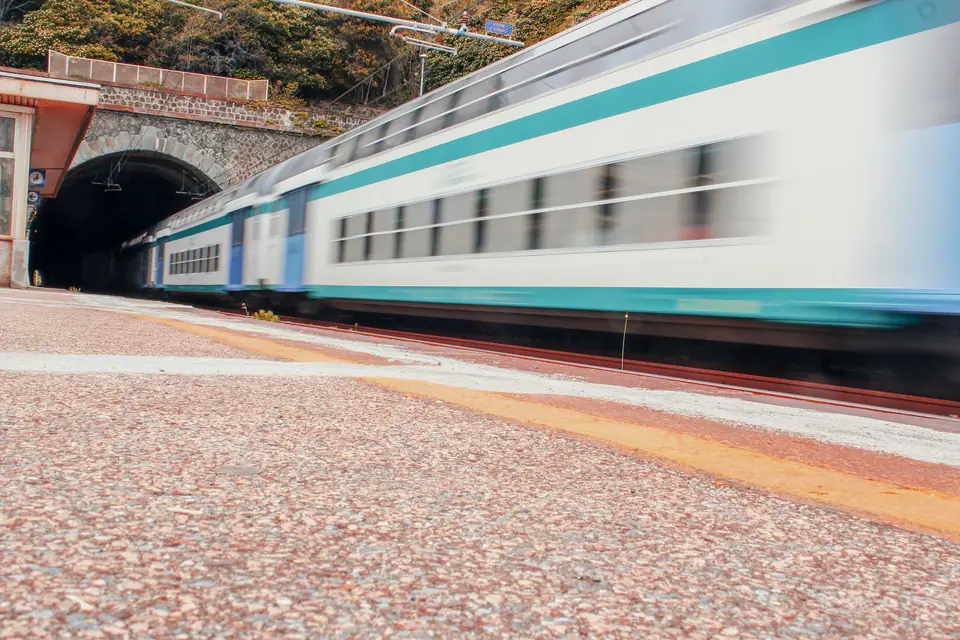
Frecciarossa and Italo high-speed trains connect Rome with Florence in about an hour and a half, Naples in a little over an hour, and Milan and Venice in around three and four hours. Most stop at Termini, and some at Tiburtina too. Validate paper regional tickets in the machines on the platform before boarding; high-speed tickets are already tied to a seat and a train.
The metro
Three lines. Line A runs north-west to south-east through Termini, Barberini (for the Trevi Fountain), Spagna and Ottaviano (for the Vatican). Line B crosses it at Termini and serves Colosseo, Circo Massimo and Piramide. Line C used to stop on the outskirts, but since December 2025 it reaches Colosseo-Fori Imperiali, where you can change to line B. A further extension to Piazza Venezia is under construction. You can tap a contactless bank card at the turnstiles instead of buying a paper ticket.
Buses, trams and walking
The Centro Storico has no metro at all, so for the Pantheon and Piazza Navona you'll walk or take a bus. Tram 8 is the handiest line for Trastevere. Buses are slow in traffic, and for trips under two kilometres walking usually wins.
Entry rules
Italy is in the Schengen Area, and many nationalities can visit for up to 90 days without a visa. The EU's Entry/Exit System now registers fingerprints and a photo on your first entry, so allow extra time at passport control. Check the current rules for your own passport before you travel.